
NEC Type 3 SPD Guide: NFPA 70 242.16 Explained
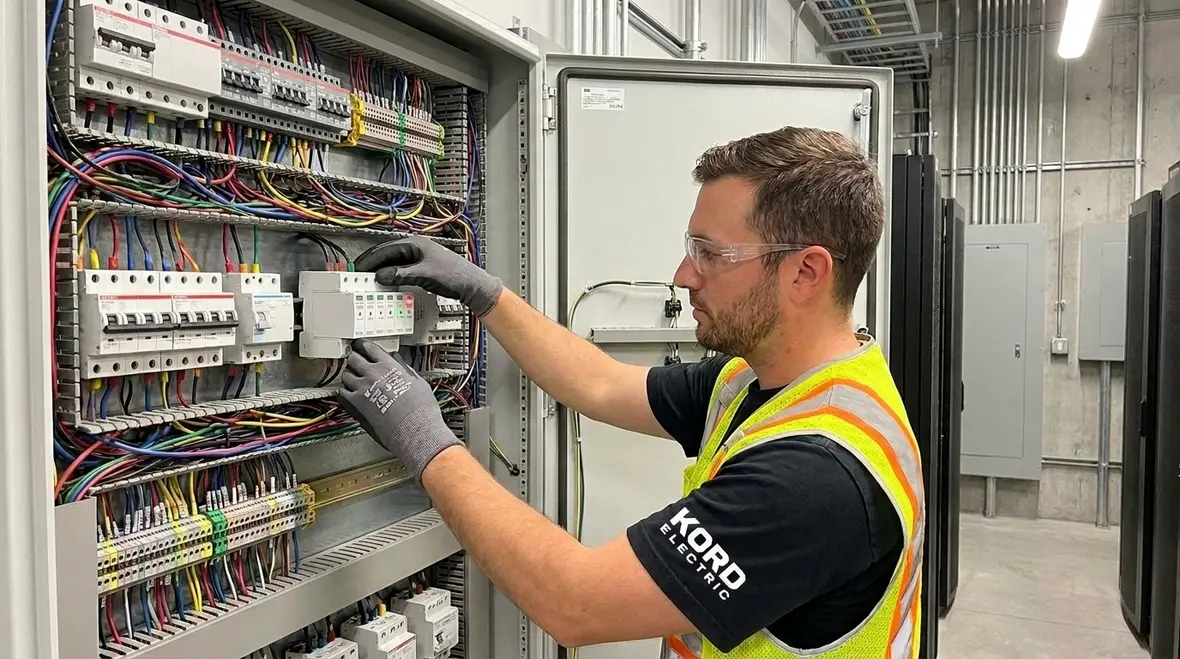
Kord Electric builds smarter power protection for commercial and industrial facilities, and we start with the NEC Type 3 SPD in mind. In the first step, we look at why surge protective devices matter and how NFPA 70 Section 242.16 frames the rules for Type 3 protection. Then we connect those rules to real jobs we see on the ground, from hospitals and data rooms to warehouses with high load swings. And yes, we do explain it in plain terms, because nobody wants to hear “surge” and then feel like they should have worn a superhero cape. Our technicians and expert service staff walk the site, map the risks, and help others choose what to install and where to install it.
In this guide, we also connect equipment-level protection to the wider National Electrical Code conversation that shows up in resources like Understanding NFPA 70: The National Electrical Code Explained for 2026. That way, facilities can see where NEC Type 3 SPD decisions fit inside their bigger compliance and reliability plans.
NFPA 70 Section 242.16 in plain business language
In the NEC world, people sometimes treat surge protection like a lucky charm. However, NFPA 70 Section 242.16 does not work that way. It defines Type 3 Surge Protective Devices and clarifies when they make sense. In simple terms, the code addresses how a Type 3 device behaves and what it is intended to protect.
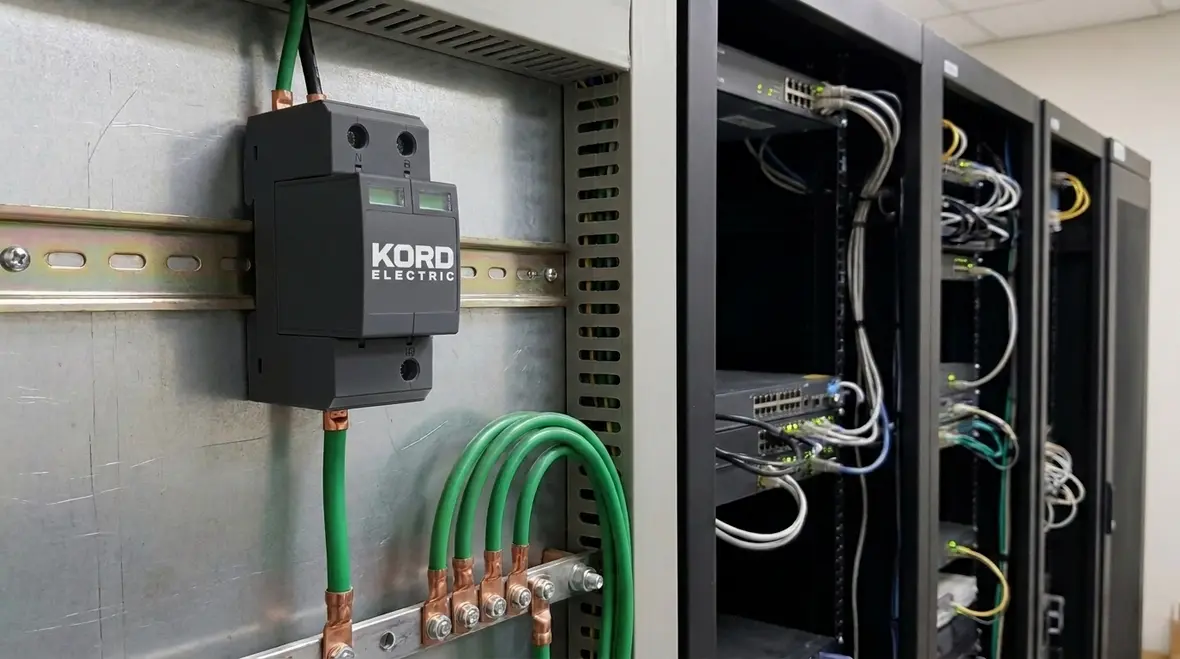
Type 3 devices typically connect close to the equipment they protect. That matters because surges move fast, and distance changes what the equipment sees. Therefore, a good design does not just slap a device on a panel and hope for the best. Instead, we align the device type, the location, and the wiring path with the surge conditions expected at the facility.
Our team follows the same calm logic we use on any industrial electrical project. First, we identify the source of disturbances. Next, we check how power travels through the building. Then, we match the protection level to what the code allows and what the site requires.
Because we work across different facilities, we also look at how surge protection interacts with broader NFPA 70 topics like application scope and equipment work spaces. That means pairing Section 242.16 decisions with what teams may already be reviewing in guides on how to read NFPA 70, scope boundaries, and electrical vault requirements for commercial and industrial buildings.
When we use a Type 3 SPD to protect sensitive loads
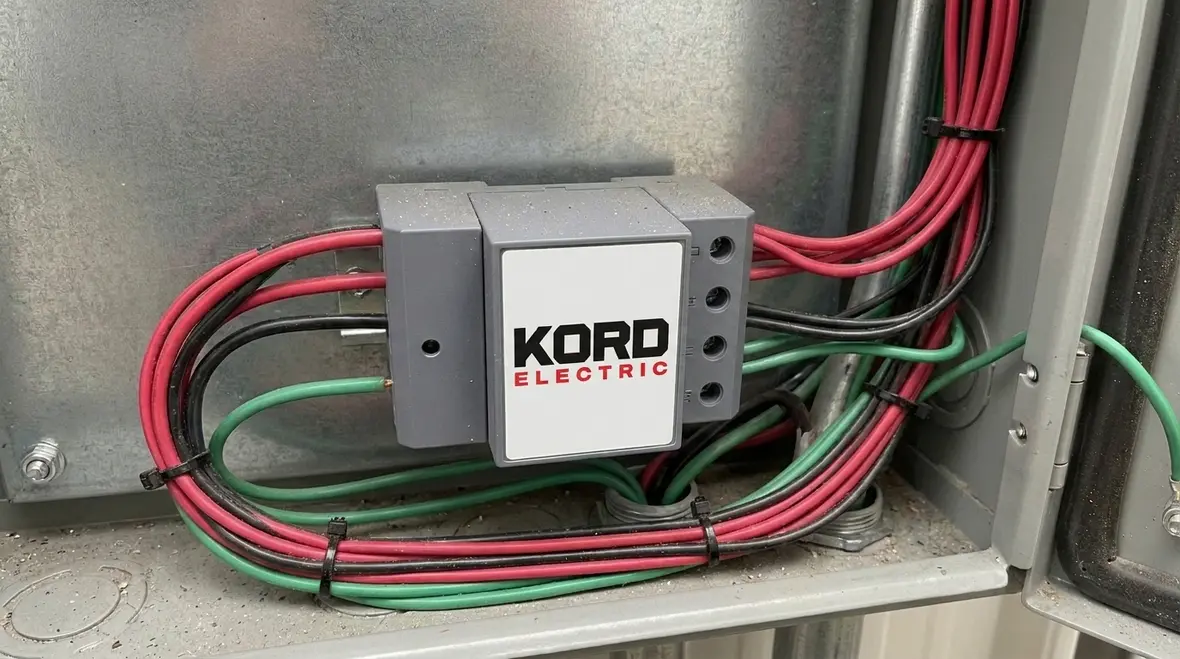
When a commercial or industrial property needs guardrails for equipment that hates voltage stress, we often look at Type 3. These devices are designed for “downstream” protection, meaning they support equipment that sits closer to where we install them. Consequently, they can help protect sensitive electronics, control systems, and components that do not tolerate repeated surges very well.
However, we do not use them as a substitute for upstream protection. Instead, we coordinate the full protection strategy across the electrical system. Think of it like a security team: a guard at the gate helps, but you still want a staffed control room. If you only put protection at one point, the rest of the path can still carry stress. So, we plan the job as a system, not a single device purchase.
Our expert service staff also reminds others that Type 3 devices work best when the wiring is installed correctly and the equipment grounding setup is solid. If the foundation is weak, the “best” device cannot do its job. And in electrical work, the joke is never funny when something fails. We prefer prevention to the surprise meeting with a maintenance crew at 2 a.m.
For facilities that want to see how equipment-level surge protection fits with broader reliability projects, we often pair NEC Type 3 SPD planning with resources focused on industrial power surge protection for facilities and NEC electrical code considerations for data centers, especially when uptime expectations leave little room for trial and error.
How the code affects design choices, not just installation
Some people only read NFPA 70 like a checklist. We treat it like a design map. That is because Section 242.16 ties the device purpose to practical outcomes on the site.
First, designers must consider where surges originate. Switching loads, motors, contactors, elevators, and even certain HVAC sequences can create disturbances. Then, those disturbances travel through conductors and create voltage stress at equipment. Next, Type 3 devices help manage the residual energy that reaches sensitive equipment.
Second, the code pushes good practices around the device’s connection and performance. Therefore, we focus on correct installation methods, proper conductor routing, and coordination with other protective components. We also verify that the system meets the needed electrical design requirements for commercial and industrial environments.
Third, Type 3 is not the last word. If a facility needs higher level protection at service or feeder points, we discuss that as part of the full plan. Our job is to protect the building, and that means we recommend the right mix, not a one size solution. On many projects, that includes pulling in code context from resources that explain NFPA 70 scope, branch circuit rules, and overcurrent protection strategy so the surge plan reinforces, rather than conflicts with, other NEC decisions.
What technicians look for during a site walk
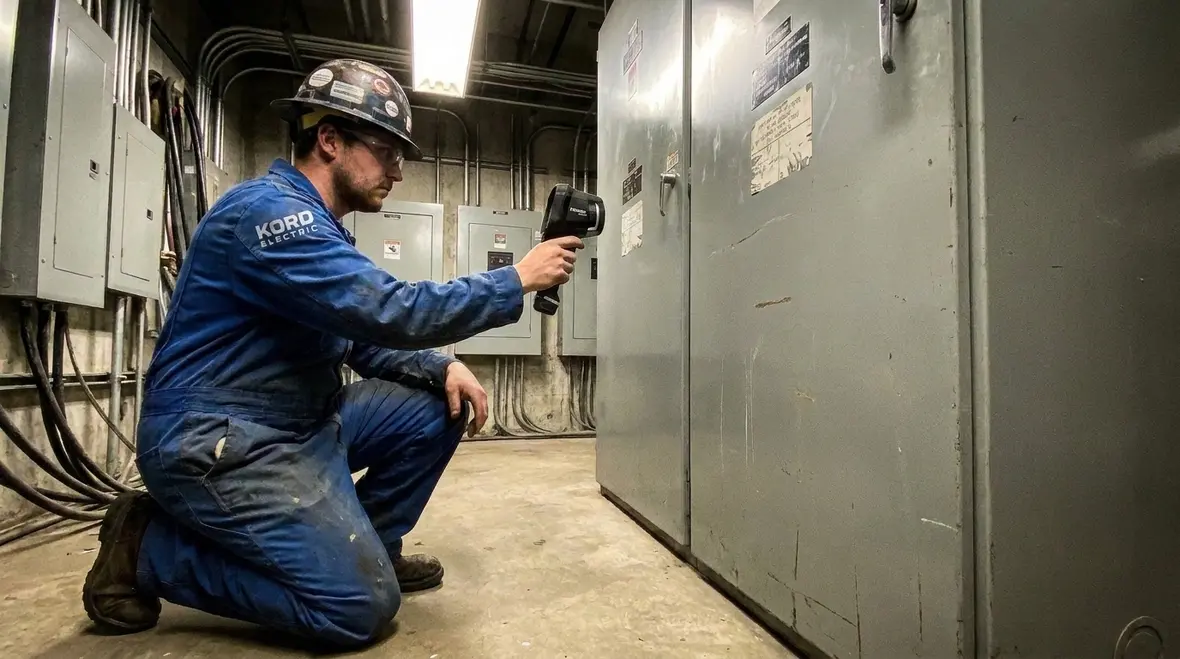
When our technicians visit a facility, we do not start with the shopping list. We start by reading the building. We look at the electrical room, we trace how power moves, and we note equipment types that are costly to replace or downtime sensitive.
Then we check for patterns that often lead to surge stress. For instance, facilities with frequent motor starts, heavy switching events, or VFD usage can experience disturbances more often. Likewise, buildings with long feeder runs and multiple distribution panels may see different surge impacts along the path.
After that, we confirm the grounding and bonding approach. We know grounding is not “the boring part.” It is the part that keeps protection effective. So, we align the device plan with the grounding method and the wiring layout. And yes, we explain this clearly, because a complex explanation does not stop a surge. A correct design does.
Finally, we document what we plan and why. This helps facilities keep control, especially during phased upgrades or tenant work. We often work with other trades, and clear electrical notes prevent misunderstandings that turn into budget surprises. When site walks show a bigger pattern, we may recommend reviewing related topics like NEC vault work space, GFCI protection, and lockable disconnect practices so the surge plan sits inside a safe, code-aligned environment.
Where a Type 3 SPD sits in a layered surge plan
Surge protection works best when you use layers across the system. Type 3 devices play a role near the equipment, but they do not replace upstream measures. In other words, we treat Type 3 as part of a broader approach that supports commercial and industrial risk profiles.
Below, we outline a practical way others often think about the layers. We use it to guide conversations with facility managers, facilities engineers, and electrical stakeholders.
When we coordinate those layers, the result feels less like “hope” and more like “engineering.” And if you ever watched a superhero movie, you know the best outcomes come from teamwork, not from one magic gadget. Electrical systems operate the same way.
Common mistakes we help facilities avoid
Even the best device can underperform when the plan misses key details. So we point out common errors we see in commercial and industrial facilities.
- Type 3 placement too far from the load: some teams install a Type 3 device too far from the equipment it is meant to protect. Then the surge energy still rides the wiring and reaches the load with less control. As a result, the equipment absorbs stress. We prefer placement that matches the intent of Section 242.16 and the practical site layout.
- Lack of coordination with other protection: some designs skip coordination with other protective parts. Therefore, the building ends up with mismatched levels along the path. Our approach checks how the system works together, not how each component looks on paper.
- Rushed grounding and bonding checks: crews sometimes rush grounding and bonding verification. However, if the grounding method does not meet expectations, surge behavior changes. We verify, we test where needed, and we document our recommendations.
- Treating surge protection as a one-time event: facilities sometimes treat surge protection like a one time job. Yet equipment is upgraded, loads change, and controls evolve. So we review the plan during future electrical work and adjust when needed. And before anyone says “we’ll do it later,” we remind people that later is where downtime lives. Lightning does not ask for a schedule. Neither does power noise.
What others ask about NEC updates and code references
Owners and engineers often ask how newer NEC editions affect surge protection planning. We stay current because NFPA 70 and related references shape how professionals design and document systems. For example, NEC discussions often link to the broader context of surge protective device categories and installation considerations.
We also keep in mind that facilities may operate under different local rules, and they may coordinate with fire and life safety teams. That is why we treat the electrical protection plan as part of a larger facility safety strategy. For building owners seeking guidance, references and educational resources can help set expectations about NEC structure, terminology, and planning logic. We also keep our own internal standards tied to real projects across Kord Electric resources, Kordfire training content, and Kordfire Australia style safety goals.
Still, reading a resource does not replace field verification. So, when others want certainty, we send our technicians, and we walk the site with expert service staff. Then we explain what matters in the facility’s electrical design and what to do next, including when to bring in NEC Type 3 SPD solutions alongside other upgrades like branch circuit reviews, vault space checks, and surge plans for critical spaces.
FAQ
Conclusion and call to action
Surge protection should feel like a plan, not a gamble. At Kord Electric, we help commercial and industrial facilities apply NFPA 70 Section 242.16 guidance with sound design choices, correct placement, and practical verification. Our technicians and expert service staff explain the why behind the work, then we install and coordinate the right protection layers around the loads that matter most.
If you want a clear surge plan for your property, we can also align your NEC Type 3 SPD design with broader upgrades such as Los Angeles County commercial and industrial electrical services, where power distribution, code compliance, and surge protection all move together instead of fighting each other.
If you want a clear surge plan for your property, reach out to us for an assessment. We will do the thinking, so your equipment does not have to.


