
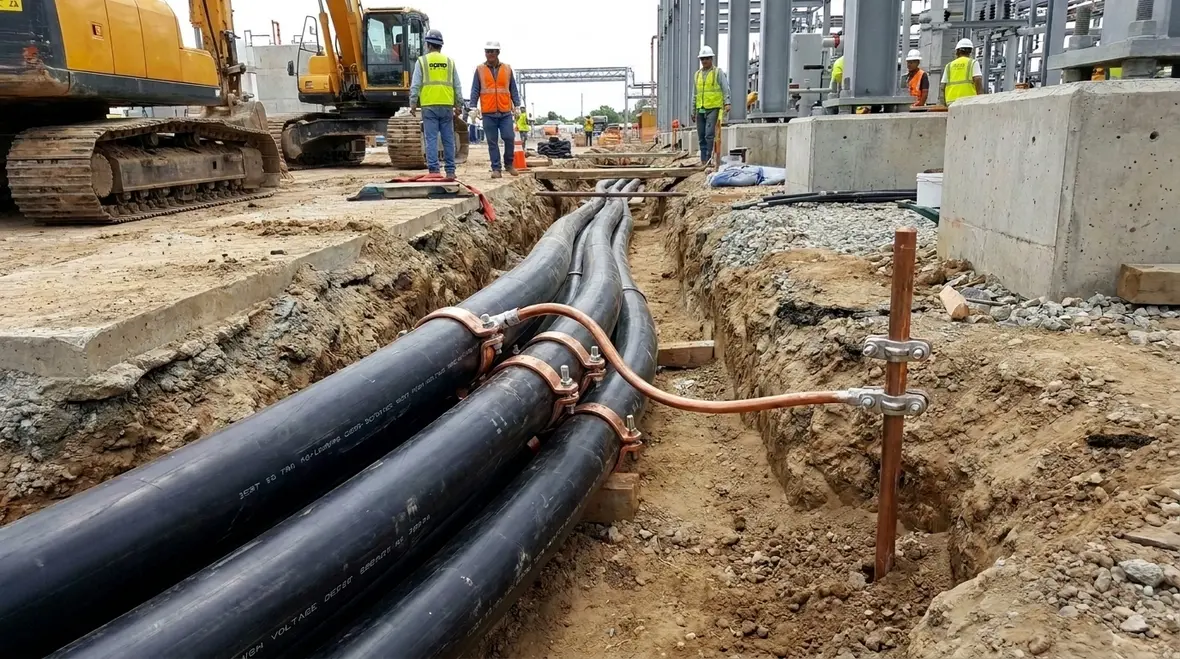
NEC underground bonding 2 kV Section 270.84 explained
NEC underground bonding 2 kV: what Section 270.84 really means for commercial and industrial sites
At Kord Electric, we deal with real electrical risk every day, not just code trivia. That is why we focus on NEC underground bonding 2 kV and how it connects directly to safety and reliability. In this article, we walk through NFPA 70 Section 270.84, which covers bonding underground service cables over 2 kV. We explain what the rule wants, why it matters, and how our expert service staff and field technicians apply it on commercial and industrial jobs.
And yes, electrical rules can feel like a never ending sequel. Still, when you follow them correctly, the plot ends with fewer surprises, fewer downtime calls, and fewer “why did this happen” meetings.
For facility leaders who want a deeper, code-wide primer alongside this high voltage bonding topic, you can pair this article with Kord Electric’s guide Understanding NFPA 70: The National Electrical Code Explained for 2026, which walks through how the broader NEC structure supports safer commercial and industrial projects.
Where Section 270.84 fits in the NEC system

Third party inspectors, facility managers, and our own technicians often ask the same thing: why does this rule appear here, in this place, in the NEC? The answer is simple. Section 270 covers wiring methods and protections, and it also addresses how underground conductors interact with the grounding and bonding scheme.
When the service cable runs underground and the voltage is over 2 kV, the NEC requires bonding steps that reduce hazardous differences in potential. In plain terms, bonding helps keep metal parts and connected conductive paths at safer, more controlled electrical levels.
Then, when a fault occurs, the system can respond in a more predictable way. Consequently, protective devices get the conditions they need, and the risk of shock to workers and damage to equipment drops.
In our service approach at Kord Electric, we do not treat this as a checkbox. We treat it as part of a larger safety plan for major property buildings, campuses, and industrial facilities. That is also why we coordinate with designers early and verify details before installation becomes expensive to redo.
On many projects, we frame Section 270.84 as one piece in a larger high voltage puzzle that also includes rules for conductors outside buildings, service ampacity, splices, raceway seals, and working space. When facility teams understand how these sections connect, they stop seeing code as random lines and start seeing it as a structured plan to keep people, equipment, and operations steady.
What bonding underground service cables over 2 kV is trying to prevent
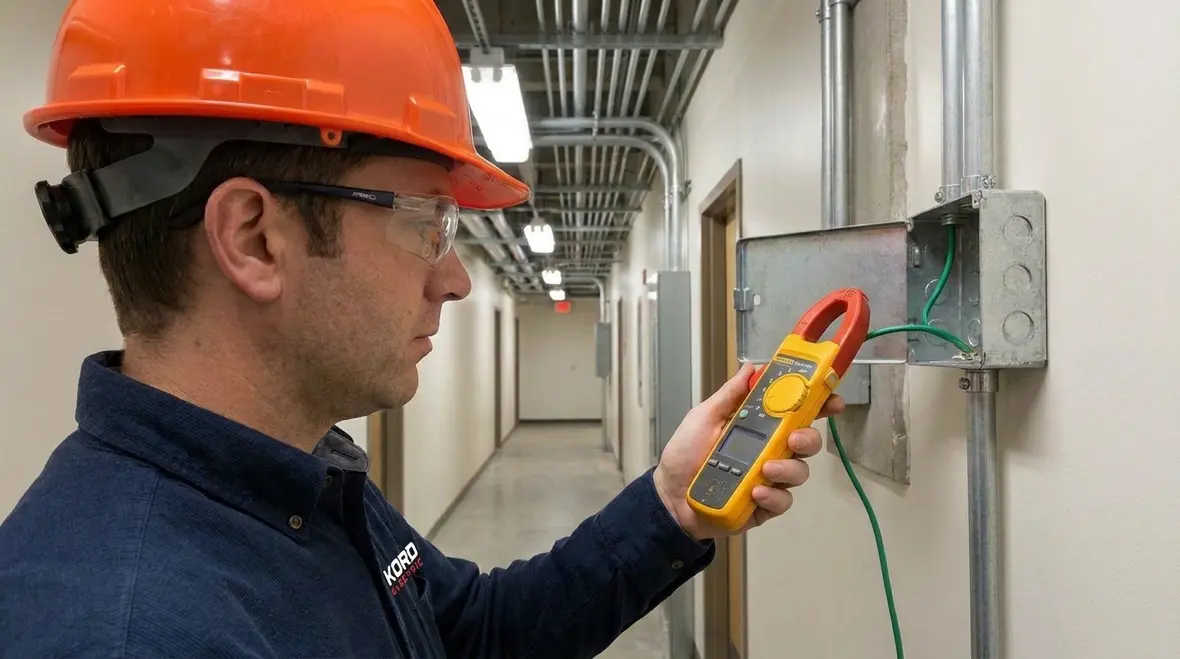
Let us walk through the problem the rule is designed to stop. When underground service cables carry high voltage, there can be fault events, insulation breakdown, or damage from excavation, equipment, or vibration. Even if those events sound rare, we see enough field realities to respect the risk.
If bonding is missing or poorly executed, conductive elements can float at different electrical potentials. As a result, a person who touches one part and another part at the same time can experience a dangerous current path.
Moreover, poor bonding can contribute to step and touch voltage hazards around equipment and buried metallic systems. Therefore, NEC underground bonding 2 kV is not just about cable metal. It is about the entire conductive network that surrounds the service, including raceways, enclosures, and other connected parts.
Our technicians explain it like this: think of bonding as the electrical version of locking doors. It does not stop every storm, but it keeps the consequences smaller and more manageable when something goes wrong.
This is also where electrical and fire protection work together. If bonding keeps metal at controlled potentials and directs fault current where it belongs, upstream devices and life safety systems get a better chance to act correctly. That includes breakers tripping on time, equipment not turning into an unplanned heater, and emergency systems staying powered instead of becoming the next failure point.
How Section 270.84 supports grounding and bonding strategy
Section 270.84 does not live in isolation. It works alongside grounding and bonding fundamentals laid out elsewhere in NFPA 70. When we review high voltage underground designs, we trace how the bonding conductors, equipment grounding conductors, and grounding electrodes form a complete, low impedance path for fault current.
For commercial and industrial sites, that strategy needs to reflect real field conditions: soil resistivity, parallel metallic paths, how service equipment is located, and how other systems like communications or fire alarms tie into the same physical space. Good bonding makes these interactions safer instead of leaving “mystery voltages” floating around your site.
How our technicians verify bonding is actually correct in the field
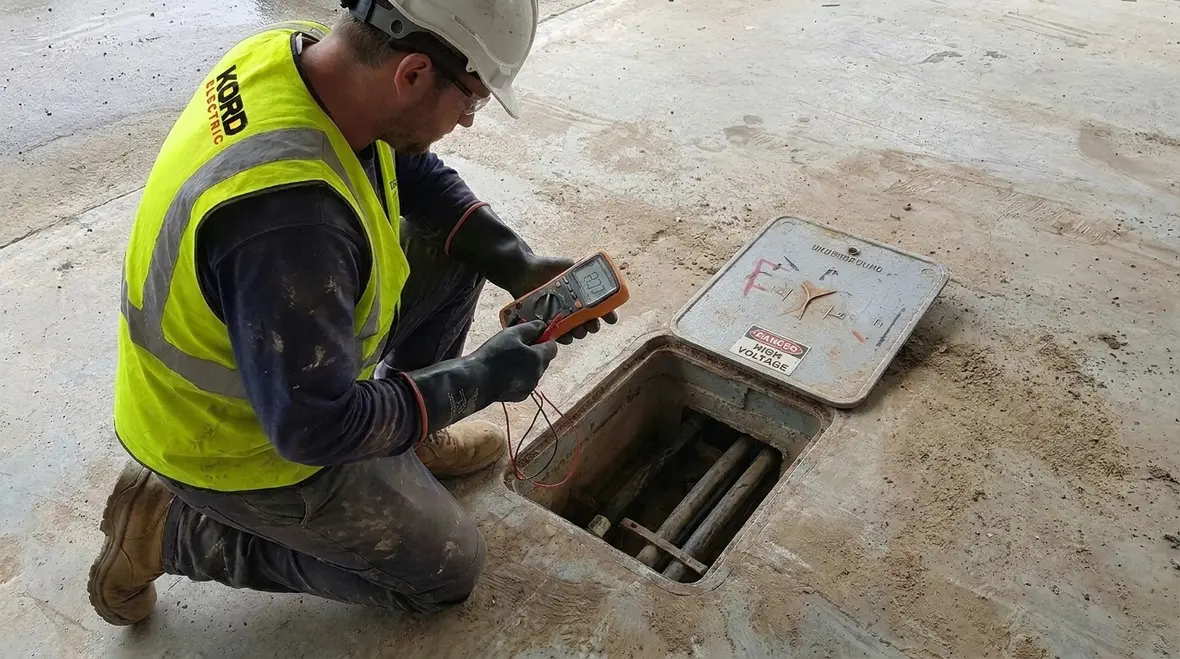
Code language matters, but outcomes matter more. So when we install or inspect, our process focuses on details that often decide whether bonding performs as intended.
Step 1: Confirm that Section 270.84 actually applies
First, we verify the service voltage and confirm that the cable type and installation method fall under the conditions that trigger Section 270.84. If the system truly operates over 2 kV and the service conductor runs underground, we treat bonding as required, not optional. We also confirm the relationship between service routing, building entry points, and how the system ties into the facility’s overall grounding and bonding design.
Step 2: Check bonding jumpers, terminations, and hardware ratings
Next, our expert service staff checks how bonding jumpers and connectors are specified and installed. Then, we confirm that connections are tight, compatible, and protected against corrosion where applicable. After that, we look at routing and physical separation so bonding does not turn into a tangled bundle that fails under real conditions.
Step 3: Verify continuity and document results
Finally, we verify continuity and proper connection points during commissioning. We explain to building teams what we found, what we corrected, and why. In commercial and industrial settings, that transparency helps facilities plan maintenance and reduces future troubleshooting time.
Also, we know someone will ask, “Can it pass inspection if it looks fine?” Sure, it might. But electrical safety is not a beauty contest. It is engineering, and our staff shows the reasoning behind every decision. When clients see the logic, not just the hardware, they are more likely to keep future work aligned with code instead of guessing.
How this ties into broader NEC planning
For teams planning larger upgrades or renovations, our NEC underground bonding 2 kV reviews often sit alongside consulting on working space, surge protection, and system modernization. That way, high voltage bonding is not a one-off conversation; it becomes part of a coordinated plan to keep your entire electrical backbone predictable and inspection ready.
Common mistakes we see around underground high voltage bonding
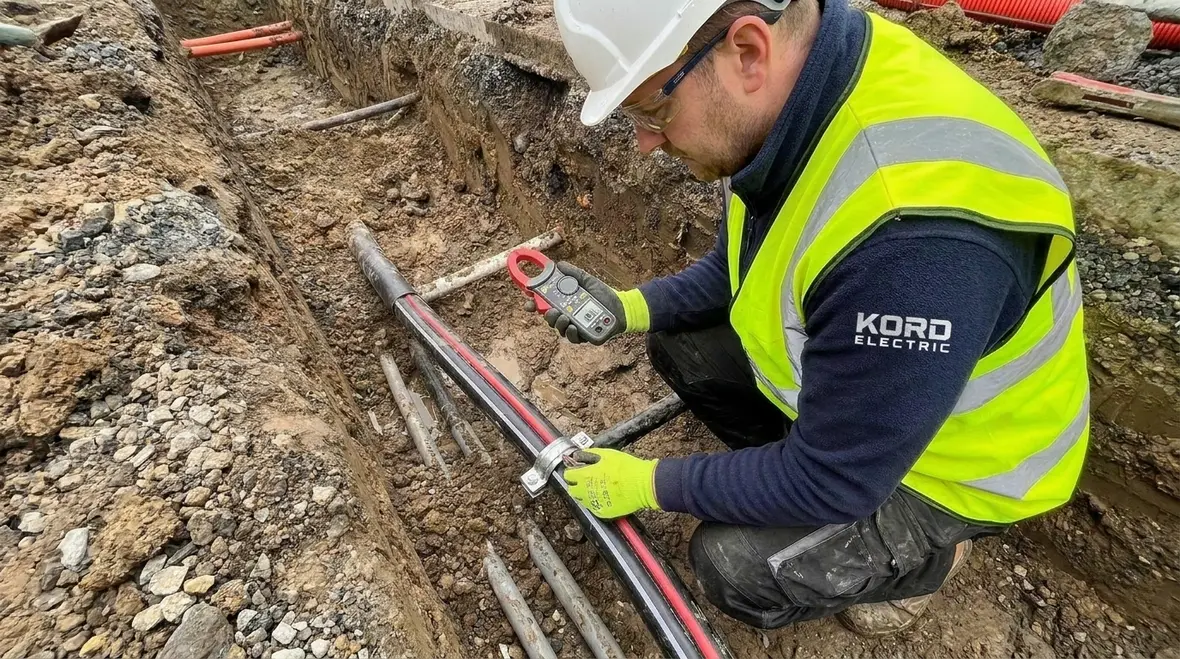
Even strong teams can stumble, mainly because underground work hides problems until it is too late. Then the job turns into a scavenger hunt with a backhoe and a calendar that hates everyone. We try to prevent that.
Incomplete bonding coverage
One common issue involves incomplete bonding coverage. A crew might bond one section and assume the rest “connects through.” Underground metallic paths do not always provide reliable bonding without intentional connections. Therefore, the system can end up with gaps.
Improper or mismatched connection hardware
Another issue is improper connection hardware. Connectors that are not rated or not compatible with the conductor or enclosure can degrade over time. Consequently, the bonding path can become unreliable even if it works at the beginning.
Corrosion, moisture, and environmental exposure
We also see corrosion and moisture intrusion. In major property buildings, underground areas often face water movement, soil chemistry, and long service intervals. If connectors and bonding jumpers do not have the right protection and installation quality, the bonding can suffer.
Bonding as an afterthought during schedule pressure
And yes, sometimes people treat bonding like an afterthought during schedule pressure. However, when you manage underground service work, you must plan bonding steps alongside conductor pulling and termination. That way, the final system matches the design, not just the timeline.
On the positive side, when bonding is designed and installed correctly from the beginning, it rarely shows up as a problem later. It just quietly does its job in the background while your facility focuses on production, not paperwork or emergency calls.
How to plan bonding during design and construction to reduce change orders
At Kord Electric, we help teams avoid rework by aligning design intent with the realities of installation. In practice, that means we coordinate early with engineers, general contractors, and facility stakeholders, especially for commercial and industrial projects and major property buildings.
Start with routing, voltages, and metallic paths
First, we confirm the service voltage, routing, and where metal parts and conductive paths exist. Then, we map bonding points before the ground gets filled. This step matters because once the trench is backfilled, fixing bonding errors often requires excavation, which nobody enjoys.
Review drawings against real field conditions
Next, we review drawings and field conditions together. Our technicians and expert service staff explain what the NEC requires and how it applies to the specific trench layout, conduit runs, and equipment locations. We do not speak in vague terms. We connect the code to the exact pieces that will be installed.
Plan checkpoints, testing, and inspection readiness
Then, we help teams plan testing and inspection checkpoints. That reduces surprises at the end, and it improves schedule reliability. In other words, we help you avoid the classic situation where everyone points fingers at the last meeting and nobody brings a shovel.
Use learning resources that make the NEC feel less like a mystery novel
For teams that also want deeper NEC background, you can explore resources from Kord Electric’s blog and KordFire’s explainers, including how the NEC is framed and applied in real projects. Those guides support how we think about safe installation and inspection and pair well with this focused look at NEC underground bonding 2 kV for Section 270.84.
FAQ for NFPA 70 Section 270.84 and NEC underground bonding
Call Kord Electric for bonding support on high voltage underground services
If your commercial or industrial facility includes underground service cables operating over 2 kV, do not leave NEC requirements to chance. At Kord Electric, our technicians and expert service staff apply NFPA 70 Section 270.84 with practical field checks, clear communication, and safety first planning. Reach out to us for design coordination, installation support, and inspection readiness. We will help your project move forward confidently, with fewer surprises and stronger electrical protection.
For owners and facility managers planning broader power system upgrades in Los Angeles County and surrounding regions, our dedicated Los Angeles County commercial and industrial electrical services help you align underground bonding, overcurrent protection, and service modernization under one coordinated strategy instead of treating each element as a separate project.
When NEC underground bonding 2 kV rules are applied correctly, they do not just satisfy an inspector. They keep your operations calm on the days when equipment is working hard, crews are busy, and nobody wants to be surprised by an electrical “plot twist.” Call Kord Electric today to line up code-compliant bonding, reliable infrastructure, and a safer future for your facility.


