
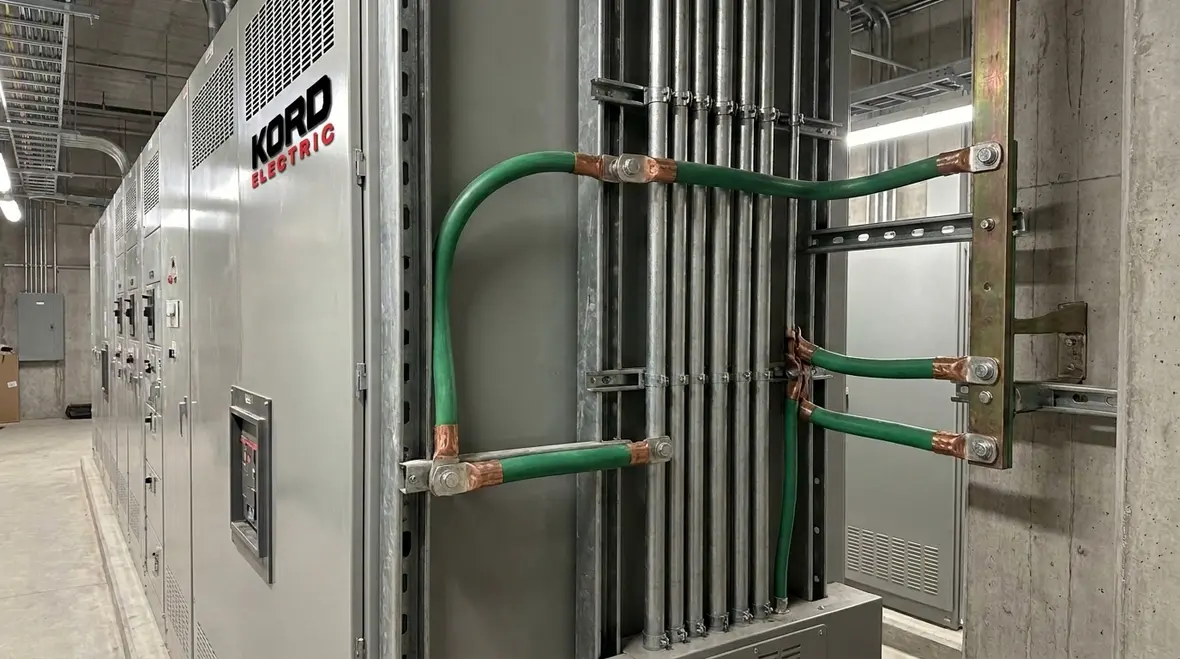
NFPA 70 Section 270.90 High Voltage Bonding and NEC 2 kV
NFPA 70 Section 270.90 and NEC bonding for high voltage systems
At Kord Electric, we work on commercial and industrial facilities and major property buildings where power systems must stay safe, stable, and predictable. In our field, we often hear the same question after someone sees a label or test report: how does NEC bonding general 2 kV fit into the bigger picture of high voltage bonding rules? Here is the calm truth. NFPA 70 Section 270.90 sets the baseline for high voltage bonding, and it focuses on making sure exposed conductive parts and system components do not become dangerous during faults. And yes, a lightning strike is dramatic, but the code aims to keep your building from turning into a surprise fireworks show.
To explain it properly, we lean on our technicians and expert service staff, because theory is nice and jobsite reality is better. They explain what each requirement means for real equipment layouts, real conductor paths, and real inspection outcomes. And we translate those outcomes into safe designs that hold up over time.
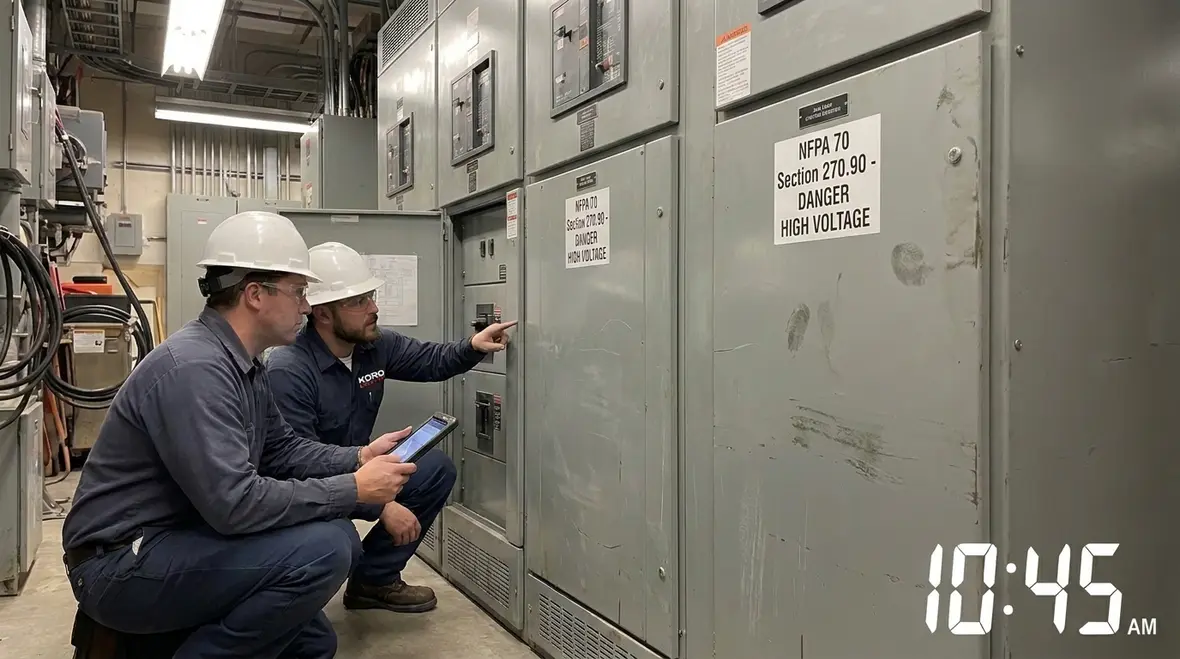
High voltage bonding: what 270.90 sets out to prevent
NFPA 70 Section 270.90 provides general requirements for high voltage bonding. In simple terms, it helps control shock and fire hazards when current flows in abnormal conditions. When a system fault happens, voltage can appear where people do not expect it. Therefore, bonding connects conductive parts so fault current has a controlled path, and so exposed metal stays at safe potential.
In commercial and industrial environments, this matters more than many people realize. Equipment sits close to walking paths. Panels get opened. Maintenance staff conduct routine work. Even when no one touches “live” parts, they might touch metal frames, enclosures, conduits, or building steel that should not become energized. Thus, the bonding rules act like a safety net.
Our team also treats these requirements like a road map. Even when a facility uses modern switchgear and cable systems, the physical installation can still create surprises. If bonding methods do not match the intent of NEC bonding general 2 kV principles, you can end up with weak connections, corrosion-prone joints, or incomplete bonding paths.
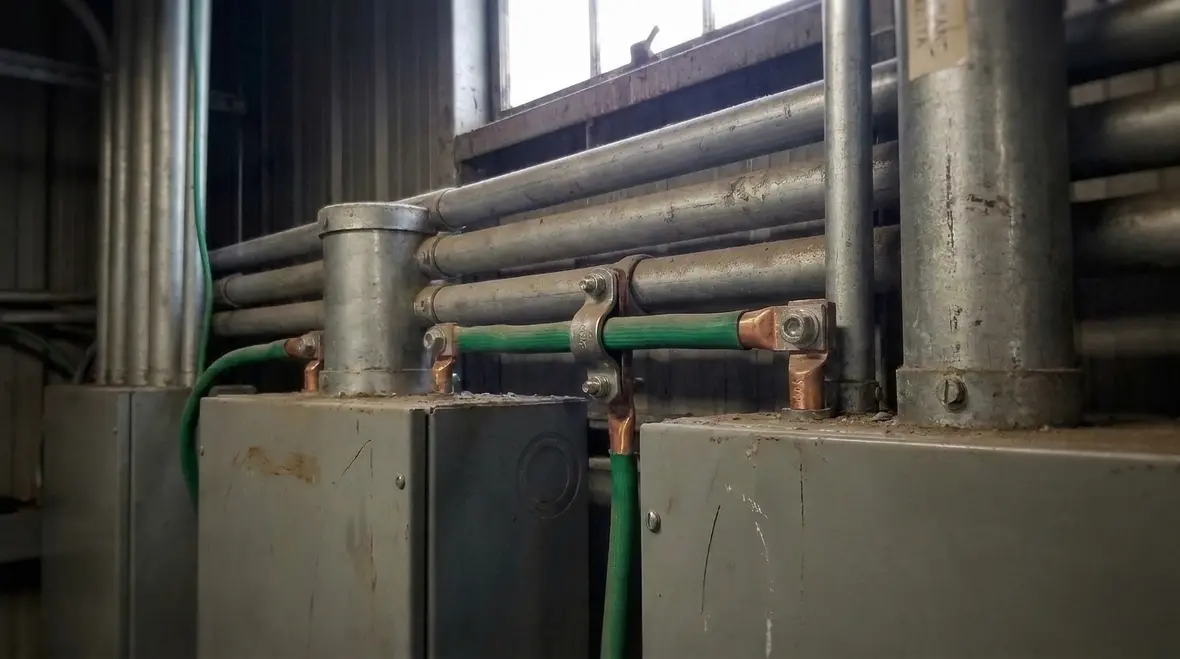
Bonding starts with clear system boundaries
Section 270.90 expects installers to understand what parts must be connected, and where the bonding should be established. High voltage systems can include conductors, enclosures, mounting frames, cable armor, raceways, and metal structures supporting equipment. So the general requirement is not just “connect everything you can see.” Instead, it follows the logic of safe fault current routing and equipotential bonding.
To make this real on a major property building, we plan around how the facility actually operates. For example, where the main switchgear sits, how cables route through floors, and how equipment rooms connect to building structure. Then we verify the bonding design matches the equipment listing and the installation instructions.
At this step, our expert service staff explains the “why” before they touch the hardware. We do that because bonding mistakes often come from rushed assumptions. In pop culture terms, it is like skipping the training montage and showing up to the final fight with no skills. The code does not care about good intentions.
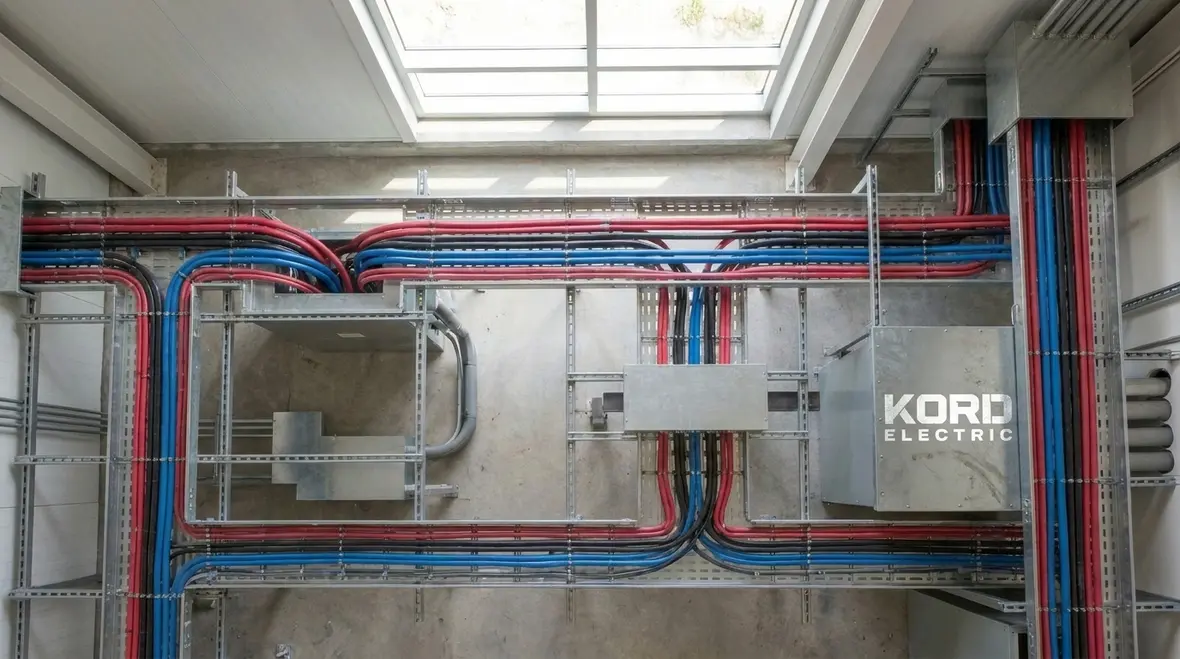
Connection quality matters more than people think
Even when two conductive parts appear connected, the connection may not perform well under fault conditions. Section 270.90 pushes toward reliable bonding. That means connections must be made in a way that maintains electrical continuity and mechanical integrity.
We emphasize proper termination methods, correct cable jacket and armor handling, and appropriate bonding jumpers where required. Furthermore, we do not treat bonding connections like disposable items. A loose connection can heat up, corrode, or loosen over time from vibration and building operations. Therefore, good bonding involves not only the first installation but also durable details that survive real life.
Our technicians apply field checks that align with practical electrical maintenance. They look for issues that create resistance or intermittent contact. Then, they address them before the system becomes an intermittent problem that only shows up during inspection day, which is the electrical world’s favorite prank.
Where equipment and raceways meet, bonding must stay continuous
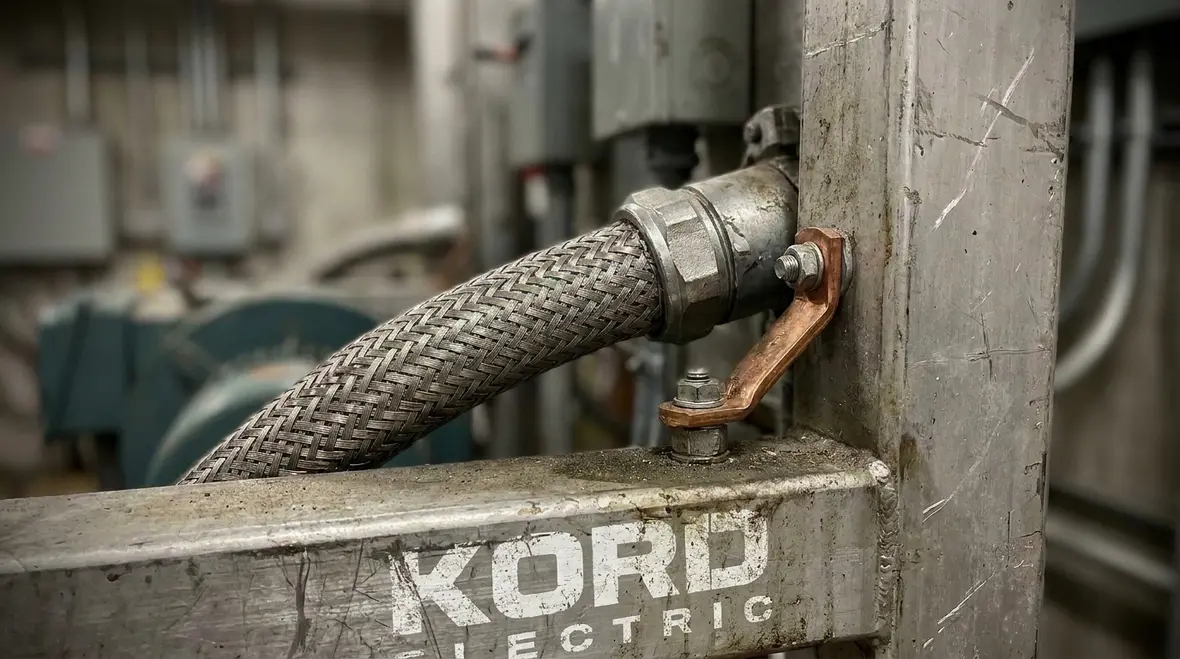
High voltage installations typically include many metal interfaces. Equipment enclosures connect to raceways. Raceways connect to boxes and fittings. Cable systems may include metallic armor or sheath. Building structures may be used for support. Each interface can become a weak link if bonding continuity breaks.
Section 270.90 is designed to prevent those breaks by supporting general high voltage bonding practices. In practice, we ensure that metallic raceways and enclosures remain effectively bonded so that fault current can follow a controlled path. We also pay attention to how routing changes between indoor rooms and cable trays, and how transitions between systems are handled.
When we work with commercial and industrial facilities, we coordinate with electrical contractors, facility managers, and maintenance teams. That coordination matters because bonding changes can affect grounding electrode systems, protective device behavior, and maintenance access. So we approach it as a system, not a set of random parts. In other words, we do not do “spot welding and hope.” We build a clear bonding plan, then implement it.
Installation considerations that affect NEC bonding general 2 kV outcomes
Requirements do not live on paper. They live in conduit bends, tray supports, equipment rooms, and the reality of construction tolerances. For NEC bonding general 2 kV applications and the intent behind them, several installation factors can shift the result.
- Material compatibility: We avoid mismatched metals that accelerate corrosion, especially in humid mechanical areas.
- Physical separation and accessibility: We keep bonding points accessible so maintenance crews can inspect them without dismantling half the electrical room.
- Routing discipline: We prevent shortcuts where installers might skip a required bond just to save time.
- Mechanical protection: We secure bonding components so they do not take a beating from vibration or moving equipment.
- Documentation: We help create records that support compliance checks during project closeout and future maintenance.
And yes, we occasionally see bonding work that looks neat from across the room but fails a continuity check close up. That is like judging a book by its cover while ignoring the fact that the cover might be taped on. Our technicians catch those issues because they know what inspectors and safety standards look for.
To support clients beyond design, we also align with the broader NEC guidance on grounding, bonding, and the National Electrical Code principles. For facility owners who want a steady baseline, we also point them to clear resources from code education partners and our own published explanations, including summaries available through Kord Fire and related code learning sites. You can review code background and safety context through Kord Fire’s NFPA 70 overview, and for regional insights you can visit Kord Fire Australia. For broader training context, we also reference educational resources that support fire and electrical safety understanding, like Fire Pumps.
If you want a deeper foundation before you dive into Section 270.90 details, you can also review Kord Electric’s own resource Understanding NFPA 70: The National Electrical Code Explained For 2026, which connects article-level rules with the broader NEC structure and helps commercial and industrial teams plan upgrades with fewer surprises.
How we verify bonding performance in the real world
Once installed, bonding must do its job. Therefore, we treat verification as a normal part of the workflow for commercial and industrial facilities. We coordinate verification after installation, and we plan rechecks where access changes after renovations.
Our expert service staff uses a practical process: review the design intent, confirm the physical installation details, and then verify that bonding continuity and equipment connections meet expectations. If a facility has older equipment, we also assess whether the bonding approach still supports current operating conditions.
In many major property buildings, expansions happen in phases. One floor gets updated this year. Next year, the facility adds a new electrical room. Then a future tenant changes the load profile. As loads and configurations evolve, bonding quality becomes even more critical, because fault energy behavior depends on the full electrical path.
We also keep the communication simple. We explain what we find, what it means, and what action we recommend. That way, facility teams do not need to play code translator on nights and weekends. Nobody should have to become a part time electrician just to understand a bonding note.
What facility owners should plan for next
NFPA 70 Section 270.90 gives a foundation. Still, facility owners and engineering teams must plan the bonding strategy across the full life cycle. That includes initial installation, documentation, access for inspection, and updates during renovations. When bonding is handled with care, the facility gains predictable performance during faults, safer maintenance routines, and smoother compliance checks.
So if your organization runs a commercial or industrial building and you want bonding to be solid from switchgear to raceways to equipment frames, we are ready. We support projects where safety, code intent, and real site conditions matter. Reach out to Kord Electric and let our team review your high voltage bonding approach, explain the requirements in plain language, and help you move forward with confidence.
For facility teams in Southern California, this often starts with a review of your existing infrastructure and a plan that ties high voltage bonding into your broader power distribution and maintenance strategy. Our Los Angeles County electrical services support commercial and industrial properties that need NEC-informed upgrades, troubleshooting, and long term reliability planning.
FAQ
Conclusion
NFPA 70 Section 270.90 matters because it sets the tone for high voltage bonding that protects people, equipment, and operations. When we handle bonding for commercial and industrial facilities, we treat it like a system: clear boundaries, strong connections, and verification that matches how your building actually runs. Our technicians and expert service staff explain what we see and why it matters, so you can make confident decisions. Call Kord Electric today and let us review your high voltage bonding plan with care.


