
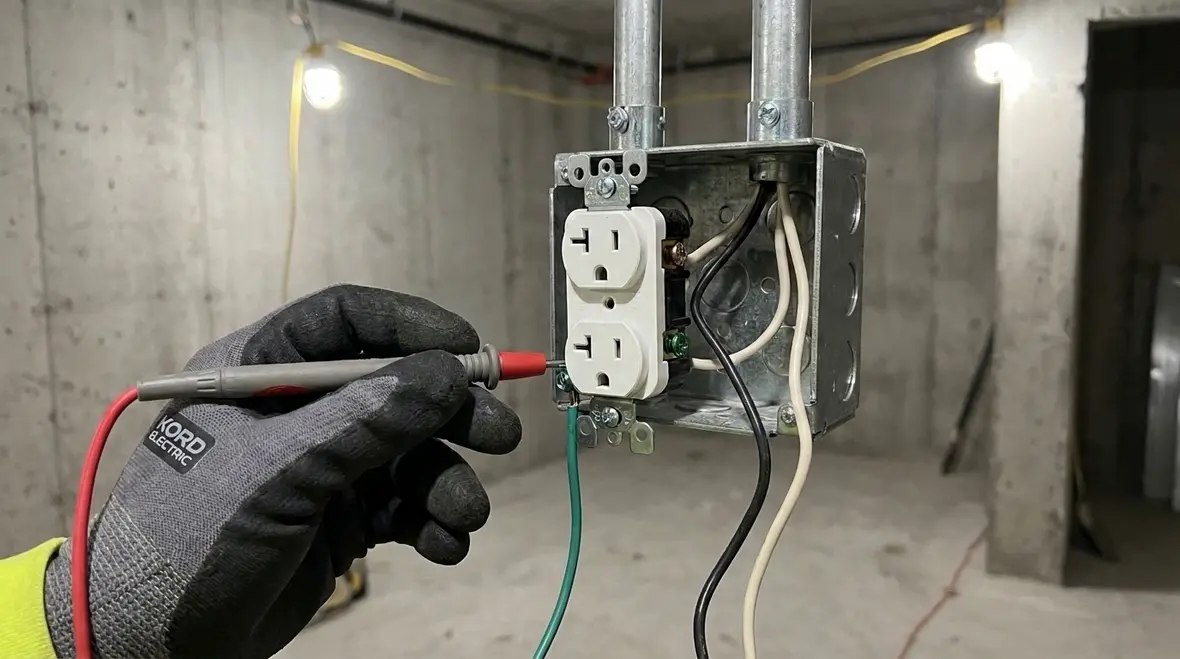
NEC Wiring Device Terminal ID Under 250.126
At Kord Electric, we work with commercial and industrial facilities where code details matter, not just because the inspector shows up, but because electrons do not care about our opinions. When we review NEC wiring device terminal ID, we start with clarity. Specifically, NFPA 70 Section 250.126 tells us how to identify grounding terminals on wiring devices, so the right conductor lands where it must. In plain terms, we help our teams and your crews confirm the right grounding terminal before anything gets energized. And yes, we have seen enough “close enough” terminations to last a lifetime. One technician once said the device looked grounded, and the device clearly thought otherwise. So we take the standard seriously, step by step.
NEC wiring device terminal ID and why 250.126 gets attention
NFPA 70 Section 250.126 focuses on identifying the grounding terminals for wiring devices. When we follow it, we reduce the chance that someone connects the equipment grounding conductor to the wrong place. As a result, the metal parts of enclosures and devices stay properly bonded, and fault current has a clear path back to the source.
Now, here is the part that keeps projects moving smoothly. When the grounding terminal is correctly identified, commissioning and troubleshooting get faster. Therefore, our technicians spend time up front confirming terminal markings and device construction. Even if the rest of the wiring looks clean, an incorrect grounding connection can still create shock hazards, nuisance faults, and failures that show up weeks later. And by then, everyone is busy, tired, and suddenly very interested in blame. We prefer we prevent that story before it starts.
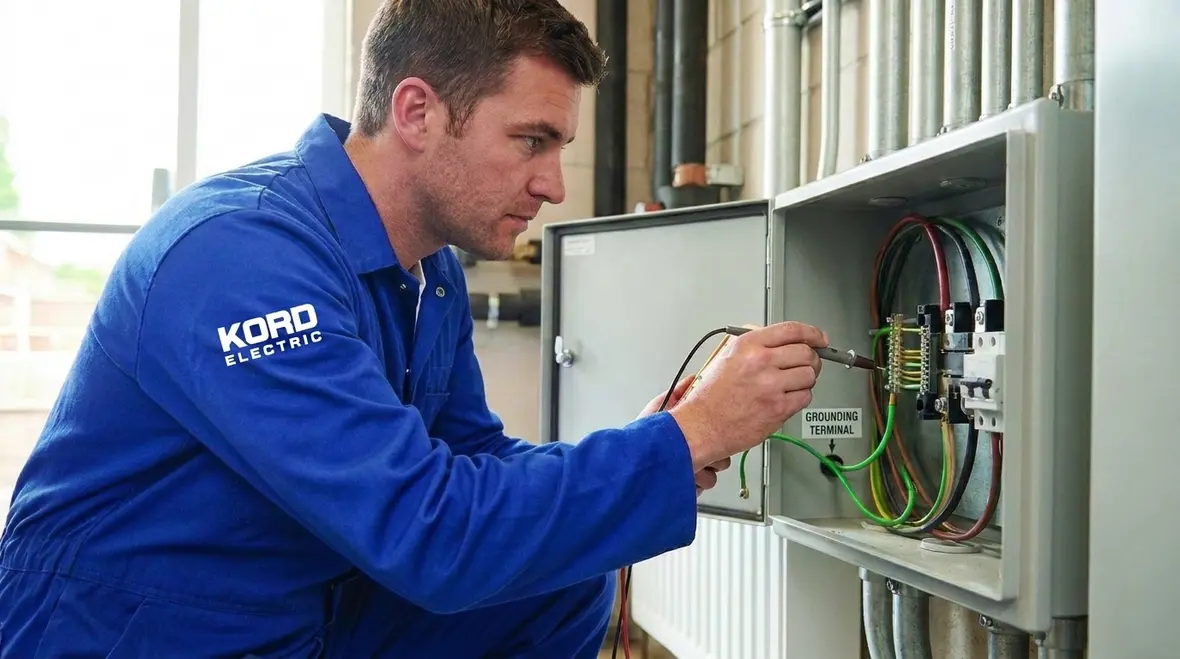
What NFPA 70 Section 250.126 requires for grounding terminal identification
Section 250.126 requires that grounding terminals on wiring devices be identified in a way that helps installers connect to the correct terminal. In practice, we look for labeling on the device itself, such as specific markings that indicate the grounding connection point. However, we do not treat identification as a “hope and pray” exercise. We treat it as an engineering check.
As we explain to facility teams, the goal is simple: the grounding terminal should be obvious to the installer and consistent with the device’s intended use. When a device offers separate terminals for line, load, and ground, the grounding terminal must be identified so it does not get mixed during installation or later service. Additionally, our expert service staff remind crews that labeling does not replace correct installation. It supports it.
For large propertie buildings and industrial sites, we often coordinate with electricians, general contractors, and electrical designers. Because of that, we keep documentation and install steps aligned with NFPA 70 requirements. In other words, we help the whole job understand the same grounding story, not a different version from every trade partner.
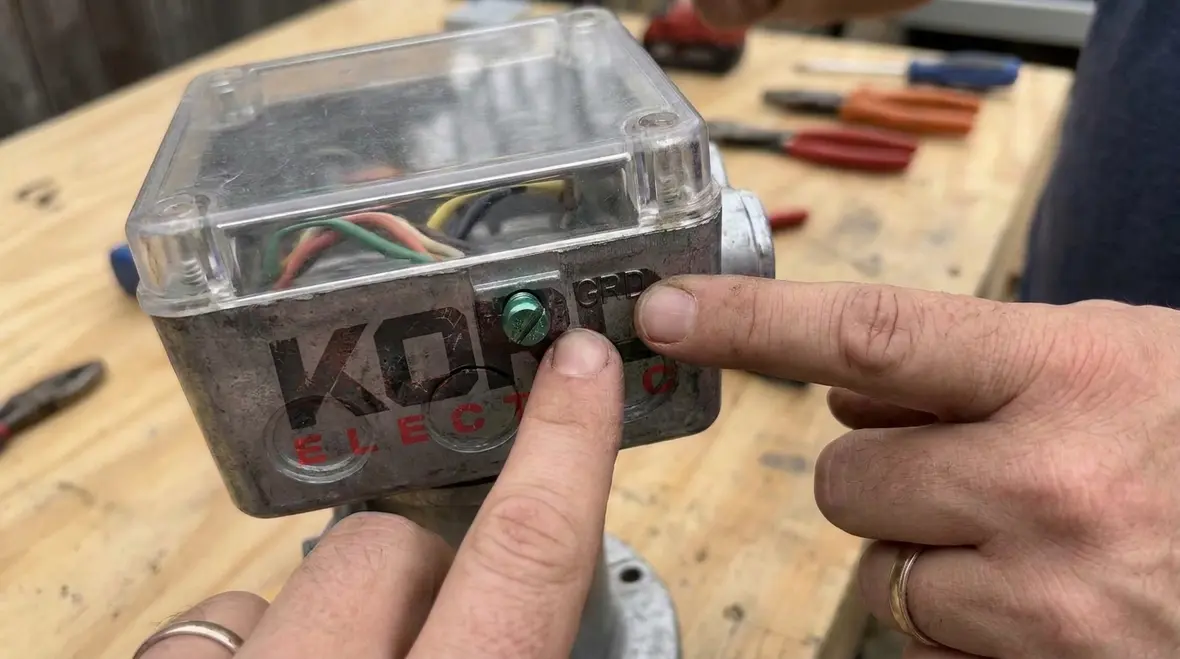
How we verify grounding terminal markings on wiring devices
When we show up for commercial and industrial work, we do not rely on memory, and we definitely do not rely on “the last guy did it.” Instead, we perform a practical verification process. First, we confirm the device type and rating. Then, we inspect the grounding terminal area for the identification required by NFPA 70 Section 250.126. Next, we compare the terminal markings to the device’s wiring scheme and installation instructions.
After that, we check the installation method. We verify that the equipment grounding conductor connects to the identified terminal. We also confirm that the conductor route and termination do not interfere with the device’s mechanical integrity. For instance, we avoid pinched wiring, loose terminations, or setups where the conductor gets stressed during cover installation.
Finally, we document what we found, because good records reduce rework. Transitioning from construction to turnover is hard enough, and facilities deserve a handoff that does not require detective work. We build that confidence with our approach.
As our team reminds people, grounding is not a suggestion. It is a safety function. If grounding feels like “just one more step,” it helps to remember that safety steps are the ones that get rewarded only when something goes wrong. Then everybody wants credit, and nobody wants to wait. We aim to stop that problem early.
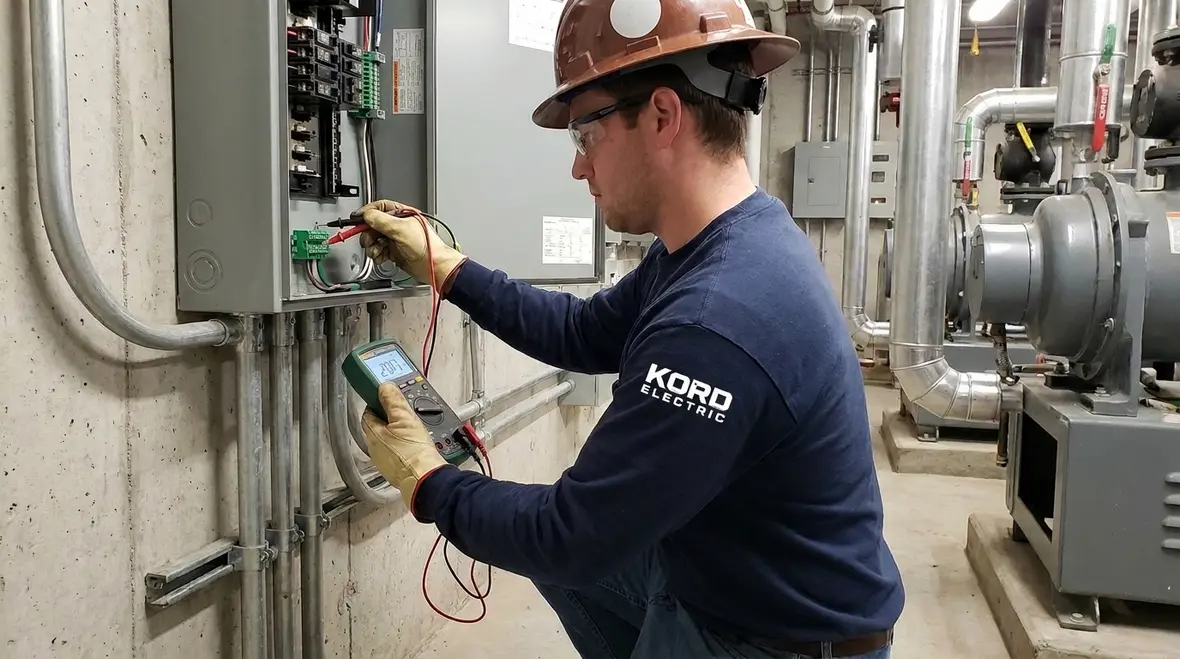
Common jobsite mistakes and how our technicians prevent them
On major projects, mistakes usually come from speed, mixed device models, or rushed modifications. One common mistake involves misreading terminal markings, especially when devices look similar. Another involves swapping conductors during troubleshooting, because someone is chasing a symptom instead of checking a grounding path.
In addition, crews sometimes treat the grounding terminal as optional if the raceway or box seems connected. However, the correct bonding depends on the grounding terminal identification and the actual termination. Therefore, even when a metal box appears grounded, we still confirm the conductor lands on the grounding terminal designated by the device and required by the standard.
We also watch for changes over time. Later service work can introduce mix ups, especially when multiple device types exist on the same floor. Consequently, our expert service staff labels and verifies key points so future work stays safe. We like future teams more when they do not inherit surprises.
And yes, occasionally we hear a joke like, “It’s grounded, right?” as if grounding depends on vibes. Vibes do not carry fault current. Conductors do. So we keep the conversation practical and the job calm.
Why proper grounding terminal ID supports safety and reliability
Proper identification under NFPA 70 matters because it shapes how fault conditions behave. When a fault occurs, the grounding system provides the route for current to travel so protective devices can operate. That operation limits damage, reduces hazard, and helps keep equipment functional.
Moreover, correct terminal identification supports consistent performance during testing. When we perform verification on commercial and industrial equipment circuits, we often see fewer intermittent issues. That means fewer calls after hours. It also means fewer shutdowns that disrupt production schedules or tenant operations.
We also consider reliability during ongoing maintenance. Buildings with complex tenant loads or industrial process equipment need a grounding system that stays predictable. If the grounding conductor is connected to an incorrect terminal, the system can behave in ways that look random. Random behavior is fun in movies. In electrical systems, random behavior is where budgets go to disappear.
For facility teams who want to zoom out from this one section and review the broader NEC framework, resources like Understanding NFPA 70: The National Electrical Code Explained for 2026 help connect grounding requirements to the larger rulebook your project already has to follow.
Commercial and industrial best practices for major property installations
For commercial and industrial facilities, we build a repeatable method. First, we standardize device selections and wiring practices across floors and zones where possible. Next, we require that installers match each device’s grounding terminal identification to the wiring plan. Then, we set a verification routine for turnover.
In big buildings, we also coordinate with project timelines. So we plan verification windows so crews can address issues without rushing at the end. As a result, we reduce change orders and keep the schedule intact.
Because this work often includes life safety adjacent systems, we treat grounding verification like a core safety task. We support the same approach described in the NEC and related NFPA guidance, which focuses on consistent, clearly identified grounding connections. And while this article focuses on Section 250.126, our field staff keeps the bigger code picture in mind, including how raceways, boxes, and equipment interfaces work together.
If you are building or upgrading a major property, we also help teams align electrical documentation with what gets installed. That matters when facilities later expand, reconfigure, or service equipment. Proper terminal identification today prevents expensive confusion tomorrow.
When facilities want this level of discipline applied across broader systems, they often pair grounding-focused reviews with services outlined on our Los Angeles County electrical services page so code checks and field work stay synchronized.
FAQ
Conclusion and next steps with Kord Electric
When your facility needs electrical work done with calm precision, Kord Electric delivers. Our technicians and expert service staff verify grounding terminal identification under NFPA 70 Section 250.126 and confirm correct NEC wiring device terminal ID practices across commercial and industrial projects. If you are planning an install, upgrade, or service call for a major property, we can review device terminations, documentation, and field conditions so the job stays safe and predictable. Call us, and we will bring order to the wiring chaos. No magic, just code and competence.
If you want to connect this detailed device-level work with your broader NEC planning, you can pair a grounding review with a code strategy session based on our articles like “Understanding NFPA 70: The National Electrical Code Explained for 2026” or “How to Read NFPA 70 National Electrical Code.” That way, individual terminations, NEC wiring device terminal ID usage, and system-wide upgrades all follow the same rulebook and the same practical game plan.


