
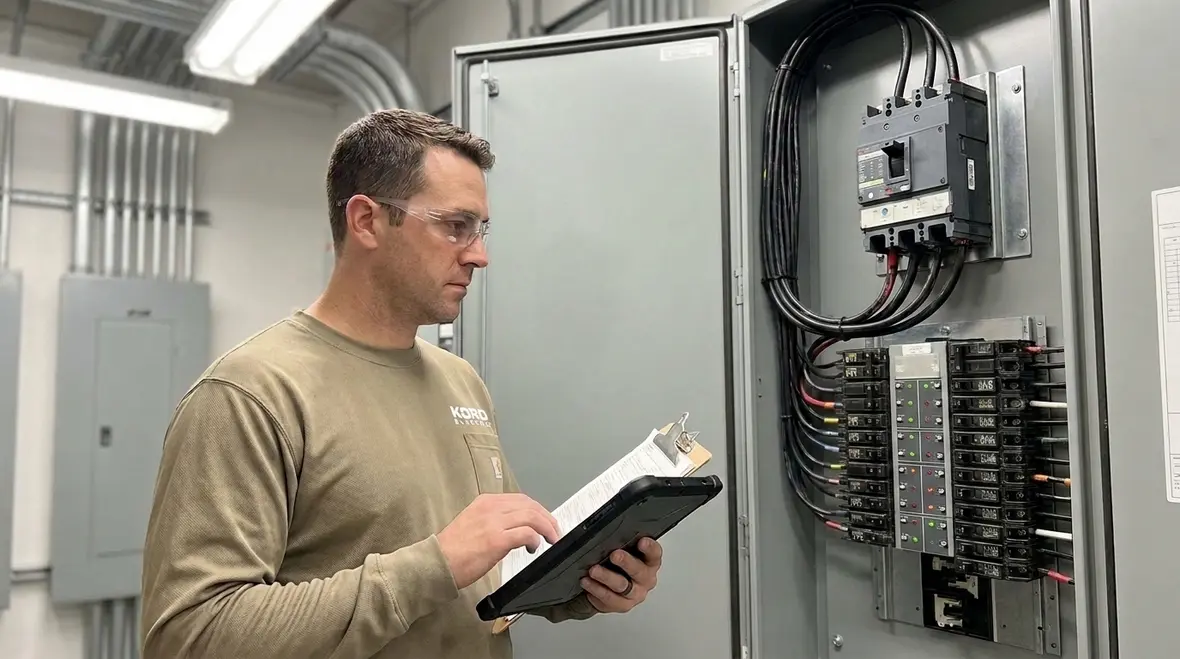
NFPA 70 240.11 Selective Coordination for Critical Loads
When a facility loses power, the damage is rarely limited to lights going out. In many commercial and industrial buildings, a short outage can shut down production, interrupt critical life safety systems, and trigger expensive downtime. That is why we at Kord Electric take NEC selective coordination requirements seriously, especially under NFPA 70 Section 240.11. This section pushes engineers and electricians to design protection so that faults clear at the right level, the first time. In other words, instead of letting every breaker “panic and pull the fire alarm on the whole building,” the system should isolate the problem, keep the rest running, and protect people and equipment. And yes, we see it in the real world: the wrong coordination can turn a small issue into a campus wide drama.
What NFPA 70 240.11 really requires for critical loads
Third person perspective matters here, because the decision is bigger than a single technician and bigger than one panel schedule. Under NFPA 70 Section 240.11, the goal centers on selective coordination for circuits that serve critical operations. To achieve that, the equipment ratings and time current curves must work together. When a fault happens, the upstream protective device must not operate if a downstream protective device can clear the fault within its own time limits.
In practical terms, the system needs a layered protection plan. Therefore, the overcurrent devices must “agree” with each other across the distribution path. The protection must allow normal load currents to pass. Then, when a fault occurs, it must trip only the device closest to the fault, within a predictable time window. If it does not, the system becomes unpredictable, and uncertainty is the enemy of uptime.
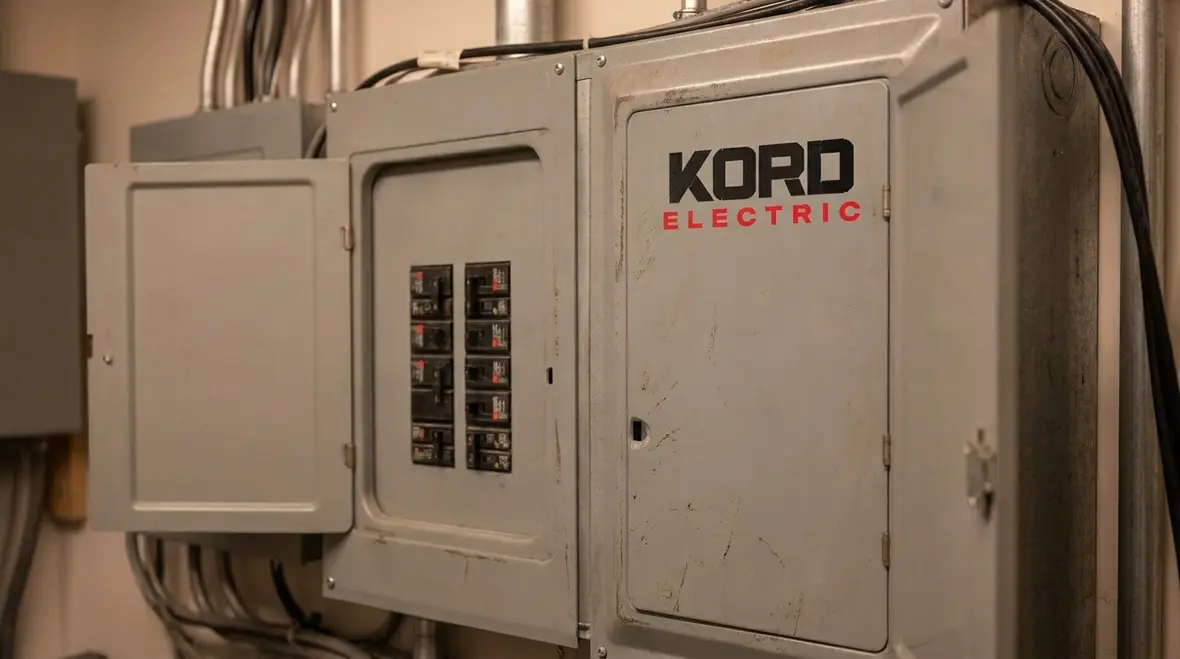
Why selective coordination matters more in commercial and industrial buildings
Commercial and industrial facilities live and breathe on continuity. For major property buildings, hospitals, manufacturing lines, and large commercial operations, the cost of a mistake is not theoretical. Production can stop. Conveyance systems can fail. Pumps, control systems, and refrigeration can lose voltage long enough to create secondary failures.
However, coordination is not only about “staying on.” It is also about limiting fault energy and reducing the chance of damage spreading. When the wrong breaker trips, the building loses power where it should still have support. Meanwhile, the root cause remains in the field, waiting for the next restart attempt. As a result, teams waste time resetting equipment instead of restoring safe service.
Our team does not treat these requirements as paperwork. Instead, our expert service staff and technicians review the protection scheme with the same calm focus you would want near a live bus duct. We explain the selections step by step, in plain language, because operators and facility managers deserve clarity, not mystery math.

How engineers use time current curves to prevent unnecessary trips
If one idea can guide everything, it is this: time current curves must match the protection goal. Under NFPA 70 Section 240.11, selective coordination depends on how devices behave across a fault range. Therefore, the design should show that for each likely fault level, the downstream device clears first. If the upstream device clears too quickly, the system loses more than necessary.
Engineers typically evaluate the coordination using breaker and fuse curves. Then, they check settings where electronic trip units allow specific delays. Next, they verify that the fault current at the downstream device exceeds the pickup range and clears within the intended time window.
In the field, our technicians confirm the design assumptions. We check equipment labels, verify device types, and confirm the actual settings in the panels we serve. After that, we document what we found and what we recommend. When the curve match is unclear, we do not shrug. We dig deeper. Because nothing ruins a business day faster than a breaker that “should have stayed on” and then did not.
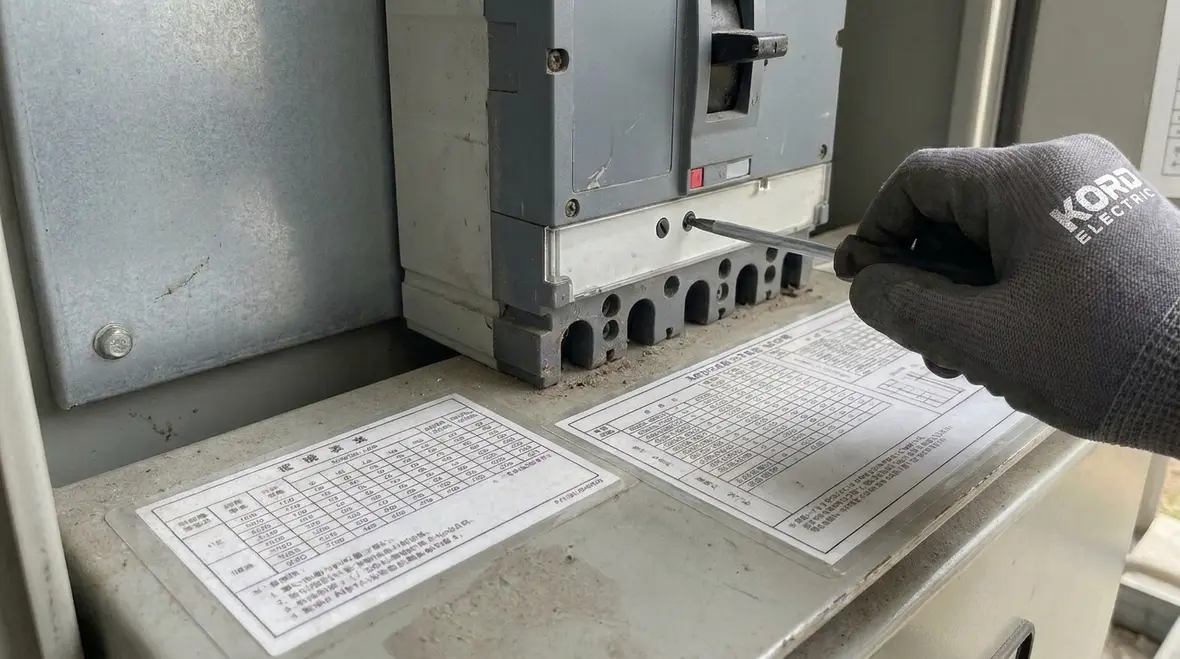
Selective coordination with multiple devices across the electrical distribution
Most facilities do not run on one breaker and a prayer. They run on layers: utility interface, main service, feeders, branch panels, and final subcircuits. Thus, coordination must cover multiple points and multiple devices.
For example, in a distribution system that includes molded case circuit breakers, fused switches, and branch protection, the selection strategy must cover how each type responds. Some devices operate with instantaneous elements. Others use adjustable delay bands. Therefore, the coordination study must account for device behavior at different currents.
Furthermore, critical operations often include control power, motor loads, and equipment that creates high inrush at startup. That means coordination must allow starting currents without nuisance trips. It also means the design must handle fault currents that jump quickly during short circuits. When engineers ignore inrush and startup behavior, facilities can experience repeated trips that look like “random” failures. Yet those failures usually repeat with patterns.
Our service staff helps teams connect the dots. In many cases, facility leaders ask why a protection plan that looked correct on paper still trips during certain operations. We explain how inrush, load type, and device curve overlap shape the real outcome. Then, we recommend adjustments that support reliable critical operations without causing building wide outages.
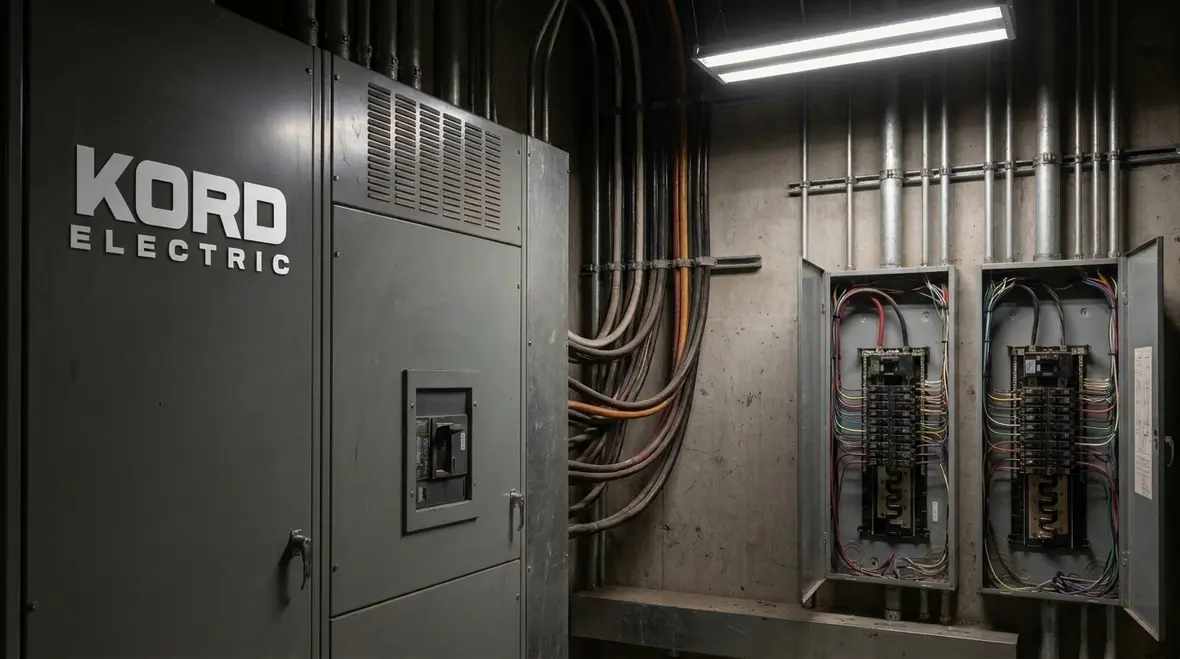
Steps we use to verify selective coordination at existing facilities
Many clients already have an installed system. So, instead of starting from scratch, we validate what is there and what can be improved. Commercial and industrial electrical systems often change over time, through remodels, added loads, and equipment swaps. Consequently, the original coordination intent can drift.
We at Kord Electric follow a disciplined process tailored to major property buildings and commercial and industrial sites:
- Review documents and device types so we understand the intended protection layers.
- Confirm settings and configuration including trip unit adjustments and any selectable features.
- Match equipment data to the time current curve strategy so selective behavior is possible over the expected fault range.
- Check for mismatches such as device replacements or feeder changes that alter short circuit behavior.
- Coordinate with the facility team so the plan supports operations during normal use, not only during tests.
To keep things clear, we explain findings in plain terms. Our technicians do not bury answers in jargon. Instead, we map problems to outcomes, and we show what selective coordination accomplishes when the facility needs it most. If a repair or setting change is recommended, we describe the impact on uptime and fault isolation.
Common mistakes that break coordination and create costly downtime
Even careful teams can fall into predictable traps. First, they may swap a device with a similar-looking model but different trip characteristics. Second, they may adjust settings without confirming how upstream and downstream devices interact. Third, they may rely on outdated single line diagrams after the facility adds new loads.
Moreover, some systems fail coordination because of curve overlap. If the time range of an upstream device overlaps the clearing time of a downstream device, the fault may clear in the wrong place. Then, the entire distribution segment might shut down when only a branch issue existed.
There is also the “assumption” problem. People assume that because a breaker has a higher rating, it will behave slower or will always stay upstream. In practice, the coordination depends on curve shape, pickup, instantaneous behavior, and time delay settings. Ratings help, yet they do not guarantee selective outcomes.
Finally, teams sometimes treat selective coordination as a one time check. However, equipment ages, settings drift, and maintenance changes can affect how protection performs. So, verification should not stop after commissioning. It should continue when the site grows, when loads change, and when equipment is replaced.
How our approach supports code intent and reliable service
Third person might describe this as technical diligence, yet in plain words it feels like calm follow through. We at Kord Electric serve commercial and industrial facilities and major property buildings, and we focus on protection schemes that help critical operations keep running. We use the requirements in NFPA 70 Section 240.11 as the guiding intent. Then, we translate that intent into practical coordination steps that reduce unnecessary trips and improve fault isolation.
Our technicians and expert service staff explain the reasoning. They walk facility teams through what selective coordination means, why time current curves matter, and how changes affect the building. We also coordinate across trades when upgrades touch panels, feeders, or electrical rooms, because good coordination rarely lives in one silo.
And yes, we keep it professional, but we also keep it human. Electrical coordination can feel like a heavy movie plot, full of numbers and timelines. We help teams see the ending: fewer outages, faster recovery, and protection that does not act like it got confused and hit the wrong button.
If you are looking for deeper background on how NFPA 70 shapes modern electrical design, our related guide Understanding NFPA 70: The National Electrical Code Explained For 2026 walks through the broader code framework that sits behind these coordination decisions.
FAQ about NFPA 70 240.11 and selective coordination
Request a coordination review with Kord Electric
When a facility depends on uptime, the protection system should behave with intention, not randomness. Kord Electric helps commercial and industrial facilities and major property buildings verify and improve selective coordination aligned with NFPA 70 Section 240.11. Our technicians review your equipment, confirm settings, and explain what needs to change so critical operations stay online. If you want fewer nuisance trips and better fault isolation, contact us for an electrical coordination review. We will keep the process clear, calm, and actionable, because your building should not gamble with power.
For facilities across the region that need broader electrical support alongside selective coordination studies, our Los Angeles County electrical services team provides installation, upgrades, and troubleshooting built around the same focus on uptime, safety, and clear communication.
If you are planning a larger upgrade or new project where coordination, fault studies, and power reliability all come together, our planning resources such as the Kord Electric blog on building electrical system design for commercial facilities can also help you frame the right questions before work begins. A coordination review often fits naturally into that bigger planning picture.
From here, the next step is simple: bring us your current one line, your pain points, and your uptime goals. We will connect the dots between NEC selective coordination requirements, your equipment, and the way your building actually runs day to day.


