
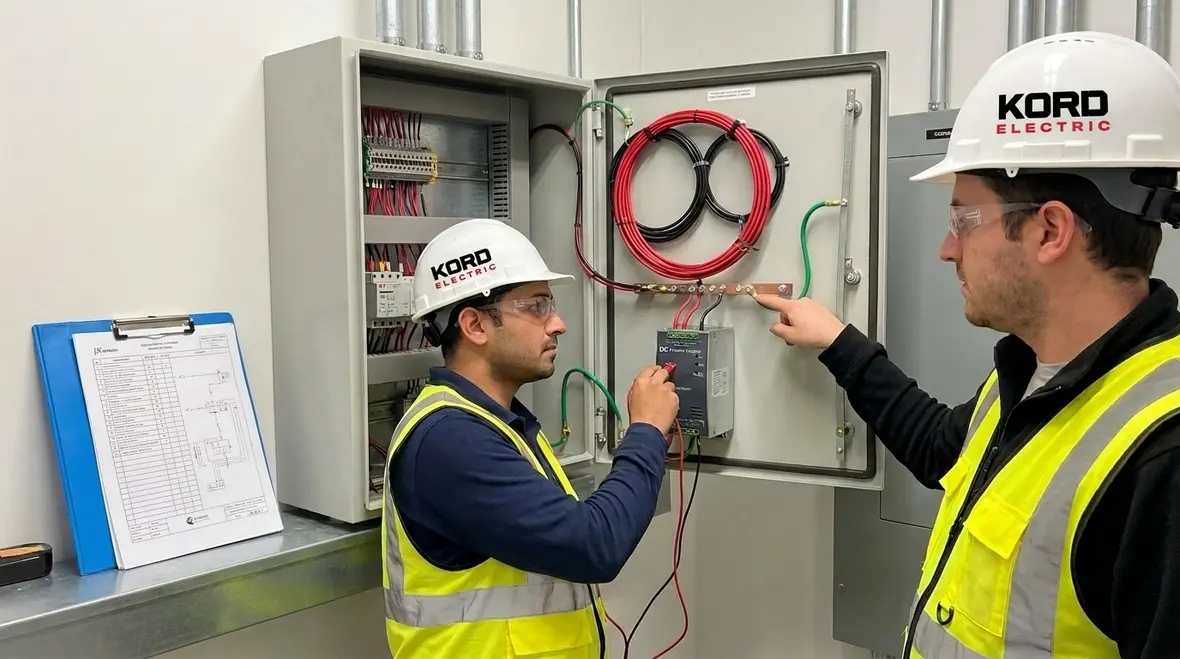
NFPA 70 250.162 NEC DC System Grounding Compliance
Kord Electric helps commercial and industrial facilities keep their electrical safety tight, and we start with one core idea: NEC DC system grounding. In our work, we follow the rules that keep DC circuits and systems from becoming shock hazards or fire starters. When we explain NFPA 70 Section 250.162, our expert service staff does it in plain terms, because a good system deserves clear answers. And yes, we have seen the same misunderstanding show up more than once, like a sitcom plot that refuses to end. Still, the fix is always practical: understand what must be grounded, confirm how grounding gets done, and document it so the facility stays compliant.
NFPA 70 250.162: what it requires for DC circuits
In plain language, NFPA 70 Section 250.162 sets the grounding expectations for DC circuits and systems that must be grounded. First, the NEC focuses on safety outcomes, so it requires grounding where ungrounded operation could raise risk. Next, it uses grounding to help equipment stay at stable voltage levels during normal operation and during faults. As a result, protective paths work as intended.
However, the code does not treat every DC system the same. Instead, it targets the DC circuits and systems where grounding makes the most difference for fault clearing and shock risk control. Therefore, our technicians at Kord Electric treat 250.162 as a “must check” step during design review and service work for commercial and industrial buildings.
To make this easier for facility managers, we break the process down like this: identify the DC systems in the building, match them to the scope of 250.162, and then confirm the grounding method. That way, the answer does not live only in a binder. It becomes part of the installed reality.
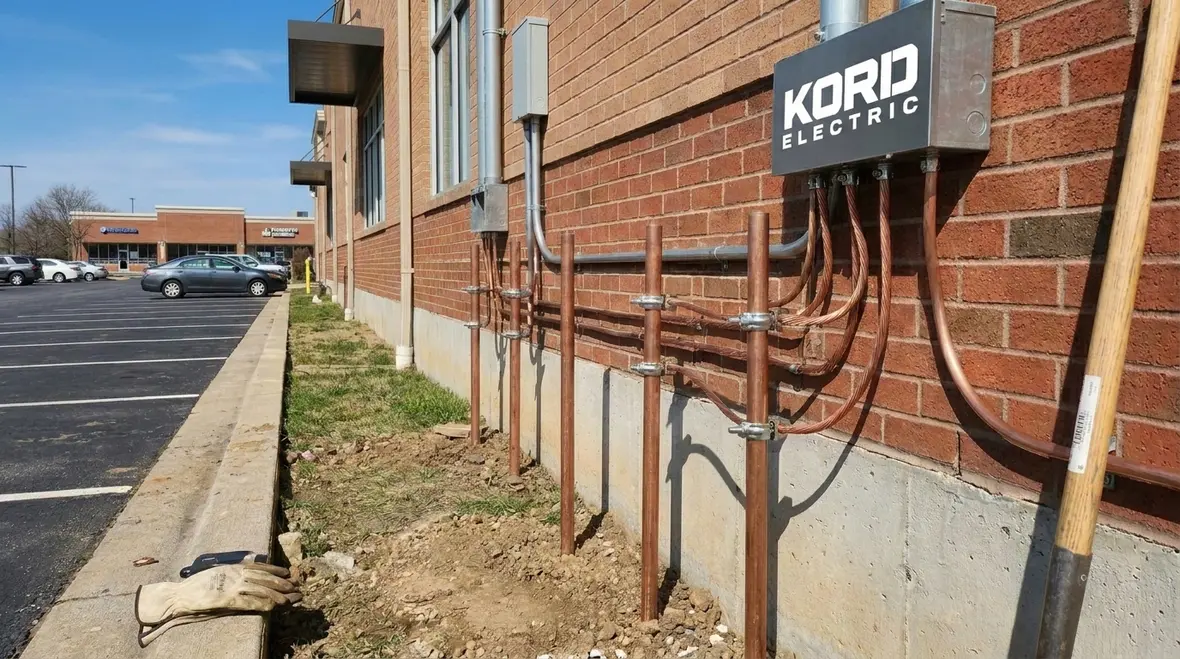
Why NEC DC system grounding matters in real buildings
DC systems show up in many major property buildings. For example, they can power controls, provide standby support, and support certain communications and process needs. Yet DC behaves differently than AC. When a fault occurs, the energy and the fault path can act in ways that make safety more complex. That is exactly why NEC DC system grounding matters.
Grounding helps in three main ways. First, it provides a stable reference point. Second, it supports the performance of overcurrent and fault protection by giving faults a predictable path. Third, it reduces the chance that exposed conductive parts rise to dangerous voltage levels.
And while we are on the subject of dangerous voltage levels, let us say this calmly: people do not need electricity to surprise them. The goal is predictability. Our expert service staff explains this relationship between grounding and fault behavior so stakeholders understand why the wiring choices matter, long after the inspection checklists are closed.
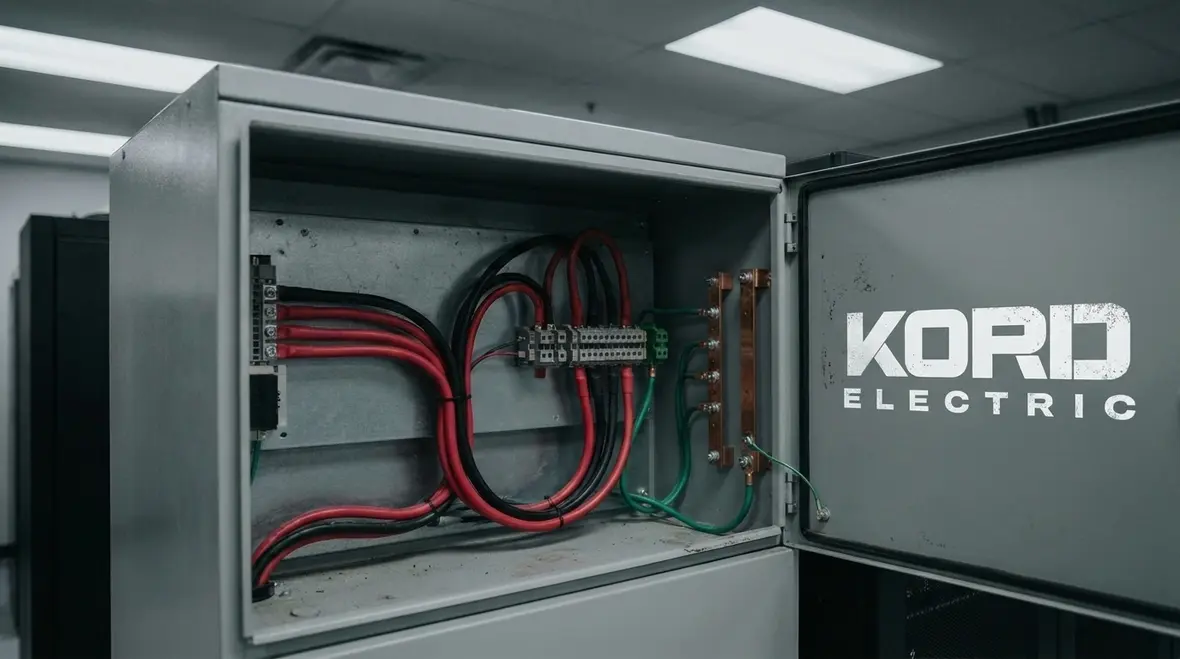
Common DC systems that often fall under 250.162
Not every DC circuit in a building triggers the same grounding requirement. Still, in commercial and industrial facilities, several DC systems frequently come up during planning and service visits. Because we work with major property buildings, we often see these themes repeat.
Typical examples include DC systems tied to power distribution, control power, and certain auxiliary or standby configurations. In these cases, the system design and the way the circuit connects to equipment determine whether grounding is required under the 250.162 ruleset.
To avoid guesswork, we do what good teams always do: we verify the system type, we review the installation intent, and we test how the system is actually built. Then we map those findings back to NFPA 70 requirements. In short, we do not treat grounding like a “good idea.” We treat it like an engineered safety feature.
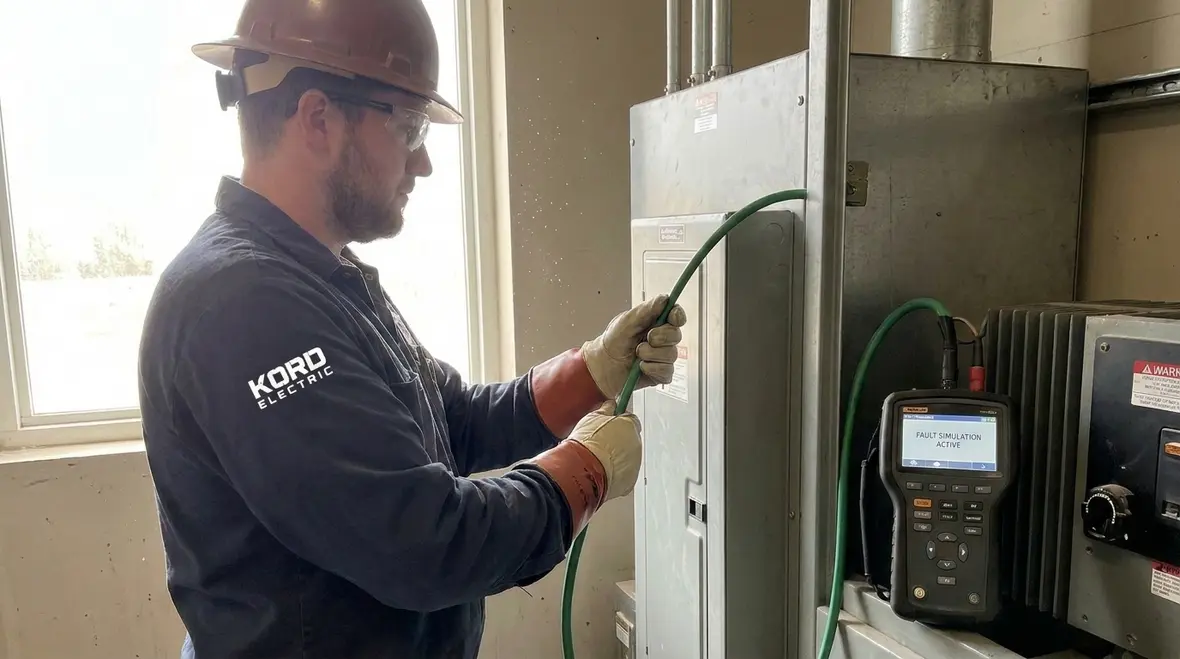
How grounding protects people during faults
When a DC fault occurs, grounding helps the system respond in a safer way. First, grounding can limit how far conductive parts drift from expected reference conditions. Second, it can provide a path for fault current so protective devices act as intended. Third, it reduces the chance that a person touching equipment experiences an unexpected shock hazard.
From a facility perspective, this matters because safety does not only show up during a dramatic failure. It also shows up during everyday stress. Components age, connections loosen, and insulation can degrade. Therefore, grounding supports stability even as conditions change.
Kord Electric technicians explain this with real examples from commercial sites. For instance, when crews see repeated nuisance trips or unclear fault behavior, we do not just swap parts and hope. Instead, we check whether the grounding approach aligns with NEC DC system grounding expectations. Often, the root cause lives in the grounding details, not in the equipment itself.
Inspection, documentation, and what we confirm on site
Rules matter, but field proof matters too. During inspections and commissioning for commercial and industrial facilities, our expert service staff typically confirms several grounding details connected to NFPA 70 compliance. Even when the drawing looks correct, we verify the installed conductors, termination quality, and connection methods.
Then we document. In major property buildings, documentation helps operations teams, helps maintenance teams, and helps future upgrades. It also supports audit readiness because it shows the system got reviewed using a repeatable process.
Our approach stays straightforward. We review the DC system layout and identify which circuits and systems fall under the grounding requirements. Next, we verify that grounding conductors exist where the code calls for them, and we confirm routing and terminations. Finally, we make sure labels and records align with what is actually installed.
Because transition matters, we also explain the “why” behind each check. That keeps the process calm, and it prevents the classic scenario where everyone argues about the wiring after the fact. We prefer to solve the issue before it becomes a late night call.
Design and retrofit steps for commercial and industrial facilities
When a facility adds new DC loads or modifies existing systems, grounding gets affected. As a result, retrofit projects need a deliberate plan. First, we start by reviewing the existing DC distribution and determining what circuits connect to which equipment. Next, we assess whether the current installation method matches the grounding requirements of NFPA 70 Section 250.162.
Then we decide the least disruptive path to bring the system into alignment. That might involve adding a grounding connection, changing termination points, or verifying that bonding and grounding methods create the safety paths the code expects. When work must happen under time pressure, we still treat grounding as an engineered step, not a last minute “fix.”
We also coordinate with facility operations. We keep downtime minimal because major property buildings cannot afford uncontrolled surprises. And while we keep things professional, we still allow small jokes to break the tension. After all, even serious electrical work can feel lighter when someone explains it in a steady voice and a clear plan.
A quick comparison helps teams speak the same language
Different code sections talk about different systems. So, it helps to keep a clean mental map. Below, Kord Electric uses a simple comparison to help teams understand where to focus when they work with DC grounding requirements in commercial and industrial facilities.
| Topic | What teams should focus on |
| NFPA 70 Section 250.162 | Identify DC circuits and systems that must be grounded, then apply the required grounding approach so fault behavior stays safer |
| NEC DC system grounding outcomes | Stable reference, safer fault paths, and reduced shock risk during faults and abnormal conditions |
FAQ about NFPA 70 Section 250.162
How we support commercial and industrial teams
Kord Electric serves commercial and industrial facilities and major property buildings. We help teams move from code language to real, safe installations. Our technicians and expert service staff explain grounding requirements with calm clarity, so design, maintenance, and operations stay aligned. If a project touches DC distribution, standby power, controls, or any system that may fall within NFPA 70 Section 250.162, we can help you confirm the NEC DC system grounding approach before it becomes an issue. In our world, prevention beats surprise every time.
If your team wants extra context on how DC grounding fits into the wider rulebook, you can also pair this topic with the broader guide Understanding NFPA 70: The National Electrical Code Explained for 2026, which walks through how the NEC guides modern electrical design, upgrades, and inspections for busy facilities.
As facilities modernize, many teams also look at higher level electrical upgrades alongside NEC DC system grounding work. That can include distribution changes, fault protection improvements, and better support for emerging technologies. When those conversations start, grounding is not a side note. It is one of the core checks that keeps every new piece of equipment behaving safely with the rest of the system.
For organizations in California and nearby regions, especially those operating large campuses or multi-building sites, we often tie DC grounding reviews into broader projects that align with regional expectations for Los Angeles County electrical services. That way, the same team that helps interpret local requirements can also verify that DC systems, grounding conductors, and related protective devices match the intent of NFPA 70 Section 250.162.
Kord Electric also coordinates DC grounding work with upstream code strategies your facility may already be exploring, such as electrical code upgrade consulting, modernizing distribution equipment, or planning for long term NEC compliance in both AC and DC installations. When NEC DC system grounding joins those efforts, it supports safer fault behavior, clearer documentation, and more predictable inspections.
CTA: If you want a clear, code-aligned plan for DC grounding in your facility, contact Kord Electric today. We will review your DC system scope, explain what applies under NFPA 70 Section 250.162, and confirm NEC DC system grounding details in a way your team can trust. Call us for service, commissioning support, or a practical compliance check. Let’s keep your building safe, your documentation clean, and your next inspection boring, in the best possible way.


