
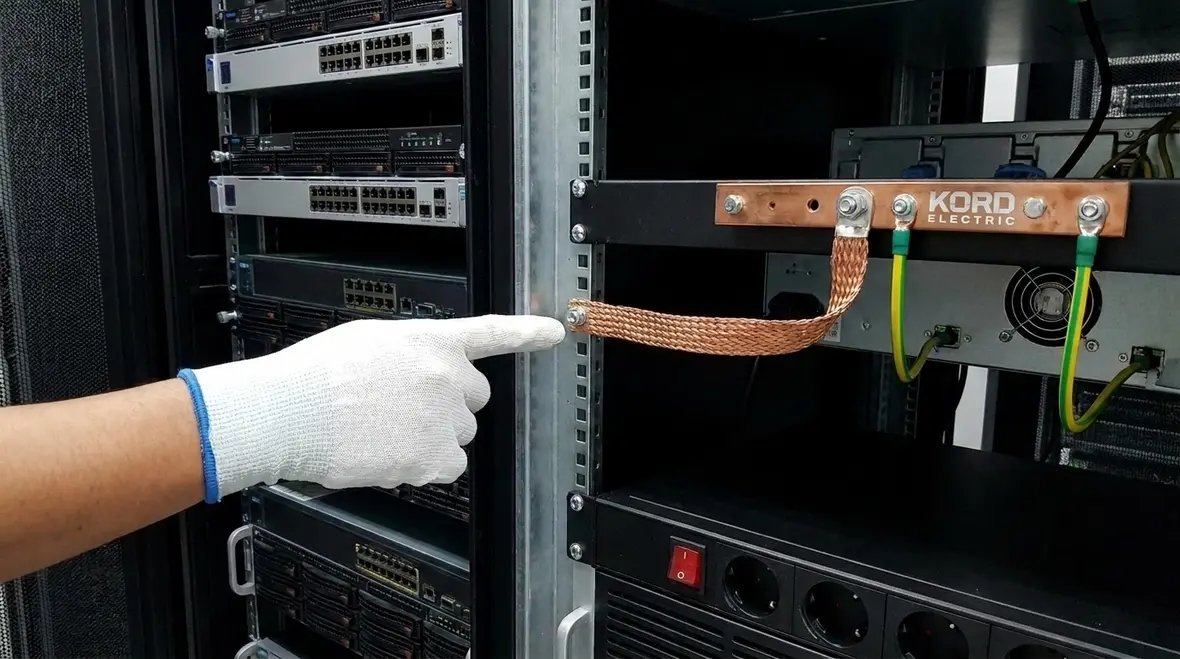
NFPA 70 270.136 NEC rack equipment grounding 2 kV
At Kord Electric, we help commercial and industrial facilities keep their power systems safe, reliable, and code aligned. When a site installs rack-mounted equipment rated up to 2 kV, we pay close attention to NFPA 70 Section 270.136. Specifically, we support NEC rack equipment grounding 2 kV practices that protect people, equipment, and critical operations. And yes, the electrical code can feel like a maze at first, but our technicians explain it in plain language, step by step, so your team knows what matters and why. In this guide, we walk through what the rule expects, how grounding is handled, and how others in the field tend to misread the details.
NFPA 70 270.136: what it demands for 2 kV racks
NFPA 70 Section 270.136 sets expectations for grounding rack mounted equipment at 2 kV. In plain terms, the rule focuses on how you connect and bond equipment so that fault energy has a safe path. However, the standard does not treat this like a one size fits all checklist. Instead, it ties grounding design to the system voltage, the rack layout, and the fault behavior you need to manage.
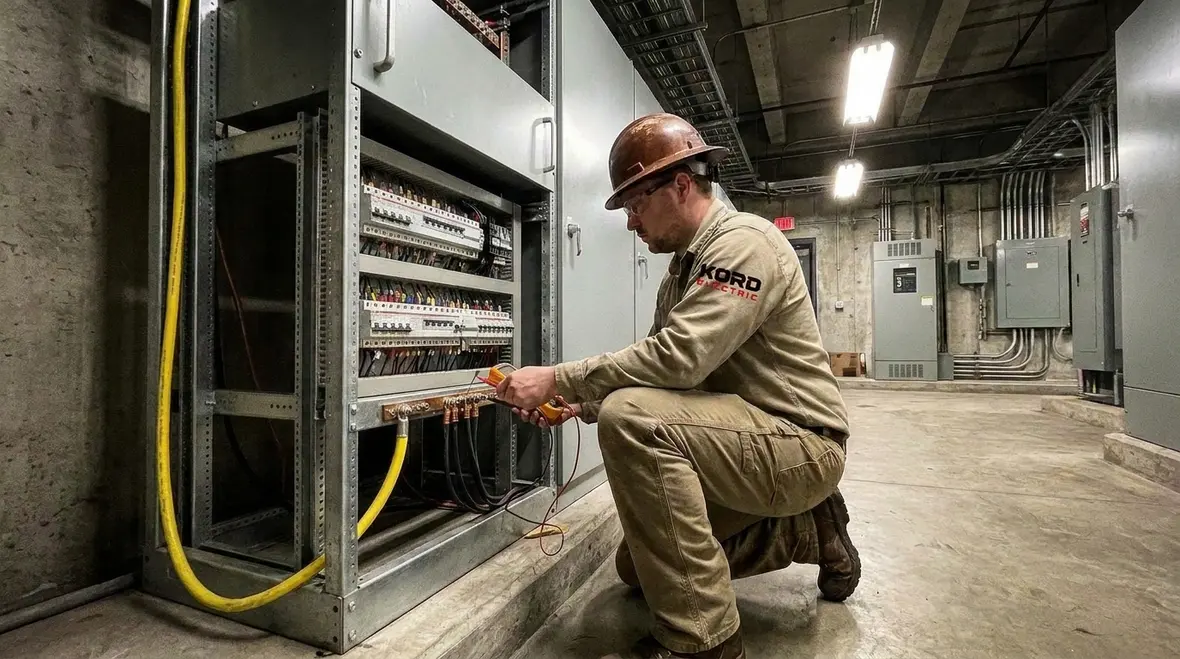
Therefore, our experts at Kord Electric review the equipment type and the installed configuration before any work begins. Then we verify that the grounding connections support proper bonding and that they stay effective through thermal cycling, vibration, and maintenance changes. If you have ever watched a “temporary” connection become permanent, you know why this step matters.
Also, the NEC does not ask you to guess. It expects your grounding to be installed correctly and to remain reliable over time. So, when you follow NEC rack equipment grounding 2 kV guidance correctly, you reduce shock risk, reduce equipment damage, and support safer operation across your facility.
Grounding vs bonding: where people mix them up
In many facilities, teams use the words grounding and bonding as if they mean the same thing. Yet, grounding and bonding work together, and they do not do the exact same job. Grounding connects equipment to a defined reference, so fault current can return safely. Bonding ties conductive parts together to keep them at the same electrical potential.
Consequently, a rack system can fail its safety goals even if one connection looks fine. For example, if bonding is incomplete, a conductive part may sit at a different potential than other nearby parts. Then, when a fault occurs, the system can behave in a way that increases risk to personnel and increases damage to equipment.
Our service staff often explains this with a simple picture during site walks. Imagine a room full of people holding hands loosely. If one grip is weak, someone ends up getting yanked when pressure shifts. In the same way, incomplete bonding creates “loose grips” in the electrical system. And unlike pop quiz day, the consequences are not funny.
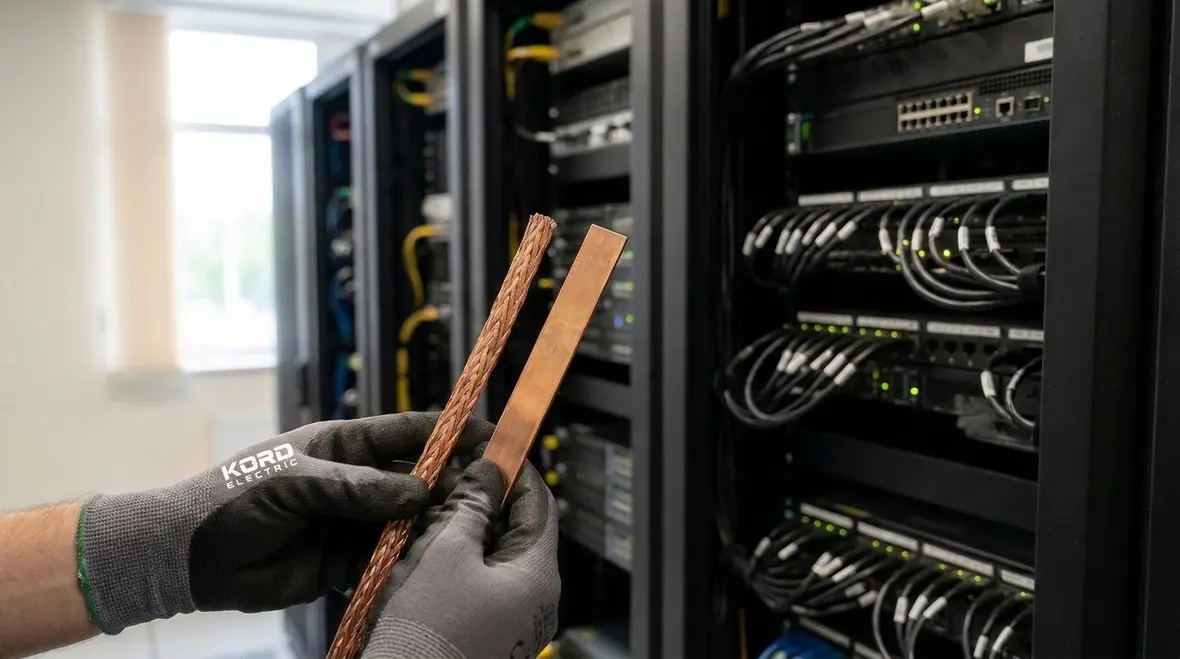
What “rack mounted equipment” means in real projects
When the rule references rack mounted equipment, we treat the rack as part of the electrical system. The rack structure, the equipment mounting, and the interconnections matter. So, our team focuses on how conductive parts tie together through the mechanical mounting points and the listed hardware.
In commercial and industrial buildings, racks often hold power supplies, distribution gear, and other critical loads. Even if the rack looks neat, the electrical path can be messy if the design assumes that paint and coatings magically act like insulation only when you want them to.
So, our technicians check how the rack is assembled and whether surfaces create a durable conductive connection. Then we look at how grounding conductors connect to the rack, and how that connection remains intact through service work. If the rack gets modified later, we also confirm that the grounding path does not get interrupted during panel access or component swaps.
In short, we help facilities treat the rack like a system, not furniture.
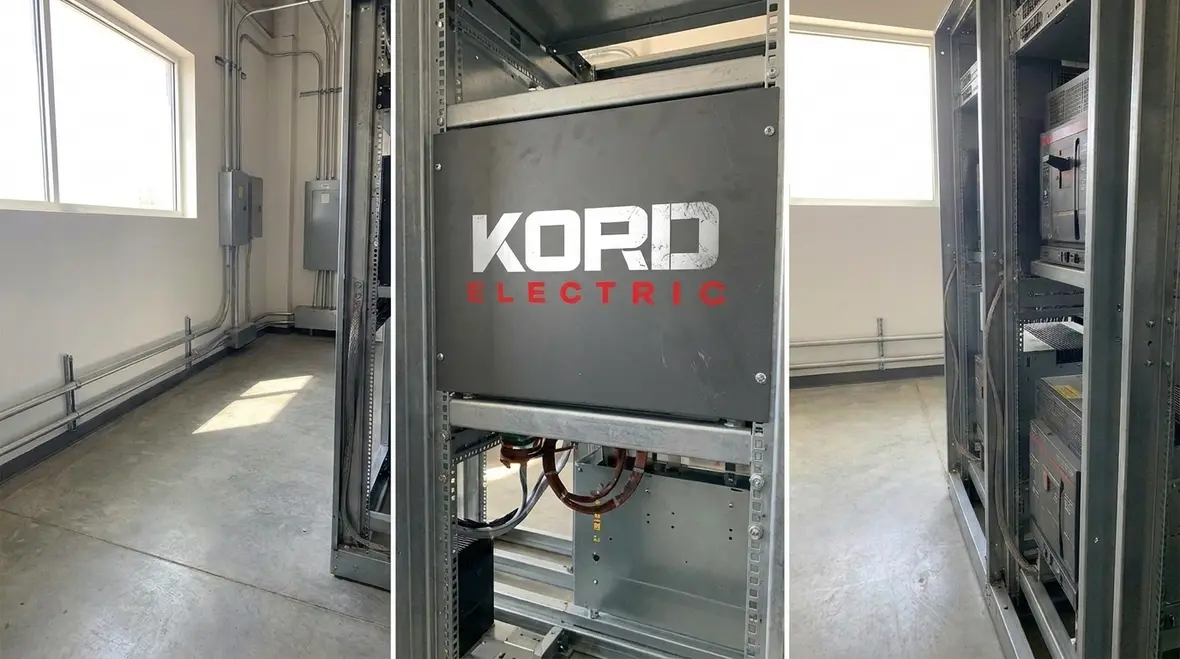
NEC rack equipment grounding 2 kV: conductor and connection expectations
Designing a safe grounding system requires more than selecting a conductor size off a chart. Under NFPA 70 Section 270.136, the grounding arrangement must support proper fault current paths and durable connections. As a result, we evaluate conductor routing, connection hardware, termination quality, and the physical environment.
First, we make sure the grounding conductor installation follows the NEC intent for secure bonding. Next, we inspect terminations for proper contact and mechanical integrity. Then we verify that connections maintain continuity even when the rack experiences heat, airflow changes, or maintenance activity.
Additionally, we consider how the grounding conductor connects to the rack and how it ties into the facility grounding system. If your facility uses a system grounding approach, we confirm that the rack grounding conductors do not conflict with existing design practices.
For teams that manage large propertie buildings, the biggest risk is usually not ignorance. It is change. Equipment gets swapped. Racks get reconfigured. Contractors adjust access routes. Therefore, we document the grounding scheme clearly so future work does not undo safety.

How to avoid common failures in 2 kV rack grounding
We see the same set of issues across many commercial and industrial installs. So, we address them early, before the system energizes and before the maintenance crew inherits a mystery cable story.
Here are common failure patterns our expert service team watches for:
- Paint and coatings blocking contact at grounding points, which can increase resistance when you least need it.
- Loose bonding paths created by hardware changes, missing straps, or improvised connectors.
- Inconsistent termination quality such as improper torque, incomplete surface contact, or incorrect lugs.
- Routing mistakes that expose grounding conductors to damage during rack service or cable management.
- Overlooking later modifications when a rack gets upgraded, expanded, or partially rebuilt.
Then we bring clarity through our site conversations. Our technicians explain what each check does and what it protects. That way, your team understands the “why” behind each requirement, not just the “what.” If someone tells you code compliance is a guessing game, we politely disagree. The NEC does not play games, and neither does safe power.
Why code compliance matters for uptime and safety
When NFPA 70 Section 270.136 grounding requirements get treated as paperwork, facilities pay a price later. Fault conditions do not care about your schedule. They show up at the worst time, and they test your system’s weakest connection.
Meanwhile, proper rack grounding supports safer operation during abnormal events. It also reduces the likelihood of damage that can force outages. Therefore, compliance becomes a business goal, not just a regulatory task.
Kord Electric focuses on commercial and industrial facilities and major property buildings because those environments depend on uptime. We also coordinate with your electricians, facility managers, and approved contractors so the grounding approach stays consistent through installation and service.
Additionally, we align our guidance with the broader NEC framework explained across industry resources. For teams exploring the National Electrical Code and related requirements, you can also review summaries from our Kord Electric blog, including Understanding NFPA 70: The National Electrical Code Explained for 2026, and Kord Fire materials to strengthen your internal understanding before a design review. We keep the work practical, and our role stays clear: we help you install and maintain grounding that performs.
Grounding verification and ongoing maintenance for major properties
After installation, verification and maintenance become the difference between “installed correctly” and “still safe a year later.” So, we help facilities plan how to inspect grounding connections during routine service and after rack changes. Then we document what is checked, what passes, and what needs corrective action.
For large property buildings, the challenge is often coordination. Multiple crews touch the same rack over time. Therefore, we make it easier for your teams to keep the grounding scheme intact by providing clear guidance on what should not be altered and what should be checked after modifications.
We also explain how technicians can recognize when a connection may have degraded. For example, if hardware loosens or corrosion forms at a bonding interface, the system can drift away from its intended performance. At that point, troubleshooting becomes expensive and stressful. In contrast, proactive checks reduce downtime and reduce surprises.
And if you ever wonder how pop culture heroes keep their gear working, the answer is boring maintenance. The superheroes just call it “training.” We call it good practice.
FAQ for NFPA 70 grounding rack-mounted equipment at 2 kV
Choose Kord Electric for rack grounding that stays compliant
Commercial and industrial facilities need grounding that protects people and keeps mission critical systems running. Kord Electric brings expert service staff who explain the NEC requirements clearly, then help you implement NEC rack equipment grounding 2 kV in a way that withstands real-world maintenance and upgrades. If you plan an install, face a rack rework, or need a compliance focused review, reach out to us. We will help you move from uncertainty to a grounded plan your team can trust.
If your facility in Southern California needs support beyond a single project, our team also provides comprehensive Los Angeles County electrical services that cover design, installation, modernization, and ongoing maintenance for commercial and industrial power systems.
Whether you are planning a new 2 kV rack installation, updating existing equipment to align with NFPA 70 270.136, or coordinating broader electrical upgrades, Kord Electric can help you connect NEC requirements to practical, buildable solutions that keep your operations safe and resilient.


