
NFPA 70 270.53 NEC GES Installation 2 kV Guidance
Kord Electric helps commercial and industrial facilities keep power systems steady, safe, and code compliant. When a project calls for NEC GES installation 2 kV, we do not treat it like a check-the-box task. Instead, we plan grounding electrode system work with the real world in mind: steel, concrete, soil conditions, transformer vaults, and the people who will maintain the equipment long after our crew leaves.
In this guide, we explain NFPA 70 Section 270.53 for installing the grounding electrode system at 2 kV. We also share how our technicians, along with our expert service staff, translate the code into steps your team can actually approve, schedule, and inspect. And yes, grounding can sound about as exciting as watching paint dry, but done correctly, it quietly prevents the kind of problems that make everyone panic. Like a bad movie sequel, you do not want a rerun.
What NFPA 70 Section 270.53 requires at 2 kV
NFPA 70 Section 270.53 focuses on how we install a grounding electrode system so it works when the system operates under the specific conditions of 2 kV-class equipment. In plain terms, it tells us what must be connected, how it must be bonded, and how installers should document the system so it performs as intended when faults occur.
First, our process starts with the project’s electrical one line and equipment details. Next, we confirm the grounding electrode system design matches the facility’s structure and the voltage class. Then, we verify that each grounding electrode connects to the system in a way that supports low impedance paths for fault current. If you skip that logic, you might get a system that “looks grounded” but does not behave like it should. Power systems love doing things the right way, and they punish shortcuts.
Throughout, we rely on NFPA 70 concepts while also following good installation practice for commercial and industrial facilities and major property buildings. If your site uses multiple service disconnects, shared grounding, or complex underground runs, you need a plan that stays consistent across trades.
If your team wants a deeper code-level overview before diving into Section 270.53 specifics, you can also review our broader resource on Understanding NFPA 70: The National Electrical Code Explained for 2026, then return to this guide to focus on grounding and bonding at 2 kV.
Why the grounding electrode system matters for facility safety
Grounding does more than satisfy a requirement. It protects people, preserves equipment life, and helps ensure overcurrent devices operate as designed. Therefore, we treat the grounding electrode system like the foundation of the entire protection scheme, not like an afterthought.
When a fault happens, the grounding electrode system should provide a path for current so protective devices clear the fault. At the same time, bonding reduces dangerous voltage differences between building components. As a result, facility occupants experience fewer hazards, and sensitive electronics endure less stress.
Our technicians explain this during job walks. We describe how grounding links to equipotential bonding, how it ties into lightning protection considerations, and how it supports safe maintenance practices. Others may call this “paperwork and practices.” We call it engineering reality, explained in a way your stakeholders can understand.

Planning the installation before any trench is dug
Before we connect a single conductor, Kord Electric plans. And because many commercial and industrial sites already have congestion underground, planning saves time and prevents rework.
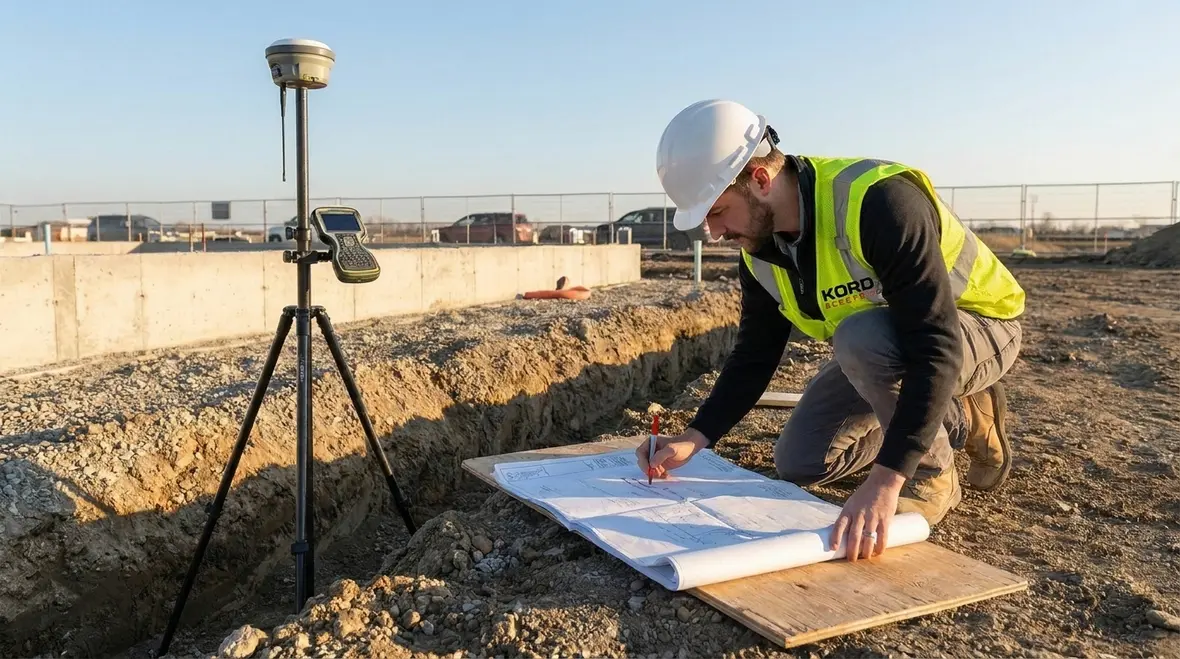
We start by evaluating existing grounding electrodes and structural elements. Then, we map where new conductors can route without conflicts. After that, we confirm separation and bonding requirements so components share the right electrical relationship. Finally, we prepare for inspections and documentation, because the last thing anyone wants is to chase missing details after the trench is closed.
For major property buildings, we coordinate with civil teams, building maintenance, and electricians responsible for switchgear and transformers. Additionally, we review how the grounding electrode system interfaces with main bonding jumpers and service equipment. In the end, a clean plan helps the electrical work stay on schedule and helps your facility team avoid surprises.
As our expert service staff puts it, “The trench may be temporary, but the consequences are permanent.” That is not a threat. It is just physics wearing a name tag.
Coordinating grounding plans with the rest of the project
Grounding work for 2 kV-class systems does not live in isolation. It has to stay coordinated with power distribution design, emergency power plans, and any upgrades that may follow later. On some projects, we connect the dots between this GES work and larger reliability efforts, such as emergency power system testing routines or surge protection strategies that protect sensitive equipment over time.
Because of that, our team often references earlier planning resources, like our guides on reading and applying NFPA 70, to make sure the grounding electrode system supports the bigger story: safe, stable operation instead of last-minute fixes.
How our technicians connect electrodes correctly for 2 kV-class systems
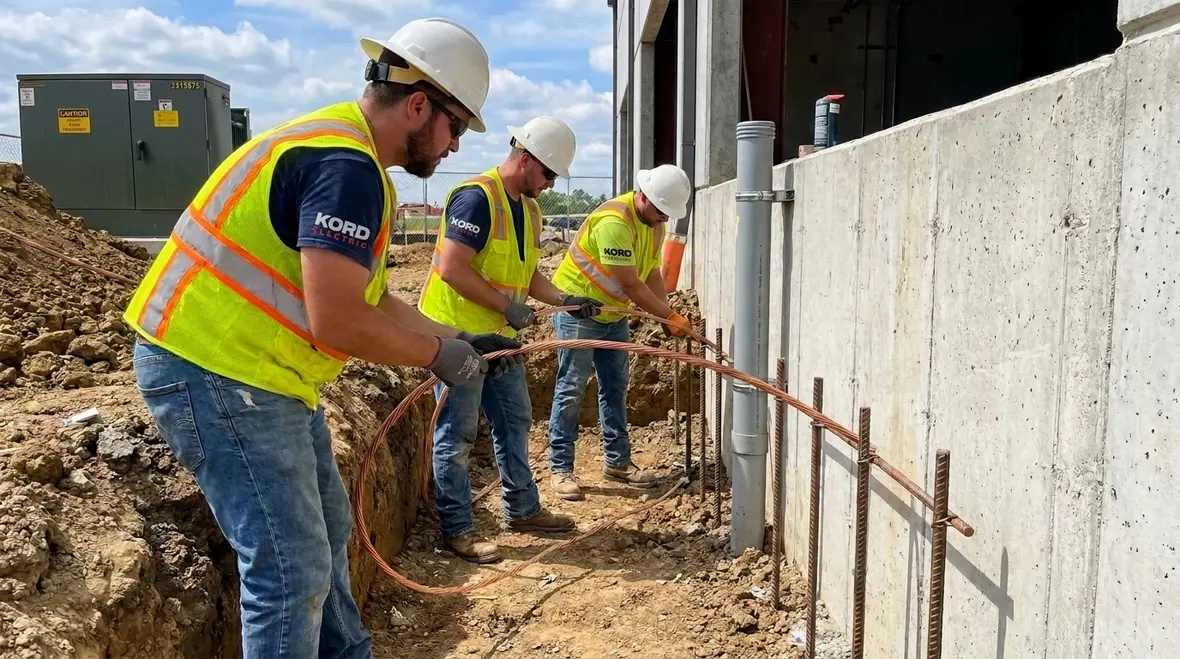
Once the design and site conditions align, we execute the work with careful attention to connection integrity. With NEC GES installation 2 kV, we focus on the bonding and continuity of the grounding electrode system so it performs across the full fault and normal operating range.
Our crew typically verifies the following during installation:
- Connection methods: We use listed and approved connection methods that maintain long term mechanical strength and electrical contact.
- Conductor routing: We route grounding conductors to avoid damage, abrasion, and unnecessary bends that can harm installation quality.
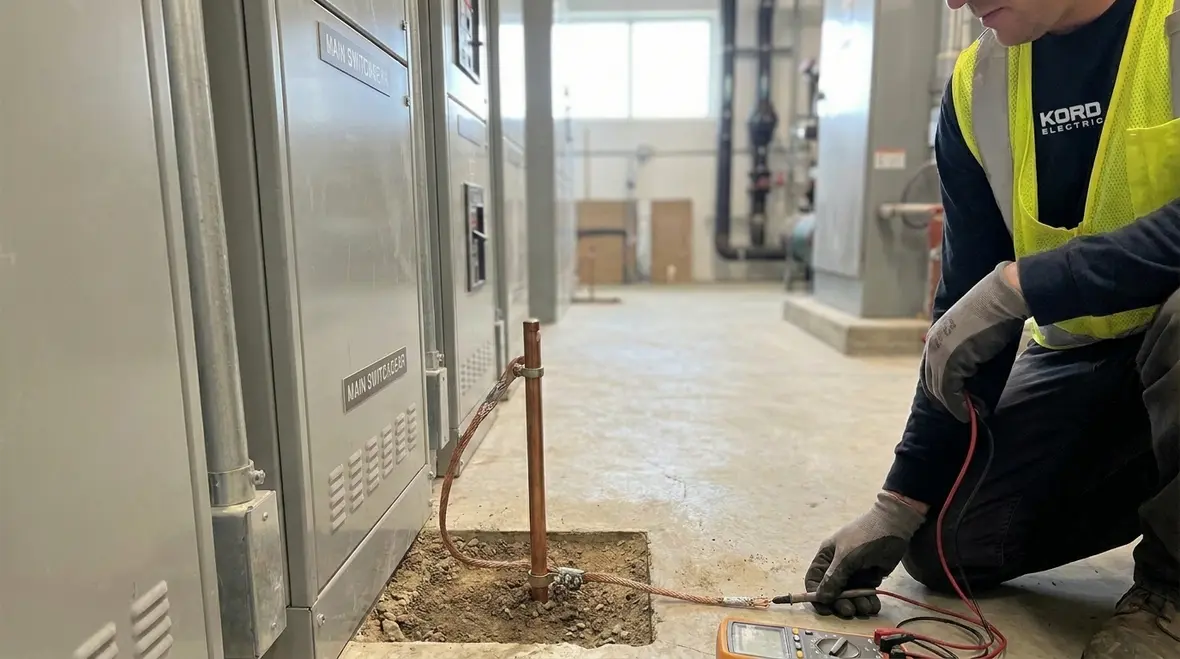
- Continuity checks: We confirm continuity and verify that the system includes the required connections, not just the ones that are easy to see.
- Bonding points: We bond relevant metal parts so voltage differences remain low during abnormal conditions.
Then, we consider practicality. Underground installations must survive soil movement, moisture exposure, and future maintenance activity. Therefore, our technicians set conductors, protect terminations, and secure pathways so the grounding system remains reliable for years, not weeks.
And because inspections do not run on wishful thinking, we prepare the site for straightforward verification. We want the inspector to see what we intended, not to play detective like it is a streaming crime show. (If only grounding faults came with plot twists and a satisfying ending.)

Making inspection and maintenance easier for your team
A well-installed 2 kV grounding electrode system should be easy to verify, not a maze of hidden terminations. We label key components, keep access points realistic for maintenance staff, and document how everything ties together. That way, when future technicians evaluate bonding paths, test continuity, or plan upgrades, they do not have to guess what happened during the original installation.
Clear, grounded (pun intended) documentation also supports broader power quality and reliability work, whether you are preparing for emergency power tests, evaluating data center redundancy, or planning long term electrical upgrades.
Common mistakes we prevent on commercial projects
In large facilities, grounding electrode system problems often come from predictable issues. First, people assume prior work covers the new equipment. Second, they install conductors without verifying continuity or connection quality. Third, they ignore how existing metallic paths interact with the intended grounding scheme.
Kord Electric prevents these mistakes by treating each project like a system, not a collection of parts. We review existing conditions, confirm design intent, and ensure each connection supports the overall grounding performance. Moreover, our team coordinates with electricians and facility staff so the bonding plan does not get diluted by last minute changes.
Here are a few trouble spots we watch closely:
- Underestimated existing electrodes: Old installations may include electrodes that do not align with the current system design, and they require verification.
- Loose or improper terminations: A bad connection can raise resistance, and higher resistance can reduce fault clearing performance.
- Inconsistent bonding: When different teams bond components differently, you can end up with gaps in the equipotential path.
- Unplanned routing conflicts: Underground congestion leads to cutting, patching, and rework unless we plan early.
Our expert service staff also communicates what they find. We explain the problem in plain terms, propose an option, and then implement the solution. That keeps your project moving and reduces the kind of downtime that costs real money in commercial and industrial environments.
Connecting grounding practices to broader NEC compliance
Grounding and bonding at 2 kV do not live in a vacuum. They connect directly to how your system meets NEC requirements for overcurrent protection, equipment ratings, and conductor installation. When we review a project, we often use general NEC resources as a backdrop, such as our guides on what NFPA 70 covers in practical terms or how to read the National Electrical Code effectively, then zoom in on the 270.53 details that shape your grounding electrode system.
Documentation, inspection readiness, and long term performance
A grounding electrode system must work during abnormal events, but it also needs to prove itself during inspection and maintenance. Therefore, we document our install choices and verification steps so your facility team can support future service work.
Before final closeout, our technicians confirm the grounding electrode system is continuous and properly connected. Next, we make sure the installation aligns with the approved scope and the NEC requirements applicable to 2 kV-class installations. Then, we prepare the information your inspector and internal stakeholders need to feel confident.
For many of our customers, the bigger goal is long term performance. As building loads change and systems expand, a well installed grounding electrode system helps maintain safe operation. It also improves the ability for future upgrades, because the facility already has a reliable baseline.
We also support ongoing maintenance conversations. Our team can help facility managers understand how to monitor, inspect, and keep the grounding system in sound condition. In other words, we do not just install. We stick around in the way that matters: with expertise, clarity, and a steady hand when questions show up.
How grounding fits into your wider electrical strategy
When we talk with facility leaders about NEC GES installation 2 kV projects, the conversation quickly expands beyond a single vault or trench. We discuss how the grounding electrode system will support surge protection, emergency power design, data center reliability, and even lighting or controls upgrades down the line. That way, today’s installation reinforces tomorrow’s projects instead of limiting them.
In many cases, our field experience on surge protection, power quality, and emergency power system testing feeds directly into how we recommend grounding and bonding strategies. It is all one story: keep people safe, keep equipment stable, and keep your building ready for the next inspection and the next project.
FAQ about NFPA 70 and grounding electrode system installation at 2 kV
Conclusion: get your 2 kV grounding plan built right
If your facility needs an NFPA 70 compliant grounding electrode system installation at 2 kV, Kord Electric delivers the planning, installation quality, and clear communication commercial and industrial sites depend on. Our technicians and expert service staff explain what matters, coordinate with your electrical team, and help you pass inspection with confidence. Reach out to us to review your scope, confirm site conditions, and build a grounding approach that performs when it counts. Because in power systems, “good enough” is a myth. Let us prove it.
Contact Kord Electric to schedule an on site assessment for your 2 kV grounding electrode system needs for major property buildings and industrial facilities. If your project extends beyond a single upgrade and you need broader help keeping distribution, protection, and emergency systems aligned, our Los Angeles County electrical services team can support everything from new installations to long term reliability planning.
For teams that want to connect this work to the bigger NEC picture, pair this guide with resources like our article on What Is NFPA 70 and our practical walkthrough on how to read the National Electrical Code. Together, they help your stakeholders see how a well-built 2 kV grounding electrode system fits into a safe, code-compliant electrical strategy for the entire facility.


