
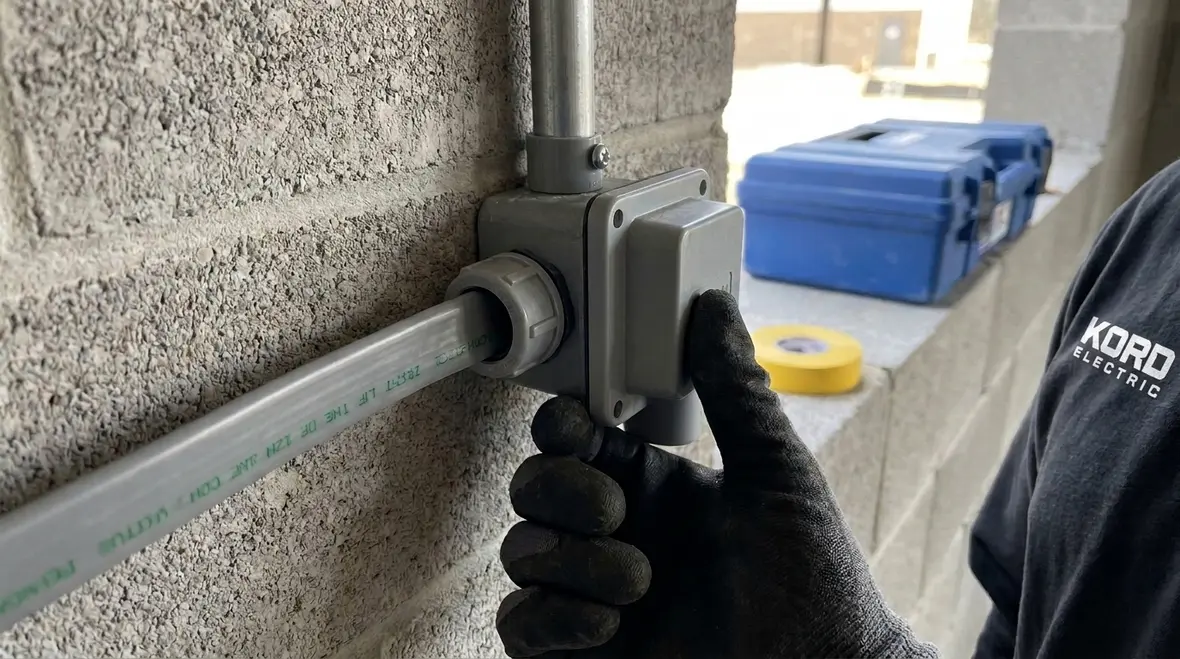
NFPA 70 324.40 Guide to NEC UF Cable Boxes Fittings
Kord Electric supports commercial and industrial facilities with safe, code minded electrical installs, and we start every project with the right NEC UF cable boxes fittings from the beginning. In the field, we have learned that the “small parts” rarely stay small. For UF cable guide runs, the details in NFPA 70 Section 324.40 decide whether a system will stay protected as walls shift, temperatures change, and crews move in and out. And yes, we have seen what happens when someone treats a box like a suggestion instead of a requirement. Like a pop song chorus, the failure always comes back, only later and louder.
Third party inspections matter, downtime costs matter more, and our technicians explain the why behind each decision, not just the what. That is how we keep commercial and industrial projects calm, clean, and compliant.
NFPA 70 Section 324.40: what it demands for UF cable guides
NFPA 70 Section 324.40 focuses on the boxes and fittings used with UF cable guide and support. In plain terms, it tells us how to mount, protect, and finish the pathways where UF cable enters or passes through boxes, fittings, and enclosures. It also guides how those parts must be chosen and installed so the cable remains safe from physical damage and water related risks.
Because this is a rule tied to protection and workmanship, we take it seriously. First, the box and fitting must match the installation plan. Next, the method of securing parts must resist strain and movement. Then, the cover and entry details must protect the conductor path. Finally, the whole assembly must hold up over time under jobsite conditions.
In most commercial and industrial facilities, the cable route runs through mixed environments. Therefore, the UF cable guide pathway cannot be treated like a quick pass. Our expert service staff walks the job lead through these requirements on site, and we translate the code language into buildable steps, so teams can install correctly without guesswork.
Why UF cable guide pathways need proper boxes and fittings
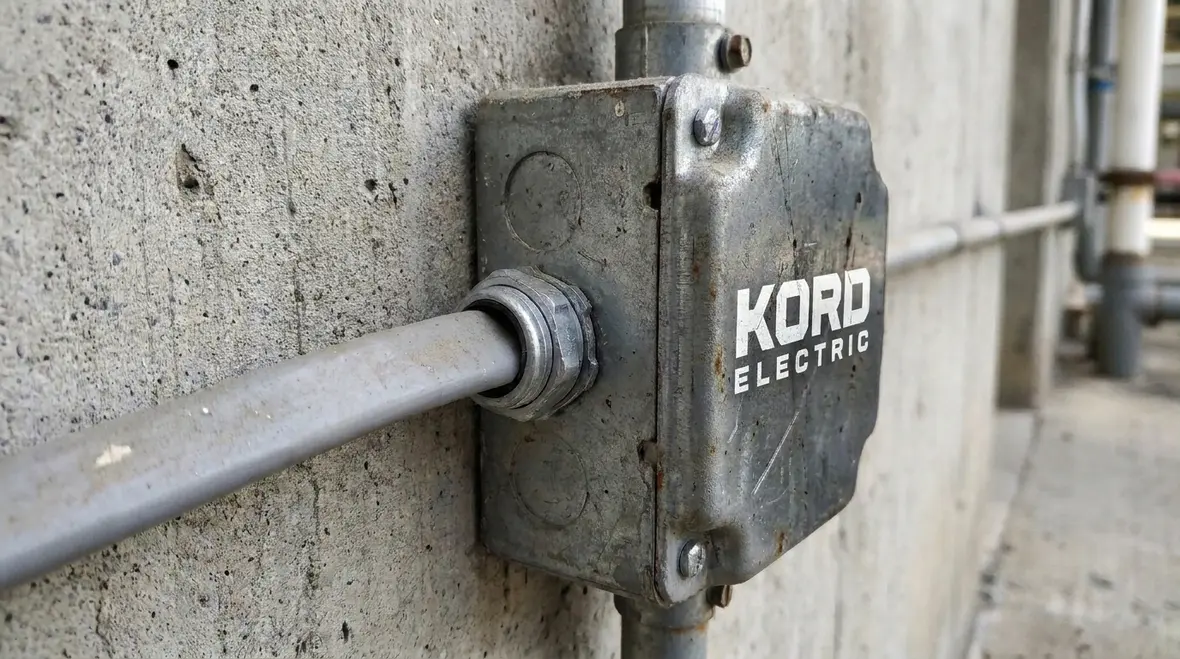
UF cable is built for direct burial and outdoor use in many cases, but that does not mean the ends, entrances, and transitions are “free for all.” During installation, the cable often changes direction, crosses structural boundaries, or transitions from exterior to interior. These points are where damage starts.
When we select NEC UF cable boxes fittings for these transition points, we protect against common failure drivers. For example, a poor fit can allow rubbing, which slowly wears the cable jacket. Likewise, loose connections can encourage movement, and movement invites abrasion. Also, when moisture gets access to an unprotected entry, it can lead to corrosion and poor terminations.
To keep a facility stable, we plan the route and then we plan the protection. Our technicians do not just mount parts; they verify the pathway stays aligned and the cable stays supported. As a result, a system behaves as designed, and the building does not carry electrical problems like an unwanted tenant that never pays rent.
Selecting NEC UF cable boxes fittings that fit the install
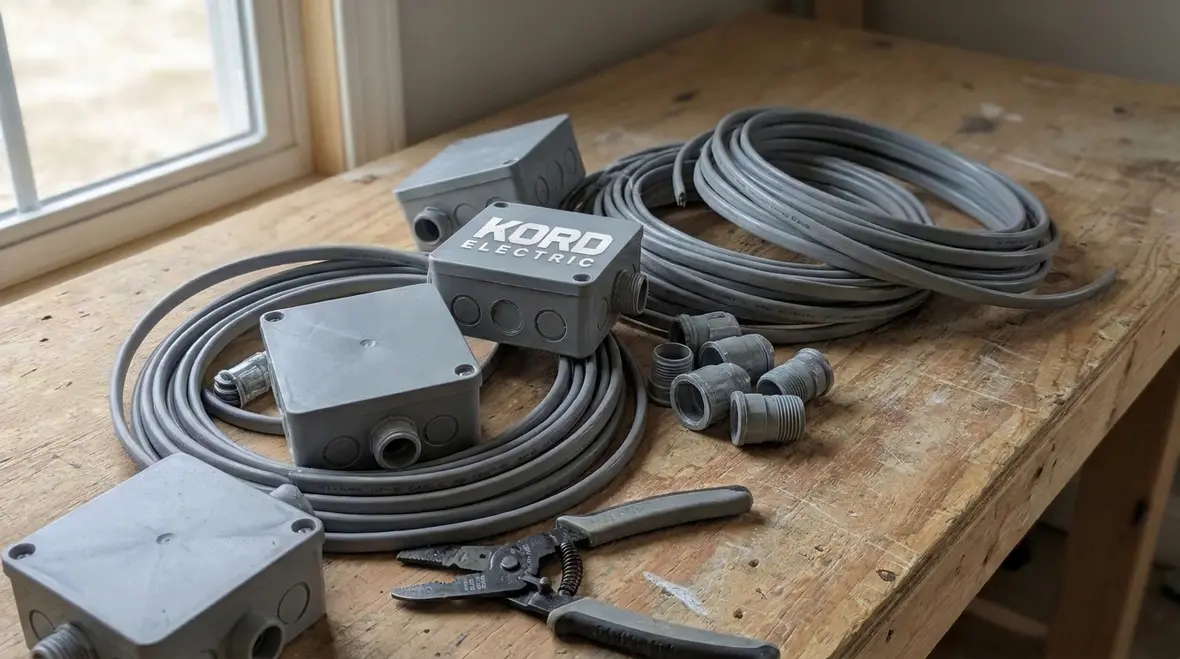
Choosing the right parts is not a shopping list exercise. It is a match between the cable, the enclosure, the environment, and the mechanical details of the build. Therefore, our team approaches selection in a sequence that prevents costly rework.
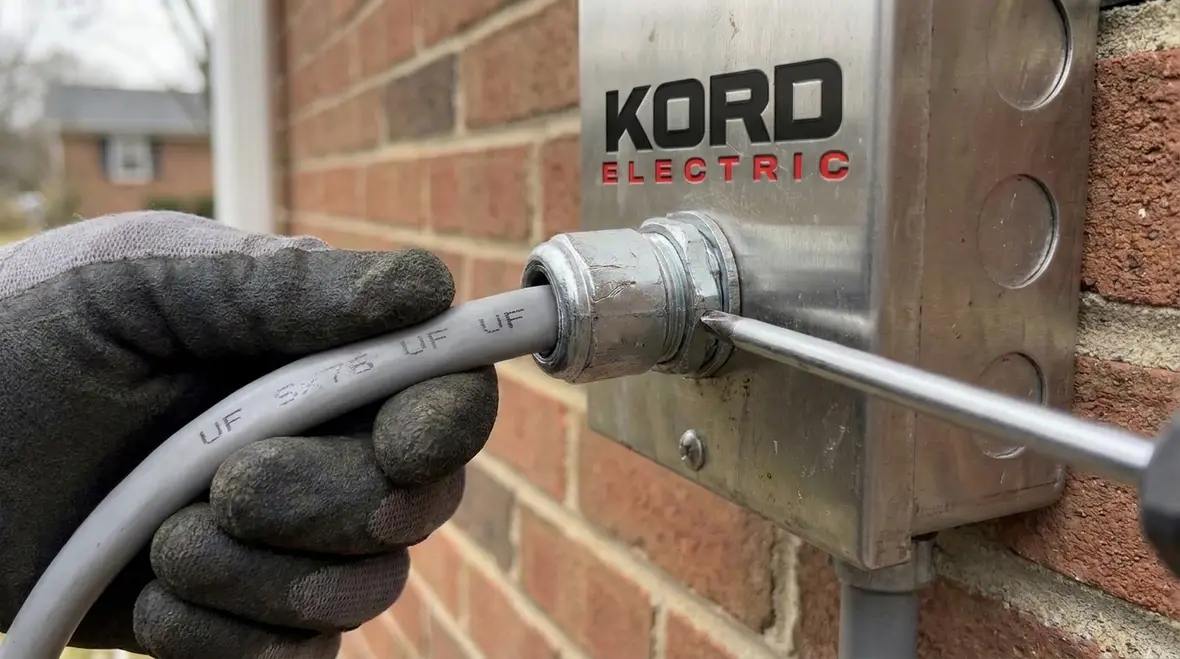
First, we confirm the route type and the UF cable guide pathway conditions. Next, we check the entry method and how the cable will enter the box or fitting. Then, we ensure the parts support the cable without creating sharp bends or stress at the transition. After that, we verify the mounting method and the cover situation so the assembly closes properly and stays secure.
In commercial and industrial settings, code compliance also needs to match brand and maintenance expectations. So we choose NEC UF cable boxes fittings that a facility team can service later without tearing up finishes. Our expert service staff often explains this step by step during install meetings, because when people understand the reasoning, they follow the plan. That is how we avoid the “we will fix it later” trap that turns into “we cannot fix it at all” during inspection.
When teams want to strengthen their code strategy around box and fitting selection, we also point them to resources such as Kord Electric’s deeper guides on NFPA 70, including Understanding NFPA 70: The National Electrical Code Explained for 2026, which helps connect section-level rules to everyday installation choices.
How commercial installs reduce risk at entrances, turns, and terminations
Facilities live through change. Doors get replaced, racks get moved, landscaping gets redone, and conduit gets bumped by the newest contractor in the building. Yet UF cable guide runs still have to remain protected at the points most likely to get hit.
So we engineer protection at the sensitive areas. At entrances, we focus on secure box bodies and proper fitting interfaces. At turns, we keep the cable guided without kinks. At terminations, we ensure the cable enters and exits without strain, and we keep the enclosure closed and sealed where the environment requires it.
Additionally, we coordinate with site schedules so electrical work does not get rushed into conflict with finish carpentry or exterior restoration. As a result, the NEC UF cable boxes fittings stay aligned and the installation avoids the kind of last minute adjustment that breaks tolerances.
Yes, we sometimes hear the joke that electrical work is like plumbing, only with more meetings. But in reality, the system is safer when teams communicate early and build to a clear plan.
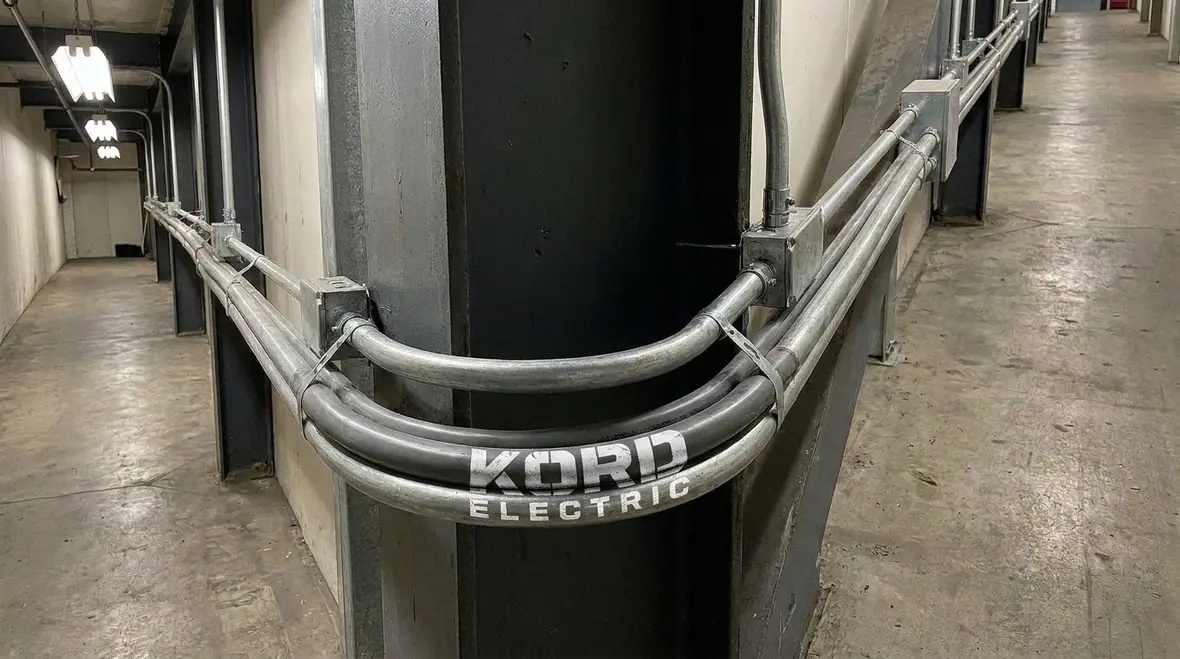
Install best practices our technicians follow on site
Code compliance is not only in the chosen parts. It lives in the install method. Our technicians bring a repeatable process that keeps commercial and industrial projects consistent from the first run to the last termination.
- We verify the layout before we mount anything, so boxes line up with the actual pathway.
- We support the cable so it does not hang or tug at the entry points.
- We secure boxes and fittings firmly, so vibration and minor movement do not loosen components over time.
- We check alignment at each transition so we do not create abrasion points.
- We explain each step, and our expert service staff reviews the “why” during walkthroughs, so the entire crew stays aligned.
Because many owners and facility managers care about long term reliability, we also think about maintenance access. Therefore, we install and label in ways that allow later checks without cutting into walls. That helps the building team stay on schedule, not stuck in troubleshooting mode.
And if you wonder whether this level of care matters, remember this: the jobsite always wins when you skip details. It never loses. Unless we show up and do the work right.
Inspection readiness and code aligned documentation
Commercial and industrial inspections often include not only visuals, but also documentation and installation records. Thus, we help projects stay ready before the inspector even arrives.
First, we keep the installation organized and traceable. Then, we confirm that the NFPA 70 Section 324.40 related box and fitting setup matches the UF cable guide plan. After that, we ensure cover requirements and enclosure closure meet the build intent. Finally, we provide the information that facility teams and general contractors need for closeout.
In many cases, our team coordinates with other trades, so the electrical pathways remain accessible. This reduces the chance of “hidden mistakes,” the kind that look fine today and fail next season. Kord Electric supports projects that must stay reliable, because downtime in major property buildings does not feel like a minor inconvenience. It feels like a headline.
If teams want a refresher on the NEC framework and how it ties together for projects, we also point clients to resources at Kord Electric and Kord Fire that unpack the code structure and its impact on real facilities, so crews can connect section-level rules like 324.40 to broader NEC strategy.
Common mistakes we prevent with UF cable box and fitting planning
Even careful teams can slip, especially under schedule pressure. Still, most problems fall into a few predictable buckets, and we address them early.
- Wrong fitting interface that does not match the box or cable entry method.
- Poor mechanical support that lets the cable tug at the transition point.
- Improper alignment that causes rubbing or repeated stress on the jacket.
- Missing or inadequate protection around entrances where impacts happen.
- Skipping the “service future” view, which makes later inspections harder than they should be.
Our technicians catch these issues during install, and our expert service staff explains the fix in plain language before it becomes rework. That saves time, protects your facility, and keeps the electrical system aligned with how the building actually operates. In other words, we handle the boring parts so the rest of the project can move like it is supposed to.
FAQ: NFPA 70 Section 324.40 and UF cable guide boxes
Next step with Kord Electric
If your commercial or industrial facility needs UF cable guide installations done with confidence, Kord Electric is ready. We build with NEC UF cable boxes fittings planning in mind, so your entrances, transitions, and terminations stay protected long after the inspector leaves. Our technicians and expert service staff explain the steps clearly, coordinate with your project schedule, and help you close out with fewer surprises.
For multi-site portfolios or facilities across Los Angeles and the surrounding region, our team also supports broader upgrades and repairs through our dedicated Los Angeles County electrical services, so UF cable work fits into a coordinated electrical strategy for the entire property, not just one project at a time.
Reach out to us today, and let’s make your electrical work calm, compliant, and built to last.


