
NFPA 70 Section 110.17 Equipment Servicing Space Access
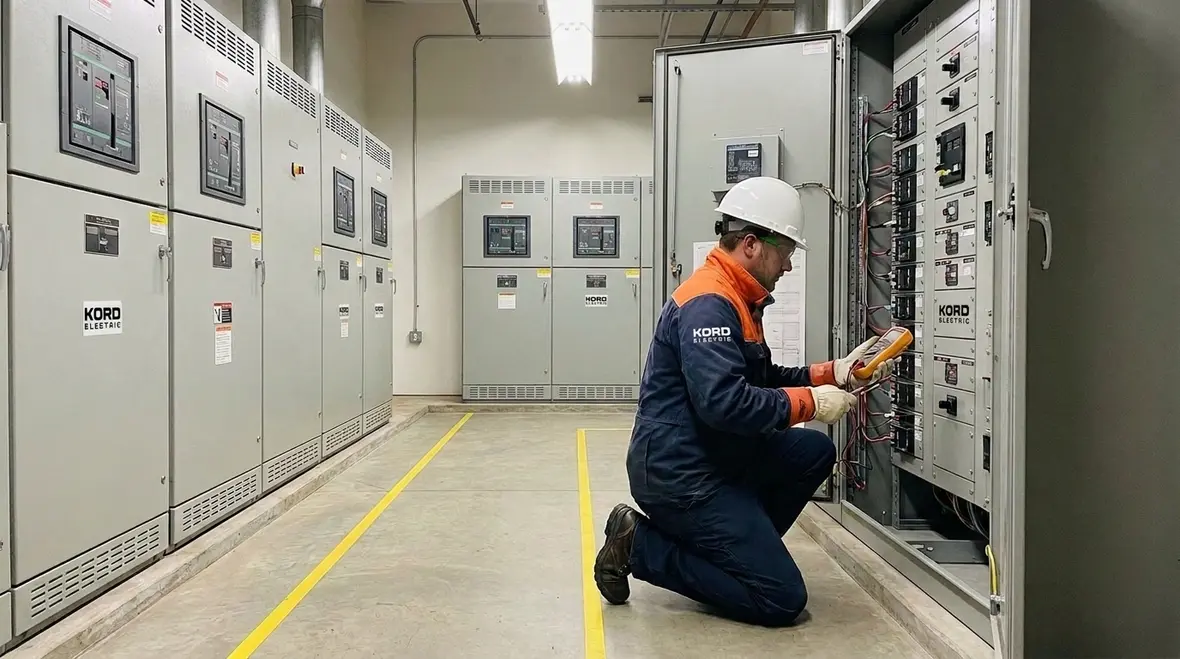
NFPA 70 Section 110.17 spells out the space and access rules for electrical equipment, and we treat those NEC equipment servicing access requirements like a business critical checklist item, not a “someday” project. In the first few lines of any site plan, we confirm there is enough working space around switchboards, panelboards, and other energized parts so our technicians can safely open doors, move test tools, and service components without improvising. Then we tighten the details for compliance, safety, and downtime control. Because in commercial and industrial facilities, the worst surprise is not the power going out. The worst surprise is when the equipment is technically “available,” but nobody can reach it safely when it matters. We explain it clearly, and our expert service staff shows you what “access” looks like in real life, not in theory.
NFPA 70 Section 110.17, equipment space and why access matters
NFPA 70, also called the NEC, sets rules so people can work on electrical equipment without putting themselves in harm’s way. Section 110.17 focuses on the equipment servicing space and the access pathways that support that work. Therefore, it is not just about “having room.” It is about having the right room, in the right location, with the right clear paths. Even when the electrical system meets design specs, poor layout can block access and increase risk during inspection, troubleshooting, testing, and repair.
At Kord Electric, we see this most often where renovations reshuffle walkways or where extra racks, storage, or mechanical items creep close to electrical gear. Then someone eventually says, “We can still work around it.” And usually, they cannot, not safely. So we align the site layout early, and we verify the working space before the job becomes a fire drill, literally. If you want a reference point, our team often cross checks the NEC overview we share and the practical guidance we publish through our Kord Electric blog and Kordfire resources so customers understand not just the rule, but the intent. For a deeper grounding in how NFPA 70 shapes commercial decisions, we also connect this work with our guide Understanding NFPA 70: The National Electrical Code Explained For 2026, which walks facility teams through the broader code story behind these access rules.

How Kord Electric evaluates clear working space on commercial and industrial sites
Our process stays straightforward and thorough. First, we identify the equipment types covered under the rule and the areas where servicing will occur. Next, we measure the available working space around the equipment, including the height, width, and depth required for safe access. Then, we check door swings, cable entry zones, and obstructions that can block entry. After that, we review the route our technicians will take during service work, because a clear workspace that cannot be reached is like a fire extinguisher hidden behind a stack of boxes. Yes, we have seen that. No, we do not recommend it.
We also look at how the facility operates day to day. For example, in a production area, forklifts, pallets, and staging can intrude into the servicing zone. In offices, equipment rooms may host maintenance tools and storage that slowly expand over time. However, the rule does not care how busy the schedule is. It expects the space and access to stay available so work can happen safely. Our expert service staff explains these risks in plain terms during site walks, and then we document what needs to change.

Obstructions, doors, and layout issues that break NEC equipment servicing access rules
Most layout problems do not start as violations. They start as convenience. A toolbox gets stored near the electrical cabinet. A panel door gets held open by a latch that “makes access easier.” A cable tray gets routed too close. Then, over time, those choices create obstructions that interfere with safe servicing.
Therefore, we focus on the exact kinds of obstructions that matter. We check for equipment mounted in tight corners where the front clearance is reduced. We inspect where structural posts, ceilings, or pipes limit the working area. We verify that doors and covers can open fully without scraping or forcing a technician to stand in an unsafe position. Additionally, we review whether adjacent equipment creates “stacked access” issues, meaning the space between items becomes too limited for safe work.
Also, we consider the human factor. When we send our technicians to a site, they do not just look at measurements. They look at real movement. They ask: can someone stand at the correct position, use test equipment safely, and exit without stepping into a hazard. That is why we sometimes recommend small changes that deliver big compliance wins, like moving storage, re routing non electrical obstructions, or adjusting how doors are staged during maintenance.

Clear access paths and safe entry during inspections, testing, and repairs
Service access does not only mean the area in front of the equipment. It also includes how workers reach that space. Even when working clearance exists, a cluttered corridor, locked gate, or blocked doorway can slow down response and increase risk. In commercial and industrial facilities, time matters, especially during planned outages and urgent troubleshooting.
So we review the access path with a practical lens. We confirm there is a clear path from the normal walking route to the equipment room or enclosure. Then we check that the path does not rely on moving obstacles during emergencies. After that, we verify that the equipment room has enough usable space for safe entry and safe egress. If the room is so tight that a technician must squeeze sideways, we address that early.
Next, we help facility teams understand how these rules support safety culture. When access is clear, inspections take less time, testing becomes more reliable, and repairs move faster. Consequently, the facility reduces downtime. We explain all of this in a calm and direct way, because no one wants a safety lecture that sounds like a villain monologue. We keep it business casual, and we keep it real.

Coordination with fire protection and life safety teams
Electrical servicing space does not live in a vacuum. Many commercial and industrial buildings also include fire detection, fire suppression, and life safety equipment close to electrical gear. If the layout does not account for both, one system can interfere with the other during emergencies or testing.
Therefore, we coordinate with building stakeholders who manage life safety systems. We review whether the proximity of electrical equipment affects access to fire panels, valves, and related devices. Additionally, we verify that servicing actions do not block egress routes or create unsafe conditions for responders. Where needed, we align our recommendations with broader life safety planning guidance and best practices from organizations such as firepumps.org and related fire protection sources.
We also share how our Kordfire channels explain NEC concepts in a way that teams can apply. When customers understand the “why,” they make better layout choices, and they maintain access longer. In the end, everyone wins: technicians work safely, and the building meets compliance expectations.
Plan, verify, and maintain compliance without constant disruption
It is easy to treat Section 110.17 as a one time check. However, real buildings change. Equipment gets replaced, floors get re organized, and storage expands. So we help teams build a compliance rhythm that sticks. First, we verify the space and access during commissioning or major renovations. Next, we document the clearances and the access routes in a way that maintenance teams can follow. Then, we schedule follow up checks when layout changes happen, like tenant improvements, mechanical upgrades, or aisle re configurations.
We also recommend simple maintenance habits that keep access available. For instance, we set clear rules for what gets stored near electrical equipment and what never gets stored there. Additionally, we help customers understand the difference between “temporary” and “practiced forever.” If your site uses the same storage area every week, it is not temporary, it is a permanent plan with a costume change. We help you avoid that.
When our expert service staff trains facility personnel, they do not just point to the code. They point to what technicians need on the floor. That means safe reach, safe standing positions, safe door opening, and safe test access. As a result, service visits run smoother and quicker. For facilities across the region that want this level of support wrapped into broader projects, our dedicated Los Angeles County electrical services connect these NEC equipment servicing access requirements with full design, troubleshooting, and upgrade workflows across commercial sites.
FAQ on equipment servicing space and access requirements
Next steps with Kord Electric for safe, compliant electrical service access
If you operate a commercial or industrial facility, we can help you verify and protect the equipment servicing space and access before it turns into costly delays. Kord Electric sends expert service staff who measure real clearances, inspect obstructions, and explain corrections in plain business terms. Then we document what your team needs to maintain compliance during ongoing operations. Reach out today for an on site review and a practical plan that keeps your equipment service ready, safe, and available when the schedule gets real.
Our team also ties this work into broader electrical planning so you are not juggling separate stories for code compliance, safety, and uptime. Whether you are planning renovations, adding new equipment, or simply tightening your preventive maintenance routines, we help you map NEC equipment servicing access requirements into real floor layouts and facility workflows so your technicians and your operations team can both breathe easier.


