
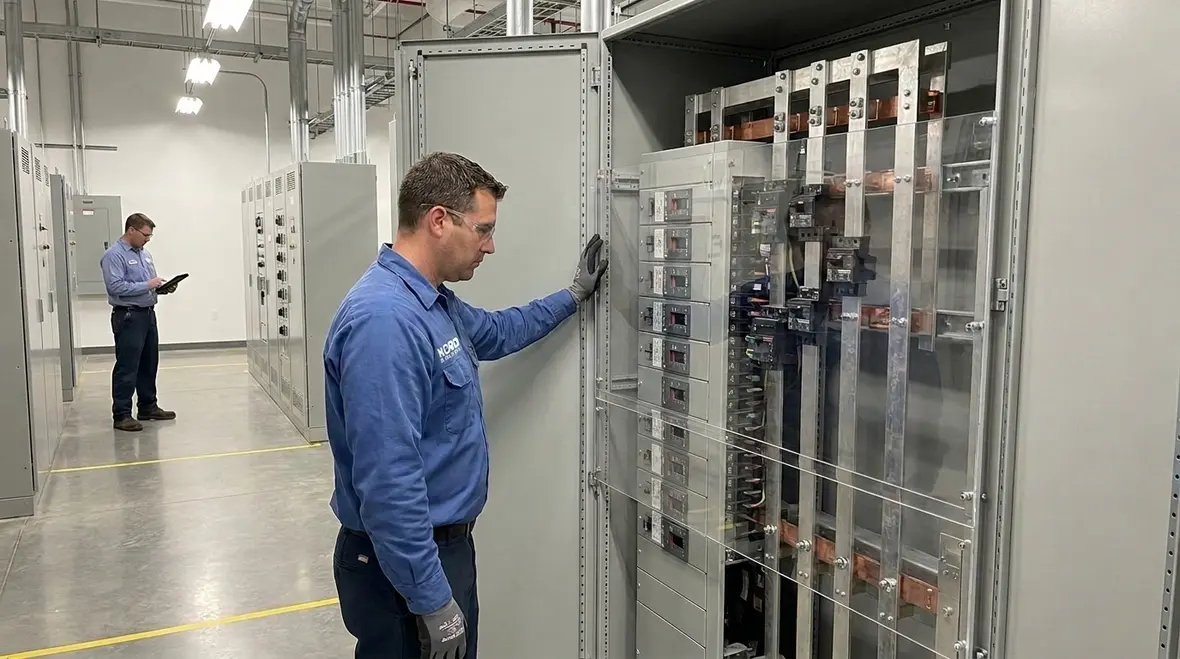
NFPA 70 Section 110.18 Guarding Arcing Parts for Safety
Kord Electric supports commercial and industrial facilities with electrical safety systems that stand up to real-world risk. Early in our planning, we focus on NFPA 70 Section 110.18, which sets guarding rules for arcing parts. We make sure the NEC arcing parts guarding code is followed when equipment could expose workers to dangerous arc energy. Then we explain the “why” in plain words, because no one should need a law degree to understand why a cabinet door matters. Our technicians and expert service staff review the setup, confirm the correct barriers, and help facility teams reduce hazards before an incident forces the lesson. And yes, we promise that the explanation will be less chaotic than a sitcom plot twist that arrives five minutes too late.
Why guarding arcing parts matters in commercial and industrial sites
In a major property building, electrical work happens in tight spaces and during demanding schedules. However, arcing faults can happen fast, and the energy can injure people and damage equipment. When hot gases and molten material escape, the results can spread beyond the original fault point. Therefore, guarding is not optional “nice to have” work. It acts like a safety buffer between electrical hazards and the people who must operate, maintain, or respond.
We see it clearly in the field. Equipment rooms, switchgear areas, and panel spaces often get treated like back hallways. Yet those areas can contain parts that are energized and capable of arcing. As a result, the NEC arcing parts guarding code aims to prevent accidental contact and reduce the chance that a flash event reaches the worker. We also remind teams that guarding does not replace safe work practices. It adds protection, and then our service staff helps people keep those practices consistent.
NFPA 70 Section 110.18 in plain terms
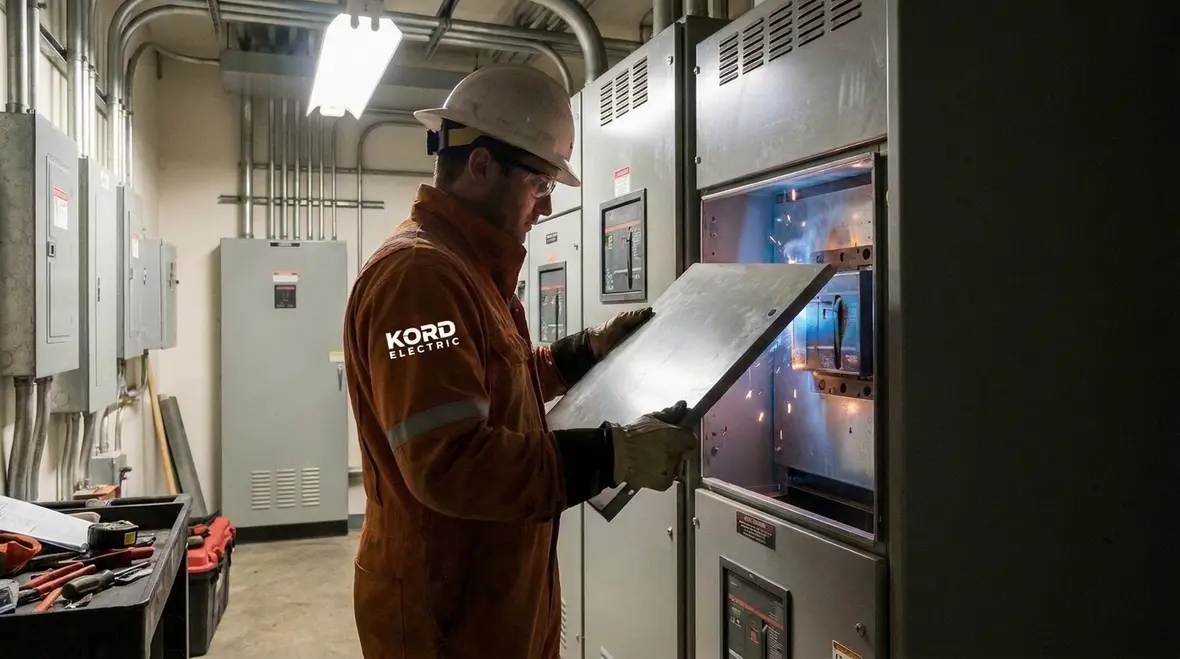
NFPA 70 Section 110.18 establishes requirements for guarding around energized electrical parts that could cause injury through arcing. To follow the rule, we verify the condition of the equipment, then apply guarding where the NEC requires it. We also look at the location, the likelihood of exposure, and who might gain access.
Most facility teams do not want a safety program that relies on memory. So we translate the rule into actions. Our technicians identify exposed conductive parts where they should not be touched. Then we confirm the guard type, the physical barrier limits, and the access controls. In other words, we treat this like a system. We do not just “add a cover.” We build the correct protection around the right hazard.
And because reality does not pause for manuals, we verify how the building team will use the area. If a door stays propped open because someone needs to “just get through,” the guarding plan fails in practice. So we help clients align the guarding with daily operations.
How we identify the risks of exposed arcing parts guarding code compliance
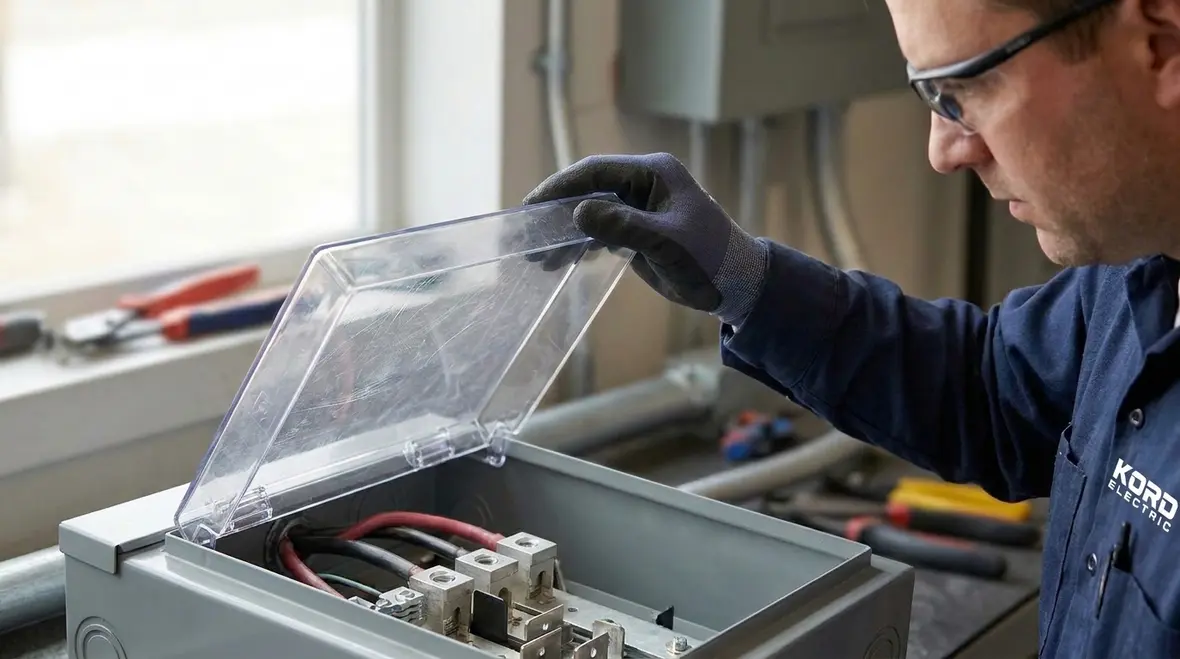
When we evaluate a site, we first confirm the equipment layout and the access paths. Then we map where workers could reasonably reach or where tools might enter. This matters because guarding requirements hinge on exposure. If the energized parts can be contacted by people under normal conditions, guarding must manage that risk.
Next, we examine the type of equipment. Switchboards, switchgear, panelboards, and similar systems can contain parts that produce arc energy if faults occur. Then we consider openings, covers, and access panels that could expose the parts. Even small openings can change the risk profile if someone can insert a hand or object.
We also check how the facility handles maintenance and upgrades. For example, a later modification can create new access angles or remove an existing barrier. Therefore, we treat guarding as part of lifecycle management, not a one-time checkbox.
Guard types and access control for energized parts
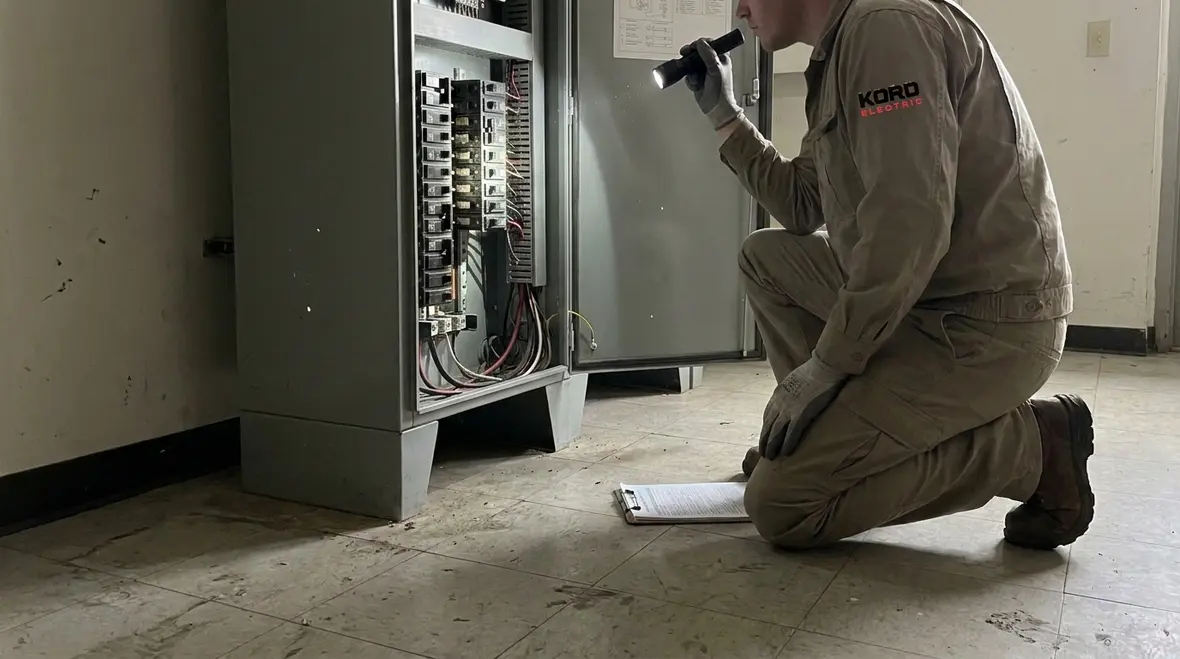
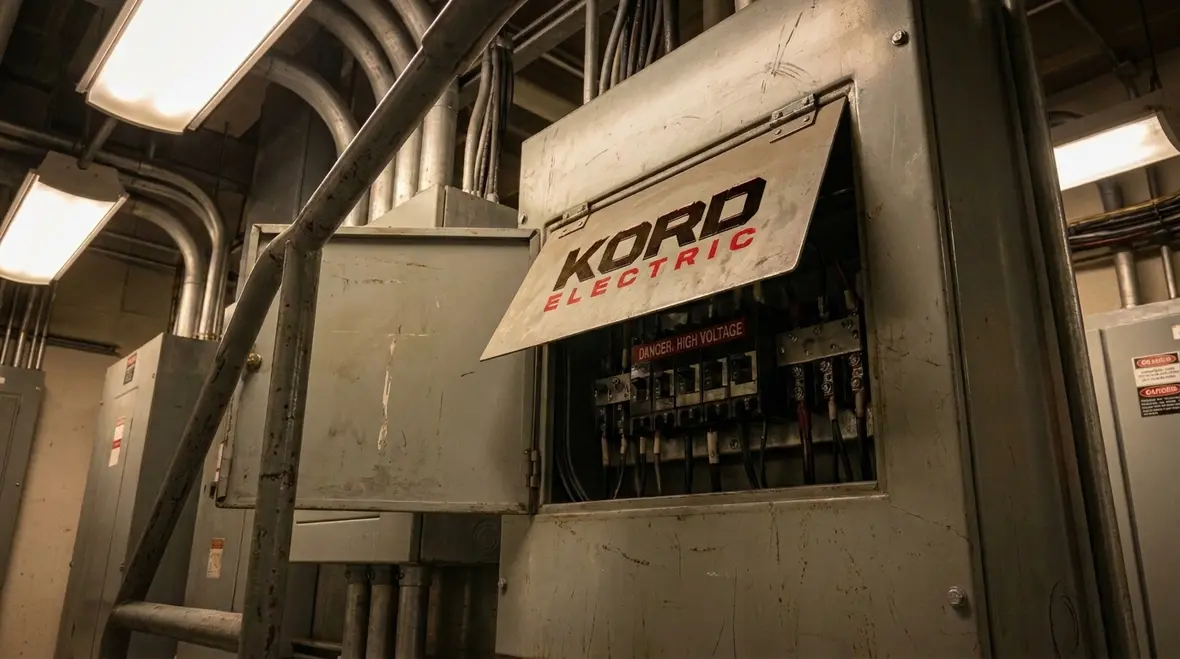
Guarding often means more than a metal sheet. Depending on the situation, we may need fixed barriers, covers, or other protective methods that prevent contact with arcing parts. The goal stays the same. We stop accidental entry and limit the reach of tools or hands into the danger area.
Access control also plays a role. If a guard blocks a hazard, the facility still must manage who can open the area and under what conditions. Our expert service staff explains this in clear language to the people who manage access, not just to the electricians who work the equipment. As a result, the system holds up during busy shifts, contract work, and inspections.
Below is a practical snapshot of how we think about guard decisions. We use this only as a starting point, then we verify the exact equipment and exposure conditions on site.
If you have ever watched a security camera feed and thought, “Why would anyone do that?” this is the opposite. We design guarding so people do the safe thing by default.
Coordination with arc flash risk and equipment labeling
Many teams hear about arcing parts guarding and then stop there. We do not. In commercial and industrial facilities, guarding fits into the broader safety picture that includes arc flash risk, incident prevention, and clear communication.
So we connect the dots between physical guarding and electrical safety planning. First, we confirm that the equipment is correctly enclosed, and that the guarding supports safe access. Then we verify that labels, procedures, and workplace control match the actual hazard. If the warning tells one story and the equipment setup tells another, workers get confused under stress. Confusion costs time and can lead to unsafe actions.
We also coordinate with facility teams so maintenance schedules do not weaken the guarding plan. After all, a protective barrier that gets removed for convenience becomes an accident waiting for a Tuesday.
When clients need guidance, we point them toward the NEC context and interpretations used in compliance planning. We also reference industry resources such as the national electrical code overview content and the fire safety materials available from our networks, including sites like Kord Fire and related compliance education sources. For deeper code context, many facility teams also review Kord Electric’s article Understanding NFPA 70: The National Electrical Code Explained for 2026 to connect Section 110.18 with the wider NEC structure.
Common mistakes we see during electrical room reviews
During reviews, our technicians and expert service staff often find patterns that break the NEC arcing parts guarding code intent. We address them directly because prevention beats rework every time.
First, some facilities assume that an enclosure itself guarantees protection. However, access panels, openings, and removable parts can expose hazardous areas when they are improperly installed or left unsecured. Therefore, we check not only the “big box,” but also the details that people touch every day.
Second, others treat guarding as a static item. Yet maintenance work changes equipment. When someone later upgrades wiring, adds a component, or modifies access paths, the guard plan can drift out of compliance. So we document the correct setup and then verify it after changes.
Third, people sometimes store tools or materials near guarded equipment. This can interfere with barriers, block access routes for safety response, or encourage unsafe contact behaviors. We help clients manage the space around the equipment so guarding stays effective.
FAQ on NFPA 70 Section 110.18 guarding arcing parts
Bottom line: protect people and keep systems audit ready
At Kord Electric, we help commercial and industrial facilities meet NFPA 70 Section 110.18 guarding requirements with real site evaluations, clear explanations, and practical installation support. Our technicians and expert service staff do more than check boxes. We verify exposure, confirm guarding methods, and align the work with day to day operations so safety holds up long after the inspection.
Because guarding around arcing parts connects directly to your broader power reliability, tenant comfort, and uptime goals, many property teams also coordinate this work with our wider Los Angeles County electrical services for commercial and industrial facilities. That way, panel upgrades, preventive maintenance, and NEC arcing parts guarding code compliance move in the same direction instead of becoming separate projects that compete for time and budget.
If you want a guarding plan that stands firm under maintenance and scrutiny, contact us today for a review and next-step recommendations. We help you keep people protected, keep documentation ready for inspections, and keep your electrical system calm when the schedule is anything but.


