NFPA 70 Section 110.28 and NEMA Enclosure Types Explained
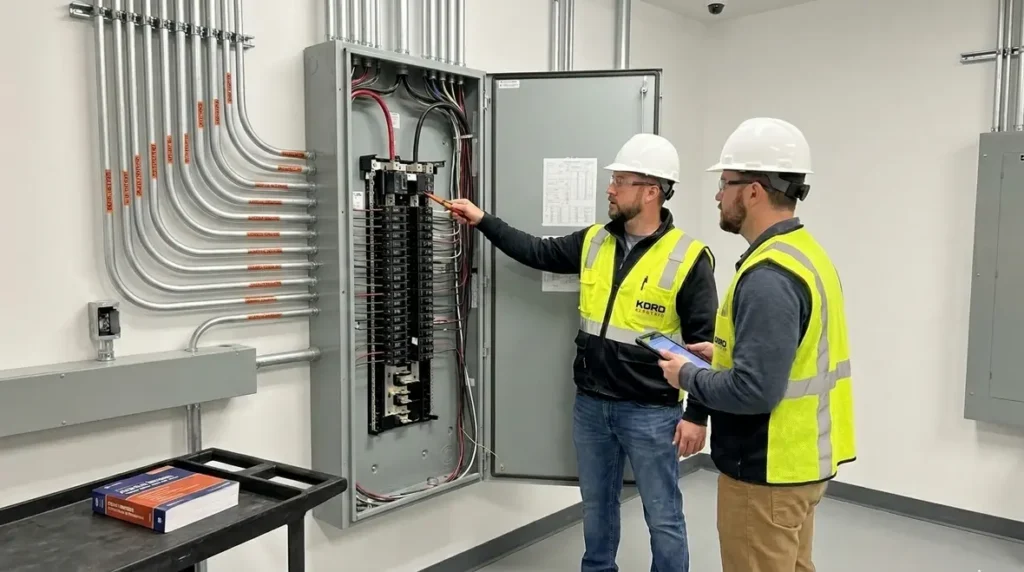
Kord Electric supports commercial and industrial facilities, and we treat electrical safety like it deserves the same respect as a locked door at closing time. In our work, we often see teams stumble over NFPA 70 Section 110.28, especially the part that points to enclosure types, known by NEMA ratings. In plain terms, NEMA ratings describe how an electrical enclosure holds up against dust, moisture, and tough site conditions. So whether the gear sits in a clean office corridor or takes a daily beating near a loading dock, we guide our clients with calm, clear explanations. Our technicians and expert service staff break down what matters, and they do it with the patience you want when the stakes are high and the schedule is tight.
What NFPA 70 Section 110.28 really asks for
NFPA 70 Section 110.28 focuses on how electrical equipment is protected by its enclosure and installation. In other words, it does not just care that equipment exists. It cares that the enclosure type fits the environment and the wiring method. As a result, a mismatched enclosure can turn routine maintenance into an expensive scavenger hunt for moisture intrusion and dust-packed failures.
At Kord Electric, we explain this in the field like this: the enclosure is the armor, and the NEMA rating tells you which threats it can handle. Furthermore, Section 110.28 pushes the idea that equipment must remain safe and functional under real-world conditions, not just on paper.
And yes, we have seen it. Someone once installed equipment where the conditions screamed “wet location,” but the enclosure acted like it was living in a museum gift shop. That setup lasted long enough to teach everyone a lesson. Then we fixed it with the right rating, proper installation, and correct sealing practices.
NEMA ratings and enclosure types: the short version
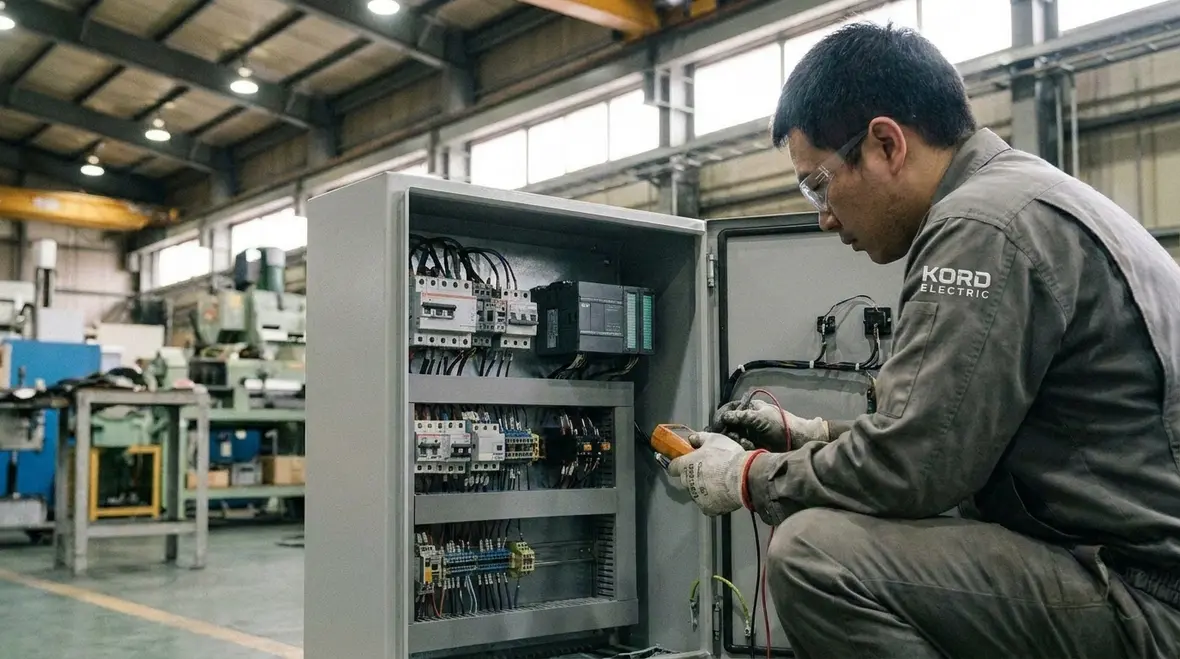
When people hear “enclosure types,” they often expect a list and nothing more. However, the NEMA rating is more like a story. It tells you what the enclosure can resist and what it can not. For commercial and industrial projects, this matters because environments vary across a single building. One room may have stable air and dry surfaces, while another may face washdown, corrosive fumes, or heavy condensation.
In general, NEMA ratings cover exposure to things like dust and water. Some enclosures are made for indoor use, while others perform outdoors or in areas where cleaning water and humidity show up regularly. Yet the real win comes when the enclosure rating matches the site conditions for that specific area of the facility.
Our expert service staff uses this logic during planning reviews. They look at where gear mounts, how air moves, where cleaning happens, and how likely water or dust becomes trapped inside. Then they recommend the right enclosure approach for the building’s needs, not just a generic option that fits nobody’s environment.
Where enclosure choices fail in real commercial sites
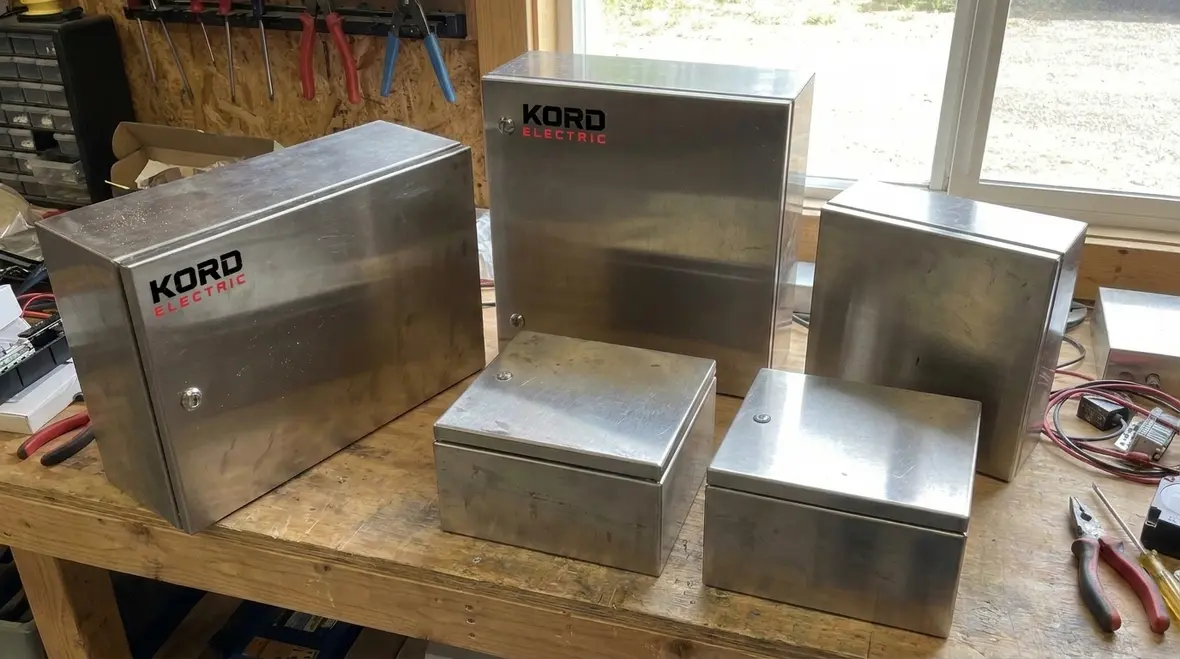
Even strong designs can stumble during execution. So we look for the usual problem zones before they become outages. First, field modifications can reduce protection if they introduce gaps, improper fittings, or missing seals. Second, teams sometimes choose an enclosure for a worst case that never happens, which drives cost without adding real safety. Third, teams sometimes choose a cost-saving enclosure and hope the site stays mild. That hope usually ages like milk in a hot electrical room.
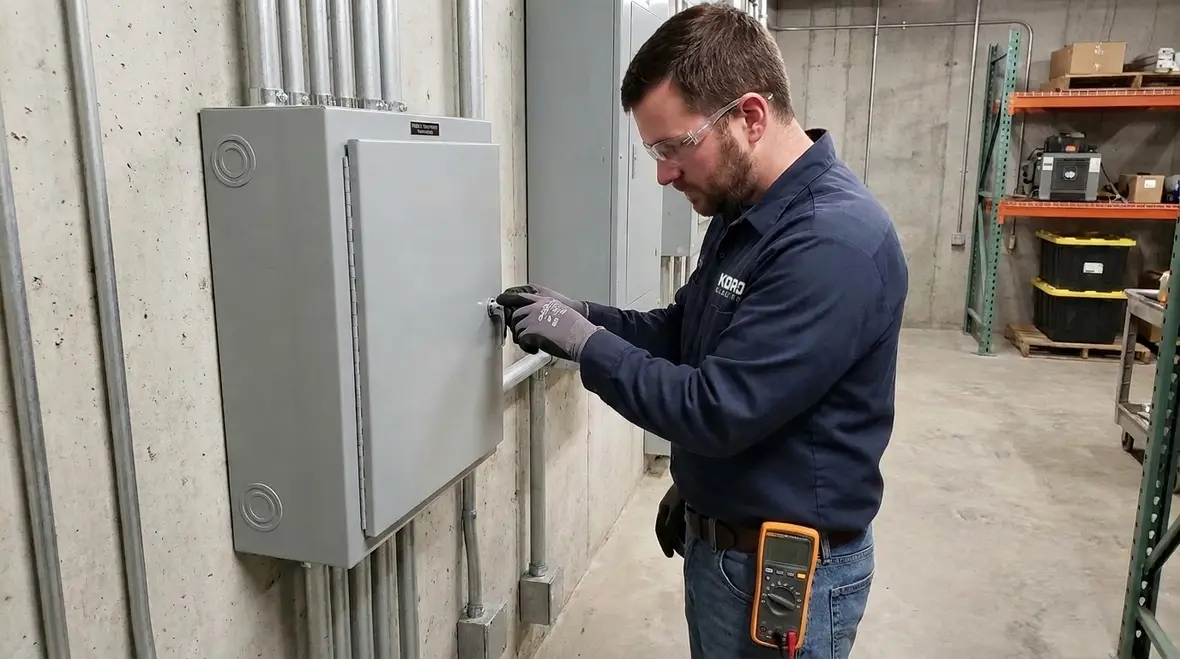
We also see failures from installation details. Conduit entry points, cable glands, knockouts, and unused openings all matter. If an enclosure remains “technically” compliant but gets treated loosely during commissioning, the rating can be undermined. Moreover, condensation can form where warm humid air contacts cooler metal, especially in tall spaces with uneven temperature control.
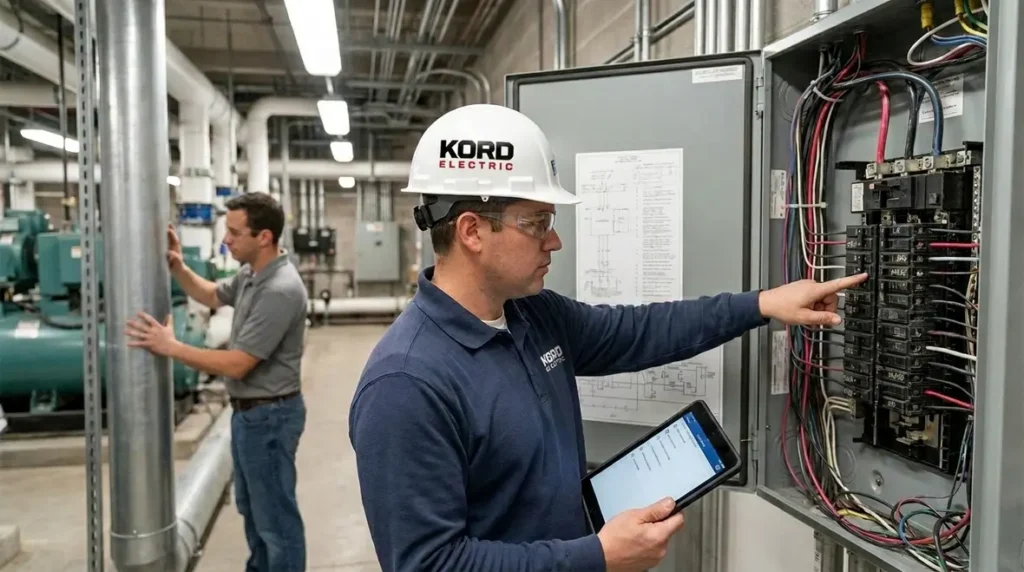
That is why our technicians document how equipment receives its protection. They verify fittings, check the sealing method, and confirm that covers and doors close fully. Then, they align the approach with the facility’s actual use: process areas, mechanical rooms, loading zones, and service corridors where conditions change throughout the day.
Using NEMA protection to match the location and risk level
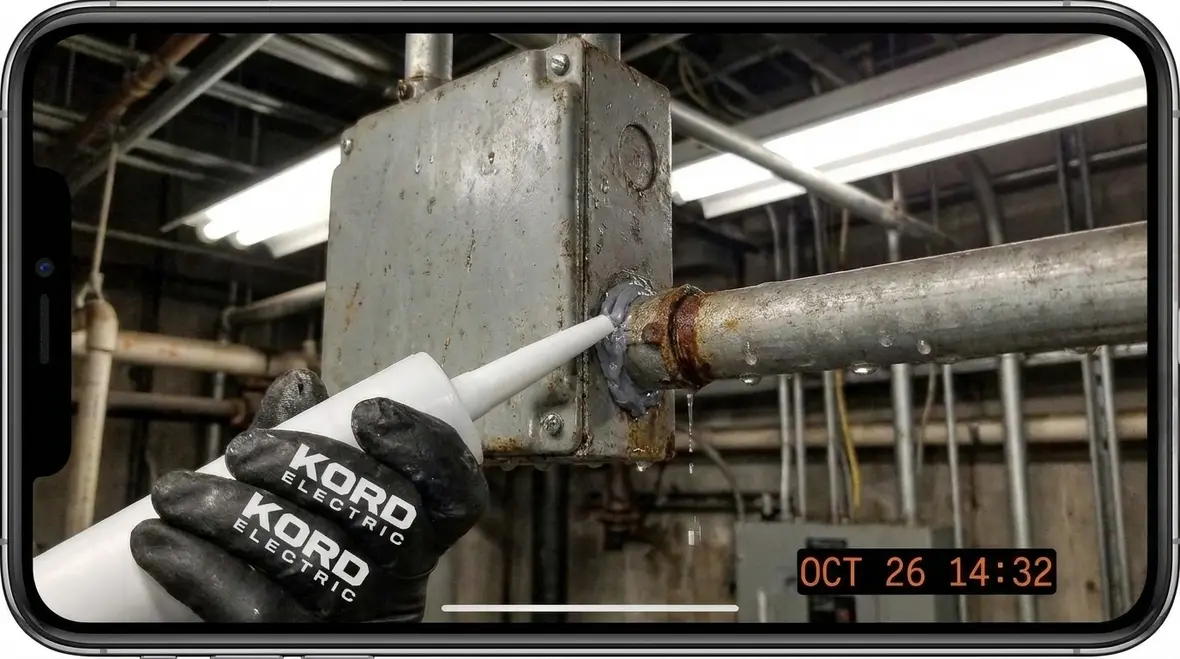
To make the enclosure choice practical, we treat the building like a map of hazards. A commercial office suite does not behave the same as an industrial maintenance bay. And in major property buildings, risks can shift by floor, wing, or even by wall.
Here is how Kord Electric helps clients match NEMA-rated enclosures to site conditions, using plain language and a calm plan:
- Indoor dry spaces: We focus on enclosures that handle routine indoor exposure without inviting dust or moisture into the enclosure. This supports long service life and predictable maintenance.
- Commercial corridors and public-facing areas: We account for cleaning schedules, humidity swings, and traffic-related dust. The enclosure must stay protected when staff performs routine wipe downs.
- Equipment rooms with humidity: We account for condensation risk. If airflow and temperature changes happen often, the enclosure must resist moisture intrusion and keep internal components stable.
- Process areas and exterior-adjacent gear: We plan for dust, water splash, and weather exposure where applicable. This prevents corrosion and short-lived components.
- Where hoses or washdown occur: We match the enclosure approach to the cleaning method so water does not become a guided tour into the control cavity.
Next, we align the enclosure rating with the wiring method and how the system gets serviced. If a team must open the enclosure frequently, we still protect the inside with the right construction and sealing. Then we keep the maintenance workflow safe and efficient, because downtime costs more than patience.
How our technicians explain the details without the drama
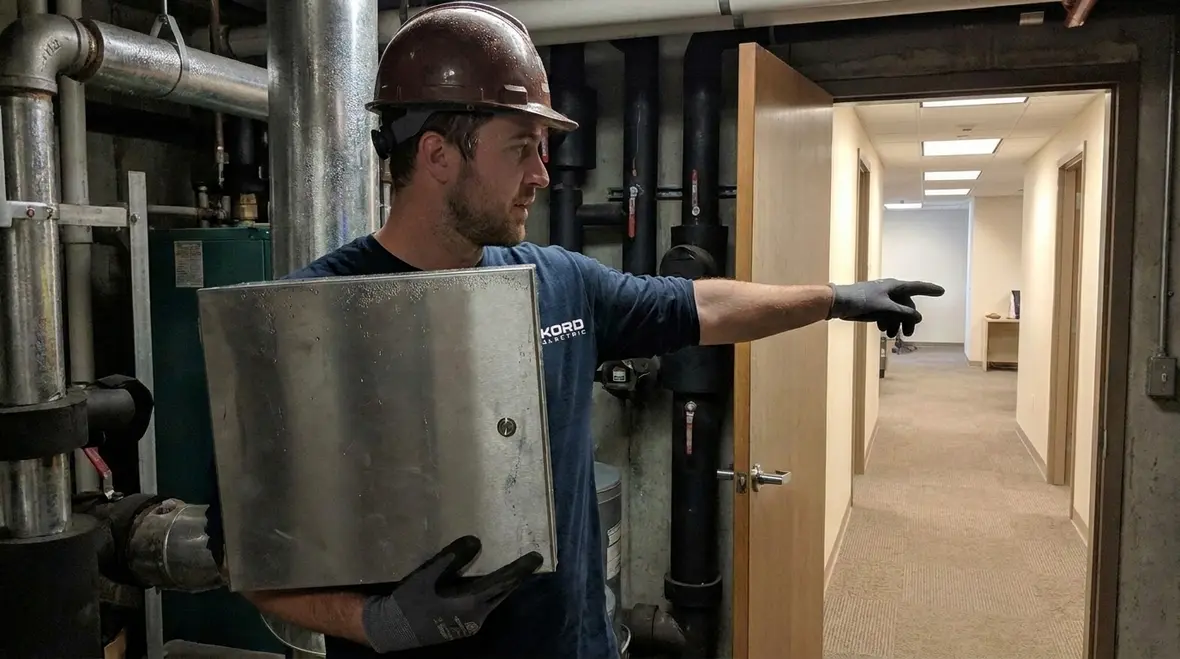
People do not call electricians because they want a lecture. They call us because they need the right solution now, and they want to understand it without feeling like they missed a memo from the Electrical Code gods.
So our approach stays business casual and clear. Our technicians and expert service staff walk the site, then they talk through what they see. They explain why certain openings matter, why cable entries can leak, and why “close enough” on a cover can become “please explain this failure” six months later.
Then they connect it back to NFPA 70 requirements for safe enclosure protection. Instead of vague statements, they give a direct path: what to verify during install, what to keep sealed, and what to inspect during commissioning. As a result, our clients get solutions they can defend with confidence during audits and maintenance planning.
And if someone asks, “Do we really need to check that?” our technicians answer with the kind of calm honesty that saves time. Because yes, you should. Electricity enjoys misunderstandings, but it does not reward them.
NEMA enclosure ratings and coordination with broader electrical compliance
Enclosure selection does not live in a vacuum. It works alongside other compliance requirements in the electrical system. For example, teams also need to coordinate conduit practices, grounding and bonding, labeling, and maintenance access. When those pieces align, the enclosure rating becomes a strong protective layer rather than a label stuck to the side of equipment.
Kord Electric also keeps a close eye on industry guidance that supports safe installation and maintenance. We reference the kinds of explanations commonly found in reputable NEC-focused resources, including our own guide Understanding NFPA 70: The National Electrical Code Explained For 2026, and we use that knowledge to help facility teams move from “we think it is okay” to “we know it is correct.” Additionally, for facilities with fire life safety priorities, our coordination approach helps electrical gear maintain safe performance, which supports overall building safety goals.
Meanwhile, we keep the work targeted to commercial and industrial facilities and major property buildings. We do not treat every customer the same, because the risk profile is not the same. So we build enclosure decisions around the operational reality of the client, not around generic assumptions.
When enclosure protection lines up with NEC requirements, it also supports broader infrastructure planning. In practice, that means we often pair enclosure reviews with discussions around panel upgrades, power distribution, and code-driven improvements already outlined in our larger NEC resources. For facilities planning significant changes, this kind of coordination often happens alongside services similar to our Los Angeles County electrical services work, where compliance, documentation, and uptime all matter at the same time.
Frequently asked questions about NFPA 70 enclosure types and NEMA ratings
Final word from Kord Electric
If your facility needs electrical equipment that truly holds up, we can help you match NEMA enclosure types to real site conditions, review installation details, and plan maintenance that keeps protection intact. Our technicians and expert service staff explain the “why” behind every recommendation, so your team can make solid decisions without guesswork. Contact Kord Electric and we will walk through your locations, hazards, and equipment needs, then put a clear plan in place. Because in commercial and industrial settings, prevention beats repairs every time.
For facility leaders planning broader upgrades or compliance work, this enclosure-focused view pairs well with our NEC and NFPA 70 resources that explain the rulebook in plain language. Whether you are reviewing NEC enclosure types NEMA ratings for a single room or coordinating a full electrical refresh across a major property, the goal stays the same: choose the right protection, install it correctly, and keep it that way over the life of the equipment.