
NFPA 70 Section 110.8 Permitted Wiring Methods Overview
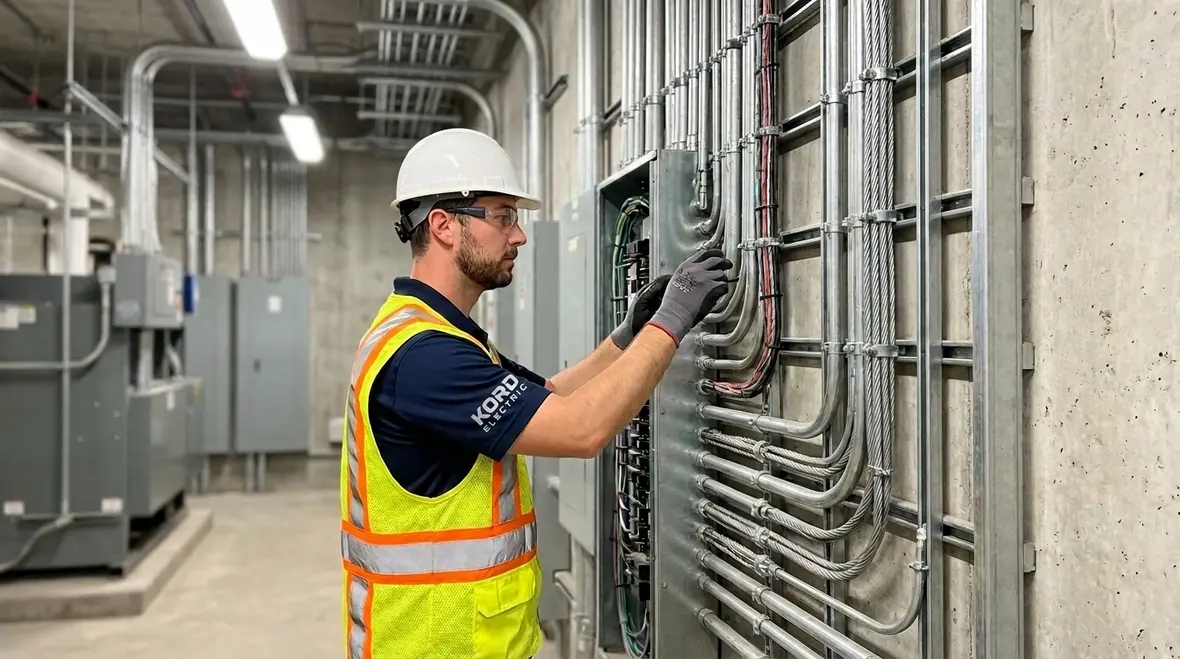
Kord Electric supports commercial and industrial facilities, as well as major property buildings, and we do it with the calm confidence of people who read the rules before they touch the wire. In this guide, we walk through NFPA 70 Section 110.8, which covers the Permitted Wiring Methods used in electrical installations. Early on, we highlight the big idea behind the NEC permitted wiring methods overview: the code allows wiring to be installed using specific methods, and it also requires those methods to match the conditions of the space. Then, we explain how technicians and expert service staff interpret those requirements in the real world, where dust, moisture, heat, vibration, and access rules all show up like guests you did not invite.
Why Section 110.8 matters for commercial electrical work
Section 110.8 is not the kind of section anyone reads for fun, but it is the kind that keeps a facility safe when conditions change. First, electrical systems must stay reliable, even when a building cycles through seasons, occupancy changes, and equipment upgrades. Next, wiring methods need to handle the environment and the physical stresses found in commercial and industrial locations. In other words, a wiring method that looks fine in a showroom can fail in a plant aisle, a mechanical room, or a loading dock.
Additionally, Section 110.8 connects wiring methods to practical installation expectations. For example, it helps ensure cables get protected where they need protection. Also, it pushes designers and installers to choose methods that fit the pathway and the end use. When we send our technicians, we also tell them this: the code is not a suggestion, and “close enough” is how problems get promoted to full-time staff.
For facility leaders who want a broader grounding in how NFPA 70 shapes everyday decisions before they zoom in on Section 110.8, it also helps to review how the rulebook works at the big-picture level. Kord Electric breaks that down in their guide to the 2026 edition of the code, which connects system planning, inspections, and long-term reliability in one place. You can explore that context in their article, Understanding NFPA 70: The National Electrical Code Explained for 2026, before you dive deep into wiring method choices for a specific facility.
Permitted wiring methods overview in plain business terms
To keep this clear, the NEC permitted wiring methods overview focuses on two layers. First, the code permits certain wiring methods. Second, the method must match the conditions where it runs. So, we do not just ask what is allowed; we ask where and how it will be installed. That is the difference between a compliant system and a system that only behaves until the next construction phase or maintenance event.
Our expert service staff explain it this way on site. They point to the route, they check exposure risks, and then they confirm the installation supports the allowed method. If the wiring is subject to damp locations, physical damage, or heat, we align the method to that risk. And when the project involves multiple trades, we coordinate so the pathway stays protected through installation and future upgrades.
Translating the rulebook into installation choices
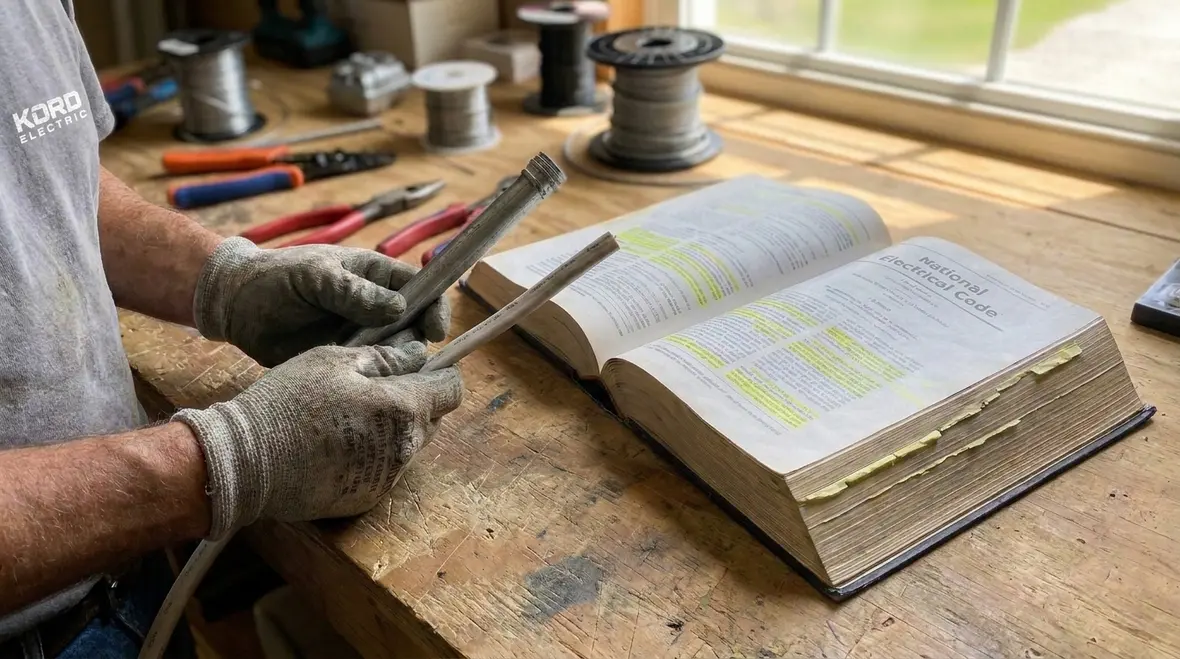
On paper, the list of permitted wiring methods can read like a catalog. On site, it turns into a set of decisions. Conduit versus cable assemblies, exposed versus concealed runs, supplemental protection versus rerouting—each choice ties back to the conditions described in Section 110.8. Our teams walk those conditions with field leadership, so the final installation does not just pass an inspection once but holds up through years of change and maintenance cycles.
Choosing the right wiring method for real building conditions
In commercial and industrial facilities, the wiring method must survive the building’s daily life. Therefore, we treat the site like a checklist, not a guess. For instance, there is a major difference between an office suite and an electrical room behind production equipment. Even within the same building, routing can shift from clean corridors to areas with moving carts, heavy doors, and occasional impacts.
So, we evaluate key conditions before we install. Then, we match the wiring method to those conditions. We also review how the cable enters and exits equipment spaces, because those transitions often create the most trouble. After all, “the straight run looks good” is a phrase that usually shows up right before a corrective work order.
From “nice drawings” to resilient routes
Design drawings are where the story starts, not where it ends. As-built field conditions add columns, support steel, ductwork, and other trades to the picture, which can pressure wiring routes into vulnerable spots. Our technicians walk the site, compare plans to reality, and adjust routes so the permitted method still meets Section 110.8 expectations. That often means coordinating with mechanical and fire protection partners to keep clearances, protection, and access in balance.
Considering future expansions and upgrades
Most commercial and industrial buildings are not frozen in time. Tenants change, production lines move, and new equipment appears. When we select a wiring method under Section 110.8, we also ask what happens during the next change. Can the pathway accept additional circuits without improvisation? Will the protective method still make sense if loads grow? Planning around those questions saves downtime and avoids the kind of hurried “fixes” that quietly erode compliance over the years.
How technicians apply Section 110.8 on the jobsite
When our technicians work under NFPA 70 expectations, they do more than pull cable and tighten connectors. They confirm that the permitted wiring method stays permitted through the full path. That means they verify the raceway type or cable assembly, check fittings and support, and ensure routing stays consistent with the code rules tied to environment and protection.
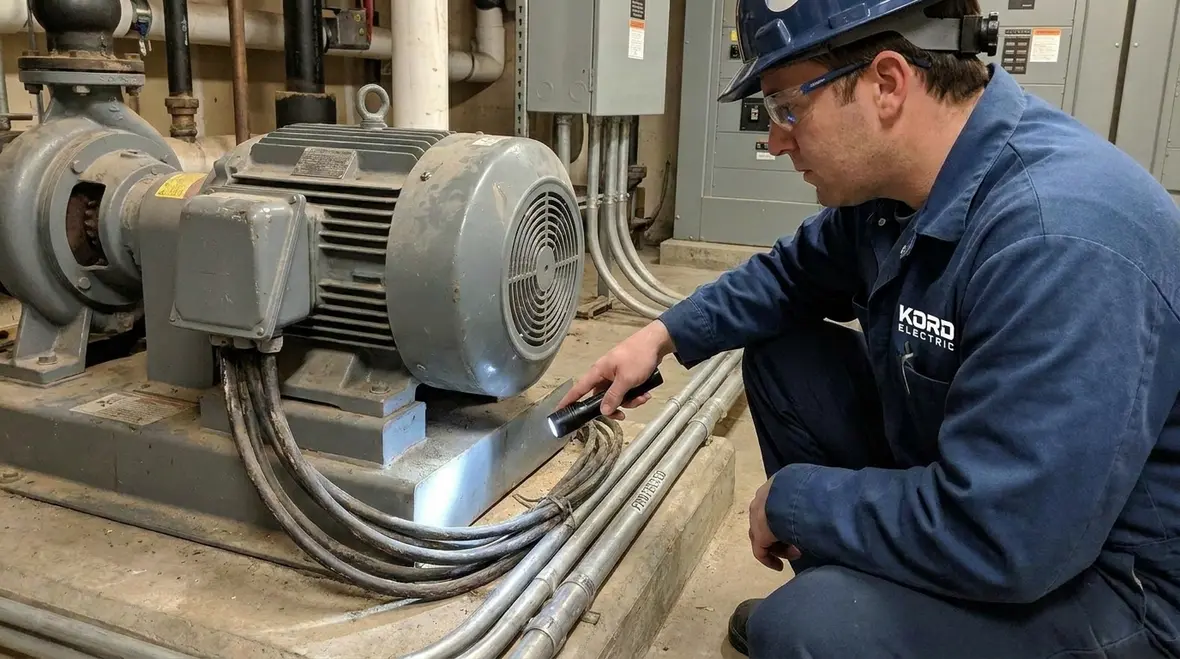
In many cases, the method must include protection against physical damage. Also, it must address support and spacing so cables do not sag or overheat. Then, the installation must keep the integrity of the wiring system during maintenance access. If a facility uses frequent panel openings, our team considers how the wiring enters, how it stays organized, and how it avoids stress at bends.
We also make sure documentation stays clean. Therefore, if a later team needs to modify the system, they can follow the design intent without playing electrical detective. If the building owner wants a straightforward record, we build that record during install and service.
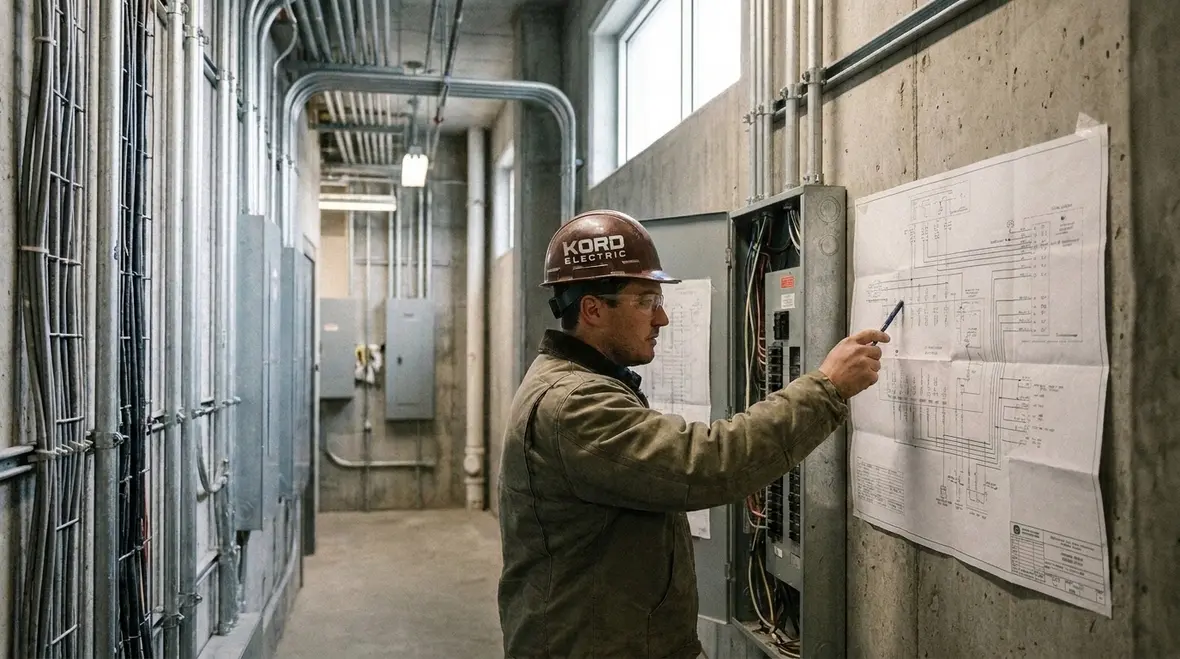
Jobsite checks that keep wiring methods compliant
- Confirming the chosen wiring method remains permitted everywhere along the route, not just at the starting point.
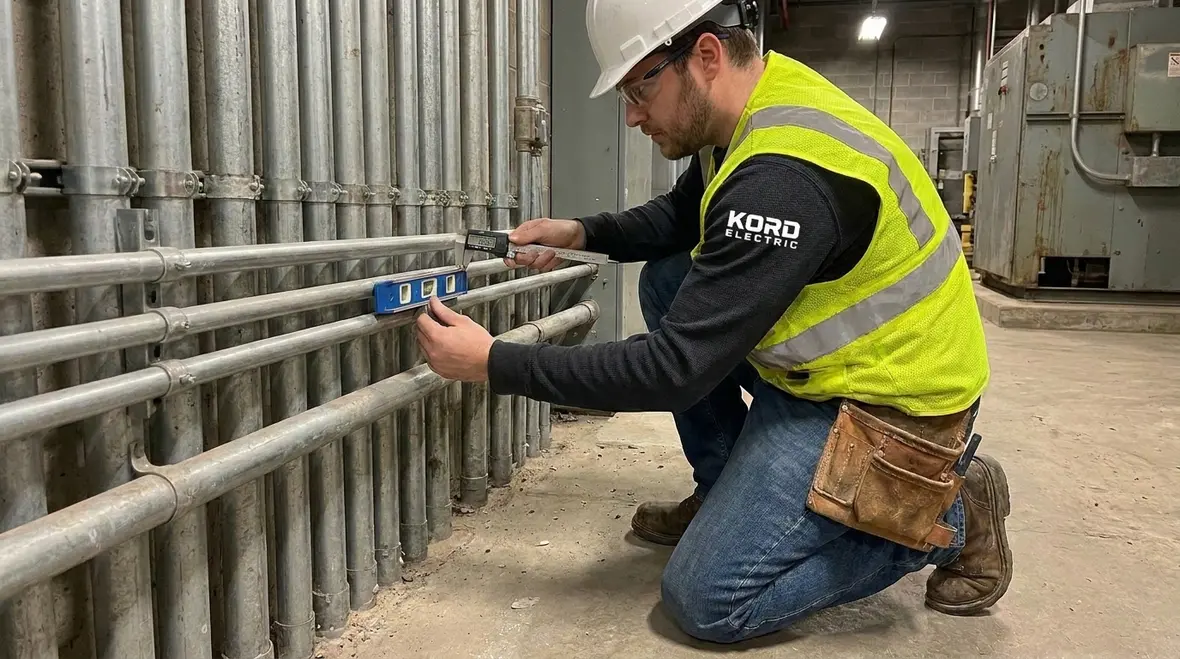
- Verifying supports, hangers, and fasteners match code expectations for spacing and mechanical strength.
- Protecting wiring at transitions, terminations, and entry points where physical damage risk jumps.
- Coordinating labeling and panel schedules so future work lines up with the original design intent.
- Documenting field adjustments so as-built conditions still reflect Section 110.8 expectations.
Common compliance issues we prevent before they become downtime
Commercial operations do not pause because a cable was installed the wrong way. And that is why we focus on early prevention. First, we address routing conflicts. When trades crowd the same space, cables can get pushed into poor pathways. Next, we watch for “field shortcuts,” where someone swaps one component for another without checking the wiring method rules.
Additionally, we prevent problems by controlling installation quality. Our teams keep supports consistent, they confirm terminations, and they review how the wiring method handles exposure. Then, we verify the system stays workable during expansion. Most facilities do not stay the same for long, and wiring systems must adapt without turning into a patchwork that fails inspections.
And yes, sometimes we have to gently remind people that electricity does not care about deadlines. It cares about design, installation quality, and safe wiring methods that match the environment.
Examples of wiring method pitfalls we catch early
- Cables installed too low in high-traffic aisles where pallets, carts, or forklifts can strike them.
- Raceways routed through spaces that later become storage zones full of materials pressing on conduits.
- Unsupported vertical runs that slowly sag toward sensitive equipment or access ways.
- Mixed fittings or connectors that are not listed for the specific cable or raceway type being used.
- Changes from dry to damp or wet locations without adjusting the wiring method or its protection.
Coordinating NFPA 70 expectations with inspections and ongoing service
Section 110.8 does not exist in isolation, and we treat it that way. Because commercial and industrial projects often require multiple review stages, we plan for inspection readiness from the start. Then, as projects move, we keep alignment between drawings, field conditions, and the final installation.
Our approach also supports ongoing service. When facilities plan repairs, cable tracing, and equipment swaps, the wiring method matters. A system built with clear pathways and permitted wiring methods makes troubleshooting faster, safer, and less disruptive. On the other hand, a system that drifts away from the permitted wiring methods overview can turn routine service into long hours of investigation.
When our service staff returns for maintenance, they can explain the “why” behind the installation. That calm, step by step style helps facility managers understand how the system behaves and what changes can be made without breaking code intent.
Keeping inspections predictable instead of stressful
Inspectors focus on whether the installed wiring methods match the code, the listed equipment, and the documented intent. We make that review easier by aligning labels, panel schedules, and route choices with Section 110.8 from day one. That way, when the Authority Having Jurisdiction walks the site, the story they see on the walls and ceilings already matches the story written on the plans.
For facilities in regions with detailed regional requirements, such as jurisdictions that apply tight rules similar to those governing Los Angeles County electrical services, this alignment between design, code, and field execution is what keeps projects moving instead of stuck in rework loops.
FAQ for NFPA 70 Section 110.8 and permitted wiring methods
Ready for a wiring plan that holds up
If a commercial or industrial facility needs electrical work that stays safe, inspectable, and easy to maintain, Kord Electric is ready. We build installations around NFPA 70 requirements, including the NEC permitted wiring methods overview that supports dependable performance under real conditions. Then we back it with expert service staff who explain what they did and why it matters. Reach out to us so your project avoids costly surprises and keeps power where it belongs, on demand, on schedule, and without drama.
For facilities planning larger upgrades or new construction, it can also help to pair Section 110.8 decisions with broader system design choices. Resources on commercial power distribution, maintenance planning, and modern electrical system design available through the Kord Electric blog give you a fuller picture of how wiring methods fit into long-term reliability, uptime, and inspection readiness across the entire building.
And when you are ready to move from planning to field work, Kord Electric’s dedicated service coverage means your project can get NEC-focused support from crews who already understand regional inspection expectations, existing infrastructure, and how to coordinate work around live operations.


