
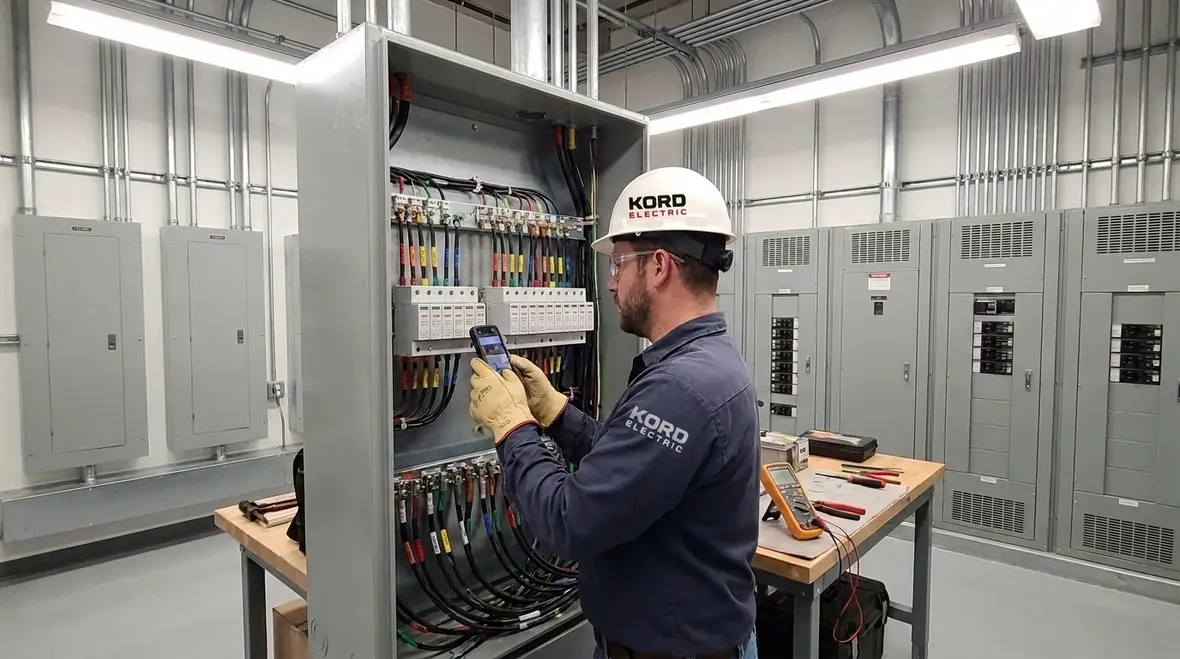
NFPA 70 Section 215.18 Feeder Surge Protection Planning
NFPA 70 Section 215.18 and why Kord Electric plans for surge protection early
At Kord Electric, we treat NFPA 70 Section 215.18 feeder surge protection rules like a blueprint, not an afterthought. We build our electrical planning around the NEC requirements that guide how feeders handle surge energy, so the building equipment does not take the hit when the power system gets stressed. In fact, our expert service staff will often explain that surges do not ask permission. They show up like a movie sequel nobody wanted, then they wreck the plot anyway.
Third party noise, utility switching, nearby lightning, and even industrial load changes can create voltage stress on electrical conductors. Therefore, we document the intent of the code, then we match it to the real risks found in commercial and industrial facilities. This article walks through the rules, what they mean in practice, and how we verify compliance so your systems stay stable when the rest of the grid gets dramatic.
Where Section 215.18 fits inside the NEC framework
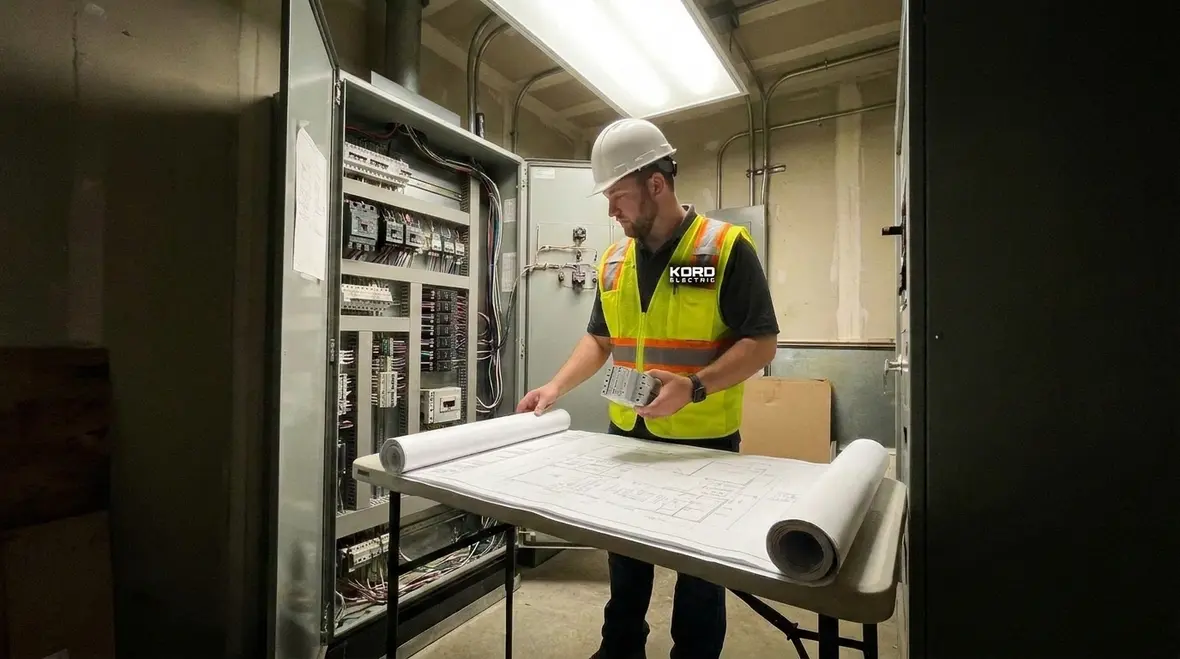
To understand the NEC feeder surge protection approach, we first place it in context. NFPA 70 structures requirements by function, and Section 215.18 lives within Article 215, which deals with feeders. Feeders power distribution at a site level, so the code treats them as a key path where surge conditions can transfer into building systems.
So, when we follow the NEC feeder surge protection rules, we do not just “add a part.” We align the plan with the goal: reduce damage and keep equipment within safe limits. Moreover, our technicians review how the facility is wired, how loads behave, and where sensitive electronics and control systems connect. That is because surge effects are not evenly distributed. They concentrate at certain points, especially where building wiring and equipment interfaces create new pathways.
In other words, we read the code like a traffic map. Then we build the safest route for the actual drivers, which in this case are your power loads. For facility leaders who want a broader backdrop on how the NEC works, resources like Understanding NFPA 70: The National Electrical Code Explained for 2026 show how Section 215.18 sits inside the larger rulebook that shapes every major electrical decision.
What triggers surge events that matter for commercial and industrial sites
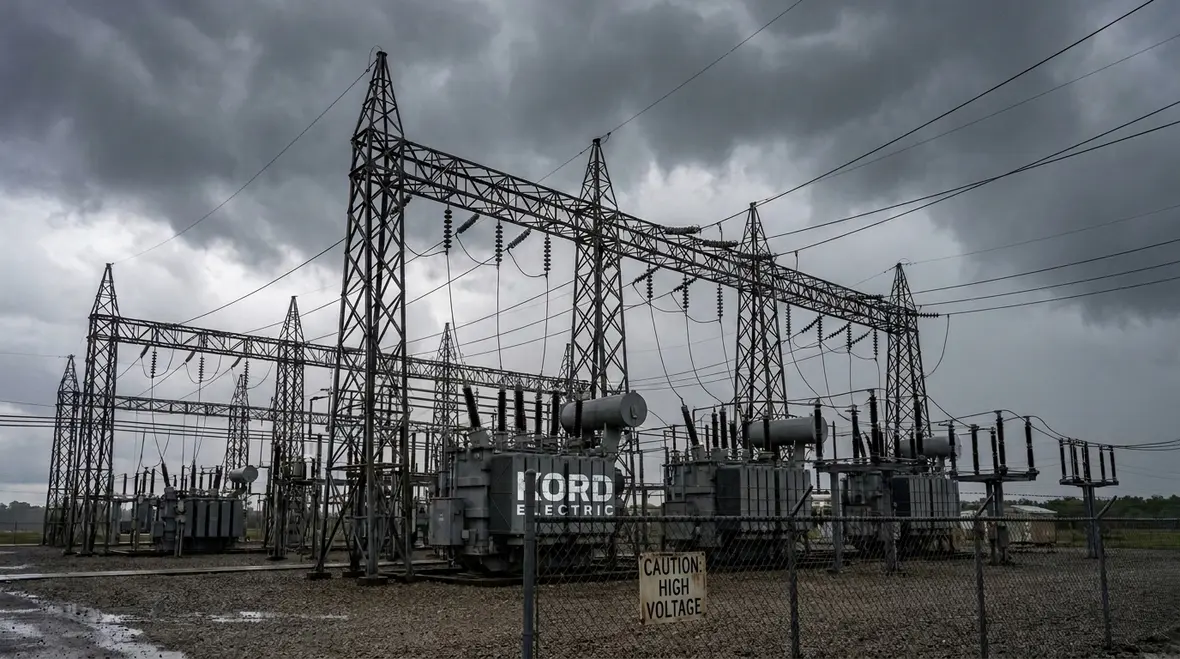
In the real world, surges come from more than one direction. First, lightning can induce high voltages through overhead conductors, nearby structures, and metallic paths. Even when the direct strike does not land on your building, the induced energy can still ride into the electrical system.
Next, utility switching events can create fast transients. When a utility opens or closes a switch, the voltage can bounce. Those bounces travel through the system like a ripple in a pond, then they meet the building’s feeder network. Also, large motors starting and stopping create voltage changes on site. While those are not always “surge” in the dramatic sense people imagine, fast changes can stress components, especially in facilities with heavy industrial loads.
Finally, a surge may appear during normal operations such as load transfers, generator switching, or changes in process equipment. Therefore, our expert service staff checks facility events, not just nameplate ratings. We ask how the site runs, because the code intent and the risk picture must match.
When we look at the pattern of these events, a clear theme shows up: the electrical system never lives in a lab. It runs in busy buildings where equipment starts, stops, and shifts modes all day. NFPA 70 Section 215.18 feeder surge protection rules acknowledge that reality by focusing on where surges enter and travel through feeders, rather than pretending that voltage is always calm and predictable.
How feeder surge protection rules shape design decisions

Section 215.18 feeder surge protection requirements drive several design choices. At a high level, we focus on whether surge protective devices are required and where they must connect within the feeder arrangement. However, the “where” is never just a location on paper. It affects coordination, service continuity, and how well the protection works during the actual transient wave shape.
For most commercial and industrial facilities, the protection strategy must integrate with the building’s distribution system. That means we evaluate main service setup, feeder panels, and where sensitive loads connect. Additionally, we consider how equipment is protected at the branch level versus the feeder level. Sometimes you can protect at multiple points, but the goal is coordination, not random piling on of devices.
When we design this, we verify that the surge protective devices used meet code intent for performance and application. We also look at the rest of the electrical system: grounding, bonding, and conductors. A surge device cannot do its job if the grounding path is weak or if connections are not made properly. So we treat installation details as part of compliance, not as “someone else’s problem.”
In practice, this design work pairs naturally with broader NEC planning. The same mindset that drives load determination, wiring integrity, and safe overcurrent protection also shapes where and how we apply surge protection on feeders. When facility leaders think about future EV charging, tenant build outs, or new process lines, we help them connect today’s NEC feeder surge protection rules to the long term roadmap instead of bolting devices on later and hoping for the best.
Yes, we know that is not how people talk in movies. In movies, the electrician shows up, flips one switch, and saves the day. In real life, it takes careful planning, proper installation, and testing.
Coordination and selectivity across panels, feeders, and loads
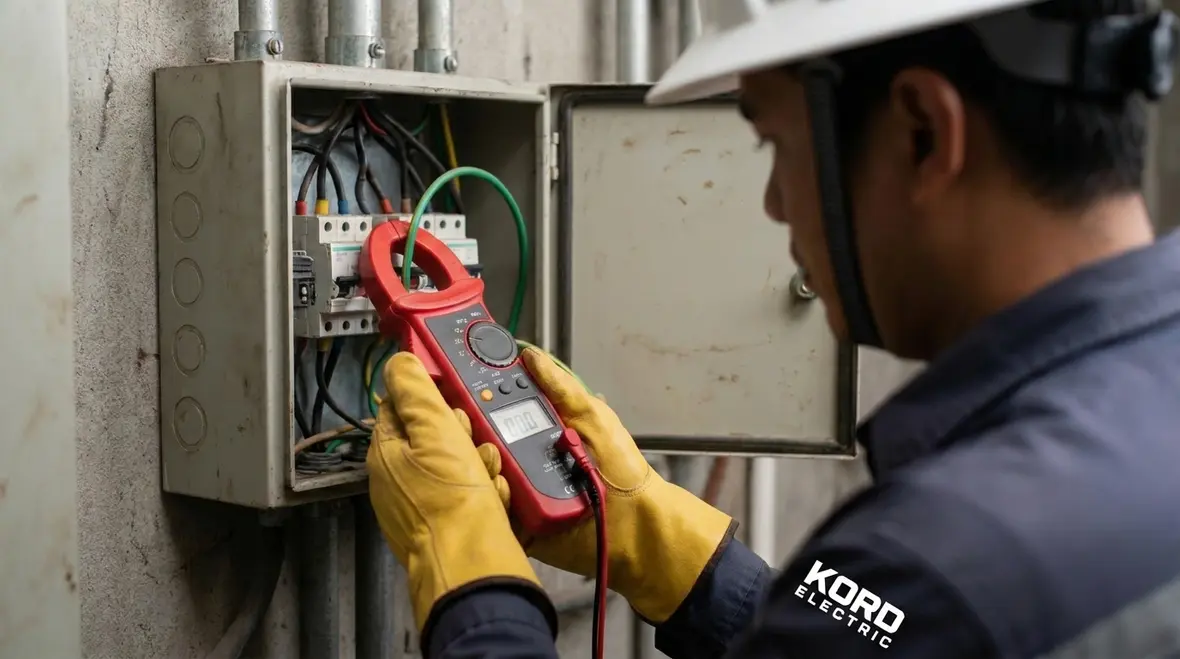
Surge protection works best when it behaves like a team. Therefore, we coordinate protection devices across the system. Coordination means the devices work together so the surge energy gets handled without creating unintended failures or nuisance tripping. In a facility with multiple distribution levels, we cannot treat each device as if it exists alone.
For example, a feeder level surge device may protect the upstream pathway, while downstream devices protect more sensitive equipment like variable frequency drives, PLC controllers, building automation systems, and server rooms. Yet, if those devices are not coordinated, energy may arrive at downstream equipment faster than the system can handle it. Also, the wrong configuration can increase stress on components that the code aims to shield.
Our technicians approach this with a practical workflow. First, they map the power path. Next, they confirm the surge protective device ratings and the application details. Then they review grounding and bonding practices, because the path for surge currents matters. Finally, we document the coordination approach so it is clear during inspections, audits, or facility upgrades.
That is how we keep the protection strategy from turning into a “hope and pray” plan. We prefer “measure and verify.”
Installation and verification steps that keep the system code compliant
Code requirements become real only after correct installation. So we focus on workmanship and verification. Our expert service staff does not just install devices; they confirm the physical and electrical details that influence performance. That includes proper conductor routing, secure terminations, and attention to how surge protective devices are connected within the feeder distribution equipment.
We also test the conditions that influence surge performance. For grounded systems, bonding integrity and grounding resistance checks help ensure the surge current has a reliable pathway. We verify that panel internals allow proper mounting and that connections do not rely on loose hardware or damaged parts.
Moreover, we document the installation so the facility team has a clear record. If the facility later expands, upgrades automation, or adds new process equipment, the historical documentation helps maintain the protection strategy. It also supports a smoother process when future contractors touch the system. In a commercial or industrial environment, that future always shows up, like a calendar reminder.
Because Section 215.18 sits inside the bigger NFPA 70 landscape, our verification steps often align with other NEC checks already built into project closeout. When facilities in Los Angeles County schedule inspections or upgrades, they can tie this surge protection mindset directly into the broader support outlined on our Los Angeles County electrical services page, so surge planning does not get isolated from the rest of the electrical scope.
Common mistakes we see in commercial feeder surge protection projects
Even well intentioned teams can make errors when surge protection gets rushed. One frequent mistake is adding protection devices without checking system coordination. In that case, protection might still exist, but it will not behave the way the code intent expects during a surge transient.
Another mistake is weak grounding and bonding practices. Surge protective devices depend on correct connections, and if the grounding setup does not match the design, the surge energy may cause damage elsewhere.
We also see incorrect placement. People choose a location based on convenience, not based on how feeder circuits route through the building. Yet, the “best” place electrically may not be the “closest” place physically. Also, damaged insulation, poor termination torque, and loose conductors can reduce performance and increase the risk of failure over time.
Finally, some teams ignore future growth. Commercial and industrial facilities expand. Loads change. Therefore, we design with realistic upgrade paths, so the surge protection approach stays aligned as the facility evolves. By keeping the NEC feeder surge protection rules in view during both initial design and later renovations, we help clients avoid the surprise of discovering that yesterday’s quick fix became today’s weak point.
Frequently asked questions about feeder surge protection and NEC planning
What does NFPA 70 Section 215.18 require for feeders?
It sets the rules for where surge protective devices must be used on feeder circuits in applicable installations, based on the NEC’s intent to reduce surge impact to equipment.
Do we need surge protection for every commercial site?
Not automatically. Requirements depend on the installation details and the facility’s risk and electrical configuration. We help confirm what applies during planning.
How does surge protection connect to grounding and bonding?
Surge devices rely on proper grounding paths. Incorrect bonding and grounding practices can reduce performance and increase the chance of equipment stress.
Can we add surge protection after the switchgear is installed?
Often yes, but we still must coordinate placement and ratings with the existing distribution system. Our technicians review how the feeder and downstream panels interact.
More NFPA 70 Section 215.18 and feeder surge protection FAQs
Does surge protection improve only during lightning?
No. It also helps during utility switching, load changes, and other voltage transients that occur in normal operations.
Will adding surge devices lower downtime risk?
It can reduce the chance of damage to sensitive components, which helps limit outages caused by electrical stress.
What should a facility manager ask an electrical contractor?
Ask for a written protection plan, coordination approach, and installation verification steps that tie back to NEC requirements.
How often should surge protection be reviewed?
We recommend reviewing after major system changes, and during planned electrical maintenance cycles for commercial and industrial buildings.
FAQ
Conclusion: Kord Electric helps you design surge protection that stands up to real power
When commercial and industrial facilities run 24/7, electrical disturbances do not take a day off. Kord Electric helps you apply NFPA 70 planning principles for feeder surge protection so your distribution system stays coordinated, grounded, and protected. Our technicians explain the code in plain business language, then they verify the installation details that actually control performance.
If you need a surge protection review, design support, or a compliance focused upgrade, you can connect this planning mindset with the broader NEC perspective available in resources like Understanding NFPA 70: The National Electrical Code Explained for 2026. From there, our field teams translate NEC feeder surge protection rules into panels, feeders, and documentation that match how your facility really runs.
And when you are ready to turn that plan into real work on real equipment, especially in Southern California, our crews can align Section 215.18 surge protection requirements with load calculations, wiring integrity, and long term maintenance expectations so your system does more than pass inspection; it stays ready for the next surge event the grid sends your way.
If you need a surge protection review, design support, or a compliance focused upgrade, contact us today and let us build a safer path for your power system.


