
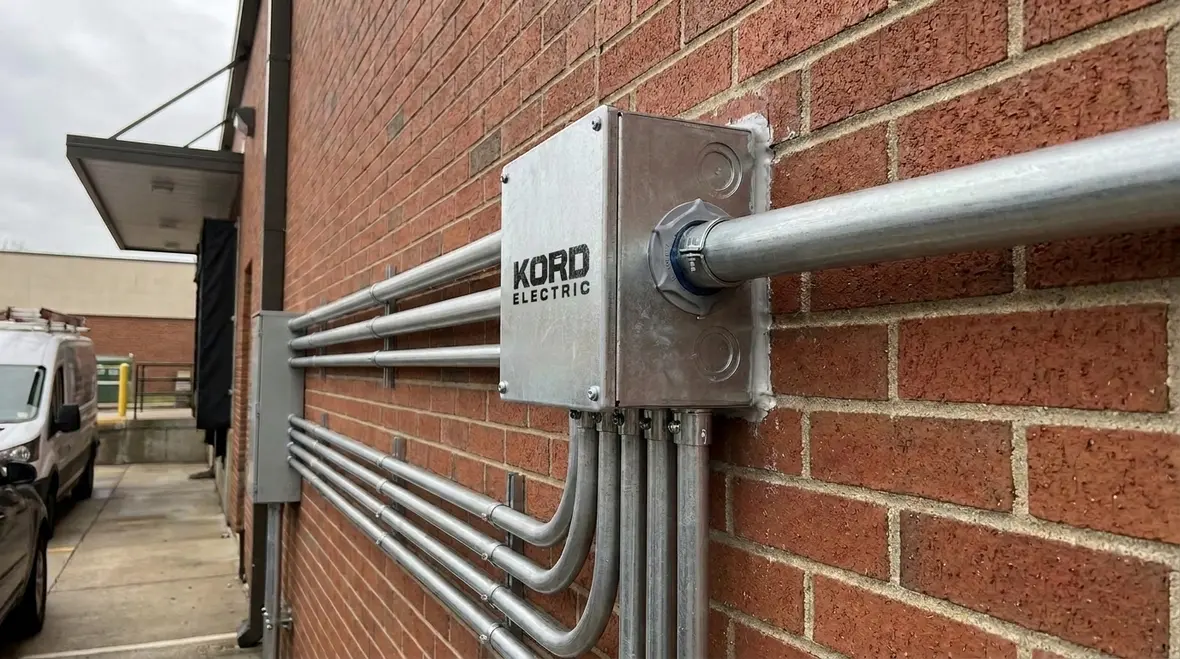
NFPA 70 Section 225.11 NEC Conductors Entering Exiting Buildings
At Kord Electric, we see it all the time. NEC conductors entering exiting buildings does not stay in the walls like a polite guest. It has to cross boundaries, pass through raceways, and meet rules that protect people and property. In many commercial and industrial facilities, and major property buildings, the route of service conductors is where real-world problems start. That is why we lean on NFPA 70 Section 225.11 as a practical guide, not just a checkbox for compliance. And yes, we also explain it in plain language, because nobody wants a “code lecture” that sounds like a sitcom where the punchline never lands.
NFPA 70 225.11 and why it matters at building entries
NFPA 70 Section 225.11 sets clear requirements for how conductors enter and exit buildings. In plain terms, it tells us how to protect wiring where it transitions from one space to another. When a facility has clear pathways, the electrical system stays safer during faults, storms, maintenance work, and even future upgrades.
However, the code does not exist to make electricians miserable. It exists because failures tend to happen at boundaries. A conduit penetration, a poorly sealed entry point, or a sloppy transition can allow water, heat, and physical damage to take control. So, when our expert service staff plans these routes, we focus on protection first, then neatness. Neatness helps, but protection saves the day.
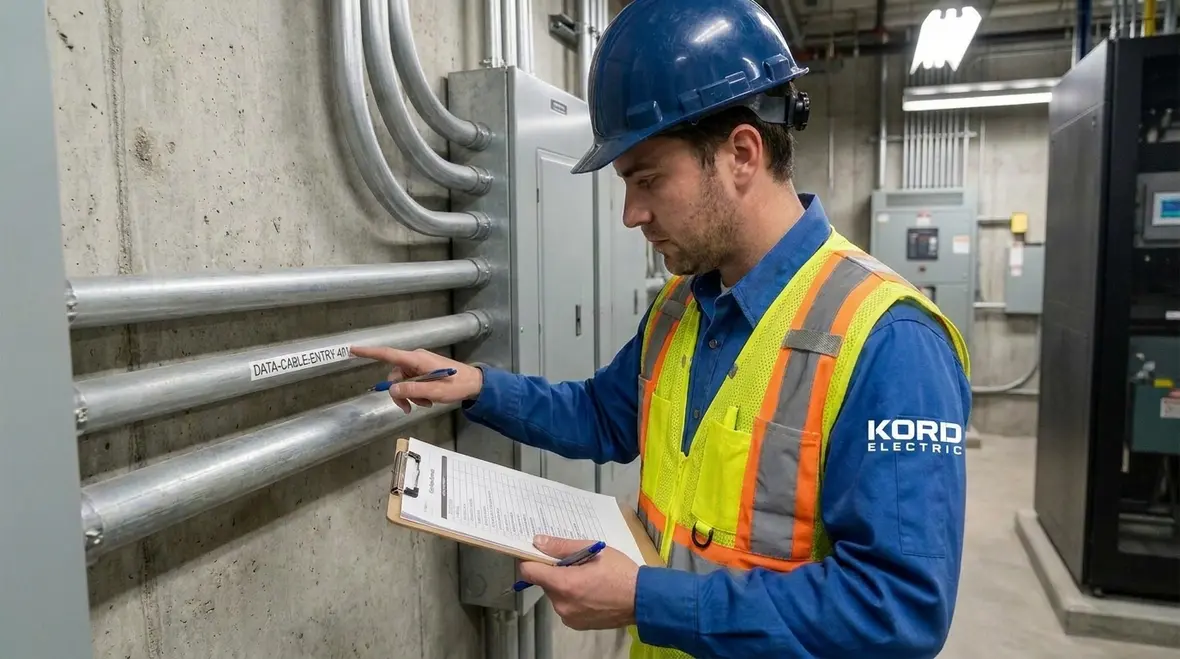
At the building entry, that protection translates into decisions about raceway type, routing, and how the conductors physically cross the boundary. We are not just “getting the wires inside.” We are managing a handoff between outdoor exposure and indoor distribution so the system behaves predictably when the weather turns ugly or when maintenance crews start opening up walls years later.
Because NFPA 70 evolves, we also keep an eye on broader National Electrical Code direction, including resources like the Kord Electric article Understanding NFPA 70, the National Electrical Code Explained for 2026. That context helps us treat Section 225.11 as part of a full system, not a one-line rule taken out of the bigger picture.
How Section 225.11 treats entry points with real protections
When we review designs or inspect existing systems, we look at what changes at the building line. Conductors often move from outdoor runs to indoor distribution. That shift brings new risks, including moisture and impact. NFPA 70 expects the conductors to stay protected as they pass through openings.
So we pay attention to the details that keep the installation stable. For example, we ensure that raceways or other enclosures remain continuous where required and that the entry route does not leave conductors exposed to damage. Also, we confirm that the enclosure method matches the environment and the design intent. If a major property building has multiple tenants or frequent construction activity, we plan the conduit pathways to handle that reality.
And for the record, “we will fix it later” is not an electrical strategy. It is a time machine that always takes you back to the same call for service.
Section 225.11 also pushes us to think about how entry protections interact with upstream and downstream equipment. We look at how service disconnects, feeders, and overcurrent devices relate to the conductors that physically pass through the building skin. The goal is simple: no weak link at the boundary that turns a small fault into a bigger event.
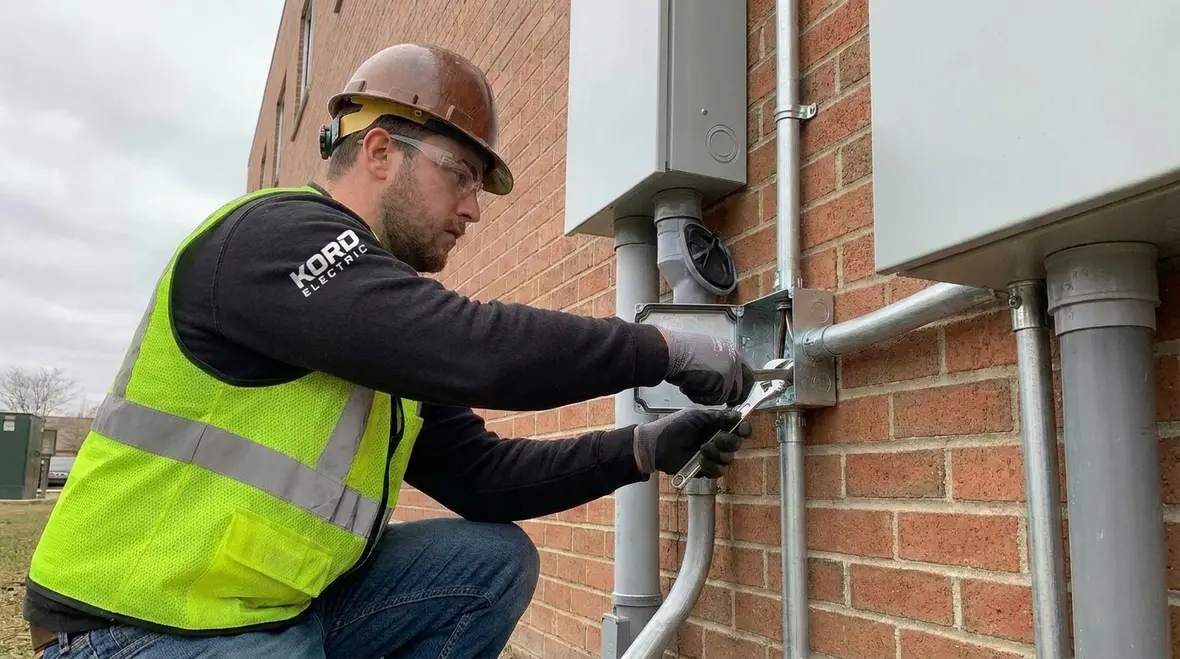
In practice, that means we design and build with the future in mind. We think about the next contractor, the next renovation, the next inspection. When NEC conductors entering exiting buildings are clearly routed and properly protected, it is harder for someone to “accidentally” compromise the boundary because the installation itself shows where it is safe to work and where it is not.
Raceways, seals, and the boundary between outdoor and indoor systems
Next, we connect Section 225.11 to how raceways and openings work in the field. An installation often includes conduit that passes through a wall or roof assembly. Even if the wiring inside looks good, openings and penetrations can still become weak points.
That is why our technicians treat the boundary as its own subsystem. We use proper routing and we address the openings so the system resists water intrusion and physical strain. When our team sets up a plan, we align the conduit and the building structure so workers can maintain the system later without random hacks.
Transitioning conductors into an occupied space needs thought. In a commercial or industrial setting, there is foot traffic, equipment vibration, and sometimes ongoing renovation. Therefore, the protective method has to remain effective over time, not just on inspection day.
We also coordinate with facility stakeholders so the entry work does not disrupt operations more than necessary. After all, nobody wants their loading dock shut down for a week because an entry detail was ignored.

On complex sites, we often pair our entry planning with broader electrical strategies, such as the data-driven design and documentation approaches we describe in our Kord Electric guide on Data-Driven Electrical Design for Commercial & Industrial Facilities. This keeps boundary protections aligned with panel schedules, fault studies, and equipment placement instead of treating them as one-off details.
Inspection, testing, and documentation for compliance that holds up
After the routing and penetration work, we move to the part that keeps leadership calm: verification. NFPA 70 rules mean less when the paperwork vanishes or the installation does not match the plan. So we build documentation into our process for commercial and industrial facilities.
Our expert service staff checks the installation details that often get missed during rushed work. We verify that enclosures, raceways, and entry points support the intended protective design. Then we confirm that the system can be safely maintained and that future modifications do not break the protective intent.
Additionally, we help clients understand what the inspection is likely to ask. That way, the facility team does not feel surprised later. If you manage a major property building with many moving parts, predictable compliance is not just good practice, it is good business.
We also encourage facility teams to treat entry-related inspections like part of a larger reliability routine, similar to the disciplined testing principles we outline in our Emergency Power System Testing Protocol Guide. When verification is scheduled, documented, and repeatable, conductors at the boundary keep doing their job quietly in the background.
Common installation mistakes we prevent before they become emergencies
Even skilled crews can slip when the schedule gets tight. Yet most problems around conductors entering exiting buildings start with similar mistakes. So we focus on prevention, because troubleshooting after the fact costs more and causes more downtime.
First, we see missing or poorly protected transitions. If a conduit run enters a building without proper protection at the boundary, it may lead to exposure during future construction or routine maintenance.
Second, we see sealing and support failures at openings. If the entry point allows moisture movement or lacks stable support, the system can degrade faster than expected. Over time, that degradation becomes a safety issue.
Third, we see incomplete continuity of protection. Conductors might be fine inside the raceway, but the transition region can still fail when it is treated like an afterthought. Therefore, our technicians plan the full pathway and handle the boundary with respect.
Look, electrical systems do not forgive shortcuts. They just wait patiently, like a villain in a movie who says, “You will regret this,” and then never leaves the frame.

On the flip side, when entry details are done right, they quietly support other reliability measures, from surge protection to emergency power. That is a big reason we pair boundary planning with topics like preventing commercial power surge damage in buildings and broader power quality work. A solid boundary keeps external stress from becoming internal chaos.
Coordinating with other code topics in commercial and industrial builds
Section 225.11 does not work alone. In major property buildings, we also consider how entry work connects to the broader electrical code approach used in facilities. That includes how service and feeders relate to the rest of the distribution system, and how pathways align with equipment rooms, meter areas, and distribution panels.
We also coordinate with fire and safety planning, because building entry issues can overlap with life safety concerns. For example, we follow guidance and perspectives shared by fire-focused resources such as Kordfire, while still applying the electrical intent with NFPA 70. Kordfire and Kordfire.com.au help us keep the bigger safety picture in view, and firepumps.org reminds us that safety systems depend on dependable infrastructure.
So while we focus on NEC conductors entering exiting buildings requirements, we also ensure our electrical work fits the facility’s overall strategy. That is how we serve commercial and industrial clients without creating new problems for the next trade that arrives.
In many cases, that coordination includes how backup systems and emergency circuits enter and exit structures. The same attention we describe in our guide on Emergency Power for Business Continuity Design shows up at the building skin, where conductors for critical loads must stay protected even during faults or utility disturbances.
Training and communication we bring to facility teams
We believe compliance lasts longer when facility teams understand the “why.” That is why our technicians and expert service staff explain the entry requirements as part of the job, not only at the end. When a facility manager knows what was done and why, they can protect the work during future renovations.
In practice, we show the relevant entry details and we explain what to avoid. For instance, we tell teams not to treat the boundary as a blank canvas for later drilling or unplanned conduit additions. We also explain how entry routing affects maintenance access and how facility staff can report early signs of damage.
And if someone asks, “Isn’t this just covered by the building contractor?” we respond gently. No. Electrical entry protection follows electrical code intent. The electrical contractor owns the electrical boundary strategy, and that is where Kord Electric brings experience and discipline.
For commercial and industrial teams that want a deeper understanding of how NFPA 70 shapes their projects, we often point them to foundational resources like What Is NFPA 70? Understanding the National Electrical Code. When facility leaders see how Section 225.11 fits into the larger NEC framework, they are more likely to protect those boundaries over the life of the building.
FAQ about NFPA 70 Section 225.11 and building entry conductors
Call Kord Electric for NEC building entry support
When you manage a commercial or industrial facility, building entry details cannot be left to guesswork. Kord Electric helps you apply NFPA 70 Section 225.11 with clear planning, careful installation, and verification that stands up later. Our technicians and expert service staff explain what we do and why, so your team can maintain the system with confidence. If you need help reviewing a design, upgrading an existing entry, or correcting boundary issues, contact us today. We keep the work calm, safe, and on track.
If your facilities are located in Southern California and you need help beyond a single building entry—such as coordinating feeders, distribution, and boundary protections across a larger portfolio—our team provides comprehensive Los Angeles County electrical services built for commercial, industrial, and major property buildings. We align NEC conductors entering exiting buildings with the rest of your electrical strategy so entries, panels, and emergency systems all support the same safety and reliability goals.
For property owners and facility managers who want to connect these entry requirements to the larger National Electrical Code landscape, pairing this guidance with the Kord Electric blog on Understanding NFPA 70, the National Electrical Code Explained for 2026 is a smart next step. Together, they give you a practical roadmap for keeping conductors protected from the first point of entry all the way through your distribution system.
When you are ready to turn that roadmap into a real project, our crews are ready to help you plan, build, and maintain NEC-compliant building entries that do not just pass inspection—they stay reliable year after year.


