
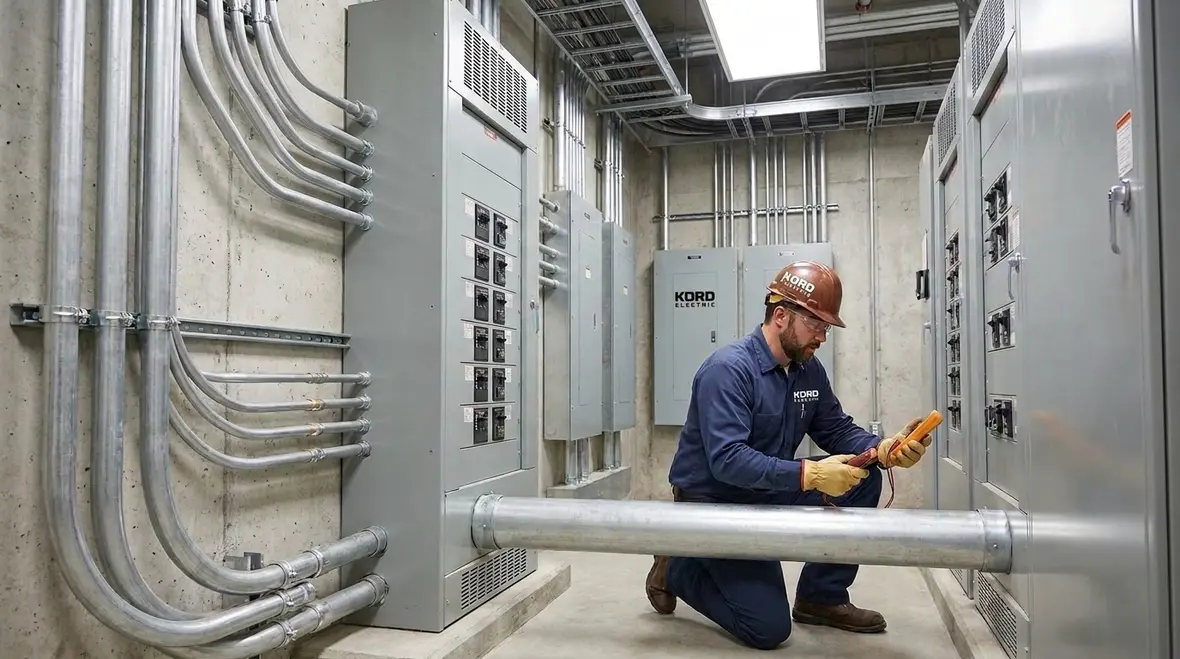
NFPA 70 Section 225.10 NEC Wiring on Buildings Code
When our team at Kord Electric talks about electrical safety, we start with one foundation: NEC wiring on buildings code. In the NFPA 70 Section 225.10, the code sets clear rules for how wiring on buildings must be handled so electrical systems stay safe, reliable, and built to last. That matters most in commercial and industrial facilities, where one loose rule can turn into expensive downtime. And honestly, nobody wants that kind of surprise, not even the most optimistic spreadsheet. In this guide, we explain what Section 225.10 demands, how our expert service staff helps teams apply it, and how facility managers can reduce risk without slowing projects to a crawl.
NFPA 70 Section 225.10 in plain terms for building wiring
NFPA 70 is the National Electrical Code, and Section 225.10 focuses on the wiring requirements tied to service equipment and building wiring. First, we treat Section 225.10 like a safety contract. It tells electricians and inspectors what must be true for wiring to be installed and maintained in a way that reduces shock, fire, and fault risks. Then we map those rules to real job conditions.
In our experience serving major property buildings, the problem is rarely a total lack of effort. Instead, teams often stumble on details like routing, support, protection, and separation. However, when our technicians review a plan before work starts, we catch issues early. And because our people explain what they find in clear language, the crew does not just “follow instructions,” they understand why those instructions exist.
At Kord Electric, we also connect the dots with the broader NEC structure. Even when a project uses different sections for different parts of the system, the logic stays consistent: wiring must be safe under normal use and also under fault conditions. The best installations plan for both.
How we interpret wiring rules on buildings in the real world
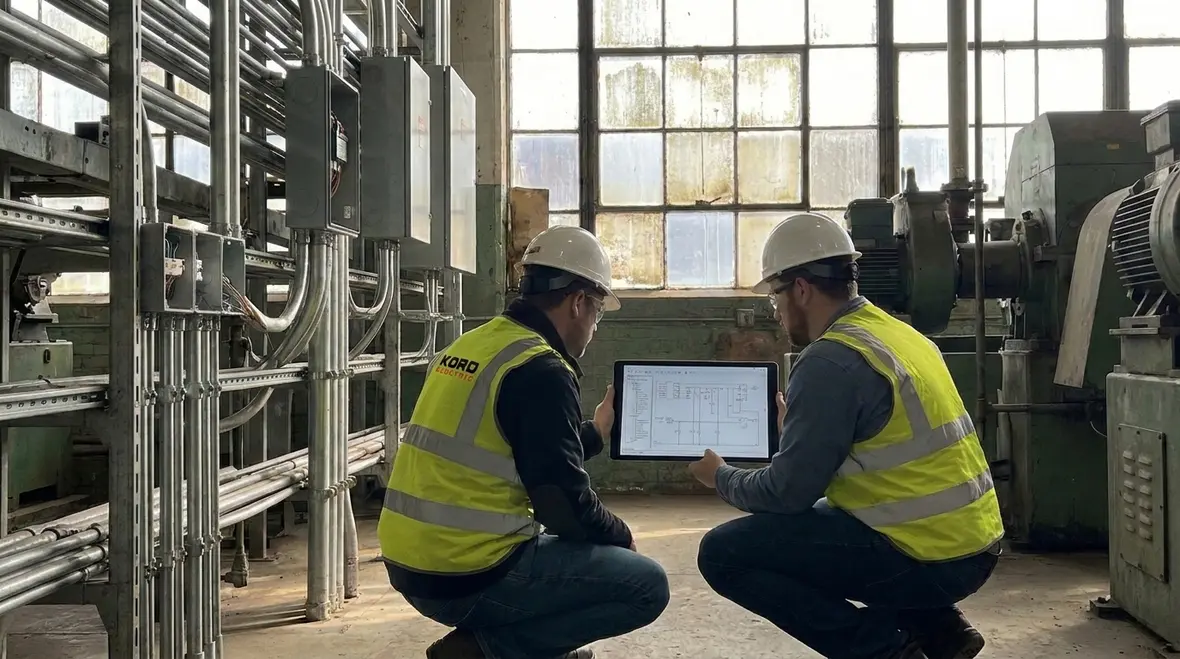
Next, we translate the code intent into field steps that match how electrical work actually happens. For commercial and industrial facilities, that means busy schedules, strict access limits, and long lead times. So, we avoid installing anything that only works “on paper.”
Here is how our expert service staff typically approaches NFPA 70 Section 225.10 considerations during design review and installation support.
- We verify wiring paths: we check where conductors run, how they cross obstacles, and how the route protects them from damage.
- We confirm protection choices: we look for physical protection and the right approach for the building environment.
- We check support and securing: we confirm wiring gets supported so it does not loosen or sag over time.
- We coordinate with other trades: we make sure construction details do not crush, overheat, or block wiring later.
And when someone asks, “Does the inspector care about that?” we say yes. Not because inspectors enjoy paperwork, but because safety rules exist for a reason. If you want a pop culture comparison, think of it like a superhero origin story. The details matter, and the consequences show up later if the origin was rushed.
What facility teams should check before inspections
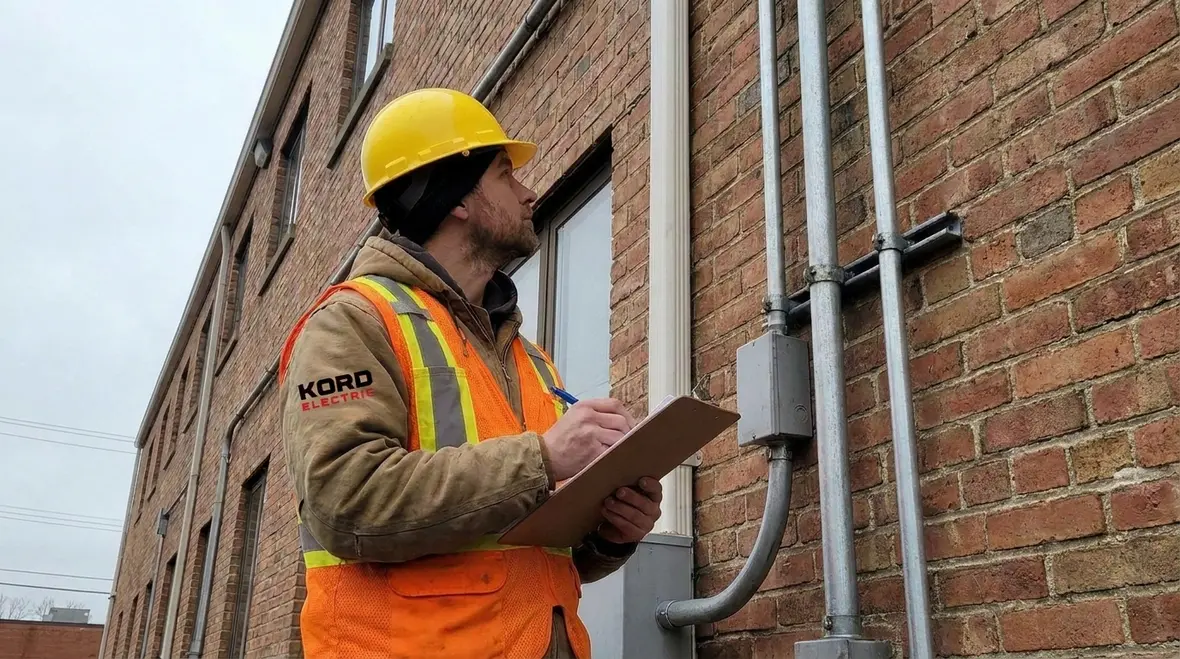
Then we move into practical readiness for commercial and industrial buildings. Most problems show up during inspection because the system does not match the expected installation standards. Therefore, we help teams do a pre-inspection check that focuses on the most common failure points tied to building wiring rules.
Our technicians often find issues in these areas:
- Improper routing and exposure risk: if wiring sits where it can be bumped, compressed, or exposed to moisture or heat, the risk grows.
- Missing or weak support: if wiring is not secured correctly, vibration and building movement can strain conductors.
- Conductor condition and termination quality: poor terminations can cause heating, which then leads to failures.
- Inadequate separation: when wiring runs too close to sources of heat or other systems, performance and safety can suffer.
We also encourage teams to document what gets installed. When our team explains this step, we emphasize that good records help with maintenance, troubleshooting, and future upgrades. In large facilities, the electrical system evolves. So, a clean documentation trail saves time and money later.

NEC wiring on buildings code decisions that affect cost and uptime
Now we address the business reality. Electrical work in major property buildings is not cheap, and downtime costs even more. So, the goal is not just compliance. The goal is compliance that supports stable operations.
When teams apply NEC wiring on buildings code requirements well, they avoid the “fix it later” cycle. That cycle usually starts small, with a minor issue like a damaged conductor or loose support. Then it escalates because another trade covers access points, or a maintenance window passes without repairs. After that, the cost climbs fast.
We often recommend a simple strategy. First, plan your wiring approach early. Then, align it with the building layout, mechanical systems, and maintenance needs. Finally, confirm details during installation rather than after the system is energized.
One of our expert service staff members put it this way during a recent facility review: “You can pay for safety once, or you can pay for it forever.” We did not say it to be dramatic, but we also did not say it gently. Because in the field, the math usually does not lie.

Coordinate with specialists and keep compliance consistent
In large commercial and industrial settings, electrical work touches many systems. So, we coordinate with relevant specialists and keep compliance consistent across the project. That includes understanding how electrical design choices interact with fire and life safety efforts, as well as power distribution and equipment needs.
Kord Electric focuses on buildings that demand professional-grade electrical execution. We do not treat this as a hobby, and we do not treat it like a “good enough” project. When the work involves major property buildings, we hold quality to a high standard from the start.
In addition, we align our approach with the broader resources our partners share across the NEC ecosystem. For example, Kord Fire content covers NEC fundamentals and practical context for teams that need clarity in the field. If you want a deeper code-level foundation that supports everything in this discussion, you can explore our companion guide Understanding NFPA 70: The National Electrical Code Explained for 2026, which connects high-level NEC direction to everyday decisions in commercial and industrial projects.
And for professionals who want additional insight into fire pumps and related systems, specialized resources across the fire protection community often provide helpful background. We use these kinds of references to support our understanding, then we rely on real site experience and inspection results to guide decisions.
Common installation mistakes we see in commercial projects
Even strong teams can miss details when deadlines hit. However, the mistakes we see repeat for predictable reasons. People rush, access becomes limited, and assumptions replace checks.
Our technicians see these patterns most often:
- Skipping early layout review: routes look fine until equipment is installed and the wiring has to change direction.
- Underestimating support requirements: wiring needs stable mounting so it does not loosen as the building settles.
- Failing to protect from physical harm: “It is behind a wall” can turn into “It got exposed during repairs.”
- Leaving unclear handoffs: when one crew finishes and another crew takes over, unclear scope leads to gaps.
Then there is the human side. Someone hears the code, nods, and moves on. Later, a different person interprets the same note differently. That is why our expert service staff explains decisions and documents the “why,” not just the “what.” In other words, we help teams avoid the electrical version of misheard lyrics that haunt the internet.
FAQ about NFPA 70 and Section 225.10 for building wiring
Ready for safer building wiring in your facility
If your commercial or industrial building needs NEC-aligned wiring practices, Kord Electric is ready to help. We work with facility teams and project crews to apply NFPA 70 Section 225.10 with clear planning, careful installation support, and expert explanations from our technicians. You will get practical steps, fewer surprises, and stronger uptime.
For facility leaders looking beyond a single project, our team also supports broader electrical strategies, from Los Angeles County electrical services in complex jurisdictions to renovation planning and code-driven upgrades. That way, your NEC wiring on buildings code decisions connect smoothly to future expansions, maintenance windows, and long-term safety goals.
Contact us today to schedule a review or talk through your next project, and let’s build electrical systems that stay dependable long after the inspection paperwork is done.


