NFPA 70 Section 225.6 Outside Conductor Size and Support
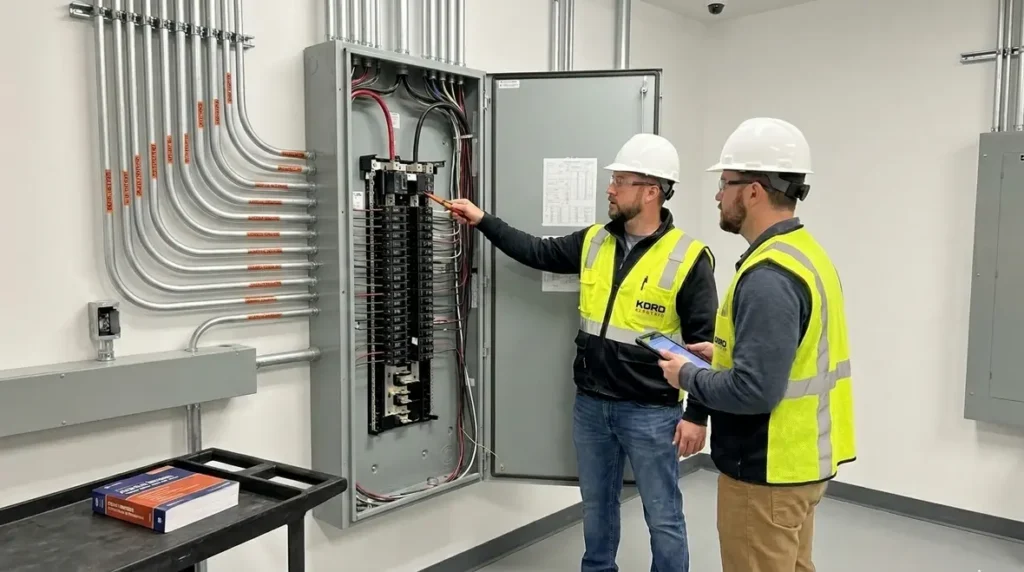
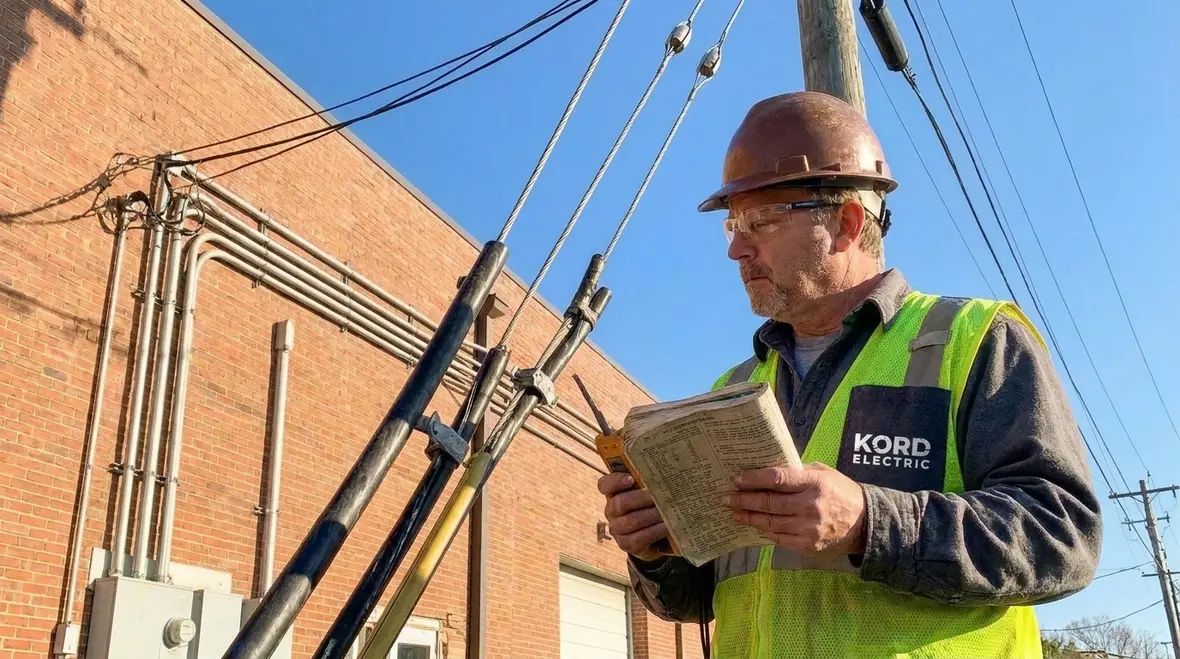
NFPA 70 Section 225.6 sets rules for NEC outside conductor size and support, and we at Kord Electric treat those rules like they are more than “fine print.” In our work on commercial and industrial facilities and major property buildings, we make sure conductors outside stay properly sized for the job, secured so they do not sag or shift, and supported so they stay safe in wind, weather, and real world vibrations. And yes, we have seen what happens when somebody “wing it” saves a few bucks and then spends ten times that fixing it later. One of our expert service staff explains it this way: the outside run is the most exposed part of the electrical system, and exposure means you earn your reliability the hard way.
Below, we explain what Section 225.6 expects, how we verify it on site, and why correct support and sizing matter for performance, safety, and inspection readiness. This is not a lecture. It is the calm, step by step way we bring clarity to a section that many teams read too fast and then regret later.
Why Section 225.6 matters for commercial power feeds
In a commercial or industrial setting, outside conductors rarely sit still. They stretch across building edges, span yards, cross service zones, and face sunlight, rain, ice, and wind. Then they carry current day after day. So, when we look at NFPA 70 and Section 225.6, we treat it as a practical guide for keeping the outside conductor system reliable.
Section 225.6 focuses on the outside part of the wiring system, and it ties conductor size and support to safe performance. That matters because a conductor that is too small runs hotter than it should. Meanwhile, a conductor that lacks proper support can move, chafe, or pull connections out of alignment. As a result, reliability falls, and safety issues can follow quickly.
We also know how inspection teams think. Inspectors look for consistency and compliance. When our technicians document spacing, support type, conductor rating, and installation method, the project tends to move forward with fewer delays.
NEC outside conductor size and support: what the code expects
When we talk about NEC outside conductor size and support, we mean two linked duties. First, the conductor size must match the electrical design and the conditions of installation. Second, the conductor must receive support that keeps it secure and properly positioned.
Section 225.6 does not ask for “best effort.” It asks for correct support and proper installation methods that align with the broader NEC rules for raceways, cables, and outdoor installations. In plain terms, the code expects you to install the conductor in a way that prevents unsafe stress and maintains safe clearances.
Our expert service staff often tells teams, “If the conductor looks like it is trying to escape the building, it probably is.” That is a funny line, but it lands because tension, sag, and incorrect routing create real hazards.
How we select conductor size for real outdoor conditions
Conductor sizing starts with the electrical load and the design. However, outside installations add layers. We evaluate the service conditions, the route length, the temperature range, and the environment that affects heating and insulation. For many commercial and industrial facilities, the outdoor run may include sections exposed to direct sun or shaded zones that cool unevenly.
Then we check how the chosen conductor performs under expected load and installation limits. We do not rely on a single spreadsheet line. Instead, our team verifies what the conduit or support system will allow, and we make sure the conductor size also supports the requirements for ampacity and protection in the rest of the NFPA 70 framework. If you want a broader code backdrop while you plan projects, resources like Understanding NFPA 70: The National Electrical Code Explained for 2026 pair well with focused sections like 225.6.
When our technicians explain this to facility managers, we keep it simple. We say that the outside run acts like a long, weather exposed “hot wire.” If you pick the wrong size, the wire works harder than it should. And when it works harder, it ages faster, which turns a maintenance project into an emergency project.
Support methods that hold up under wind, vibration, and time
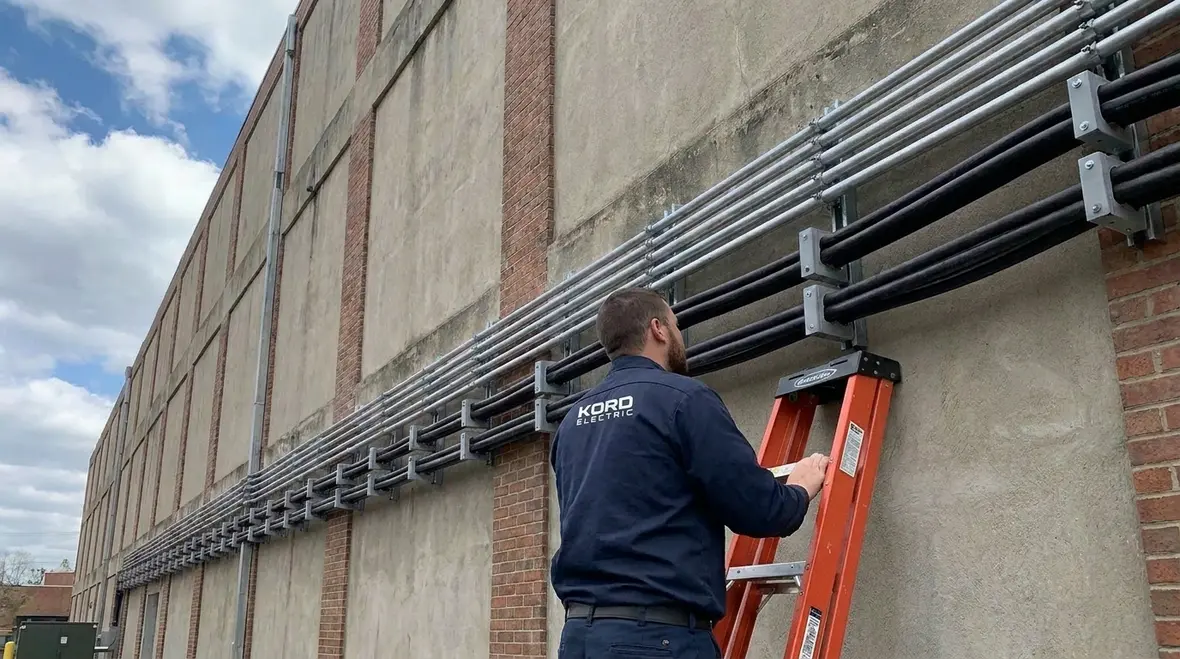
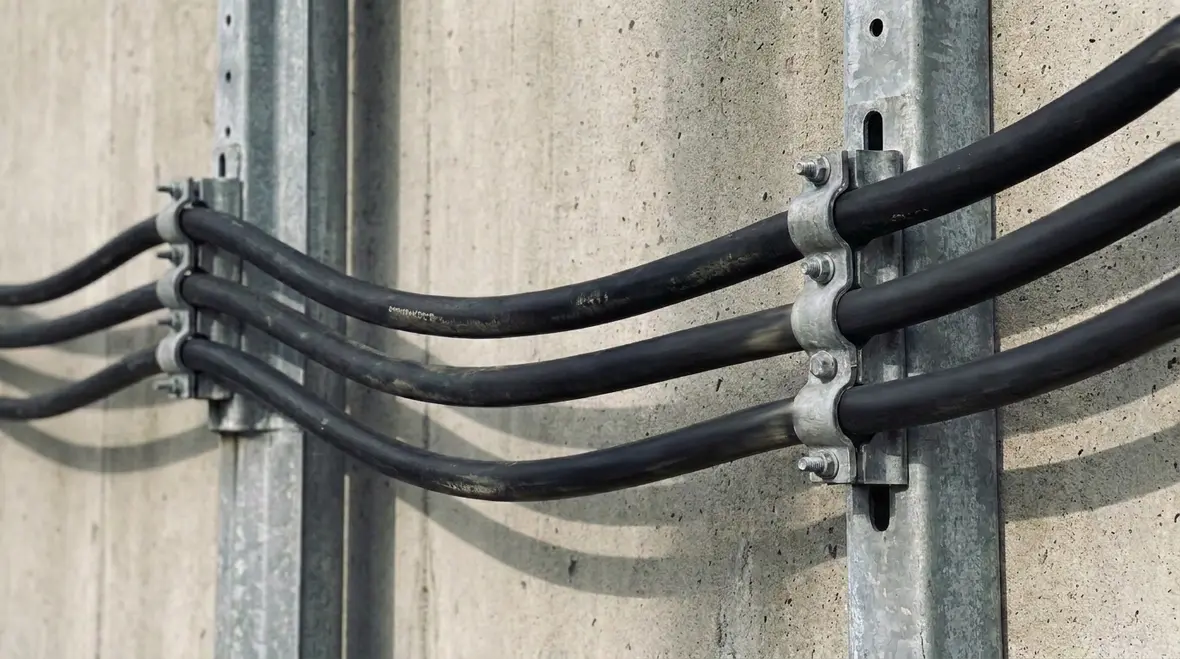
Support is where many projects lose points. It is not glamorous. You do not get a “wow” photo for perfectly spaced clamps. Yet support prevents sag, limits movement, and protects insulation from abrasion.
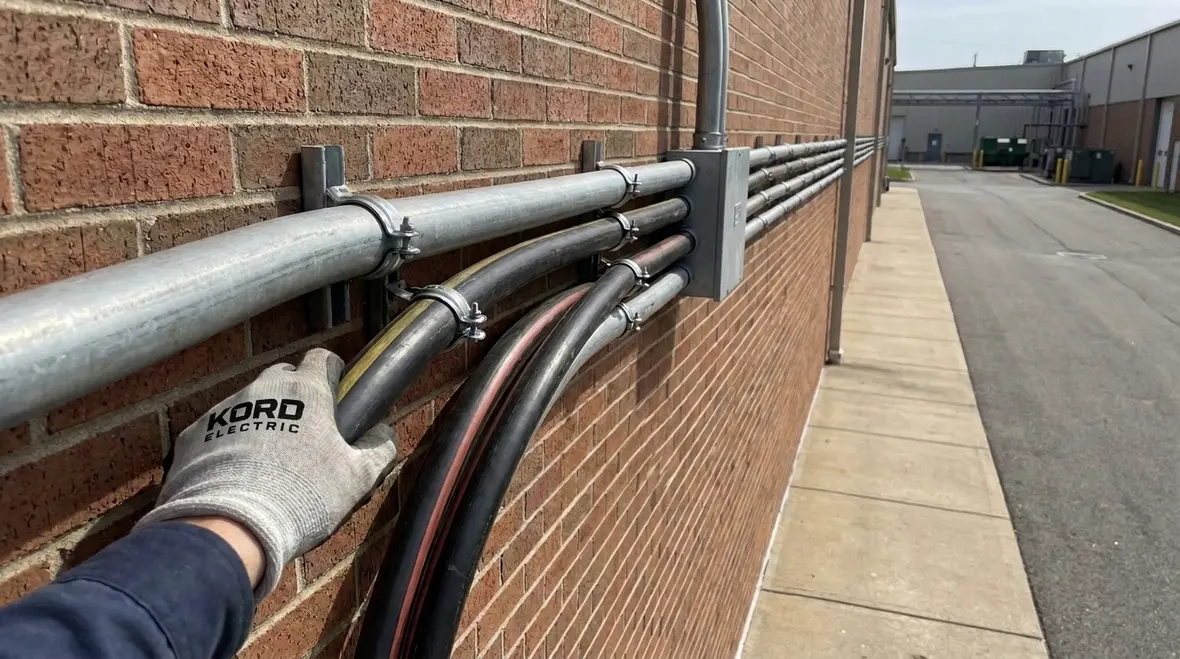
Under Section 225.6 expectations, we make sure the outside conductors receive mechanical support that matches their installation conditions. We plan routing so conductors do not take sharp turns or lift in uneven ways. We select anchors and fittings that keep the conductor stable and aligned with the intended path.
We also consider how the building envelope behaves. Expansion and contraction can shift mounting points. In major property buildings, roof structures, service enclosures, and wall penetrations can move over time. So we install supports that can tolerate normal movement without letting conductors drift into unsafe positions.
To keep things approachable, our team sometimes uses a pop culture analogy. “Think of it like a movie stunt wire. If it is not properly anchored, the stunt looks cool for ten seconds and then someone has a bad day.” In electrical work, the “bad day” costs money, downtime, and safety risk.
Clearances and routing: where small mistakes turn into big delays
Routing and clearances matter because outdoor conductors sit near other systems. In commercial and industrial facilities, you may see HVAC units, sprinkler lines, access ladders, signage, and cable trays. Every nearby item can affect safe placement.
When we verify a design, we check separation from grounded surfaces, lighting fixtures, and other infrastructure. We also check how the conductor run crosses or approaches building components. Even when the conductor size is correct, improper routing can lead to insulation wear, abrasion at contact points, or unsafe closeness to other systems.
Our expert service staff explains it in a way that helps non electricians. We tell them: “You can have the right wire, but the wrong neighborhood.” The outside area is crowded, and compliance means the conductor stays where it should, not where it happened to end up after the field crew adjusted plans.

Inspection readiness and documentation we provide
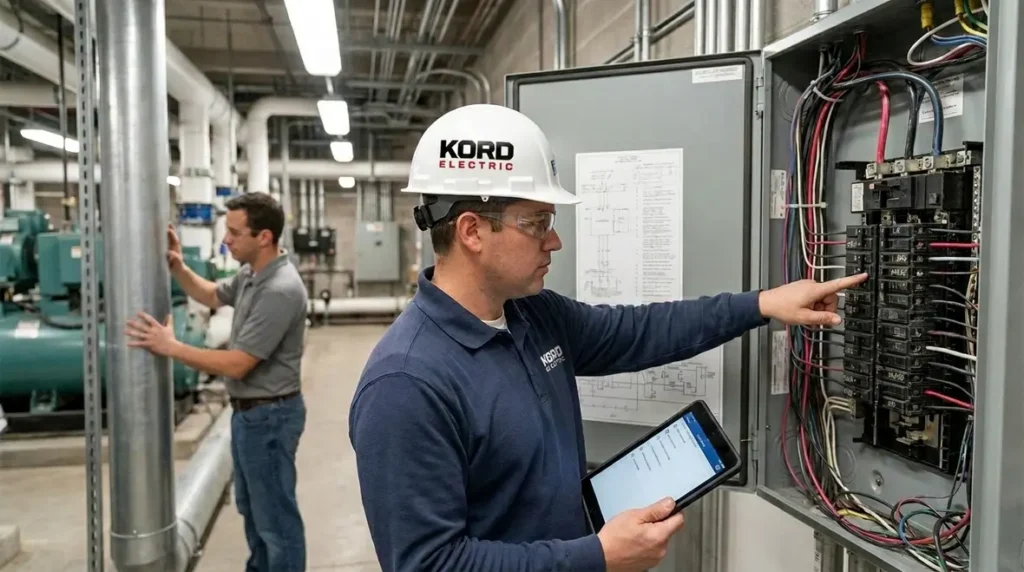
Commercial owners and facility teams often ask about inspections, so we build compliance into how we work. Our technicians capture installation details during the job. That includes support spacing decisions, mounting methods, conductor identification, and the final routing path.
We also coordinate our checks with the broader NEC requirements that connect to Section 225.6. For example, we ensure that the outside conductor installation method aligns with the rules for the system type, and we confirm that the termination and protection strategy supports safe operation. If your team wants a wider lens on how the NEC shapes enforcement, articles like the Kord Electric deep dive on AHJ enforcement under Section 90.4 and Kord Fire’s NFPA 70 overview help explain how these rules show up during real inspections.
Our goal is simple: we want your system to pass review without a last minute scramble. And yes, we have seen last minute scrambles. Someone always shows up the day before inspection, looks at the work, and acts surprised. That surprise rarely ends with applause.
If you want the bigger picture on code background, we also align our approach with the same NEC explained style we publish on Kord Electric’s blog and Kord Fire’s resources. It helps teams understand why the rules exist, not just what they say.
How Kord Electric supports commercial and industrial facilities
Kord Electric serves commercial and industrial facilities and major property buildings, and we staff our projects with experienced technicians who understand how to translate NEC requirements into field ready work. We manage outside conductor size and support with a practical mindset: we build for safety first, then for smooth inspections, then for long term performance.
When our team explains NFPA 70 compliance, we do not dump jargon. We map the code intent to the physical installation, and we show owners how the choices protect their electrical system. That includes making sure outside runs stay secure, properly supported, and installed with attention to clearances.
And because the electrical system does not live in a vacuum, we coordinate with other site realities that affect power feeds, service pathways, and building access. That is how we keep projects moving and reduce the chance that outside work becomes a recurring headache. For facilities that need help beyond a single project, our Los Angeles County electrical services bring that same code conscious approach to regional operations that cannot afford downtime.
FAQ: NFPA 70 Section 225.6 outside conductor size and support
Call Kord Electric before the outside work becomes a problem
When outside conductors are sized and supported correctly, your system runs calmer, safer, and with fewer surprises. We at Kord Electric help commercial and industrial facilities apply NFPA 70 Section 225.6 in the real world, not just on paper. If you are planning new service work, upgrades, or a compliance check, contact us now. Our technicians will review your outside routing, support approach, and installation details so your next inspection feels less like a jump scare and more like a smooth landing.
From early design conversations to final inspection walkthroughs, our team aligns conductor size, support hardware, and routing with the same code driven mindset we bring to broader electrical upgrades and maintenance plans. If your facility is already mapping longer term electrical improvements, pairing this work with strategic services like electrical code upgrade consulting and data driven electrical design helps keep future projects simpler, safer, and better documented.
If your site is in a high demand region and you need a contractor who understands both the letter and the intent of NFPA 70, our regional service teams are ready to help you plan the next step instead of waiting for the next outage.