NFPA 70 Section 225.4 NEC Outside Conductor Insulation
NFPA 70 Section 225.4 and why it matters for commercial sites
In commercial and industrial facilities, we do not treat cable insulation like a “set it and forget it” accessory. We follow NEC outside conductor insulation requirements early, because NFPA 70 Section 225.4 sets the baseline for how conductors on the outside must be insulated and protected. In the first stages of a project, our crews at Kord Electric plan for the real world: weather, heat, abrasion, and the kind of damage that happens when a site’s conditions refuse to stay polite.
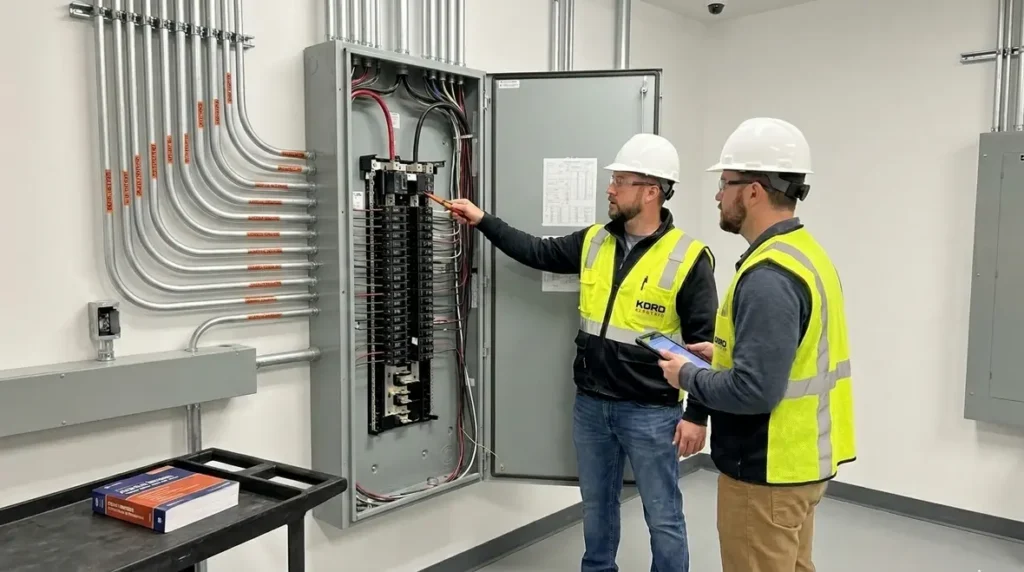
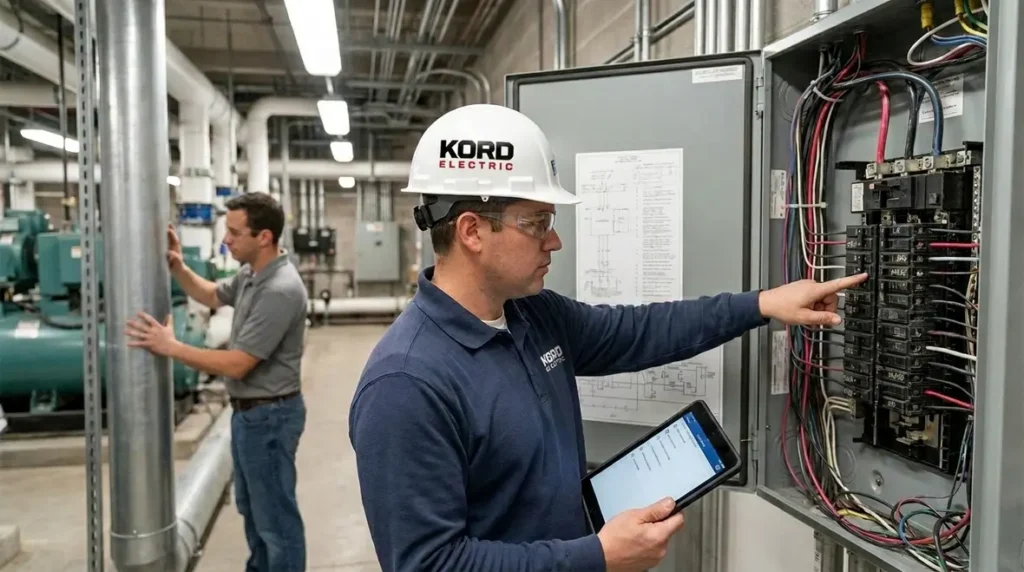
We have technicians and expert service staff who explain these rules in plain language during planning and inspection prep. And yes, we still hear the same joking line from new stakeholders: “Is insulation really that important?” Then the weather shows up, and insulation answers with facts. In this article, we walk through what Section 225.4 demands, how to apply it on site, and how to keep your exterior conductor runs safe and compliant.
Section 225.4 breaks down outside conductor insulation
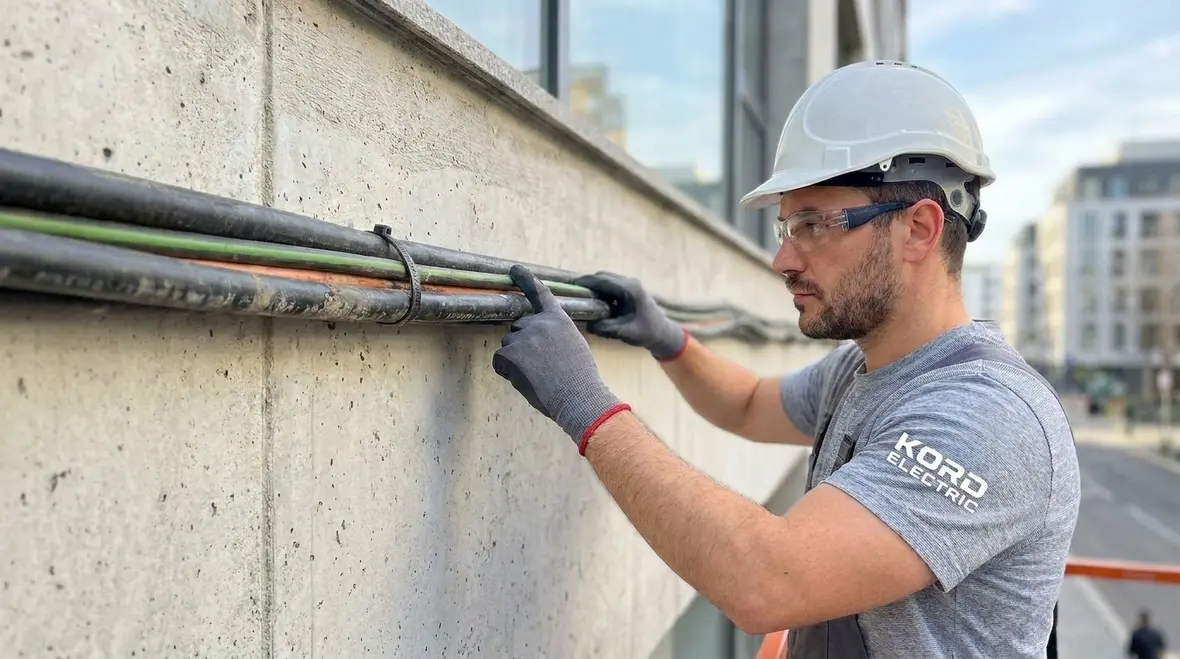
NFPA 70 Section 225.4 focuses on outside conductor insulation requirements. In practice, we interpret it as: when conductors run outside, their insulation must match the hazards they face. That includes exposure to moisture, temperature swings, physical contact, and other environmental stress. If the insulation type fails to meet the expected conditions, the conductor can age faster, leak current, or lose integrity.
Therefore, our planning process starts with how the conductors travel. We determine whether the wiring is protected by raceways or exposed, how it enters buildings, and what surfaces it passes. Next, we check whether the insulation rating and construction make sense for the location. Finally, we confirm the design works with the rest of the NEC wiring methods, including how the outside run connects to service equipment.
Other firms sometimes treat insulation as a spec line item. We treat it as a risk control. In other words, insulation is the conductor’s skin. If you ignore skin, you do not get to complain later when the whole body feels it.
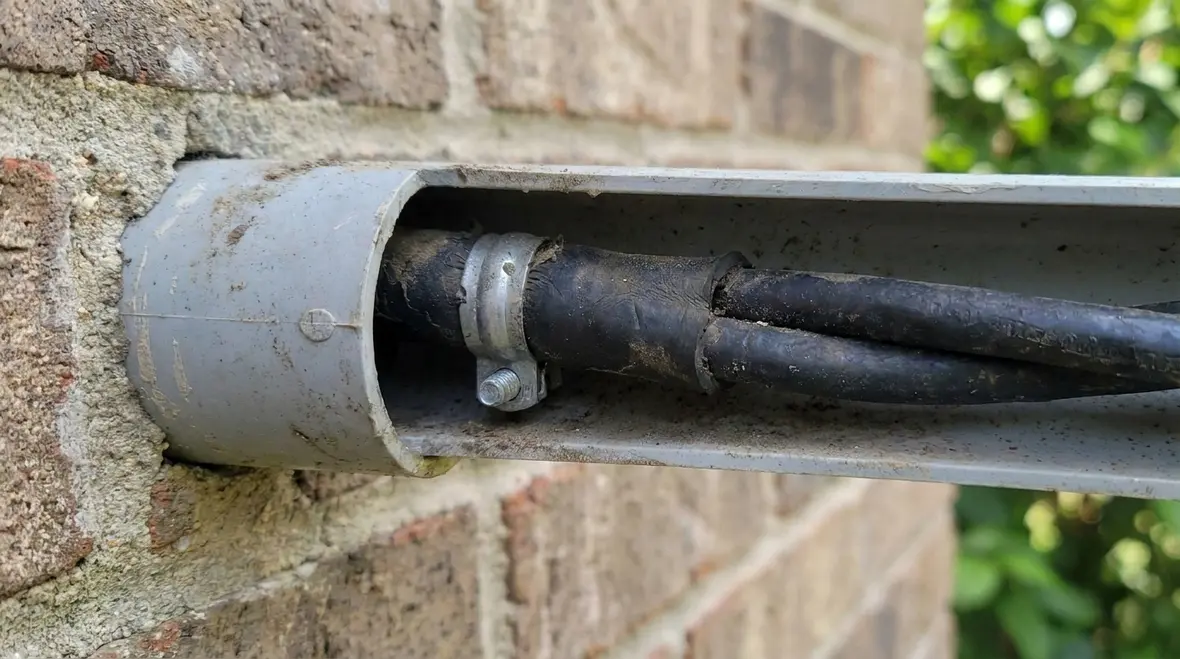
How we apply NEC outside conductor insulation rules on real runs
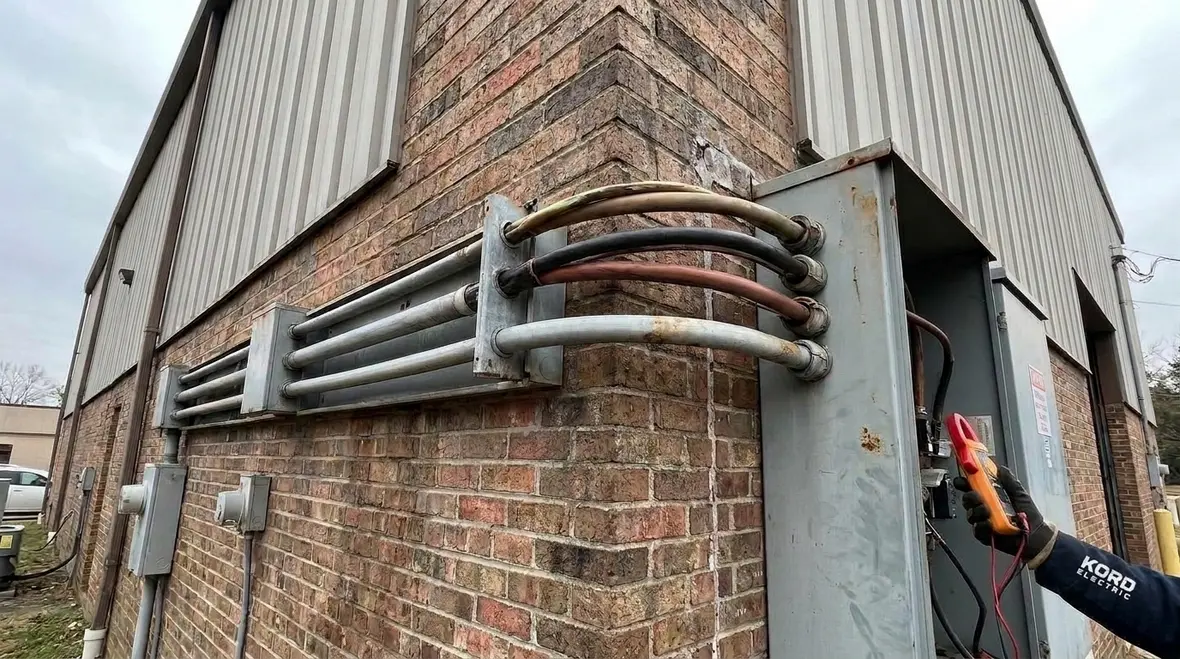
Commercial and industrial projects rarely follow a neat textbook route. For that reason, we apply the NEC requirements using site details, not assumptions. For example, exterior runs often cross parking areas, service yards, mechanical zones, or loading docks where impacts and abrasion happen. Additionally, conductors near grade may see moisture and contaminants that indoor wiring never meets.
Our technicians review the outside conductor path and identify the practical exposure points. Then we decide whether the insulation itself is sufficient or whether additional protection is required by the wiring method. We also coordinate with other trades on installation timing so insulation does not get damaged during rough construction. That coordination matters because conductors do not get “second chances” after they are nicked, crushed, or exposed to contamination.
When we explain this to facility managers, we use a simple sequence: pick the conductor and insulation rating, evaluate exposure, protect the run as needed, then verify termination and connection quality. The last step sounds boring, but it is often where problems hide. Loose terminations and poor connections can create heat, and heat accelerates insulation breakdown. In short, insulation does not fail alone.
On large commercial sites, that sequence often ties into broader planning around NFPA 70 scope and application. Our teams regularly point facility leaders to resources like the Kord Electric guide on understanding NFPA 70, the National Electrical Code explained for 2026, which connects Section 225.4 decisions to other wiring and protection rules that govern how outside conductors behave once they join the rest of the distribution system.
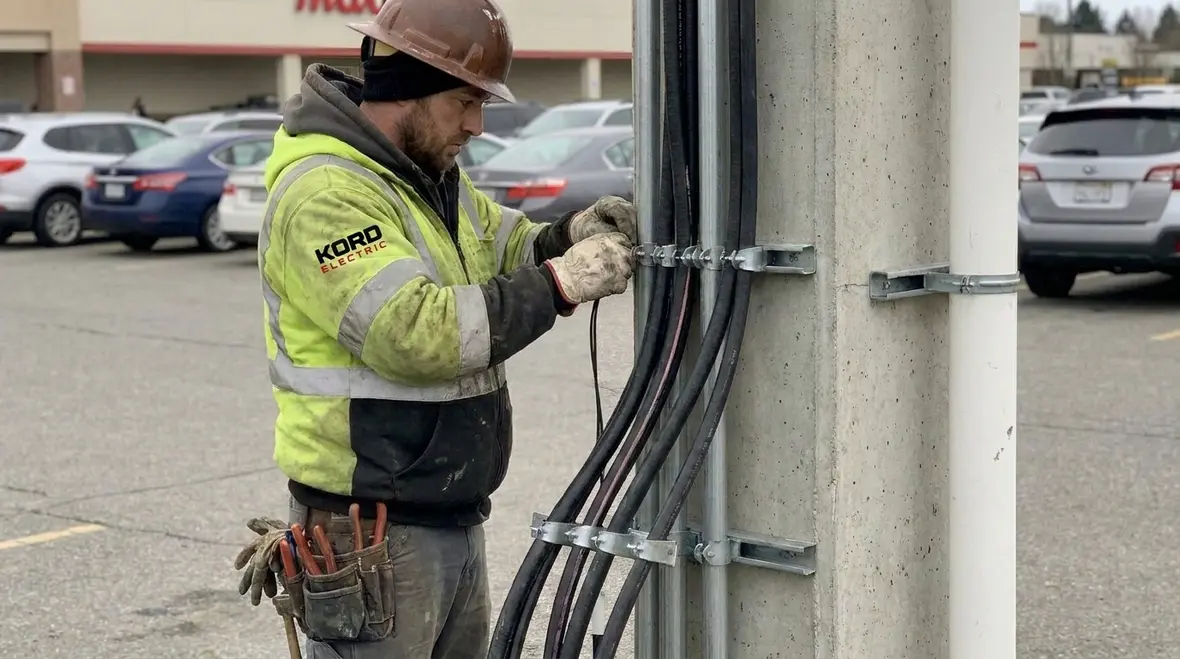
Physical damage and weather exposure: the two villains
Outside conductor insulation rules exist for a reason, because the outside world does not care about your design intent. We typically see two leading causes of insulation deterioration: physical damage and weather exposure.
Physical damage includes abrasion from conduits, impacts from material handling, and accidental contact during maintenance. Weather exposure includes wet conditions, freezing cycles, heat, and long-term UV or temperature aging. Even if the insulation initially looks fine, repeated stress cycles can cause cracks or changes in insulation performance.
Therefore, our team protects the entire system, not just the conductor. We recommend practical routing, proper support spacing, and protection where the run is vulnerable. We also consider how the conductor enters the building. Entry points concentrate risk because they combine exposure, mechanical transitions, and sealing requirements. Our expert service staff makes sure those transitions do not become weak links.
On facilities where electrical infrastructure supports fire pumps, alarms, or other life safety systems, we also cross-check these protection strategies with the broader NFPA 70 discussions hosted on partner platforms like KordFire’s NFPA 70 overview and related fire and life safety perspectives that emphasize why outside conductor integrity matters when systems have to function under emergency conditions.

Materials, temperature, and installation details that affect insulation performance
Conductor insulation requirements do not operate in a vacuum. Temperature and installation details directly influence how insulation behaves. If conductors operate near their thermal limits, insulation ages faster. If installation allows rubbing or strain, insulation can be compromised even when the insulation type is correct on paper.
We focus on installation details that keep insulation healthy over time. For example, we check bending and routing so conductors do not get forced around corners. We also verify that supports keep the cable stable and prevent sag or strain at terminations. Additionally, we confirm that installers follow manufacturer instructions for pulling tension and handling.
In commercial and industrial settings, maintenance access matters too. If a run sits where it will constantly get bumped, it will eventually pay the price. That is why our approach blends code compliance with practical durability. We do not just “pass an inspection.” We build systems that keep working for the life of the facility, which is usually longer than most people’s attention span.
For facilities planning broader upgrades, this insulation focus often runs alongside consulting on distribution redesign, Los Angeles County electrical services for commercial properties, and code-driven changes that come out of new NEC cycles. When you integrate insulation detail into that bigger picture, you avoid the trap of treating outside conductors like an afterthought attached to a much more complex electrical system.
Documenting compliance for inspections and long term safety
Code compliance is not only about installing correctly. It is also about documenting decisions so the site stays supportable. When we support commercial and industrial facilities, we help teams track insulation and protection assumptions that tie back to NEC outside conductor insulation requirements and related NEC wiring method constraints.
To keep audits smooth, we maintain clear records of materials used, installation locations, and verification steps. We also align our documentation with what AHJs and internal safety teams expect. That includes showing how outside conductor insulation performance matches the exposure conditions at the site.
Our goal is simple: when questions come, our clients do not scramble. We explain the “why” behind each choice, and our service staff walks stakeholders through the logic. And if someone insists on changing the route after design approval, we treat that like moving furniture during a foundation pour. It can be done, but it better come with consequences.
Many facilities also pair this documentation effort with higher level NFPA 70 orientation. Articles such as Kord Electric’s coverage of how to read the National Electrical Code or how NEC scope sections frame expectations across a property help teams see how Section 225.4 fits into the larger safety story, instead of viewing outside conductor insulation as an isolated requirement that only appears during an inspection.
What other NEC resources support this work
We base our guidance on the NEC and related code interpretations, and we also support teams with clear references that explain the National Electrical Code in practical terms. Kord Electric keeps our learning aligned with current NEC discussions for large properties, including the outside wiring context that Section 225.4 supports. Our sister fire and electrical knowledge hubs also reinforce how the NEC connects to real fire and life safety outcomes when wiring integrity is handled properly.
For additional reading, teams often review the explanations found on Kord Electric’s blog, along with the NEC overviews on kordfire.com’s NFPA 70 guide and related regional discussions on kordfire.com.au. Others looking at related life safety perspectives may also find useful context in resources like firepumps.org, which highlight how electrical infrastructure and fire protection performance stay linked. We do not ask clients to become code scholars. We just help you make the right calls with confident, documented installs.
When outside conductor insulation choices connect cleanly with branch circuit rules, service equipment requirements, and NEC scope language, your project stops feeling like a maze of isolated clauses. Instead, it becomes a single, integrated design where insulation, routing, protection, and documentation all point in the same direction: safe, reliable operation for the life of the facility.
Frequently asked questions about outside conductor insulation rules
Conclusion: call Kord Electric before the outside run gets the last word
When we handle exterior conductor installs, we do it with calm precision and code based clarity. NFPA 70 Section 225.4 and the NEC outside conductor insulation requirements do not exist to slow projects down. They exist to keep power stable, systems safe, and facilities operating without surprise failures. If you manage a commercial or industrial property, talk with Kord Electric early in design or during service upgrades. Our technicians and expert service staff explain options clearly, verify compliance, and help you build a system that holds up when the weather stops behaving.
When you are ready to turn those outside conductor details into a full project plan, our regional Los Angeles County electrical services overview shows how Kord Electric supports everything from initial NEC review and routing decisions to final inspection support for commercial and industrial facilities. That way, Section 225.4 is not just a citation on a drawing set; it is a lived standard in the way your building moves power every day.