
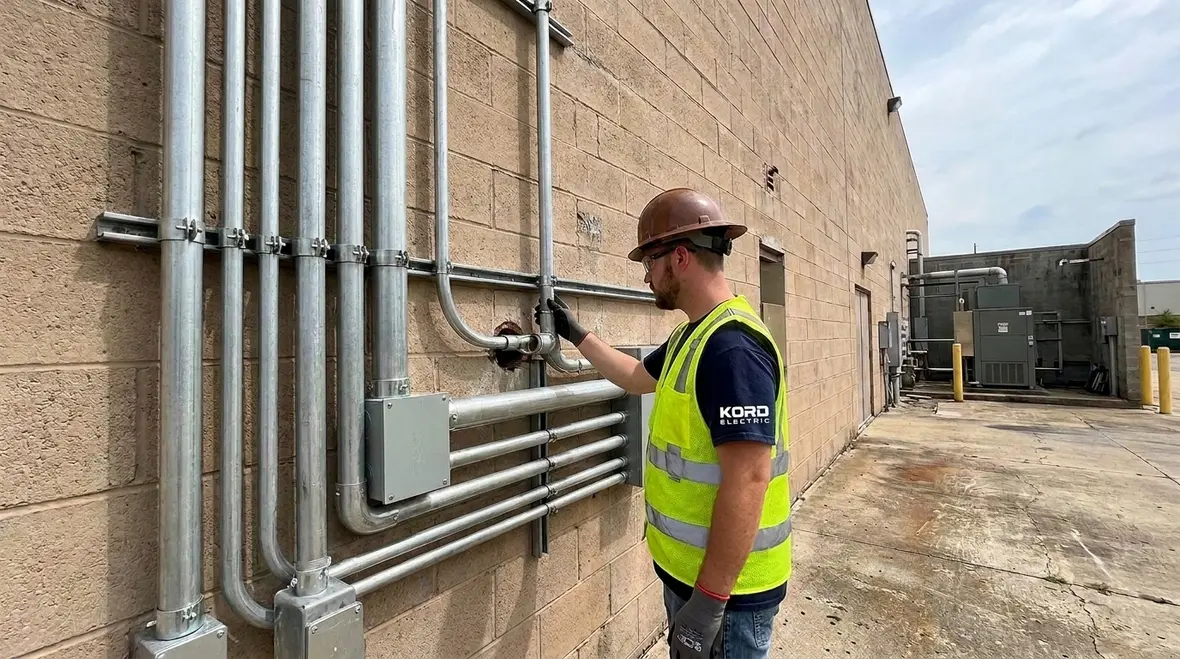
NFPA 70 Section 225.22 Exterior Surface Raceway Rules
NFPA 70 Section 225.22: How NEC exterior surface raceway rules shape safe wiring
At Kord Electric, we keep our commercial and industrial customers out of trouble by following the NEC the way it was meant to be used. In the first stretch of work, we look closely at NFPA 70 Section 225.22, because it deals with raceways on exterior surfaces, and that is where weather, heat, and physical abuse love to team up. To meet NEC exterior surface raceway rules, we verify where the raceways run, how they connect, and what protection they receive. Then we document the path, the fittings, and the materials, so inspectors and facility managers both feel calm. Yes, calm. Because electrical code compliance should not feel like a mystery novel, even if your tenant is insisting it “must be fine.”
Why Section 225.22 matters for commercial buildings
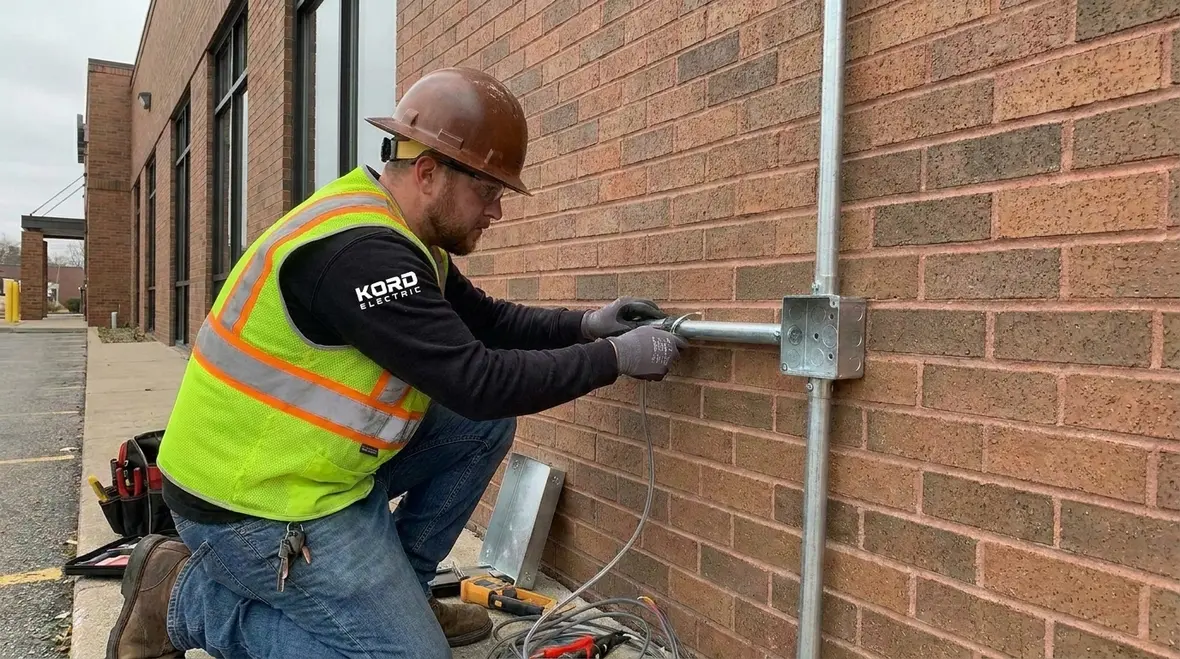
Section 225.22 is not a trivia line in a big book. Instead, it answers a very practical question: how do you protect conductors when the raceway sits on the outside of a building? As soon as raceways live on exterior surfaces, they face sunlight, moisture, corrosion, and impact from maintenance activity and routine site life. Consequently, poor material choice or weak installation can lead to insulation breakdown, water migration into enclosures, and nuisance faults that waste time.
Moreover, commercial and industrial facilities do not get the luxury of “we will fix it later.” Downtime costs money, and repairs disrupt operations. Therefore, our expert service staff and field technicians apply the code as they plan, install, and verify exterior routing. They do not just quote requirements. They explain what those requirements mean on your actual structure, which is the difference between “paper compliance” and real safety.
What NFPA 70 Section 225.22 requires for exterior raceway installations
When our technicians review Section 225.22, they treat it like a checklist that has real consequences. First, they confirm the raceway location on the exterior surface and whether the system is exposed to sunlight, moisture, or physical damage. Then they verify that the raceway and fittings stay suitable for the environment where they will live.
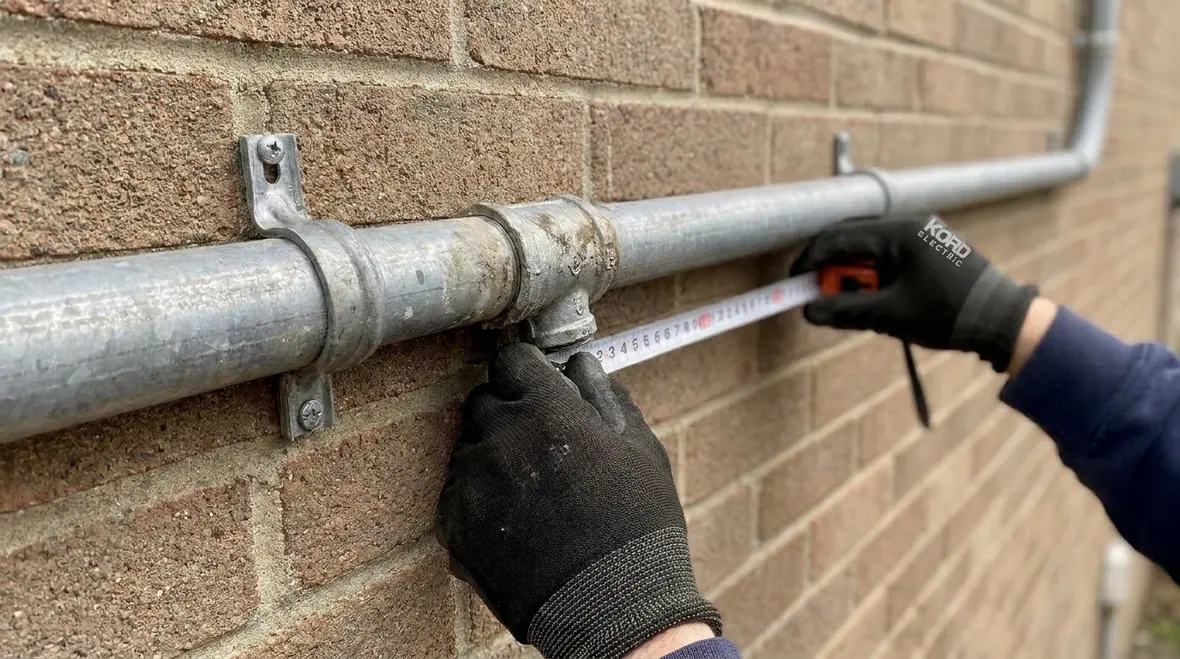
Next, they look at how raceways attach to the building and how they route around edges, penetrations, and mounting points. In many real projects, the weak spot is not the straight run. It is the connection area where water can travel, joints can loosen, and temperature swings stress the system. For that reason, we focus on secure installation, correct support spacing, and tight, code aligned fittings. Also, we pay attention to how the raceway connects to boxes and equipment, because a perfect run can still fail if the termination lets moisture in.
Finally, we ensure the raceway system aligns with the rest of the NEC layout approach for the installation. That means the exterior raceway does not become a random detour just because someone wanted a faster path. When we coordinate routing early, we reduce rework later.
For facility leaders who want a broader orientation to how this section fits into the bigger rulebook, our team often connects these conversations to resources like Understanding NFPA 70: The National Electrical Code Explained for 2026, so decisions about exterior raceways match the way the rest of the system is designed and inspected.
Material and exposure: choosing raceway systems that survive the real world
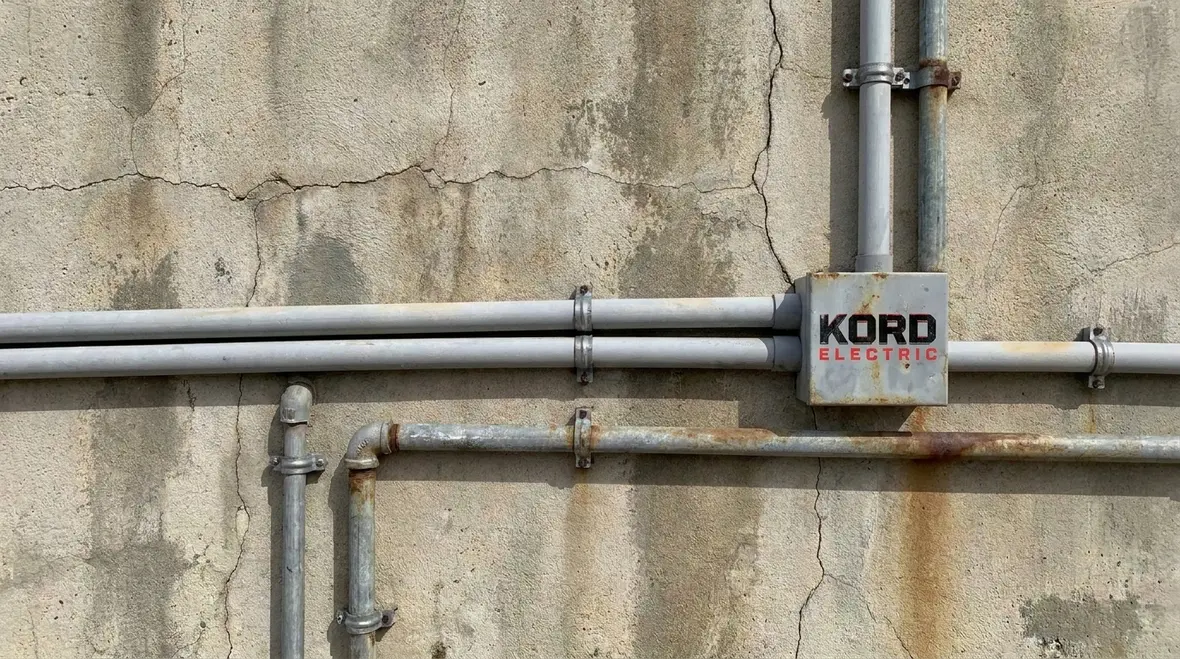
Exterior surfaces are not gentle. Wind-driven rain does not care about your schedule. Sunlight does not care about your budget. So, we choose raceway types and components that match the environment. In practice, our team evaluates corrosion risk, UV exposure, and the likelihood of impact during landscaping, equipment service, or general maintenance.
Additionally, we review how the raceway behaves with temperature changes. Metal expands. Materials stress. If the assembly relies on parts that are only “mostly” correct, problems show up in cycles. Instead, we select components that stay compatible with the building conditions and with the conductor system inside.
And yes, sometimes the site conditions feel like a pop culture villain origin story. One day the exterior is dry and quiet, and the next day a sprinkler line fails, water runs down a wall, and the raceway line becomes a channel. When that happens, proper installation and compatible materials help limit the damage and support safe operation.
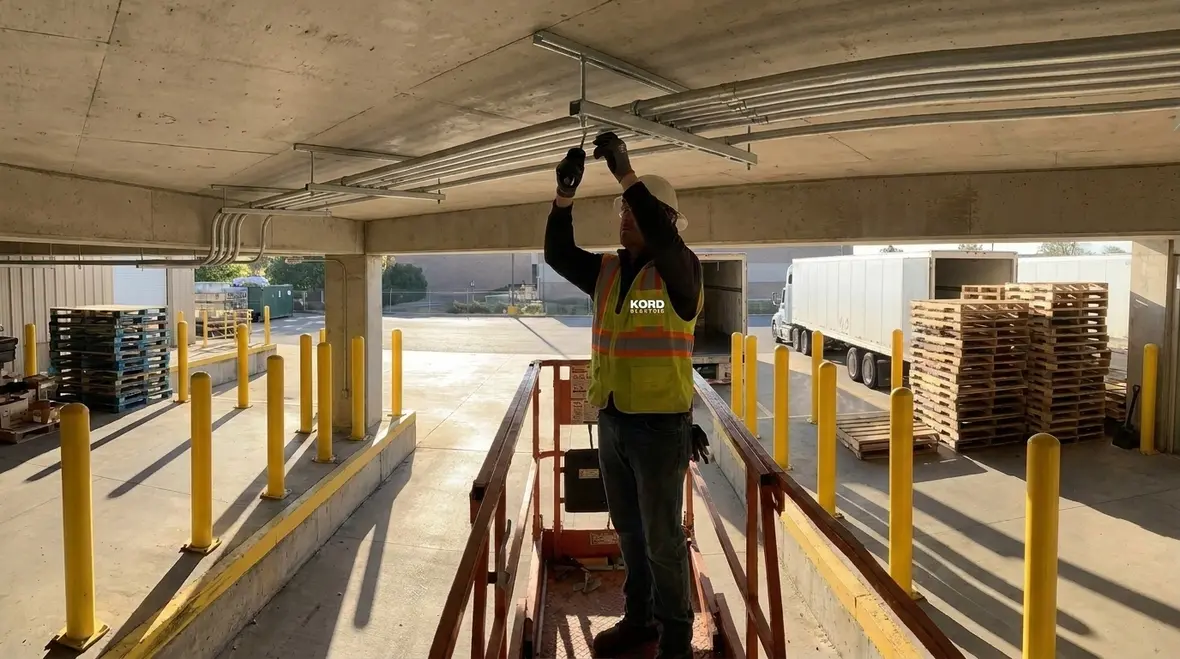
Routing, support, and protection: the details that inspectors watch
Even when the correct raceway type exists on paper, installation details decide whether you pass inspections and avoid future failure. Therefore, our technicians verify routing paths, mounting methods, and secure support so the system stays stable. They also confirm that the raceway does not become an obstacle that invites damage during routine work.
Support matters because it controls movement. When movement happens, fittings loosen and joints can open slightly, which then allows moisture migration. Moreover, we ensure the raceway stays aligned and installed cleanly around corners and transitions. If you have ever tried to keep a straight line while walking through a warehouse full of pallets, you know why we plan these runs carefully.
Also, we pay attention to physical protection where needed. If the location can be struck by equipment or maintenance activity, then we evaluate protective strategies. In that same spirit, we consider how the raceway transitions at penetrations, because that is where weather seals and enclosure integrity must remain strong.
Coordination with system design and other NEC requirements
Section 225.22 does not operate in isolation, and we do not treat it that way. Instead, we coordinate exterior raceway decisions with how the building electrical system is designed overall. This includes how circuits distribute, where they terminate, and how equipment enclosures connect to the exterior raceway path.
In many commercial and industrial builds, exterior routing intersects with other systems such as emergency circuits, signage power, exterior lighting controls, and site communications. So, we confirm labeling, separation, and appropriate enclosure selection. Then we verify that the raceway path supports the intended operational needs.
Meanwhile, we also reference broader NEC structure and interpretation through trusted resources we use in our planning work, including content that explains the NEC approach and how it applies across installation types. We also align with guidance from Kordfire resources and related safety discussions that our team uses to keep our understanding current, because code updates and local interpretations can shift how requirements get enforced on site.
How our team approaches exterior raceways on major projects
At Kord Electric, we handle commercial and industrial facilities and major property buildings, and we run a deliberate process. First, our technicians review the drawing set and site conditions, then we spot areas where exterior raceways need careful planning. Next, we confirm the raceway and fittings suitability for exposure and route selection. After that, we install with attention to joints, supports, and connections, because those details carry the safety weight.
Then, we verify the work before closeout. We do not rush to cover it up and hope it stays fine. Instead, we check alignment, support consistency, and termination integrity so the system performs as designed. And because facility teams value clear communication, we explain what we did and why, using plain language they can act on.
For context, our roots also connect to Kordfire, which focuses on fire and life safety conversations, and we treat electrical safety as part of that bigger reliability picture. When electrical systems and protection systems work well together, everyone sleeps better, including the night watch staff who never asked for drama. If you need additional guidance on NEC background concepts, we also keep resources available through Kordfire and partner platforms that help teams think through safety requirements in a structured way.
When projects involve broader upgrades or coordination across multiple buildings, we also help owners connect exterior raceway planning with larger scopes such as Los Angeles County electrical services for commercial and industrial facilities, so exterior work lines up with panel, feeder, and protection strategies inside the building.
Quick reference: common installation mistakes to avoid
What teams sometimes do
- They place exterior raceways with no clear protection plan for moisture and impact
- They choose components that seem correct but do not match exposure conditions
- They skip careful routing at transitions, especially around penetrations
- They under-support long exterior runs, letting movement stress joints
What we do instead
- We verify suitability for exterior exposure and select compatible raceway systems
- We plan routing so joints and connections avoid water pathways
- We confirm correct support and fitting integrity at every section
- We coordinate with the full system design so the exterior run fits the bigger plan
FAQ: NFPA 70 Section 225.22 and exterior raceway compliance
Final word: get exterior raceway design right before it turns into a repeat call
Exterior raceways on major buildings should be built for weather, movement, and real maintenance life. At Kord Electric, we follow NFPA 70 Section 225.22 with NEC exterior surface raceway rules in mind, and we back it up with disciplined installation and verification. If you are planning a new build, upgrading an existing facility, or troubleshooting repeated exterior issues, call us early. We will review your drawings, confirm component suitability, and help you move forward with confidence. Schedule a consultation today.
When exterior raceway plans coordinate with broader NEC decisions and services across your site, your electrical system becomes easier to maintain and less likely to surprise you during inspections. Pairing Section 225.22 compliance with thoughtful system design, training, and routine review keeps your facility ready for both everyday operations and the occasional storm that likes to test everything at once.


