NFPA 70 Section 225.39 Outside Disconnect Rating for Safety
NFPA 70 Section 225.39 rating of outside disconnects for commercial safety
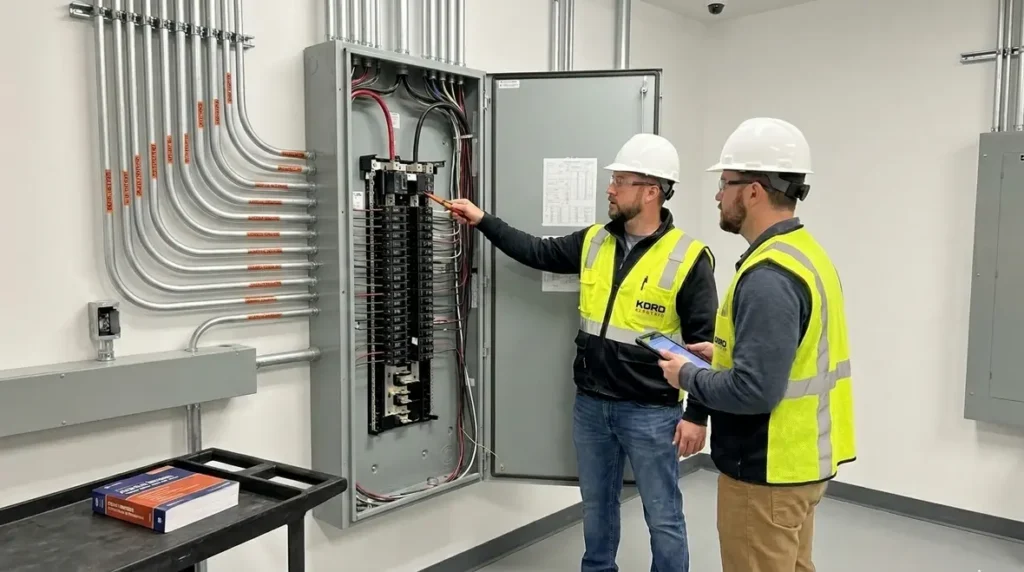
In commercial and industrial electrical service, we do not guess and we do not improvise. Our teams follow NFPA 70, and specifically the NEC outside disconnect rating rules in Section 225.39 when we evaluate and install disconnects at the service equipment. We make sure the outside disconnect rating matches what the facility needs, so the equipment works as intended and stays safe when people and power demand real results. In other words, we treat the outside disconnect like a doorman with a clipboard. It either meets the rules, or it gets sent back. That calm discipline keeps systems reliable, inspections smoother, and incidents rarer. Our expert service staff explains the “why” behind each requirement, because a building deserves more than a quick answer and a handshake.
What Section 225.39 actually requires in plain language
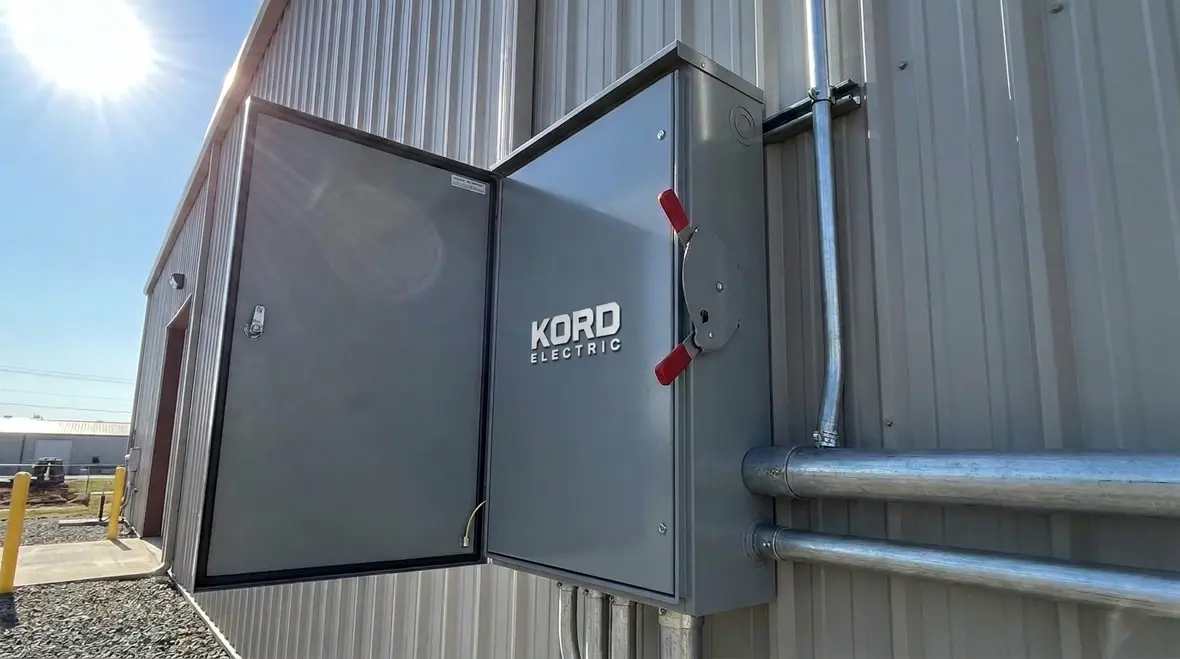
Section 225.39 focuses on the rating of an outside disconnect that serves the premises electrical system. While the NEC uses formal language, the goal is simple: the disconnect must have a rating that fits the service and supports safe operation. When we review an application, we look at what the building’s service equipment is doing and we match the disconnect rating accordingly.
To be clear, we do not treat “outside” as a casual location. Because the disconnect sits where weather, access, and visibility affect it, the NEC ties its performance to the service it controls. That means the disconnect needs to be sized and rated so it can safely carry and interrupt current under the conditions the code expects.
Also, we keep the context commercial and industrial. Large buildings often have feeders, multiple loads, and coordination demands. Therefore, the outside disconnect becomes part of the bigger safety story, not a standalone box in a wall. When facility teams want more background on the rulebook itself, we often point them to our NEC education resources, including Understanding NFPA 70: The National Electrical Code Explained for 2026, so they can see how Section 225.39 fits into the larger code framework for 2026 updates.
How we verify the rating so it matches the service
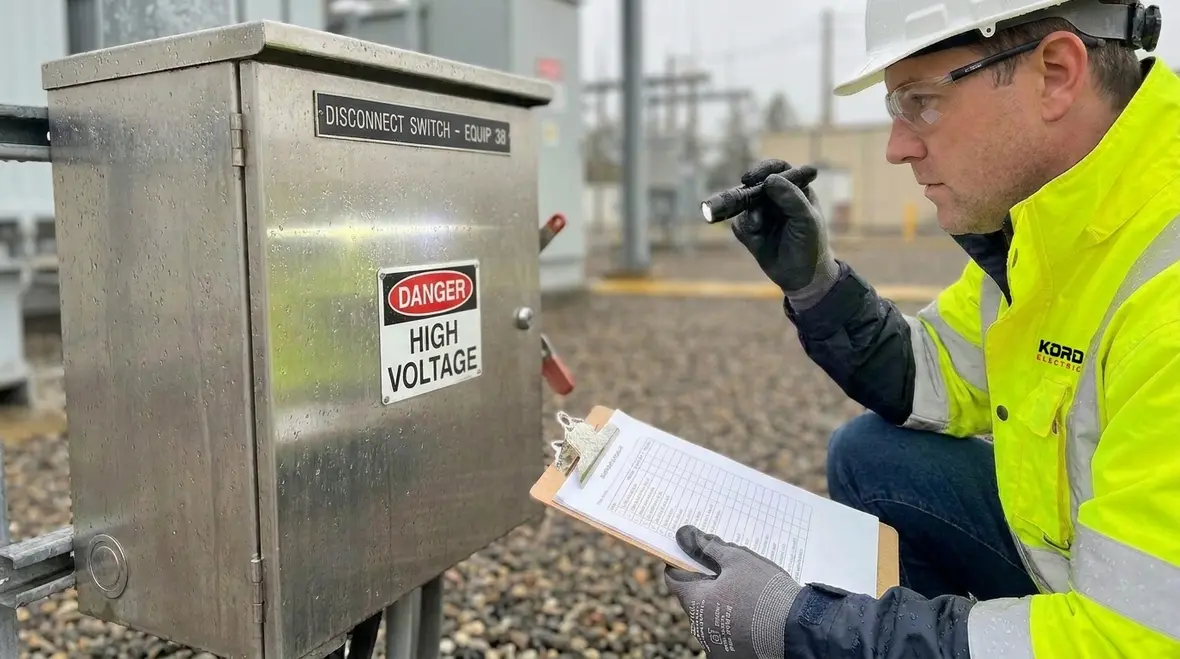
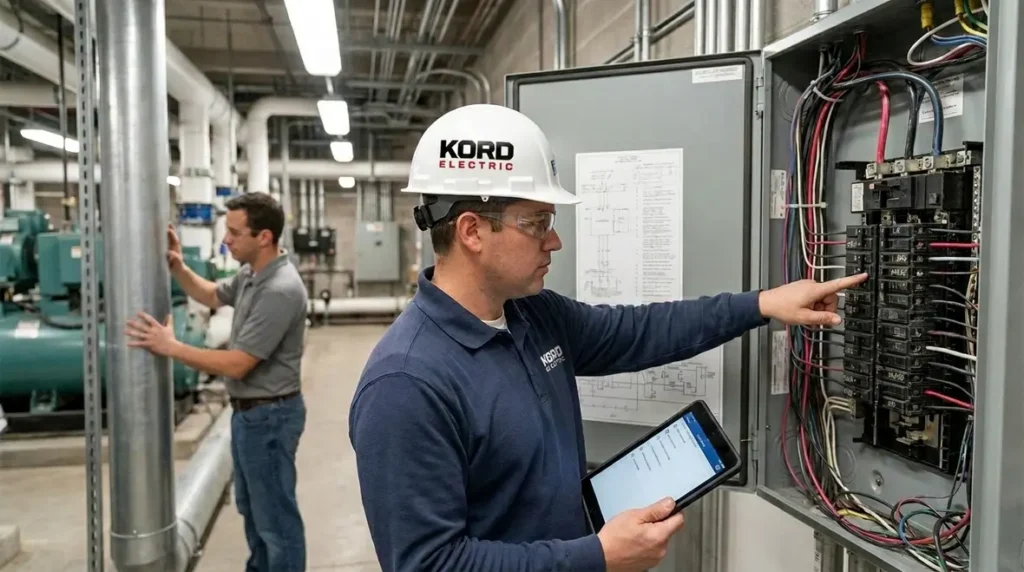
At Kord Electric, our technicians walk through the same disciplined path. First, we confirm the service characteristics and the electrical design intent. Then, we verify that the outside disconnect rating supports the current paths and interruption needs for the connected system. Finally, we check installation details that affect real-world performance.
Here is what our expert service staff typically checks during a field review for commercial and industrial facilities:
Service current and service equipment role so the disconnect rating supports what it controls
Device rating versus system duty so the disconnect can safely open under expected load conditions
Compliance with required marking so inspectors and operators can verify the install quickly
Coordination with downstream equipment so protective devices work in sequence rather than in chaos
And yes, coordination matters. If the disconnect rating and duty do not line up with the rest of the system, troubleshooting turns into a mystery novel. Someone always says, “It should work,” and the building replies, “Prove it.” We avoid that drama by keeping the NEC outside disconnect rating rules front and center and by tying every rating decision back to the actual service duty on site.
Common mistakes we see on major propertie buildings
In many commercial projects, the outside disconnect gets treated like a box that only needs to “switch power off.” However, NFPA 70 Section 225.39 expects more. The rating must align with the service it controls, and the electrical design must support safe interruption.
We often see the same failure patterns across major propertie buildings and industrial facilities:
Using a mismatched disconnect rating because a past project used the wrong assumption and nobody corrected it
Ignoring how the disconnect interacts with upstream or downstream protective devices so the system does not behave predictably
Overlooking labeling and documentation which slows inspections and forces costly rework
Assuming outdoor conditions only affect weatherproofing while the code also targets safe electrical performance
We also see a timing problem. Sometimes a disconnect arrives late, and the install team tries to “make it work.” Therefore, we recommend verifying the rating early, before equipment gets mounted and before conduit and physical layout decisions harden into regrets. A calm review of NEC Section 225.39 alongside your drawings saves far more time than a rushed change order under a tight inspection window.
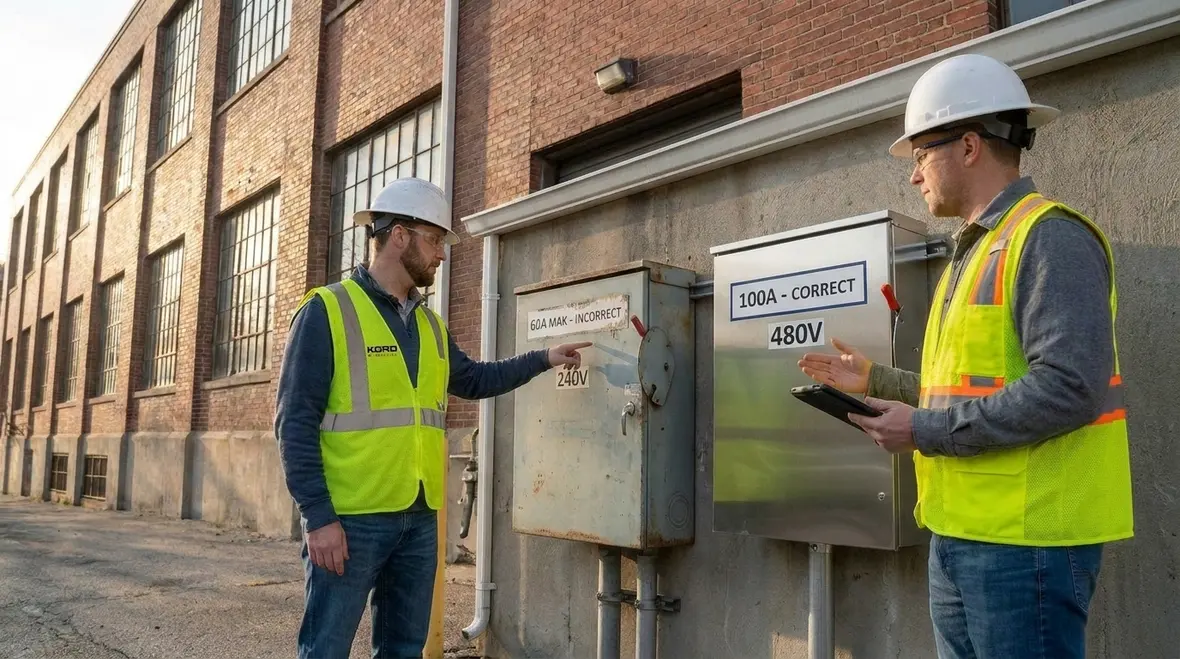
Outside disconnect rating rules and how weather meets electrical duty
People often think code only cares about rain. That is not the case. Of course, outside disconnects must handle the outdoor environment, but NEC requirements also aim at safe electrical operation, especially when conductors, connections, and switching load states do their thing.
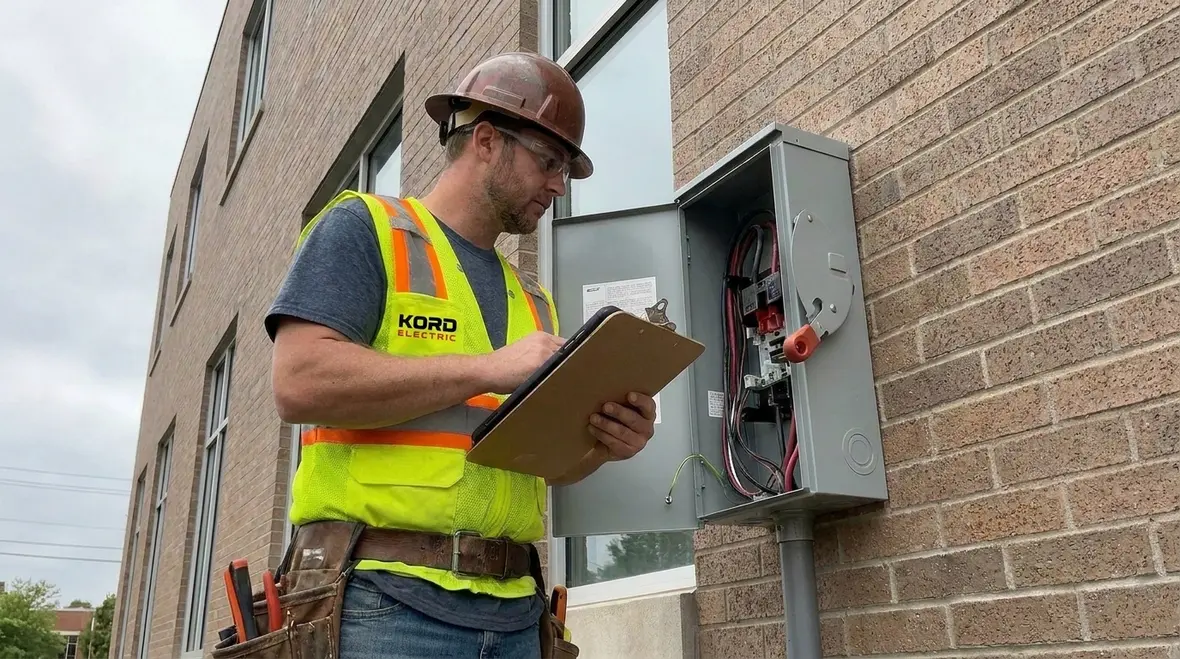
As a practical matter, our technicians examine the disconnect enclosure selection, mounting location, and access for operation and maintenance. However, the bigger lesson is that the rating requirement does not fade because a device sits outside. Instead, it becomes more important, because operators will rely on it in real conditions, not in theory.
Additionally, we consider how facilities operate. Commercial and industrial buildings use HVAC, process equipment, lighting systems, charging stations, and data loads. Consequently, the outside disconnect must integrate into the facility’s electrical reality. We help the customer plan and document the solution so the building team can operate confidently during routine maintenance and emergency procedures.
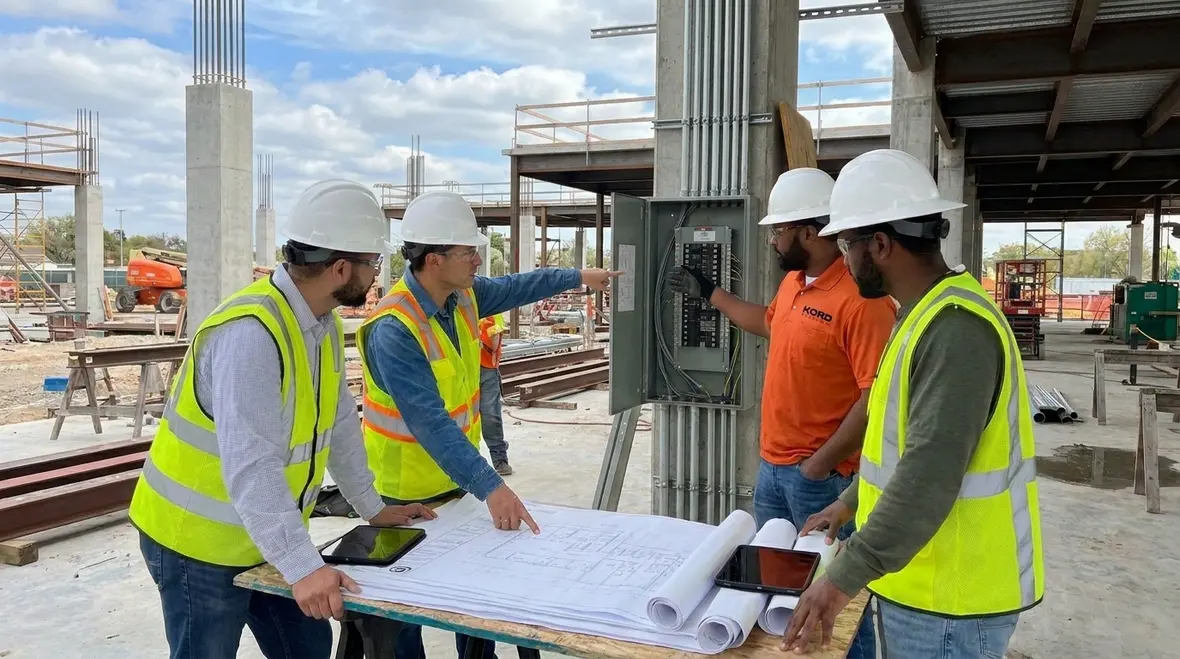
Coordination and service planning for commercial and industrial electrical systems
Once the outside disconnect rating meets Section 225.39 expectations, we still do not stop there. We coordinate it with the larger electrical plan. That means we align it with how other devices protect circuits, how operators shut down equipment, and how the system supports safe restoration after maintenance.
Our approach emphasizes clear service planning. For example, we often assist property teams that need a predictable shutdown path for contractors. We also support operations staff who need equipment isolation without delays. Therefore, we help translate code language into building procedures.
When we work on major propertie buildings, we also take a careful look at the electrical scope: service entrance details, feeder layout, disconnect locations, and how all of that fits into the facility’s workflow. We coordinate with stakeholders so the project does not turn into a game of “Guess which panel controls which piece of equipment.” Spoiler: nobody wins that game.
If you want broader NEC context, we reference the same NEC education philosophy we share in our blog and partner resources. Articles like our National Electrical Code explainer for 2026 help building teams understand the code framework, and Kord Fire resources connect NFPA 70 guidance to real fire and life safety outcomes. Our goal stays the same: safe, compliant, and practical electrical systems for commercial and industrial facilities.
How our expert service staff supports inspections and long term compliance
Our technicians do not just install and move on. We support our customers through verification and communication. That means we document what we installed, why it meets the NEC outside disconnect rating rules, and how it ties into safe electrical operation for the facility.
In practice, this support looks like:
Jobsite verification so the installed disconnect matches the design intent and rating requirements
Clear explanation for building teams using plain language and visuals so operators understand the shutdown path
Inspection readiness so labeling, documentation, and installation details do not cause last minute surprises
Maintenance guidance so the disconnect stays dependable over time
Moreover, we build trust. A calm, clear explanation reduces frustration for customers and contractors alike. And if someone asks a question that sounds like it belongs in a sitcom, our team still answers it. We just do it with fewer jokes than they deserve. Over time, that kind of steady support helps facilities stay aligned with NEC expectations instead of treating each inspection like a brand-new test.
FAQ: NEC outside disconnect rating rules under Section 225.39
Facility teams ask similar questions whenever we review NEC outside disconnect rating rules under Section 225.39, especially on complex commercial or industrial sites. The answers below help clarify how the rating requirement works in daily operations, not just on paper.
Call Kord Electric for compliant outside disconnect planning
When a commercial or industrial project needs outside disconnects that truly comply, we help you get it right the first time. Our technicians and expert service staff review the service plan, confirm the disconnect rating required by NFPA 70 Section 225.39, and support clear documentation for inspection readiness. If you are building, upgrading, or coordinating a major propertie project, call Kord Electric. We bring calm, code focused expertise to the work, so your electrical system stays dependable when it matters most.
For facilities planning broader upgrades or facing complex jurisdictional requirements, we also coordinate NEC strategy with your long term electrical roadmap. That includes aligning outside disconnect designs with Los Angeles County electrical services expectations and similar local requirements, so your permitting and inspections line up with the same discipline we bring to every disconnect rating decision.
If your facility team wants to see how Section 225.39 fits into the bigger safety picture, you can pair this guidance with our broader NEC resources and with Kord Fire’s NFPA 70 insights for fire and life safety systems. Together, those perspectives help you treat the NEC outside disconnect rating rules not as one more box to check, but as a practical shield for people, property, and uptime.
When you are ready to plan or verify outside disconnect installations, bring us in early. We will review your drawings, examine on-site conditions, and walk your team through the “why” behind each requirement, so every disconnect on your property stands ready to do its job when it truly counts.