
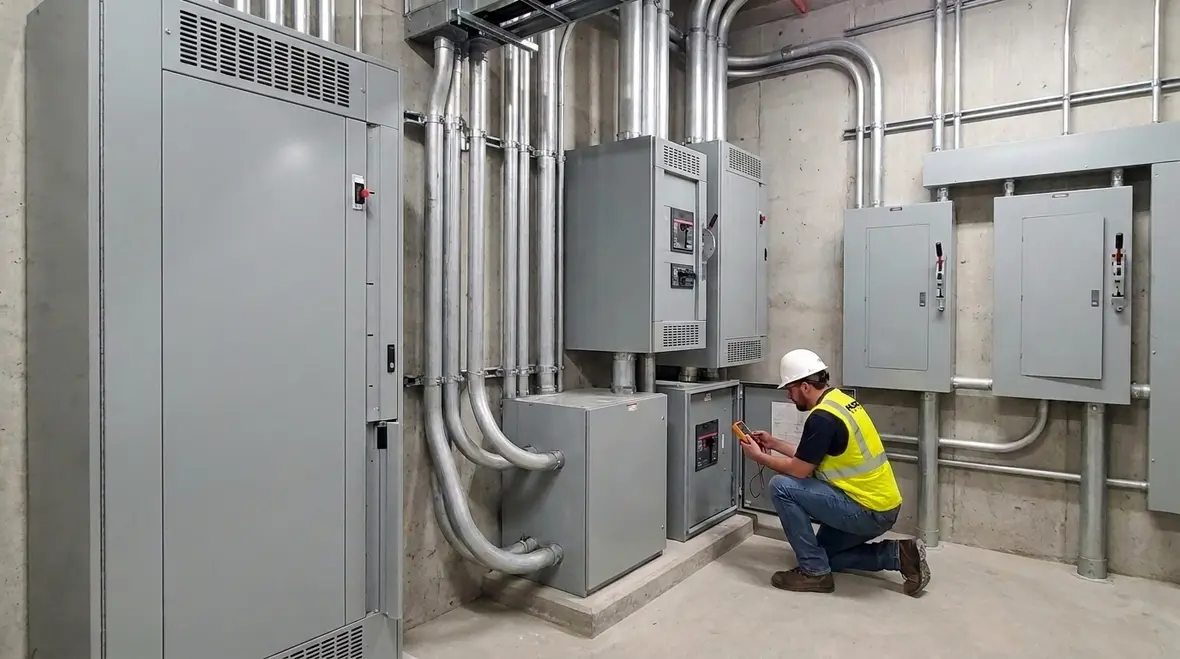
NFPA 70 Section 230.4 How Many Services Allowed
NFPA 70 Section 230.4 and How Many Services a Building Can Use
In commercial and industrial buildings, electricians do not guess, they verify. That is why the NEC number of services allowed matters when a site has multiple tenants, upgrades, or future expansion. Per NFPA 70 Section 230.4, one building can have one service where the wiring method and equipment remain part of a single supply plan. However, if the design meets specific conditions, additional services can be permitted. Either way, our team at Kord Electric treats the rules like a map, not a rumor.
And yes, people sometimes ask if they can add another service “just because it is easier.” We get it. It feels like adding an extra fridge to the break room. Then someone checks the electrical room and asks why the load study looks like a horror movie. So we slow down, read Section 230.4, and explain it clearly with help from our technicians and experienced service staff, in plain business English that actually lands.
What Section 230.4 Really Controls in the Real World
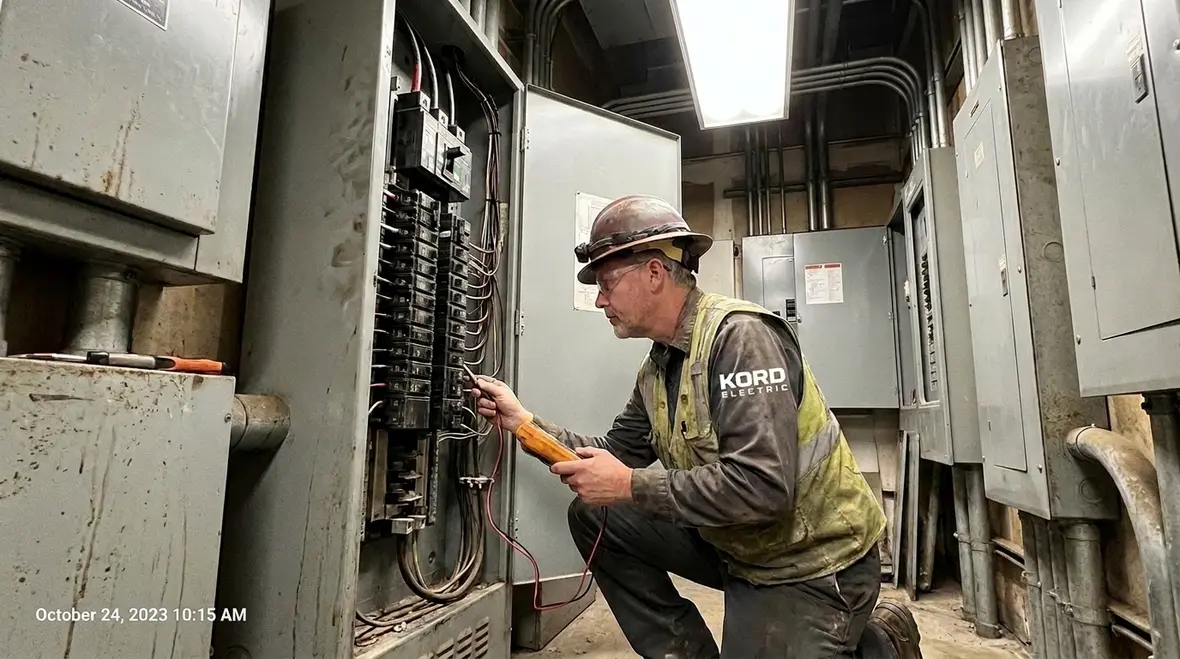
Third person reporting usually sounds cold, but the electricians at Kord Electric know this topic can get messy fast, especially in major property buildings with complicated tenant layouts. Section 230.4 addresses the number of services and focuses on whether a building operates with a single service arrangement or if multiple services serve legitimate needs under the NEC framework. In other words, it controls how the utility service ties into the building and how the electrical system stays organized.
Next, the rule does not just ask “how many.” It also looks at how the services connect, how the building is defined in the field, and whether the arrangement creates confusion for fault response, meter management, or maintenance. That matters because in commercial and industrial facilities, teams need reliable operation, safe servicing, and clear documentation. A building that has multiple services without a clean plan can feel like office ping pong, where nobody knows who is supposed to hit the ball.
How the NEC Number of Services Allowed Affects Design and Permits
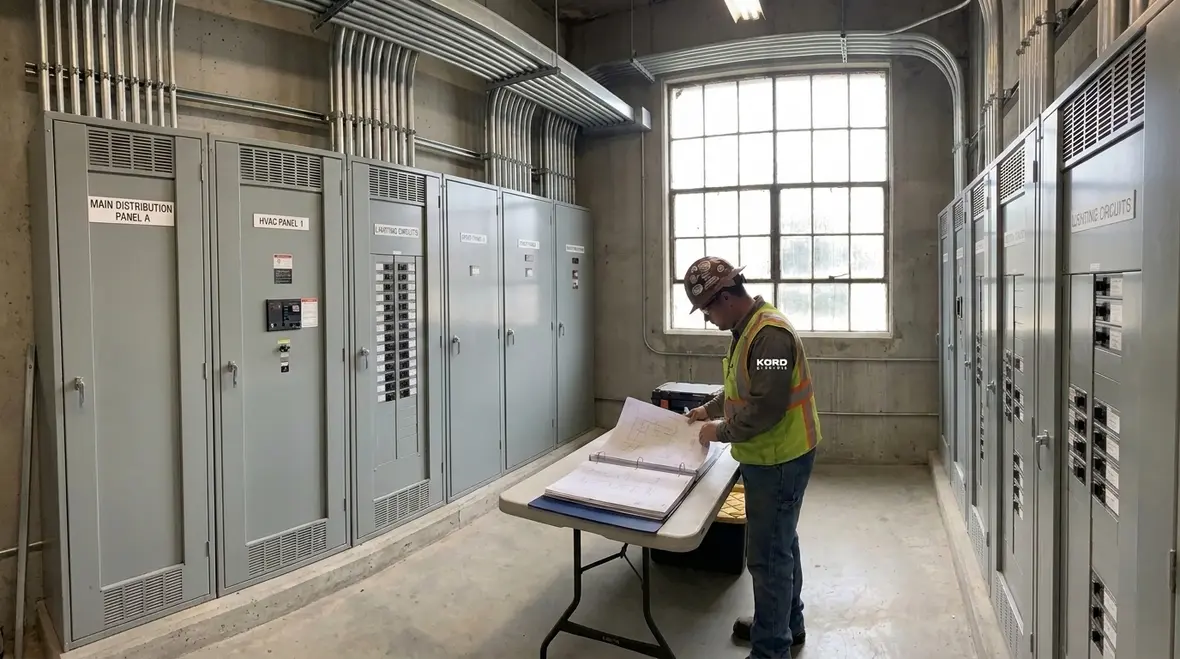
When engineers and electrical contractors design an electrical service plan, they need certainty early. Therefore, the NEC number of services allowed influences single line diagrams, utility coordination, and inspection expectations. If a project requires additional services, the electrical drawings must show the justification and meet the specific conditions needed for approval.
Moreover, our technicians at Kord Electric often see delays when the service layout changes after the electrical room is already planned. For example, a building might add a new production line, or a tenant might expand equipment. Then everyone realizes the original service plan cannot support the updated load in a code compliant way. At that point, teams either revise the design or restructure the distribution. Either option costs time and money, and no one enjoys that kind of surprise.
So we advise property managers, general contractors, and tenant coordinators to involve us early. That is also when our experienced service staff can explain what inspectors typically look for: clear separation, correct labeling, consistent grounding and bonding, and a service plan that does not “drift” from the approved design. For broader context on how NFPA 70 direction shapes modern projects, many teams also reference our resource on understanding NFPA 70, the National Electrical Code explained for 2026 as part of their planning.
When Multiple Services Make Sense and When They Do Not
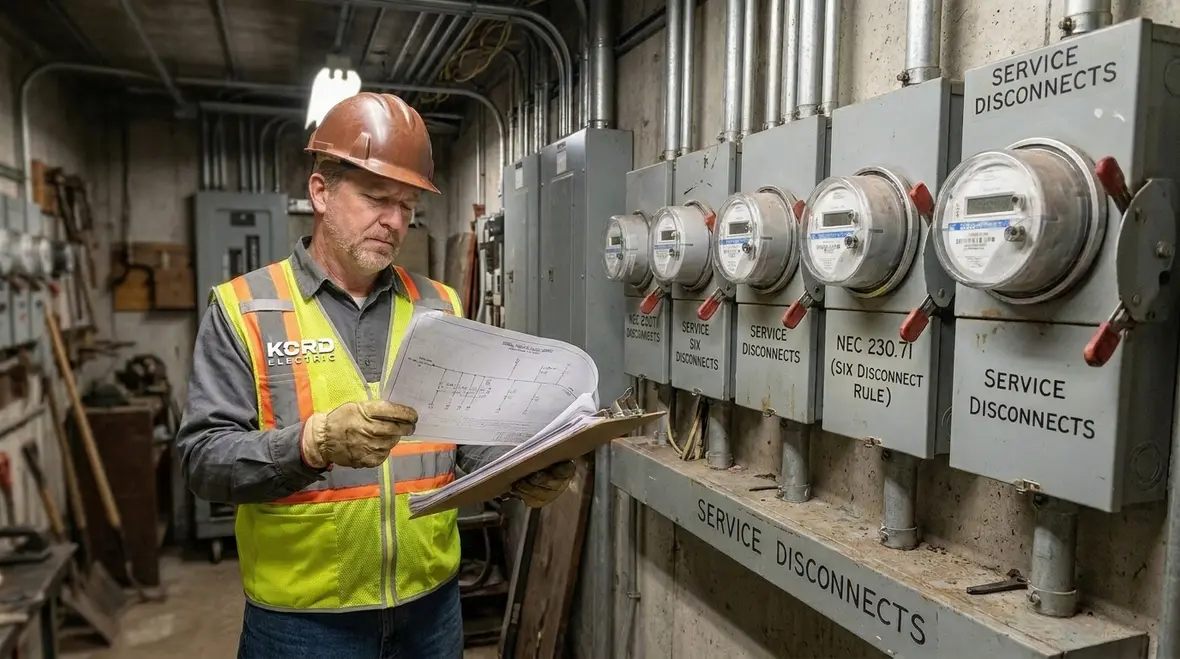
In commercial and industrial settings, multiple services can serve real operational goals. For instance, some facilities need dedicated services for critical processes, where power interruption impacts safety or production. Likewise, certain site configurations can support more than one service under conditions tied to the code’s definitions and the physical arrangement of the building and supply.
However, multiple services do not exist to make admin work easier. They are not a shortcut for avoiding electrical upgrades. If the project simply wants more flexibility for tenant billing without a legitimate code compliant basis, the plan will not survive the review process. And then someone has to explain to management why “flexibility” became a change order.
Our team keeps this simple: when the facility truly needs distinct electrical service arrangements, we help the design team document the reasoning. Then we guide the install so the field matches the drawings. In the end, the goal stays the same, safe power distribution that works during daily operations and during emergency conditions.
Coordination With Utility and Metering in Major Property Buildings
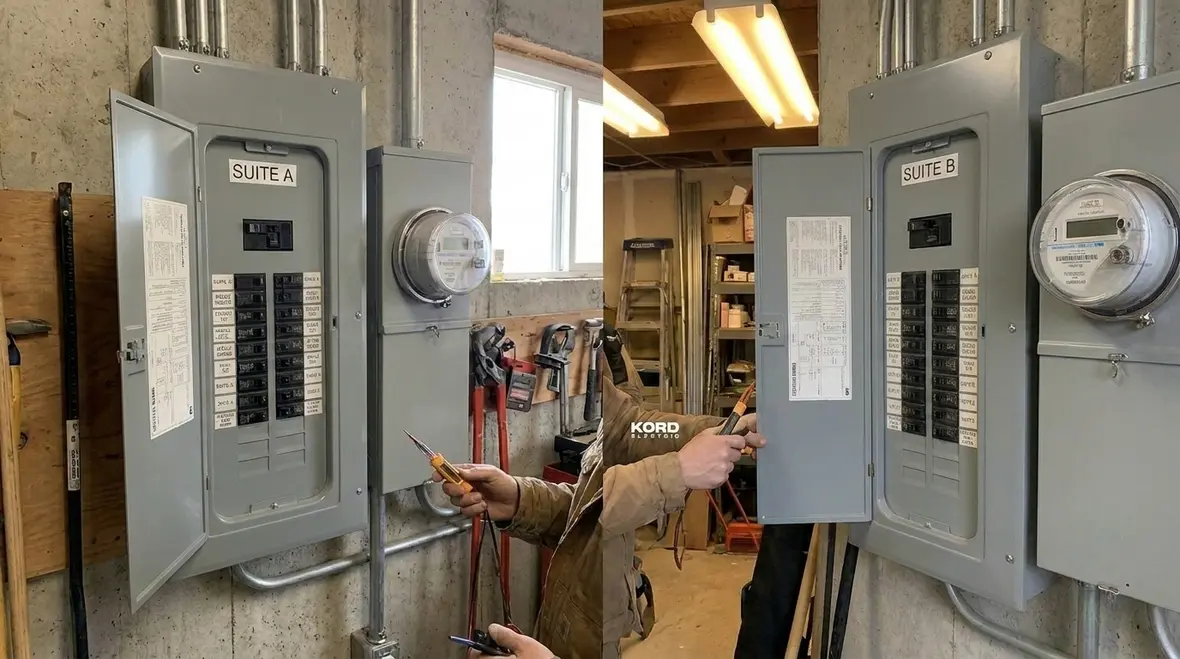
Commercial towers and multi tenant campuses rarely run on one clean idea. They run on coordination. First, utilities must confirm available service configurations. Then, the electrical contractor must align service disconnect placement, metering equipment, and pathways for conductors. In addition, the documentation must support maintenance, load forecasting, and inspection.
When more than one service exists in a major property building, the metering and labeling become more important, not less. Without careful identification, facilities teams waste time tracing circuits and verifying power sources. That creates longer outage windows during troubleshooting. In the long run, that means less uptime, and in business, time is money with better branding.
Therefore, our technicians at Kord Electric coordinate with stakeholders so metering and service equipment integrate into the facility’s electrical system plan. We also emphasize that proper workmanship matters: conductor terminations, torque specs, wire fill, and clear labeling all affect safe performance. The code sets the direction, and good installation keeps the project in that lane.
Common Mistakes Facilities Teams Make With Service Count Rules
Even good teams stumble, especially when multiple contractors work in the same building over time. One common mistake involves treating Section 230.4 like a one time checkbox. Yet the service plan can change during renovations, tenant improvements, and equipment upgrades. As a result, the number of services and how they operate can drift out of compliance if the facility does not update drawings and field documentation.
Another frequent issue involves misunderstanding the building boundary. In major property buildings, portions of a site can look like separate structures but still function as one connected building from an electrical standpoint. Inspectors can interpret the situation based on how the facility operates, so design teams must define the building arrangement clearly.
Finally, some teams chase convenience over code clarity. They might add panels and feeders, then later request changes to service arrangements without a proper basis. At that point, the fix becomes expensive. Our experienced service staff helps avoid that spiral by reviewing the existing service configuration before changes begin. We explain the impacts in practical terms, and we keep the project moving without unnecessary drama.
How Kord Electric Supports Commercial and Industrial Service Planning
Kord Electric serves commercial and industrial facilities and major property buildings, and we treat electrical service work as a system, not just equipment. From planning to installation to ongoing service, we bring a calm, methodical approach. That is also why we point customers to educational resources from our NEC and NFPA 70 focused content, including the guidance on the national electrical code explained for 2026 style updates and practical compliance points. Our broader NFPA 70 explainer content, such as the piece on what NFPA 70 is and how it guides electrical design, helps facilities see how Section 230.4 fits into the bigger picture.
We also work with code focused fire and life safety communities when projects require coordination beyond basic electrical. For example, the conversation often overlaps with fire pump and emergency power planning, especially when facilities need dependable operation. Then teams benefit from understanding how electrical service arrangements support reliable emergency response power systems.
If a facility wants a smooth process, it starts with clear communication. Our technicians explain what the code allows, what it requires, and why inspectors care. And when the field differs from the plans, we address it early, before it turns into the kind of meeting nobody wants to attend.
Dual focus on service count and safe outcomes
Kord Electric helps major property buildings plan under NEC structure, verify service count decisions, and prepare the electrical room for long term maintenance.
Transition from theory to install
Our service staff walks teams through the “why” behind Section 230.4 decisions, then supports labeling, coordination, and inspection readiness.
FAQ: NFPA 70 Section 230.4 and Service Count
Call Kord Electric for Code Confident Service Planning
When commercial and industrial facilities plan or adjust electrical service arrangements, we recommend starting with code confirmed decisions, not guesswork. Kord Electric works with teams that manage major property buildings, and we help you understand NFPA 70 Section 230.4, document the service approach correctly, and build it right the first time. If your project involves a renovation, tenant change, or expansion, contact us now so our technicians and service staff can review your situation and guide the next steps. Your future outages will thank you.
For projects in Southern California and beyond, our Los Angeles County electrical services team supports everything from NEC driven service upgrades to coordinated emergency power planning, so your facility’s service count decisions stay grounded in both code and real-world operations.


