
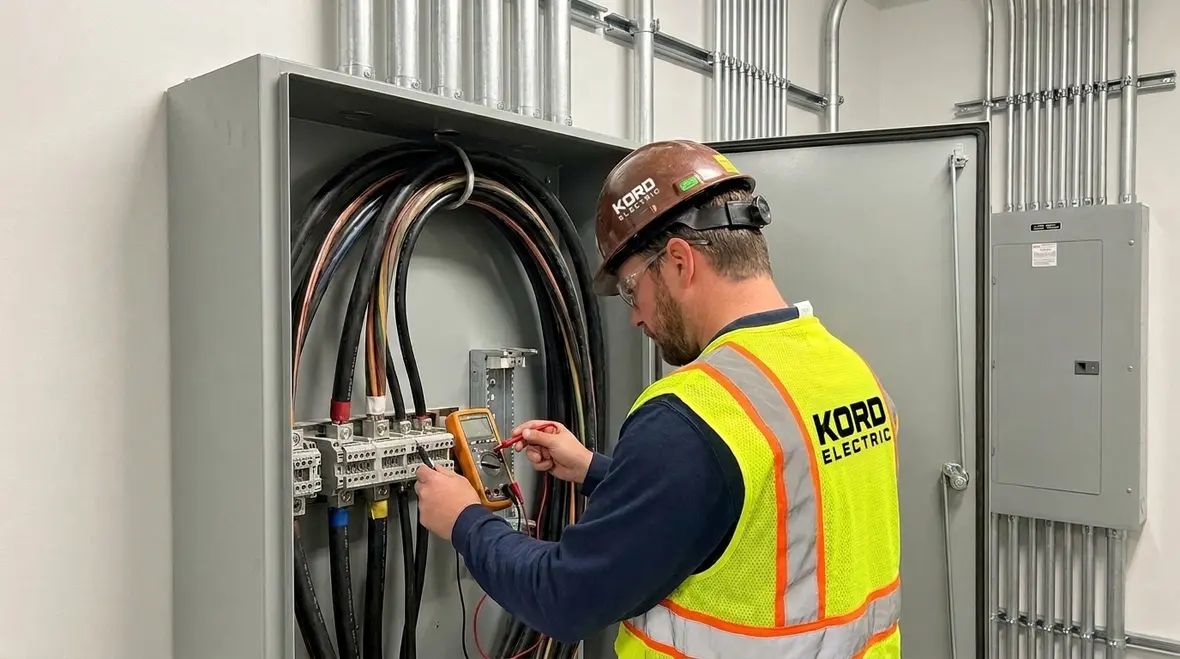
NFPA 70 Section 230.7 NEC Other Service Conductors
NFPA 70 Section 230.7 sets the rules for NEC other service conductors, and that matters more than people think for commercial and industrial buildings. In our experience at Kord Electric, we have seen how a small misunderstanding about service conductor rules can ripple into big field problems, delays, and unnecessary cost. So, we put our expert service staff on the job, not just to tighten screws, but to explain what the code actually demands and why it exists.
And yes, we promise to keep it calm. Electricity does not need drama. It already has enough, like a Marvel movie trailer that gives away the ending. In this guide, we explain Section 230.7 and how it connects to real jobsite decisions for major property buildings.
What NFPA 70 Section 230.7 requires for service conductors
In plain terms, Section 230.7 addresses NEC other service conductors and how installers must handle them in a service setup. Other service conductors can include wires and cables that support service equipment functions beyond the main service conductors, and the NEC treats them with specific caution. Our technicians treat this like a checklist with consequences, because the code does.
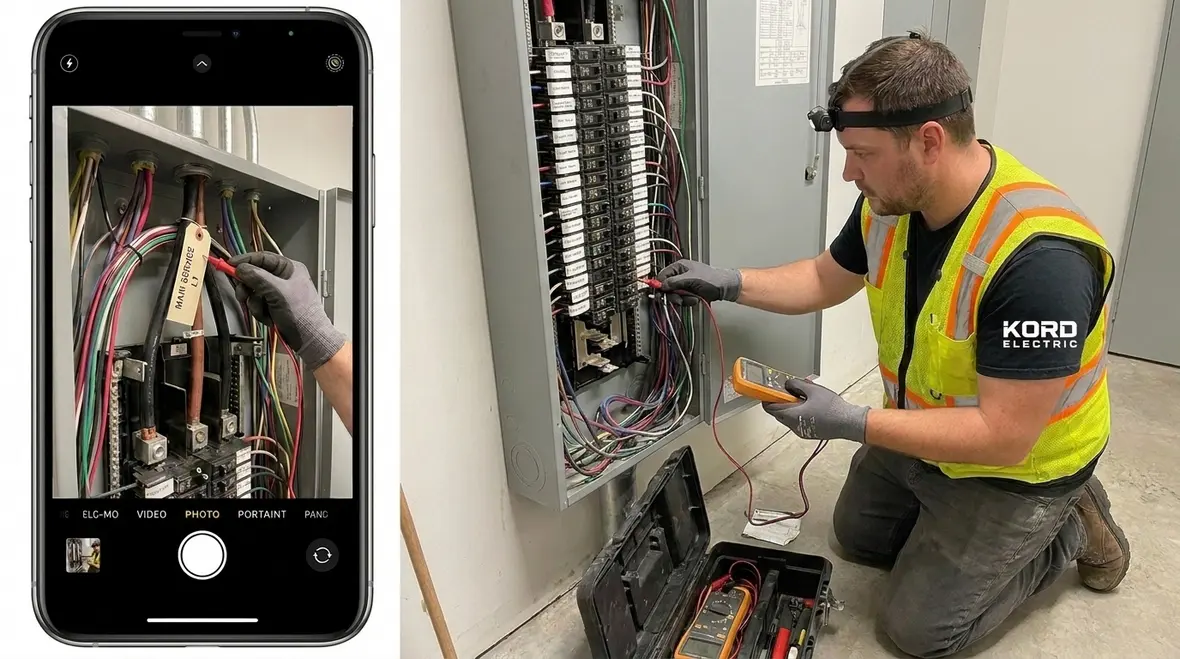
To follow the rule correctly, we first map what the service arrangement includes. Then, we apply the NEC requirements that affect conductor type, installation method, protection, and connection. After that, we verify the field matches the design. Finally, we document what we did, so the facility team and inspectors can trace the logic without guesswork.
Meanwhile, the practical reason is simple. In commercial and industrial facilities, service systems often carry critical loads, and a mistake can turn routine power distribution into an outage story. Transitioning from design to field means you must keep the code intent intact, not “close enough” and hope for the best.
How NEC 230.7 connects to service layout in real buildings
When our expert service staff visits a major property building, the service layout usually does not look like a perfect diagram. Instead, it is built around equipment spacing, raceway routes, underground conduit transitions, and reroutes for existing infrastructure. Therefore, Section 230.7 becomes a decision guide for how conductors get placed and protected.
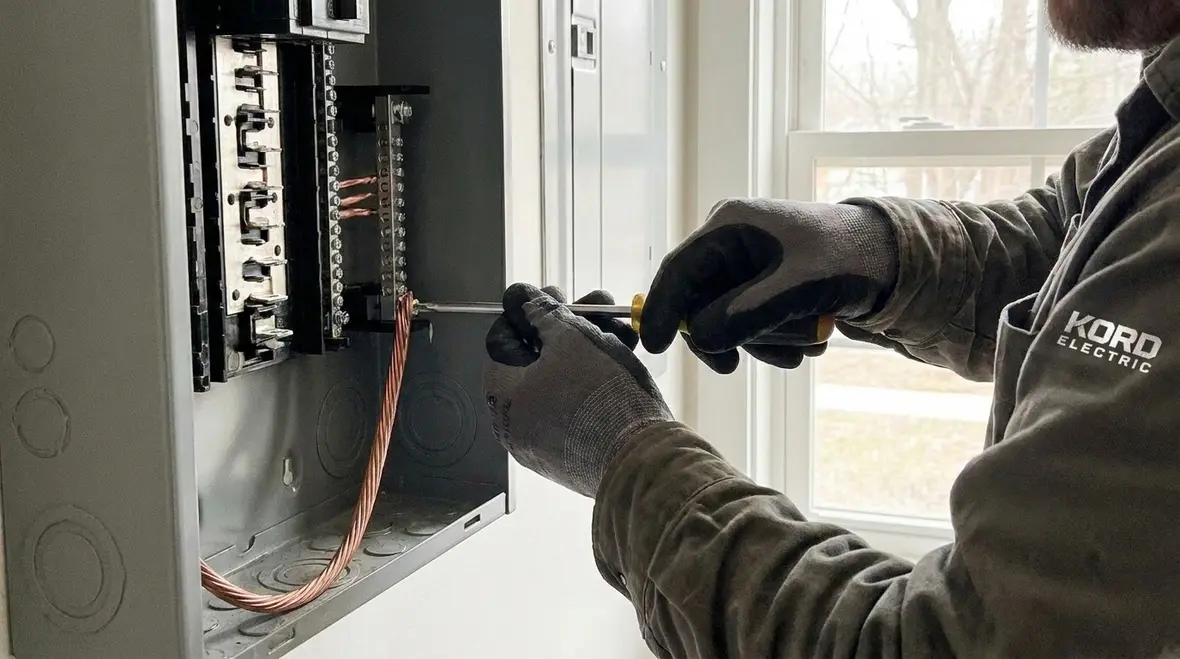
First, we look at where the service originates and where equipment terminates. Next, we identify which conductors count as other service conductors in that specific design. Then, we confirm the installation method fits the NEC rules for the location and routing path. After that, we check terminations, spacing, and separation from hazards.
Also, buildings rarely stay static. Facilities expand, tenant needs change, and contractors come back for upgrades. As a result, Section 230.7 helps prevent upgrades from accidentally violating earlier conductor assumptions. Our approach stays consistent: we audit the current system, then we apply the rules to the new work, not the “what was done back then” logic.
When facility teams want a broader view of how NFPA 70 shapes everyday decisions, we often reference resources like Understanding NFPA 70: The National Electrical Code Explained for 2026, then bring those concepts down to the specific Section 230.7 details that apply to their building.
Raceways, separation, and protection in Section 230.7 applications
One of the most common field issues we see involves conductor routing and protection. So, we slow down here and explain it clearly. In commercial and industrial jobs, you can have cramped cable trays, multiple trades sharing routes, and equipment that throws heat or vibration into the mix. Then, the conductors must still meet the NEC expectations.
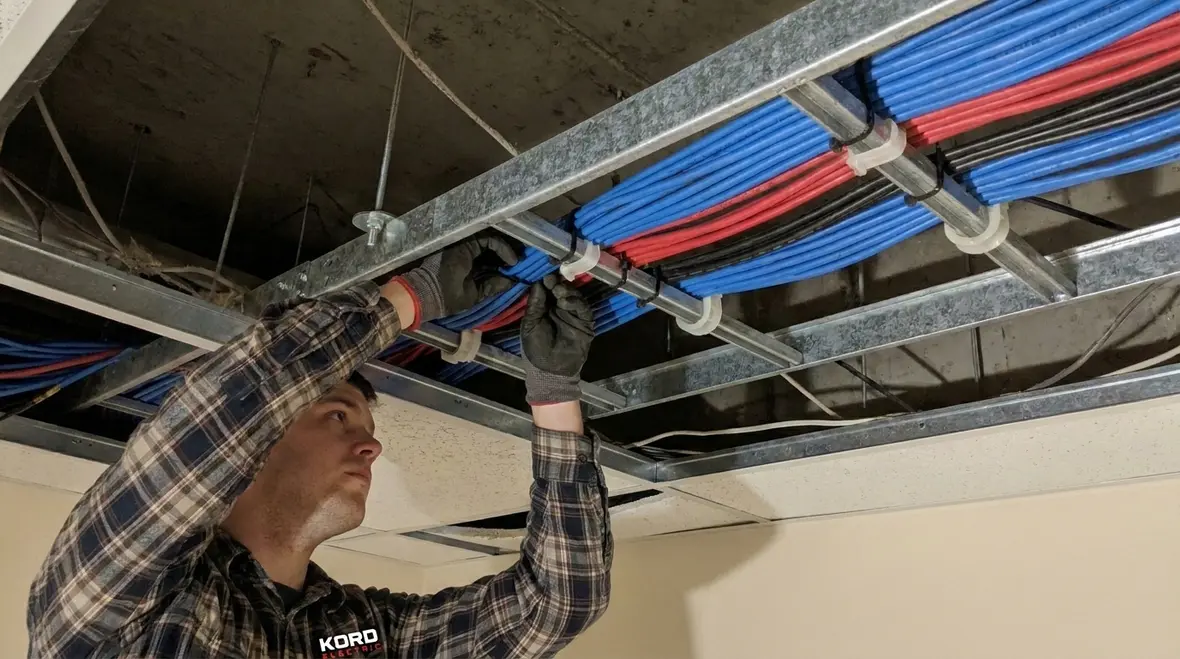
Section 230.7 pushes installers to maintain proper protection and installation practices for other service conductors. That means we pay attention to how cables pass through spaces, where they enter enclosures, and how they stay secure. It also means we follow rules that protect conductors from physical damage and avoid mixing incompatible systems in ways that create risk.
Transition words help, because the workflow matters. We inspect the route, then we plan separation, next we check support and bonding, and after that we confirm the final connections. In other words, we do not “install and move on.” We install, verify, and document, like professionals who respect time and reduce rework.
And if you are thinking, “This sounds strict,” well, yes. Electricity enjoys rules. It is like an airline policy. You can bend it, but you will eventually meet the agent who politely says no.
Bonding and grounding considerations that affect other service conductors
Bonding and grounding keep people safe and keep equipment stable. For other service conductors under Section 230.7, we treat the grounding path as part of the conductor system, not an afterthought. In commercial and industrial facilities, where large metal structures and complex distribution systems exist, grounding mistakes can lead to nuisance trips, equipment stress, and hazardous conditions.
Our technicians follow a disciplined process. First, we review the engineered grounding plan and confirm it matches the actual service equipment. Next, we check bonding jumpers, conductor connections, and the integrity of terminations. Then we look at how raceways and enclosures connect to ensure continuity where required. After that, we perform field verification to reduce surprises.
Just as important, we explain the “why” to facility managers. Many teams do not need a textbook, but they do need confidence. Therefore, we walk them through what we verified and what it means for ongoing reliability.
Inspections, documentation, and keeping code intent intact
Commercial and industrial projects live and die by documentation. Inspections happen, owners ask questions, and operations teams need records they can trust. So, when we handle NEC other service conductors under Section 230.7, we approach it like a paper trail for safety and performance.
To support inspection readiness, we verify labeling, circuit identification, conductor routing, and the correct installation method. Also, we make sure terminations look clean and match the expected hardware. Then, we review photos or notes so the facility team can understand what changed and why it complied with the NEC.
At Kord Electric, we do not hide behind technical jargon. We speak in jobsite language. And if an inspector asks a question, our expert service staff explains the code logic in a way that stays clear, not defensive.
Single-source electrical and fire safety coordination for major buildings
Major property buildings often include more than one discipline. Power distribution connects to life safety, fire pumps, emergency systems, and building control logic. That is where coordination matters. In our world, electrical work does not happen in a vacuum, and neither does safety planning.
Because of that, we also think about related code needs and safety expectations that show up during project review and ongoing maintenance. For example, fire pump systems and life safety power rely on dependable service delivery and correct installation. If the service conductors get treated wrong early on, the downstream systems pay the price later.
Therefore, we coordinate with facility stakeholders and other partners so service rules and equipment needs align. You can picture it like a band rehearsal. If the drummer plays a different tempo, the song still sounds chaotic even if the guitar looks perfect.
For more context on how NFPA 70 and related electrical topics affect real systems, our team encourages customers to review guidance from our other resources at kordfire.com and kordfire.com.au. When you connect those ideas back to Section 230.7, you get a clearer path to compliant service design and installation.
How we handle updates and expansions without breaking NEC rules
In commercial and industrial facilities, upgrades come in waves. One tenant expands. Another changes equipment. A property manager adds a new distribution panel. Then the wiring “needs to fit,” which is how problems start when teams skip conductor classification.
So, we plan upgrades with a clear rule-first mindset for NEC other service conductors. First, we confirm what conductors already exist and how they connect to current equipment. Next, we identify what new conductors will act as other service conductors in the modified system. Then, we verify that routing, protection, and terminations remain compliant with Section 230.7 after the work is complete.
After that, we pressure-test assumptions in the field. We check support spacing, cable tray fill considerations, and how equipment connections affect grounding and bonding. Finally, we document the changes so future work does not repeat old mistakes.
To help explain the process clearly, we sometimes summarize the workflow for facility teams in a side by side view during scoping sessions. Below is a simple, dual column snapshot of what we review and what we install on site.
| What we review | What we install and verify |
| Service arrangement, conductor classification, and equipment terminations | Correct conductor routing, protection, bonding, and grounding continuity checks |
| Raceway and enclosure pathways, physical protection risks, and separation needs | Secure support, proper entry points, and clean terminations with documentation |
| Expansion impacts on earlier service logic and inspection expectations | Upgrade fit with code intent and field verification to reduce rework |
When facilities plan larger capital projects or long-range reliability upgrades, we often align those Section 230.7 details with broader strategies from our data-driven and emergency power resources, such as the planning approach we outline in our Electrical Supply Planning Tools for Construction & Distribution Projects and our Emergency Power for Business Continuity guides. That way, upgrades serve both compliance and uptime instead of treating them as separate goals.
Frequently asked questions about Section 230.7 and service conductors
Final word and next step with Kord Electric
Section 230.7 may read like a rulebook, but in the field it acts like a safety map. When we install and verify NEC other service conductors for commercial and industrial facilities, we keep code intent intact from design through inspection. If you run a major property building, or you plan an expansion, bring us in early. We will review your service layout, coordinate the work, and help you avoid delays. Our broader Los Angeles County commercial electrical services portfolio also supports upgrades, emergency power planning, and long-term reliability, so your service conductors fit into a bigger, safer picture.
Contact Kord Electric today, and let our expert service staff walk you through the decisions that protect your power.


