

NFPA 70 Section 265.11 NEC Required Branch Circuits
NFPA 70 Section 265.11 and NEC required branch circuits in real projects
When a facility needs electricity that stays dependable, we plan from the rules up, not from guesswork down. At Kord Electric, our work starts with NEC required branch circuits and the site conditions that trigger them. Then we check how NFPA 70 Section 265.11 calls for when separate branch circuits must exist. That means our team designs safer paths for power, and it means fewer surprises during inspection or later, when a system has to run with zero drama.
Now, in plain terms, this is not the kind of rule you ignore and hope the building gods forgive you. It is the kind you respect, document, and verify. And yes, we have met clients who wanted to wing it like it was a weekend DIY show, but for commercial and industrial properties, the stakes do not match the hype.
Why Section 265.11 pushes separate branch circuits
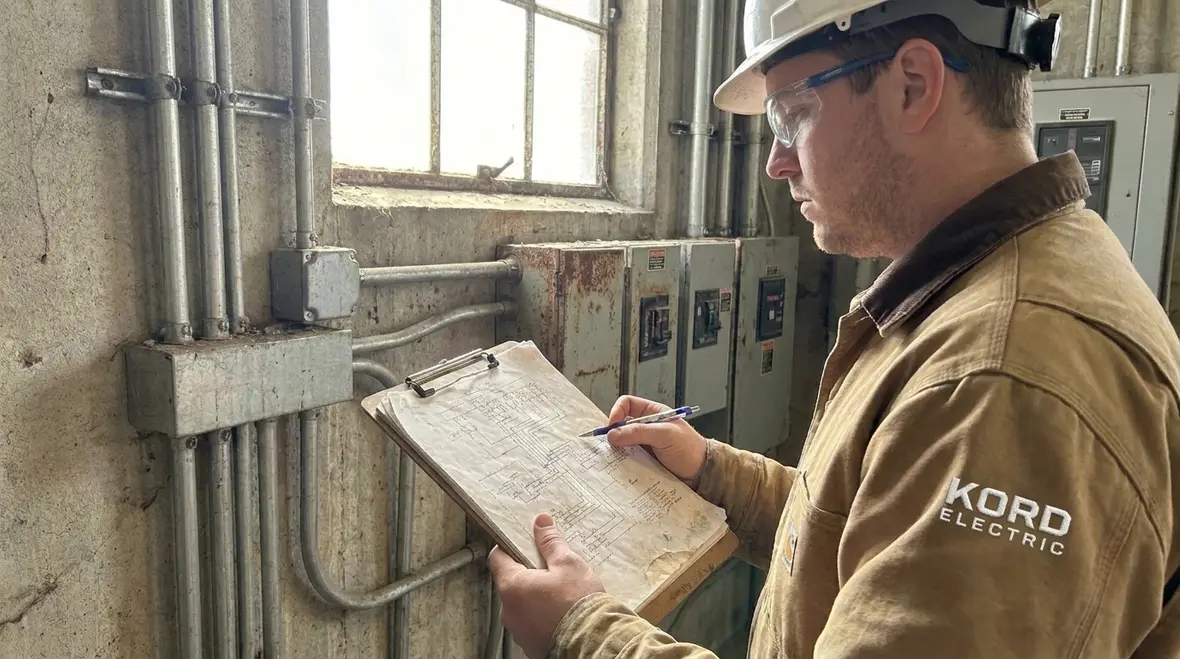
Section 265.11 in NFPA 70 focuses on the idea that some loads need their own electrical path. When separate branch circuits are required, it is not just to “follow code.” Instead, the code aims to reduce risk when a fault, maintenance event, or overload occurs. In other words, one problem should not knock out an entire critical operation.
At this point, our expert service staff often explains it in a steady, simple way: separate circuits act like separate lanes on a highway. If one lane has a wreck, traffic does not instantly stop in every lane. Likewise, if one circuit fails, other circuits can keep serving the building.
Moreover, separate circuits help with troubleshooting. When electricians can isolate the correct circuit quickly, they restore service faster. That matters a lot in manufacturing, warehouses, hospitals, office towers, and major property buildings where downtime costs real money.
What triggers separate circuits in typical commercial and industrial layouts
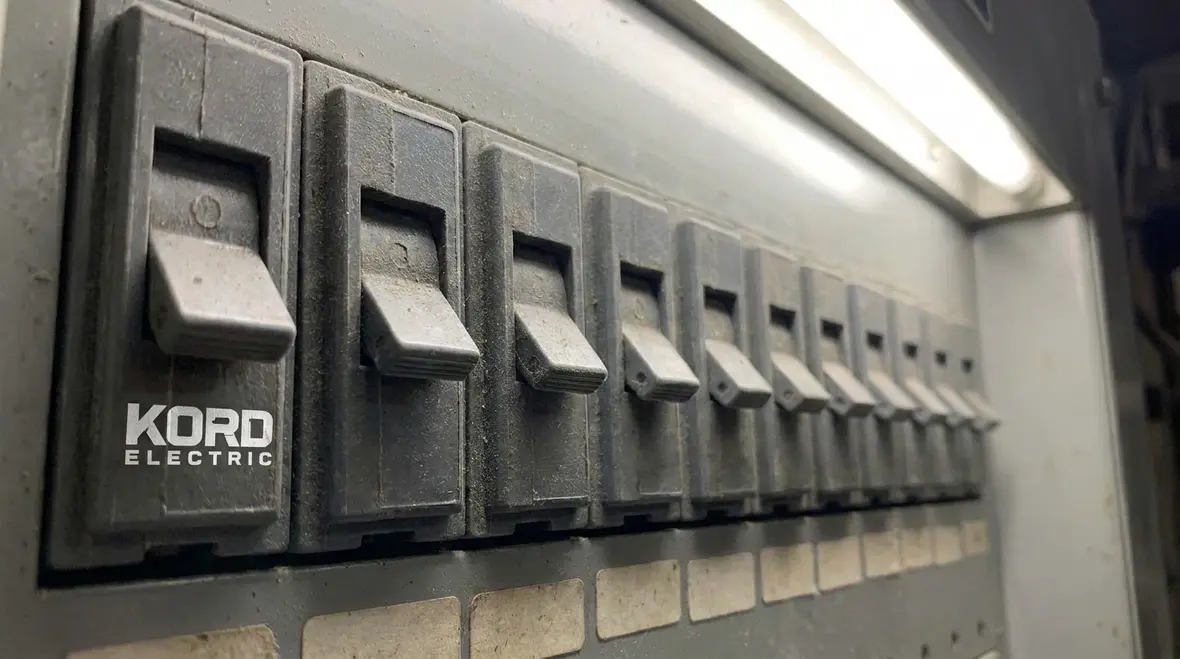
Even though every building differs, we commonly see triggers that push designers and contractors toward separate circuits. First, we look at how the facility uses power. Then we compare that usage to what the code expects for separation and control.
For example, facility power can split into critical process loads, lighting systems, equipment circuits, and areas where special operation or maintenance practices apply. As a result, some loads must stay independent so that control stays predictable.
In practice, our technicians also consider how the circuits get routed and labeled. If the electrical layout hides the function of a circuit, operators and service teams can lose time under pressure. Therefore, we often plan separation with clear identification so the next person who touches the system understands it quickly.
And because reality loves humor, the “next person” is sometimes a maintenance tech at 2 a.m. during a critical shift. We would rather that tech not play electrical detective.
How we design NEC required branch circuits for safety and serviceability
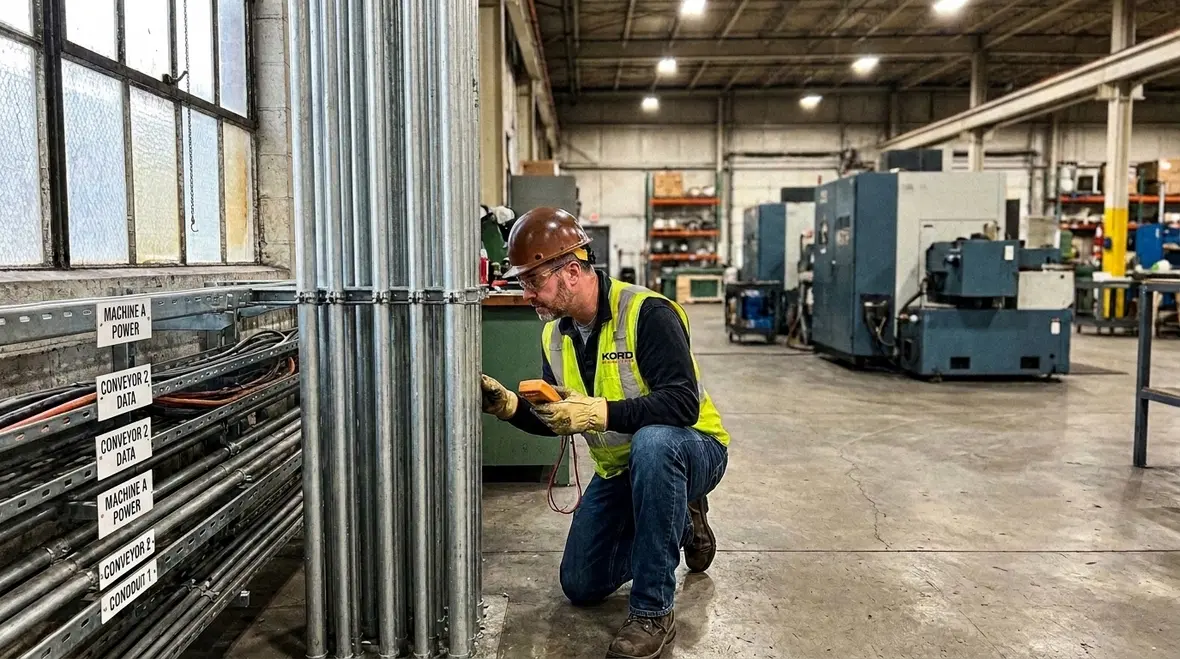
To meet NFPA 70 expectations, our team does not treat this like a checklist exercise. Instead, we treat it as a system design problem. We start with the electrical one line, then we check feeder and distribution methods, and finally we verify how branch circuits serve equipment.
Next, we align the design to the facility’s workflow. For commercial and industrial buildings, we consider how teams operate, how equipment cycles run, and how maintenance is scheduled. After that, we design the separation so operators can isolate the right circuit without guessing.
Then we document the decision path. That way, when the authority having jurisdiction asks why certain circuits separate, we can show the reasoning clearly. Additionally, documentation helps future upgrades. It prevents old design shortcuts from turning into expensive surprises.
We also pay close attention to load grouping practices. When loads share a circuit but should not, you may see nuisance trips, slower recovery, or worse, loss of power to systems that should remain stable. So, our technicians verify the separation approach before we energize anything.
Installation practices that support the code intent
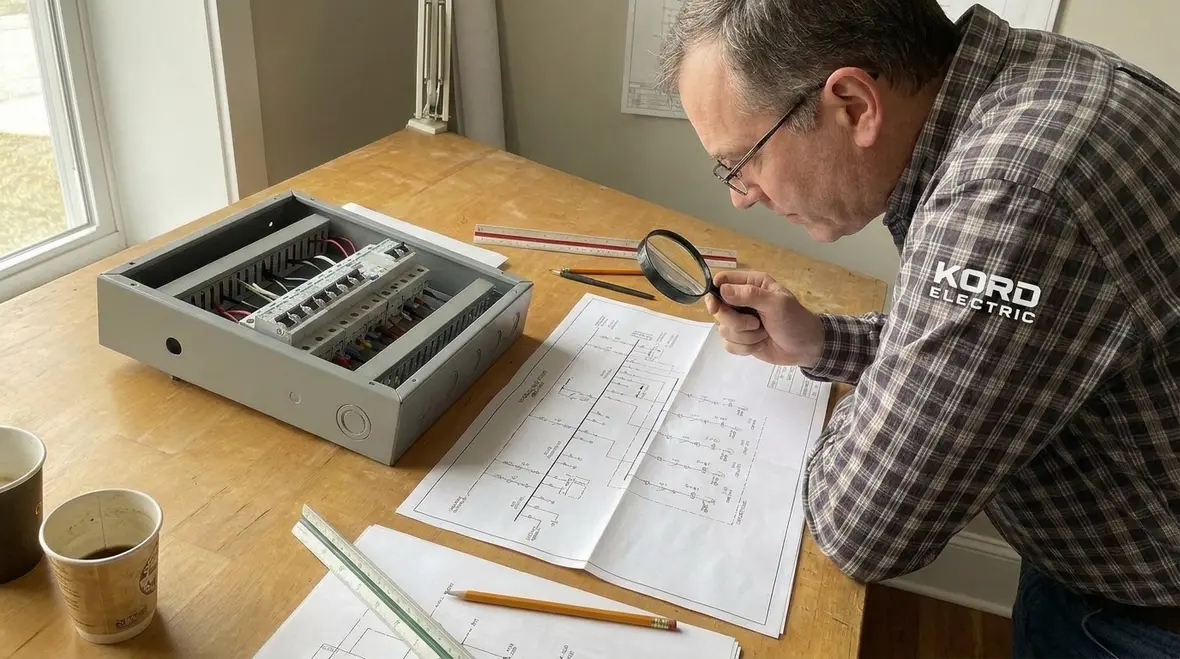
Design sets the direction, and installation carries it to the finish line. Because of that, our expert service staff focuses on workmanship details that keep the electrical system safe and consistent with the intent of NFPA 70. We make sure conductors, overcurrent devices, routing, and terminations match the plan.
For separate circuits, good installation also improves service speed. When we label circuits correctly, test them properly, and confirm connections, we help the facility maintain uptime. Furthermore, thorough testing catches issues that planning alone cannot fix.
We often see failures that come from rushed labeling, unclear circuit mapping, or wiring that does not match the one line. So, we avoid those problems. We verify circuit identity at multiple steps, and we confirm that the field matches the drawings.
And if you are thinking, “That sounds like a lot,” you are right. But it is also the reason our commercial and industrial clients can sleep at night while equipment runs like it should. In that sense, our process is less like magic and more like well organized adult supervision.
Common mistakes we help facilities avoid
In the field, we see recurring patterns. First, some teams group loads to save time during rough in. Then they discover later that the grouping does not match NFPA 70 Section 265.11 expectations. After that, they face rework, delays, and extra labor costs.
Another common mistake involves partial separation. Sometimes the design separates major loads, but it leaves certain related circuits combined. Even when the building seems to function, partial compliance can create risk during a fault or maintenance event.
Also, facilities sometimes confuse general practices with NEC required branch circuits. We explain to owners and operators that “standard procedure” still must match the code requirement for the specific situation. So, we encourage teams to review the project design with trained electricians before installation proceeds.
Finally, some sites fail to update documentation when changes happen. However, changes are normal in real projects. Therefore, we keep documentation aligned with the final wiring, so service staff do not inherit a mystery box.
Related standards and guidance we use in major property builds
Code compliance does not live in one paragraph. While we focus on NFPA 70 Section 265.11, we also coordinate with broader electrical guidance. We reference the NEC framework and how it ties to system layout, load handling, and safety principles. For our approach, we use guidance found in resources like the Kord Electric blog article Understanding NFPA 70: The National Electrical Code Explained for 2026 and NEC focused pages on Kord Fire that keep facility teams aligned with the latest direction.
Additionally, we consider how fire and life safety systems interact with normal power distribution in large buildings. When fire pumps or life safety loads exist, the electrical design must remain stable and predictable. For that reason, we pay attention to the kind of guidance fire professionals share, including resources such as NFPA 70: All About the National Electrical Code (NEC) from Kord Fire, because the power needs of these systems affect how branch circuits should be planned and separated.
In practical terms, we help commercial and industrial facilities plan like they want the building to stay operational during the worst possible day. That is the goal, and it guides every electrical decision we make.
FAQ about separate branch circuits and Section 265.11
Request an expert electrical review from Kord Electric
If your commercial or industrial facility needs a dependable power plan, we can help. Kord Electric reviews designs, checks how NFPA 70 Section 265.11 impacts your load separation, and supports installation practices that keep service fast and safety strong. Our technicians explain the “why” clearly, and our team documents the choices so inspections feel calmer. Reach out to us to schedule a professional review and get your electrical plan built to last.
For facilities across the region, our Los Angeles County electrical services team applies the same NEC driven planning to upgrades, expansions, and troubleshooting work, so your branch circuits, feeders, and service equipment stay aligned with NFPA 70 and local inspection expectations.
If you are building out a broader roadmap for code compliance and want more context on how NEC required branch circuits fit into the full standard, pairing this guidance with resources like our NEC explainers on Kord Electric and the NFPA 70 overview at Kord Fire helps your team connect project level decisions to the larger code framework they live inside.


