

NFPA 70 Section 265.9 for NEC Autotransformer Derived Circuits
At Kord Electric, we often help commercial and industrial facilities that rely on NEC autotransformer derived circuits for efficient power setups. In this article, our expert service staff explains what NFPA 70 Section 265.9 really means for circuits that come from autotransformers. We also walk through the practical electrical code steps we follow in the field, so your team can keep systems safe, reliable, and compliant. And yes, we know “code language” sounds like it should come with a decoder ring. Yet when our technicians break it down, it starts to feel less like paperwork and more like sound engineering.
What Section 265.9 demands for autotransformer derived circuits
NFPA 70 Section 265.9 addresses circuits that are derived from autotransformers, and it focuses on protecting people and property in a way that matches how power actually behaves. When we design or verify these systems, our goal stays the same: ensure the derived circuit matches the safety intent of the code. To do that, we treat the autotransformer as part of the circuit path, not just a piece of equipment bolted to a wall.
First, the code expects you to recognize that an autotransformer does not give you the same isolation as a fully separated transformer. Because the primary and secondary share portions of the same winding path, voltage relationships and available fault conditions change. Therefore, the requirements in Section 265.9 push you to maintain proper protection based on those real circuit conditions.
Next, we look at the derived circuit as its own electrical system that still must follow core safety rules. Even if your facility feels “similar enough” to other power setups, the code does not let you treat it as identical. In practice, our technicians verify the wiring method, the overcurrent device choices, and the way the derived circuit is defined and protected.
Why derived circuits behave differently in real buildings
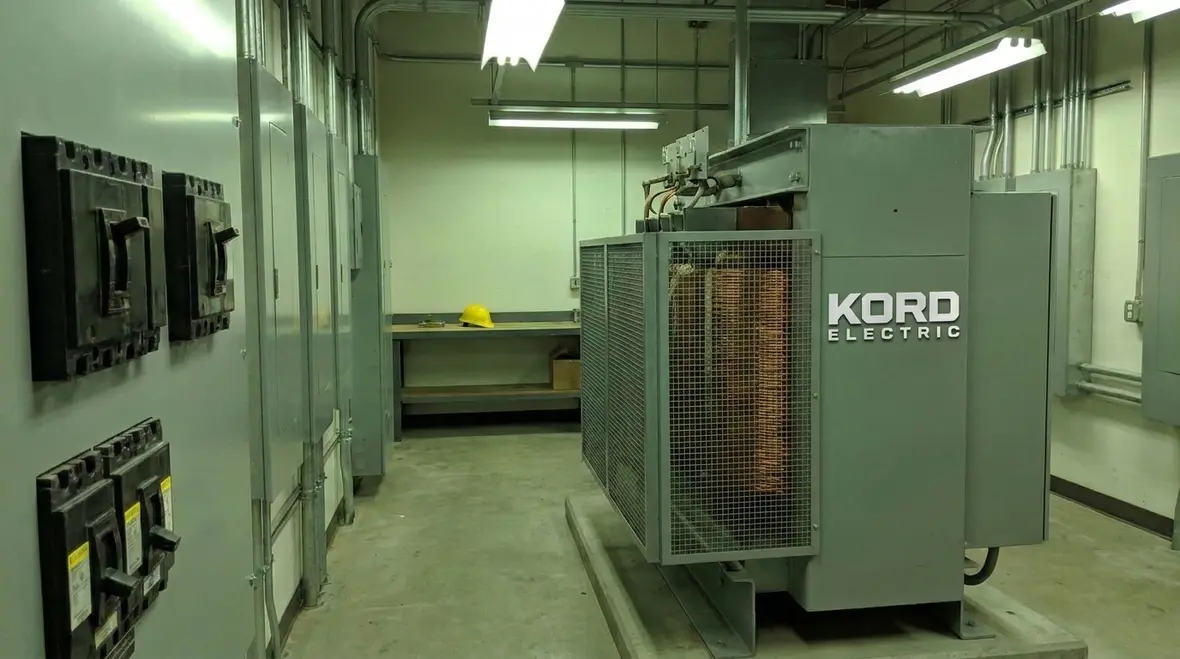
In a commercial or industrial facility, you might see autotransformer arrangements feeding equipment like motor loads, process controls, or lighting related systems, depending on your power strategy. However, the derived circuit can behave differently under normal and abnormal conditions. So, when our team reviews plans or conducts field inspections, we pay attention to the way current and voltage distribute during operation.
For example, if a fault occurs, the available current and the way protective devices respond can differ from circuits built from fully isolated transformers. Moreover, the voltage rating and insulation needs of the derived circuit must match what the code expects for the installed setup. If you guess and hope, the system may function during calm conditions, and then it can surprise you during the part nobody schedules, the part that happens at 2 a.m.
Additionally, facilities often change over time. A tenant move, a new panel, a motor replacement, or a control upgrade can alter how the derived circuit connects to downstream loads. Therefore, we advise property managers and electrical contractors to keep documentation tight. When the derived circuits change, compliance checks should not be a one time event.
How our technicians translate code rules into safe field checks
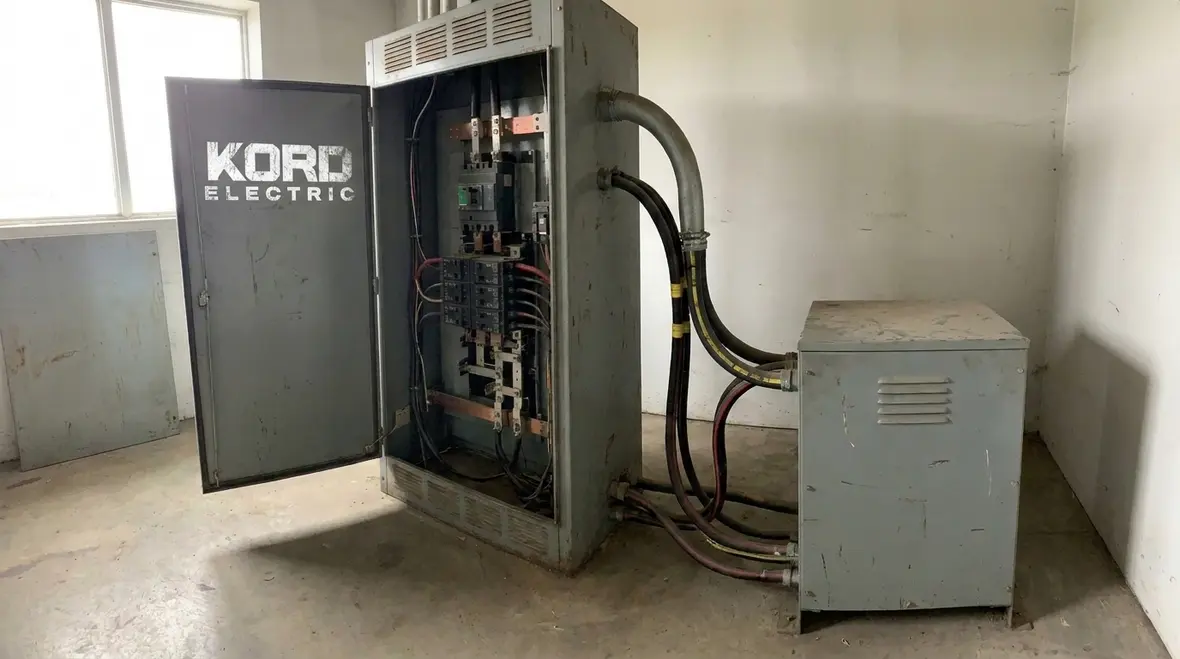
We do not treat NFPA 70 like a museum exhibit. Instead, our expert service staff turns it into field steps that match what exists in your building today. First, we confirm the autotransformer configuration and identify the derived circuit boundaries. Then we verify the overcurrent protection scheme. After that, we check conductors, terminations, and protective device ratings as installed, not as imagined in a drawing.
When we explain NEC autotransformer derived circuits to building teams, we keep it simple. We say: the derived circuit must be protected and used according to the voltage and current realities created by the autotransformer. From there, we guide decisions about device ratings and wiring requirements. If your electrical engineer already specified a design, we review it for code intent. If the system is older, we assess what is likely correct based on how it was built.
To make it even clearer, our technicians often walk clients through a quick “follow the power” exercise. We trace where the autotransformer ties in, where the derived circuit begins, and what devices sit between it and downstream loads. This process helps teams see why the code matters, and it also reduces the chance of future confusion during maintenance.
For facility teams that want a fuller backdrop on why the code is structured the way it is, we often point them to resources like Understanding NFPA 70: The National Electrical Code Explained For 2026 on the Kord Electric blog, which walks through how the broader NEC framework supports practical design and inspection work.
Typical installation details we verify for compliance
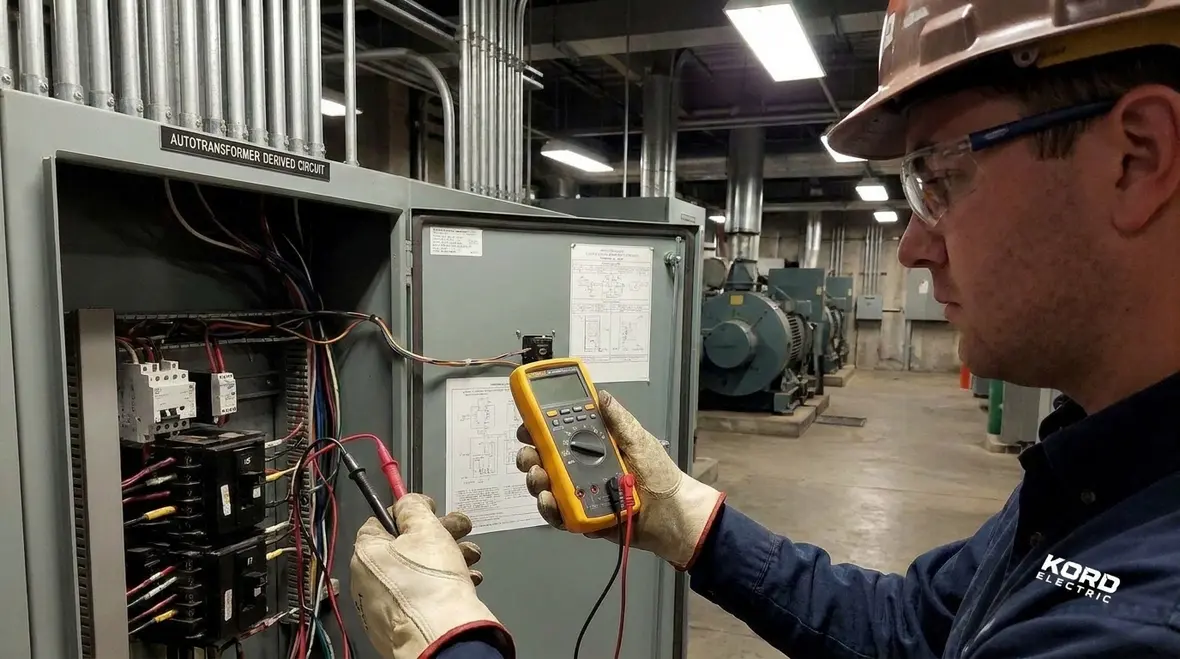
Even when everyone agrees on the big idea, the small details determine whether the system stays safe and compliant. So, we verify key parts tied to Section 265.9, and we also check adjacent NEC expectations that tend to show up during audits for commercial and industrial properties.
Here are the installation points that our teams focus on most often:
- Defined derived circuit boundaries so the “start and end” of the circuit matches the code intent
- Proper overcurrent protection aligned with the derived circuit characteristics and how faults can develop
- Conductor sizing and insulation compatibility with the derived voltage conditions used in your building
- Correct equipment ratings for switches, disconnects, and control gear connected to the derived circuit
- Reliable terminations and installation practices that support long term performance under load
Next, we also look for common real world issues. We see mismatched device ratings, incorrect labels, and protective devices that do not match the circuit function. Sometimes the equipment gets replaced but the labeling does not. Sometimes the drawing does not match the current wiring. In other words, the building keeps a secret, and the secret shows up when someone actually needs answers.
That is why we treat documentation and field verification as part of electrical reliability, not extra work.
Common risks when teams ignore Section 265.9
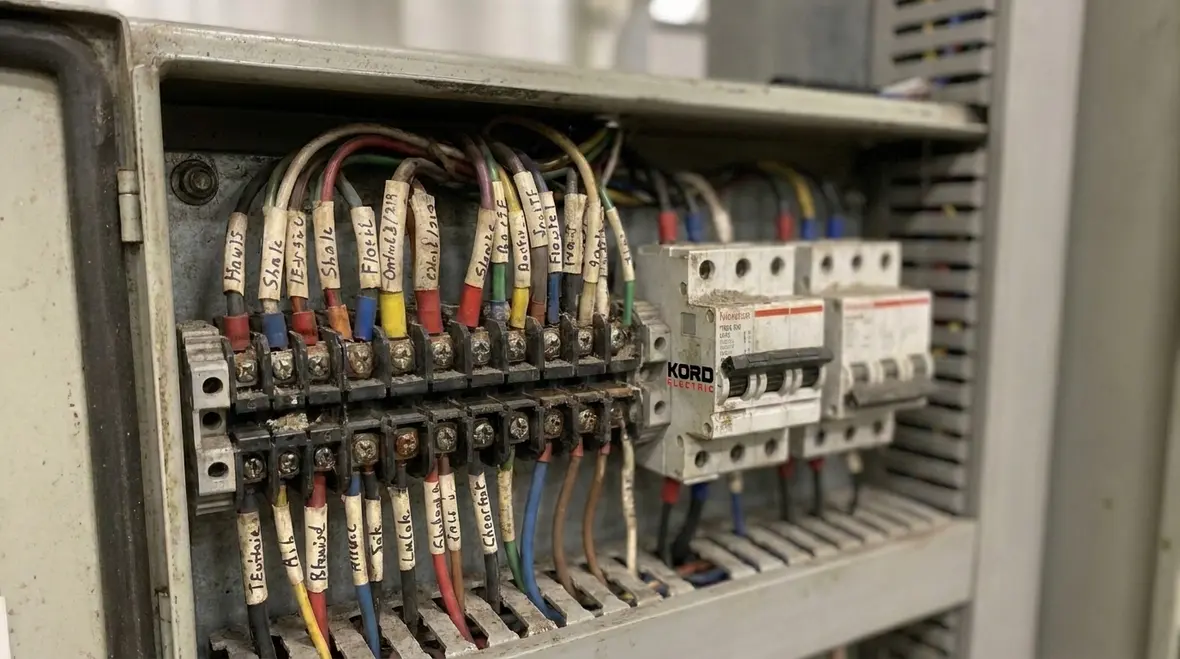
When a facility ignores or misunderstands requirements tied to circuits derived from autotransformers, the risks show up in three ways: protection problems, insulation stress, and operational confusion.
First, protection problems can appear when the circuit protection does not respond correctly to fault or overload conditions. If the protective device selection does not fit the derived circuit behavior, you can end up with excessive trip delay or nuisance trips, either of which can drive unsafe workarounds. And we have seen what happens when people start treating “safety” like a suggestion. It is not a good look, even if it feels efficient in the short term.
Second, insulation stress can grow over time if the insulation level and voltage exposure do not align with the derived circuit reality. This can lead to overheating, breakdown, and early failure. Then, the facility pays the cost twice: once for the failure, and again for the downtime.
Third, operational confusion becomes a maintenance issue. Technicians may not know the derived circuit source and expectations. As a result, they can apply the wrong troubleshooting steps, or they can make changes that do not match the original protection strategy.
Therefore, our approach stays proactive. We help commercial and industrial facility owners reduce surprises by verifying what is installed, what it does, and how it stays protected.
How to support compliance during upgrades and major property changes
Commercial and industrial buildings do not stay still. When a facility upgrades equipment, adds production lines, expands a data hall, or changes critical power paths, the autotransformer setup can become outdated fast. So, we recommend that you treat derived circuits as part of the building electrical baseline and revisit the design when you make changes.
Our team supports compliance in upgrade projects by coordinating with your electrical engineer, reviewing plans, and checking the installed system. If your project includes generator power, switchgear changes, or panel replacements, we factor that into how derived circuits get fed and protected. We also help you keep the documentation aligned with the real wiring, because “close enough” is the enemy of safety.
If your facility sits within a larger life safety and code review program, it also helps to sync the electrical scope with your broader fire and safety strategy. You can see how related code guidance gets approached across sites and regions at resources such as Kord Fire and Kordfire, including their broader discussion of NEC themes at kordfire.com and kordfire.com.au. And when your facility includes water based fire protection systems or pump rooms, you may also cross check how electrical reliability affects pump system uptime through guidance like firepumps.org. The point is simple: electrical safety and operational continuity do not live in separate worlds.
For facilities planning broader electrical improvements that touch autotransformers, branch circuits, and service equipment, Kord Electric also supports projects as part of their regional Los Angeles County electrical services, helping commercial and industrial properties coordinate design, installation, and NEC verification across complex sites.
FAQ for NFPA 70 265.9 and autotransformer derived circuits
Final thoughts from Kord Electric
We know code reading can feel like deciphering a villain’s monologue, but we prefer clarity. Our technicians at Kord Electric help commercial and industrial facilities understand NFPA 70 Section 265.9 and apply it correctly to circuits derived from autotransformers. If you are planning an upgrade, auditing existing power systems, or updating documentation, we can help you verify protection, wiring details, and compliance steps. Contact us today to schedule an expert review and keep your facility protected the way it should be.
When you are ready to line up your next project or compliance review, our team can also connect the details of Section 265.9 to broader NEC topics like service disconnecting means, grounding, and calculated load rules, so your derived circuits fit neatly into the bigger story your electrical infrastructure needs to tell.


