

NFPA 70 Section 265.19 NEC Branch Conductor Minimum Size
At Kord Electric, we take electrical safety seriously, especially in commercial and industrial facilities where systems must perform year after year. That is why we guide teams through NFPA 70 Section 265.19, including the NEC branch conductor minimum size rules that help prevent overheating and failures before they start. In this article, others may read code and feel like they are decoding ancient scrolls. We understand that feeling. So, we explain the intent in plain language, and our expert service staff walks you through what the rule means in the real world, not just on paper.
NFPA 70 Section 265.19 and why it matters in real jobs
NFPA 70 Section 265.19 focuses on branch circuit conductor minimum size. In other words, the code sets a floor. It prevents a design from using conductors that are too small for the load, the conditions, and the voltage drop or heat risks that follow. If you skip these limits, the insulation ages faster, terminations loosen, and breakers trip at the worst moments. Then, of course, everyone blames “the power company,” as if electrons have spite and union rules.
In commercial and industrial settings, we see how this becomes a domino effect. A too small conductor can raise conductor temperature. That can degrade insulation. Later, you face higher maintenance costs, nuisance trips, and potentially unsafe conditions. So, we treat 265.19 as a design guardrail. Furthermore, we use it to help project teams align with inspection expectations and long term reliability goals.
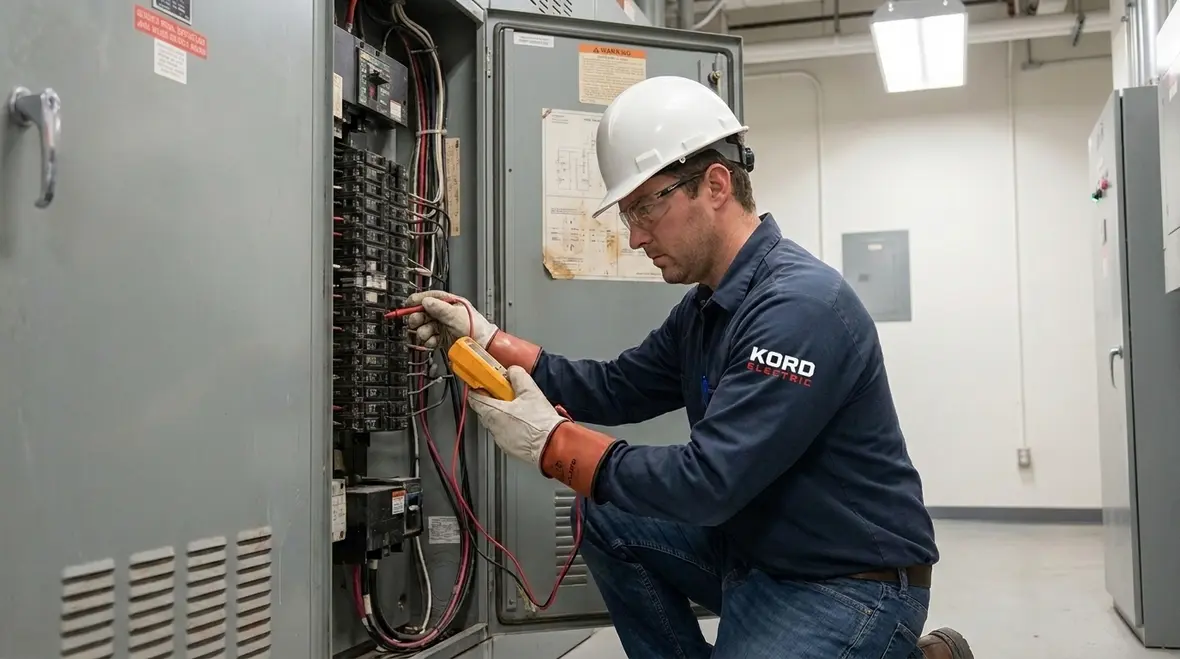
For facility teams who want broader NEC context alongside Section 265.19, our companion guide Understanding NFPA 70: The National Electrical Code Explained for 2026 connects high level NEC structure to everyday decisions about conductors, protection, and inspection expectations in commercial and industrial projects.
What “minimum size” actually protects against
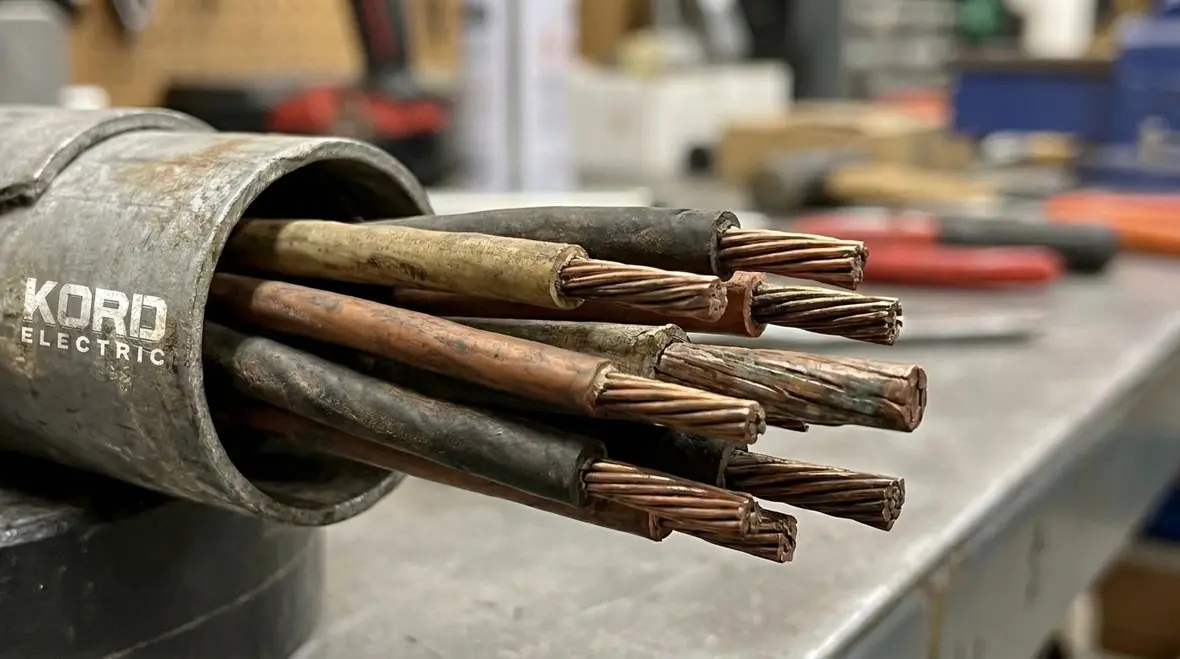
Most people think “minimum size” just means meeting a number. However, the real purpose is protection. Conductor size relates to heat rise, mechanical strength, and safe long term current carrying ability. When we size conductors properly, we reduce the chance that heat builds up at the conductor, inside raceways, or at terminations.
Also, minimum conductor rules support safe operation under typical job conditions. Branch circuits rarely run in a perfectly controlled lab environment. They run near other cables, in trays, in crowded conduits, and in facilities where ambient temperature changes through the year. So, we look at the whole setup, not just the starting wire size.
Our technicians often say, “If the code sets a minimum, the minimum is there for a reason.” And honestly, that line is not just wisdom. It is practical engineering. It keeps facilities stable when systems face real loads, not imaginary ones.
How NEC branch conductor minimum size interacts with load rules
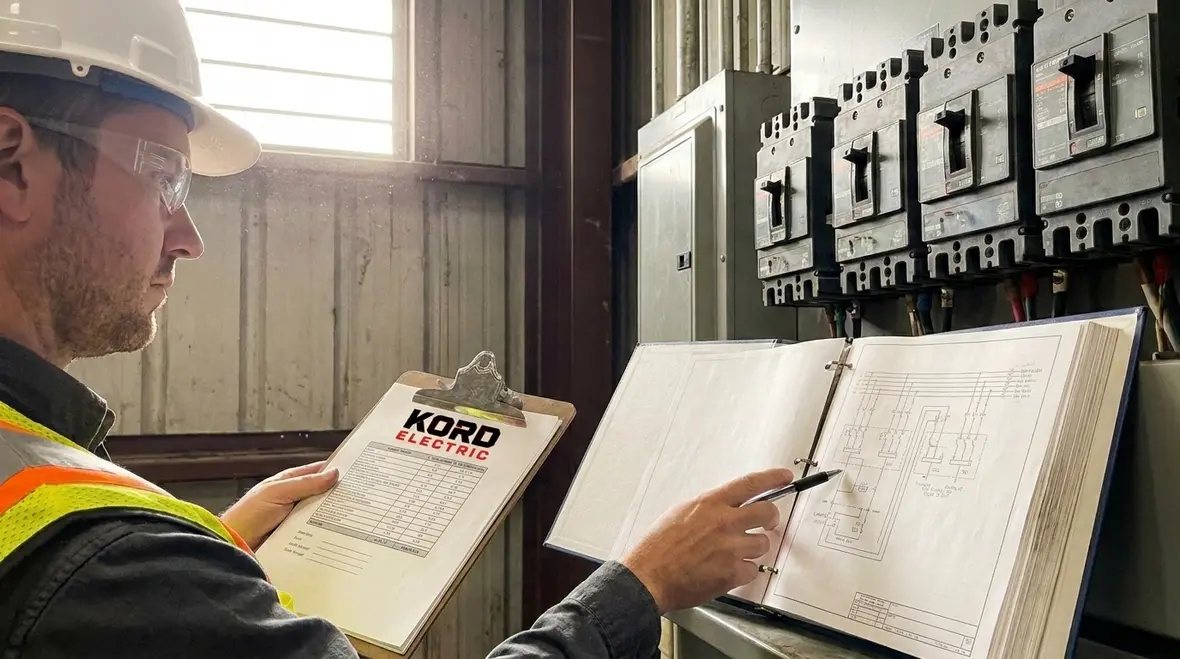
When we plan a commercial or industrial installation, we first identify branch circuit loads. Then, we determine the conductor size based on current carrying requirements, allowable ampacity, and the code’s adjustment rules where needed. After that, we verify the NEC branch conductor minimum size requirement under the branch circuit conductor provisions.
In practical terms, this means the minimum size rule can become a second checkpoint. Even when ampacity math looks close, the code’s minimum requirement can still control. In other words, you do not get to “win” just because the numbers feel close. The conductor must meet the minimum size rule where it applies.
Moreover, we help teams avoid a common failure mode. Some designs pick conductors based on the load current alone, then later the project scope changes. Maybe a panel gets added, motors get replaced, or a tenant upgrade increases the demand. When that happens, the minimum conductor rule becomes a lifesaver because it sets a baseline that still aligns with safe operation.
Install conditions that can make conductor sizing feel tricky
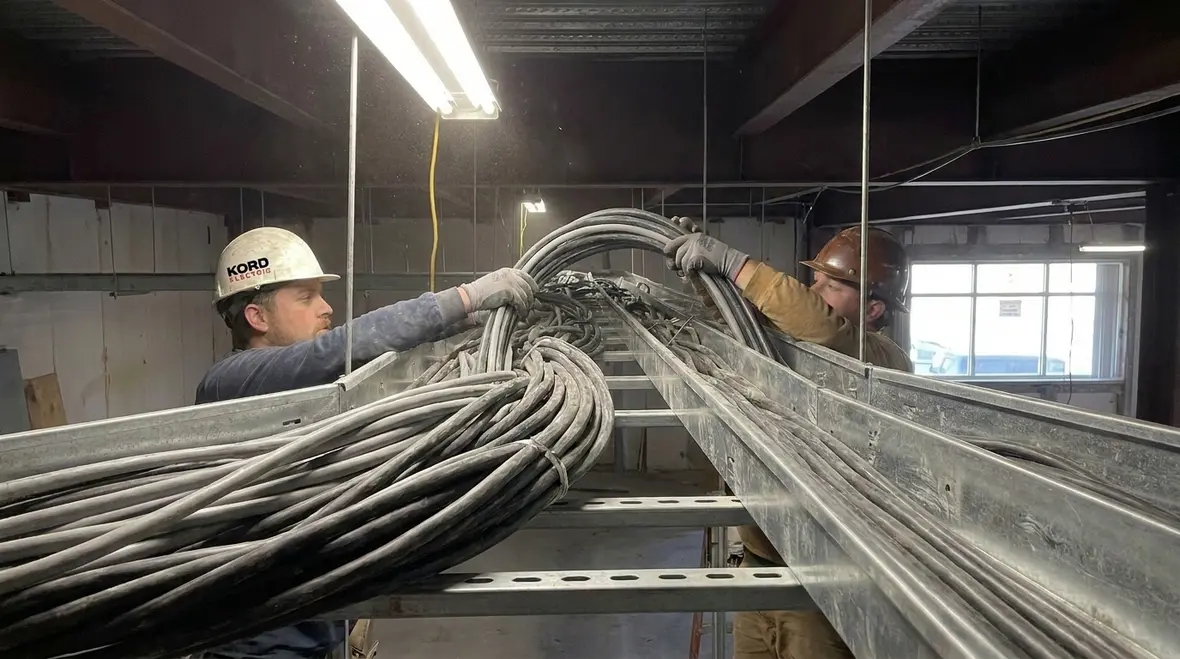
Conductor sizing gets harder when installation conditions change. For example, conductor ampacity can shift with temperature and the way cables share raceways or enclosures. Additionally, mechanical factors matter. Commercial spaces use tighter layouts, and industrial sites pack systems into trays and conduits that look like they were designed during a deadline storm.
When our expert service staff reviews a drawing set, we look at details like these:
- Ambient temperature near the circuit routing
- Conductor bundling in conduits, trays, or raceways
- Overcurrent protection coordination with the conductor and load
- Termination quality to prevent hot spots and loosened connections
Then we connect the dots back to NFPA 70 Section 265.19. The minimum size rule does not replace all other rules, and it does not ignore installation reality. Instead, it sets a minimum baseline inside a larger design system. We do not treat code like trivia. We treat it like the safety net it is.
Our field approach for commercial and industrial facilities
Kord Electric only focuses on commercial and industrial facilities and major property buildings. That focus matters, because conductor requirements often differ from small residential jobs in scope, criticality, and inspection level. We know where failure costs are high, where uptime matters, and where owners expect clean documentation.
So, we apply a consistent field approach. First, our team reviews the project requirements with the electrical design intent in mind. Next, our technicians confirm the installation matches the design. Then we verify that conductors, terminations, and protective devices align with the intended safe operation.
And yes, we explain it. We sit with engineers, contractors, and facility managers and we break it down without the “code speak” fog. If someone tells us, “We will figure it out later,” we usually reply, “Later is when the fire alarms start singing.” It is a joke, but it comes from real experience.
For facilities that want a branch circuit perspective tied to other NEC topics, articles like our NEC Branch Circuit Voltage Limitations in NFPA 70 210.6 guide and our NEC Grounding and Bonding Basics for Safe NFPA 70 overview pair naturally with Section 265.19 decisions. Together, they help facility leaders balance voltage, protection, and conductor integrity across the system.
Common mistakes we prevent during plan review and commissioning
Even strong teams can miss a detail. During plan review, we look for issues that can cause failures or unsafe operation, especially around branch circuit conductor minimum sizing. Here are the mistakes we most often prevent:
- Choosing a conductor size that meets load current but misses the branch circuit minimum size requirement
- Ignoring adjustment factors that affect ampacity and safe current carrying ability
- Overlooking shared raceway and grouping effects in dense commercial and industrial layouts
- Relying on “close enough” assumptions instead of checking minimum size rules
- Skimping on termination quality, which can raise heat at the connection even when the conductor size is correct
We also encourage teams to document the basis of design clearly. When inspectors review the job, clear conductor sizing logic reduces back and forth. Additionally, it helps facility staff maintain the system later.
For facilities that also coordinate fire related systems, we remain mindful of how electrical integrity supports overall safety goals. Resources like the Kord Fire article on NFPA 70: All About The National Electrical Code (NEC) and industry education partners such as FirePumps.org emphasize the broader safety system view, because electrical issues rarely live in isolation. When electrical performance stays stable, the rest of the safety design benefits.
FAQ: NEC branch conductor minimum size and Section 265.19
Conclusion: let Kord Electric protect your branch circuits
If you manage commercial or industrial electrical systems, you do not need guesswork. You need safe, code aligned conductor sizing that holds up under real installation conditions. Our team at Kord Electric supports plan review, field verification, and commissioning so your branch circuit conductor design stays correct from day one. Reach out and we will walk your team through NFPA 70 Section 265.19 in a clear way, then help you build with confidence. Because in this business, “close enough” is how problems learn to grow.
If your facilities operate across the region and you want a team that treats conductor sizing, fault behavior, and uptime as one connected picture, explore how our broader Los Angeles County electrical services for commercial properties support inspections, repairs, troubleshooting, and upgrades while keeping NEC branch conductor minimum size and related requirements front and center.


