
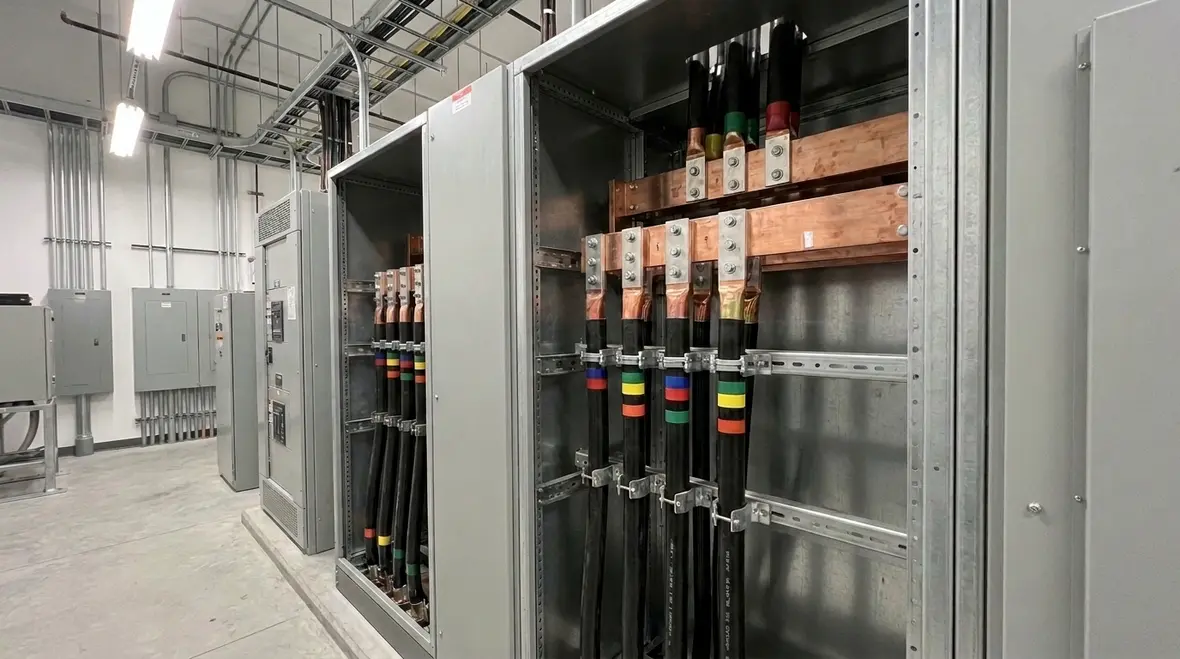
NFPA 70 Section 268.31 NEC Minimum High Voltage Conductor
At Kord Electric, we help commercial and industrial facilities keep power safe, reliable, and code compliant. That starts with understanding rules like NFPA 70 Section 268.31, which sets the NEC minimum high voltage conductor size requirements for certain high voltage service conductors. In plain terms, we make sure the wiring that feeds a building can handle the job without turning into a slow moving electrical lawsuit. And yes, we have technicians who explain these details clearly, because nobody wants to play “guess the code” while equipment is running. As we break down Section 268.31, we show what it means, why it matters, and how our expert service staff supports facilities across the full process.
Why NFPA 70 Section 268.31 matters for high voltage services
When a facility takes high voltage power from a utility source, the service conductors become the backbone of the system. Therefore, the code does not treat conductor size like a suggestion. It treats it like a safety line. NFPA 70 Section 268.31 focuses on the minimum size for high voltage service conductors, and that directly impacts overheating risk, mechanical strength, and long term performance. In addition, correct sizing supports proper coordination with upstream protection, so equipment does not get stressed in ways that shorten its lifespan.
At Kord Electric, we approach this with a practical mindset for major property buildings and industrial plants. We also explain the “why” to facility owners and facility managers, because understanding reduces avoidable change orders later. If you have ever watched a project timeline get derailed by an undersized item, then you know the feeling. It is like ordering the right pizza but bringing it to the wrong door. The order exists, yet the outcome still gets messy.
What the NEC minimum high voltage conductor requirement actually controls
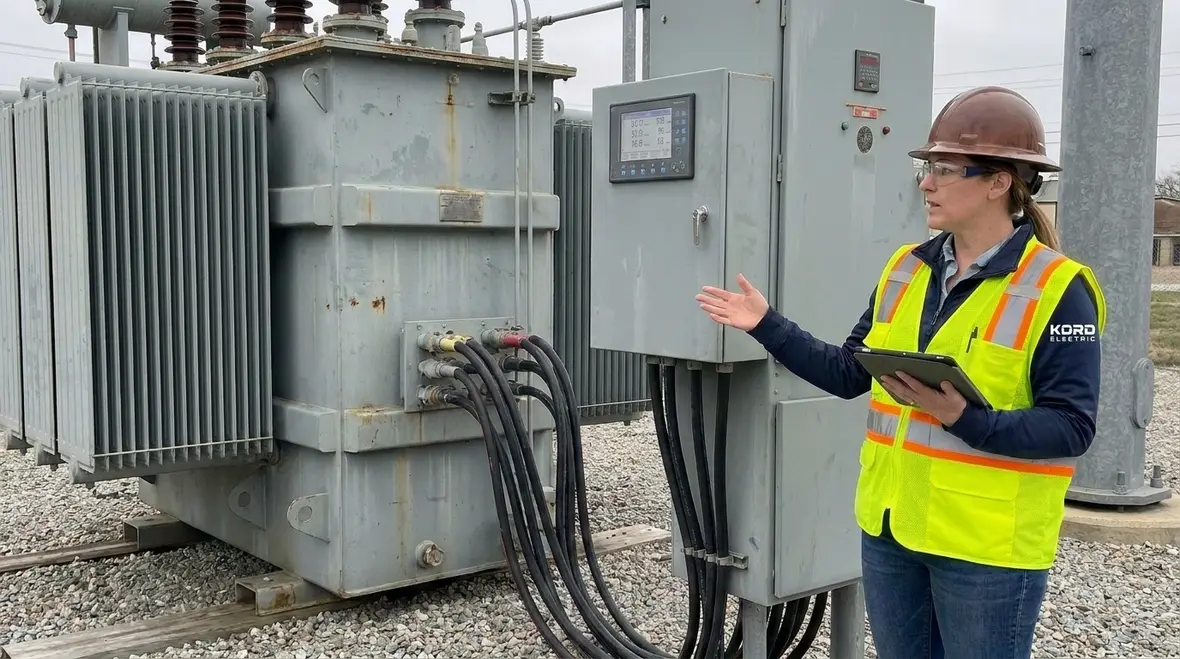
In real projects, the NEC minimum high voltage conductor you select does not live alone. It ties into how the electrical system behaves under load, during fault events, and across installation conditions. Moreover, Section 268.31 sets the baseline minimum size for the high voltage service conductors, which helps ensure safe thermal limits and adequate electrical performance.
Our expert service staff explains this by breaking the requirement into layers. First, they identify the voltage class and service arrangement for the facility. Next, they confirm the conductor type and installation conditions that affect how conductors operate in the field. Then, they check that the conductor sizing meets the NEC minimum high voltage conductor guidance before anyone finalizes a bill of materials.
Also, we remind teams that “minimum” still means minimum. If you design to the bare minimum, you remove margin. In addition, future expansion in commercial and industrial settings often adds load. Therefore, we help clients consider realistic growth rather than only today’s numbers.
How utilities, transformers, and protection decisions connect to conductor sizing
High voltage service conductors sit upstream of critical equipment. So, when those conductors are too small, multiple problems show up together. For example, the system can run hotter during normal operation, which increases insulation aging. Later, in abnormal conditions, inadequate conductor capability can harm coordination and increase damage risk.
Furthermore, conductor size influences how protective devices behave. Breakers and fuses do their job best when the electrical design supports predictable fault current pathways. If the high voltage service conductors do not meet the NEC minimum high voltage conductor expectations, then protection settings and coordination may not perform as intended. As a result, you can end up with nuisance trips, delayed fault clearing, or equipment stress that no one wants to explain to a CFO.
To keep projects smooth, Kord Electric integrates conductor sizing with the overall one line review. Our technicians cross check details with transformer connections, switchgear layout, and protective device requirements. Then, we document our reasoning so that the facility team understands what meets code and why.
When facility teams want more background on how the National Electrical Code works in a broader sense, we often point them to our in-depth guide Understanding NFPA 70: The National Electrical Code Explained for 2026, which connects high level NEC direction to real-world commercial and industrial decisions.
Field installation reality: size on paper versus performance in the building
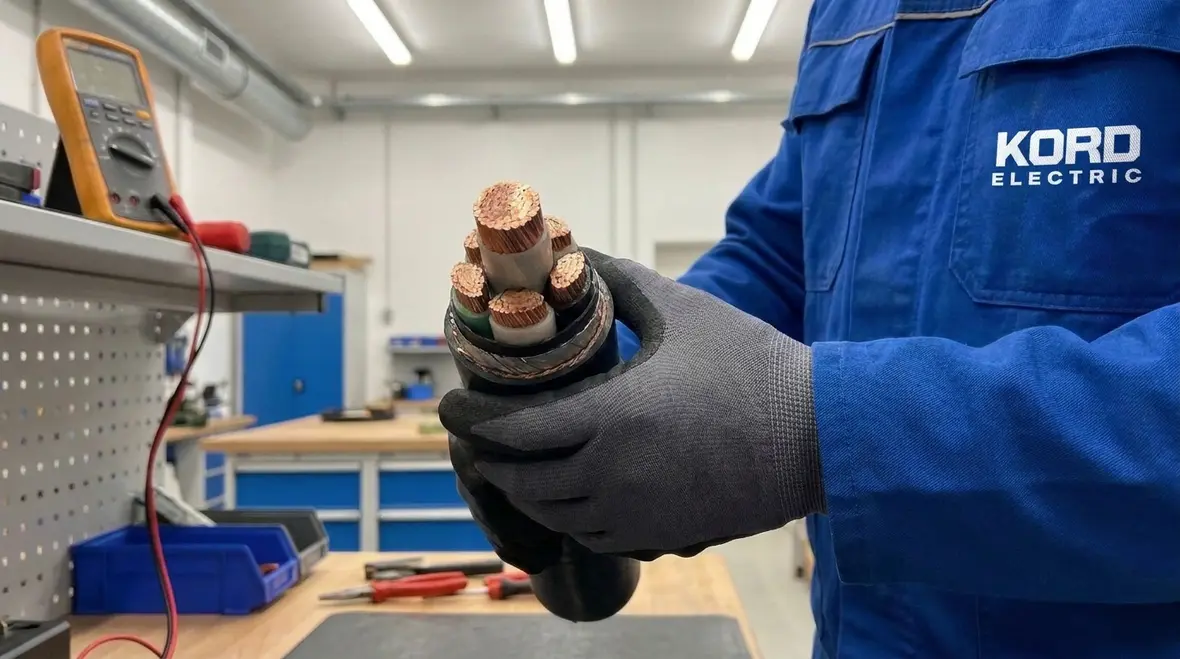
Many clients think conductor sizing is done once the drawings are stamped. However, the field tells a different story. Installation conditions influence conductor temperature and mechanical stress. Therefore, the conductor size requirement in NFPA 70 Section 268.31 must align with real installation methods, routing, and workmanship.
At Kord Electric, we plan for the “last mile” of installation. We verify conduit or duct construction expectations, check separation and grouping concerns, and make sure pull methods support conductor integrity. In addition, our technicians watch for details that inspectors tend to look for, such as proper termination quality, secure support, and clear labeling at service equipment.
Here is the honest part. The code cares about minimums, but good engineering and good installation care about outcomes. So, while we meet the NEC minimum high voltage conductor guidance, we also aim for a system that behaves well year after year in a real facility environment.
Where facility teams get stuck during design and upgrades
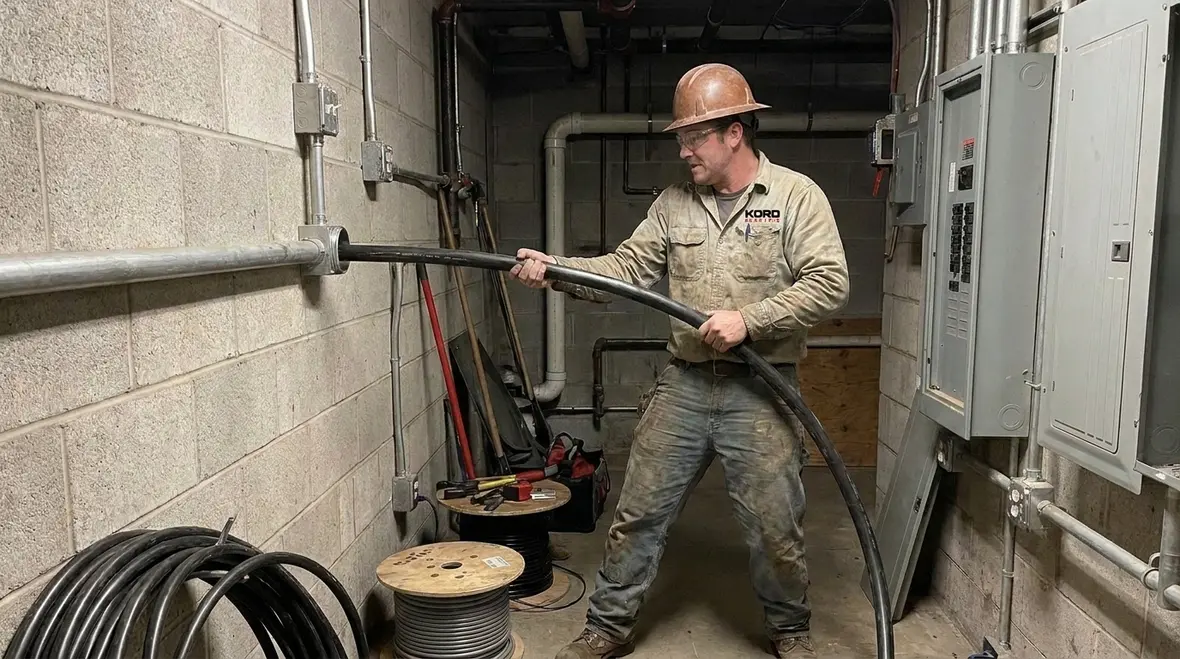
Even strong teams run into common roadblocks. First, some facilities treat this topic as a purely electrical detail. Then, they discover too late that the conductor decision affects service entrance layout, equipment clearance, and coordination timelines. Second, some teams only chase initial compliance and ignore long term operating conditions. And third, project schedules sometimes compress, which leads to rushed selections and unclear documentation.
To prevent that, we explain the pathway from code requirement to final installation. Our technicians and expert service staff walk facility stakeholders through what they must confirm, such as the voltage level, conductor type, and how installation conditions match the code basis. We also help major property owners avoid surprises by coordinating electrical design reviews early, before equipment procurement locks the project into a specific path.
And if you are thinking, “We already have a design,” then we say good, bring it in. We will help others understand what needs correction so your upgrade does not turn into a demolition budget. That is not us being dramatic. That is us being practical.
Code support that keeps commercial and industrial projects moving
Codes like NFPA 70 can feel broad until you map them to your project. To help facility teams, Kord Electric uses structured review practices that connect the requirement for high voltage service conductor minimum sizing to the rest of the design. We also align our approach with the broader guidance people seek when they research the National Electrical Code for commercial applications.
From our experience supporting commercial and industrial facilities and major property buildings, we find that clarity wins. So, our process focuses on consistent documentation, clear communication, and careful checks at design, procurement, and field stages. If you want a calmer project, you hire a team that treats details like they matter. Because they do.
What we verify
- Service voltage level and service conductor design basis
- Conductor minimum sizing aligned with NFPA 70 Section 268.31
- Compatibility with switchgear, transformer connections, and protection
- Installation methods that support safe conductor temperature and strength
- Termination quality, labeling, and inspection readiness
What you gain
- Fewer design gaps before construction starts
- Reduced rework during upgrades and service entrances
- Improved coordination with protection and equipment performance
- Clear documentation for inspectors and facility stakeholders
- A system built to operate reliably for commercial and industrial use
For facilities planning broader upgrades around NEC requirements, resources like Kord Electric’s coverage of modern electrical systems for commercial buildings and their dedicated Los Angeles County electrical services help connect conductor sizing decisions to protection, distribution, and long term infrastructure strategy.
FAQ: NFPA 70 Section 268.31 and conductor minimum sizing
Final word: get sizing right before the first energization
If your facility serves high voltage loads, conductor minimums are not paperwork. They are the foundation of safety and reliability. Kord Electric helps commercial and industrial teams confirm the requirements tied to NFPA 70 Section 268.31 and ensures the conductor choices support protection, temperature limits, and real installation conditions. Our technicians explain the details in a clear, calm way, so decisions stay confident. Contact us to review your service entrance design, upgrades, or replacement planning before the schedule tightens and the risks climb.
For facility leaders planning the next phase of electrical improvements, pairing this conductor-focused review with a broader NEC perspective from resources like Kord Electric’s National Electrical Code guides helps keep projects aligned with current standards from the first line diagram to the last inspection signature.


