
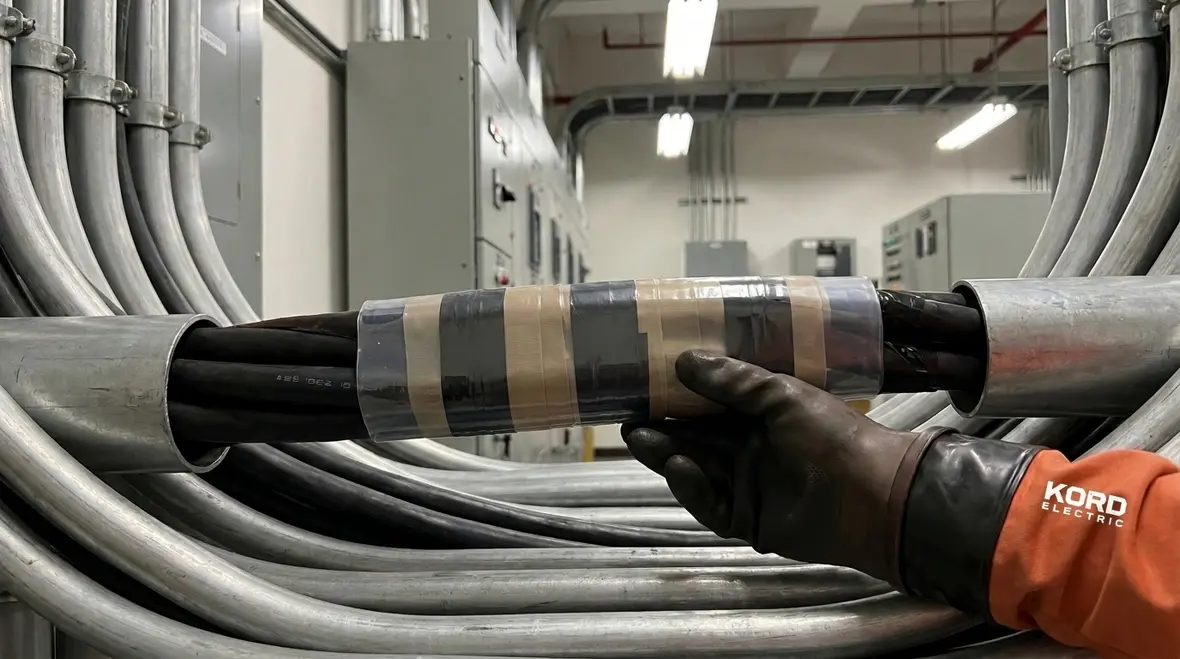
NFPA 70 Section 268.33 High Voltage Spliced Conductors
NFPA 70 Section 268.33 matters for NEC high voltage spliced conductors in commercial work
When commercial and industrial facilities depend on reliable power, the details in NEC high voltage spliced conductors cannot be treated like an afterthought. At Kord Electric, we work with expert service staff and technicians who explain the rules in plain language, then apply them with careful workmanship. In this guide, we break down NFPA 70 Section 268.33, focusing on splices in high voltage service conductors, and how those requirements protect your electrical system from heat, stress, and future failures.
And yes, we know splices sound like something you do to your favorite hoodie. In high voltage systems, though, a splice is more like defusing a very angry remote control. Get it right, and everything stays calm. Get it wrong, and the whole building tells you about it.
What NFPA 70 Section 268.33 requires for splices
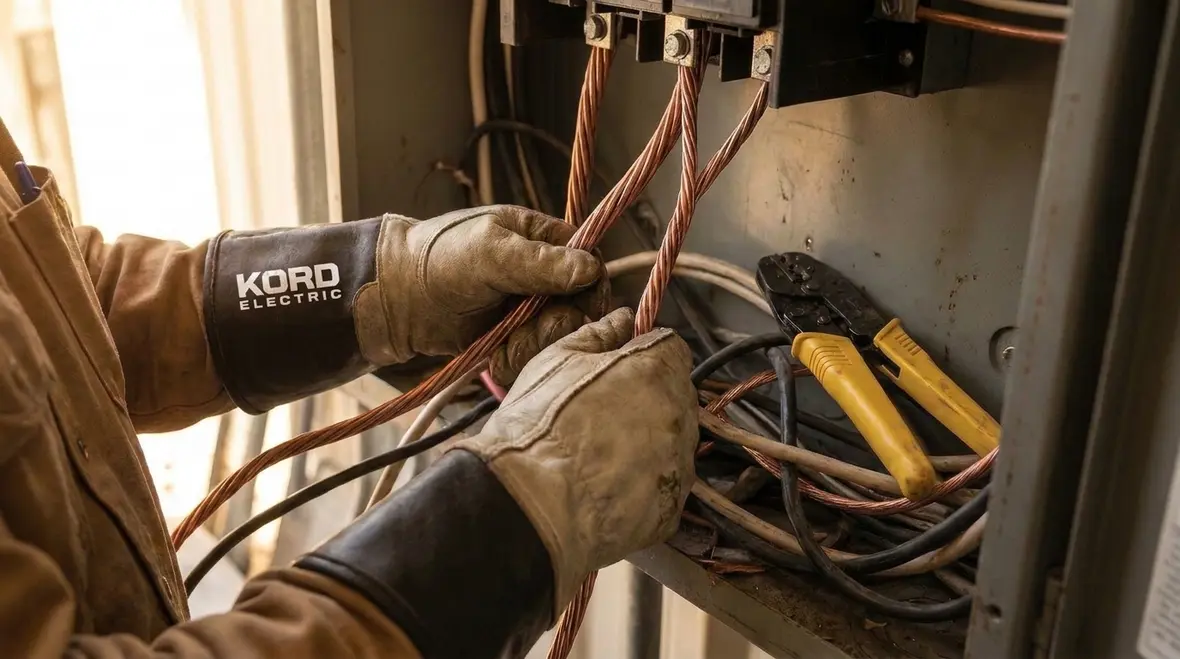
In plain terms, NFPA 70 Section 268.33 sets expectations for how electricians build and connect splices in high voltage service conductors. First, the code focuses on performance under electrical and thermal stress. Then it addresses workmanship and the conditions under which the splice must operate.
Our technicians approach this by thinking like the splice. They ask: will this connection stay mechanically secure, and will it keep electrical characteristics within a safe range over time? Because in commercial and industrial facilities, systems run under load cycles, temperature shifts, and real-world vibration from pumps, fans, and moving equipment. Therefore, the splice must not only start correctly, but also remain correct as the facility changes.
Next, we also consider how the splice ties into the rest of the service system. For example, the splice has to match the conductor material and design, and it must support the same safety and reliability level as the unspliced conductor. In other words, the splice cannot be the weak link that fails first, because it usually will.
NEC high voltage service setup and why the splice environment counts
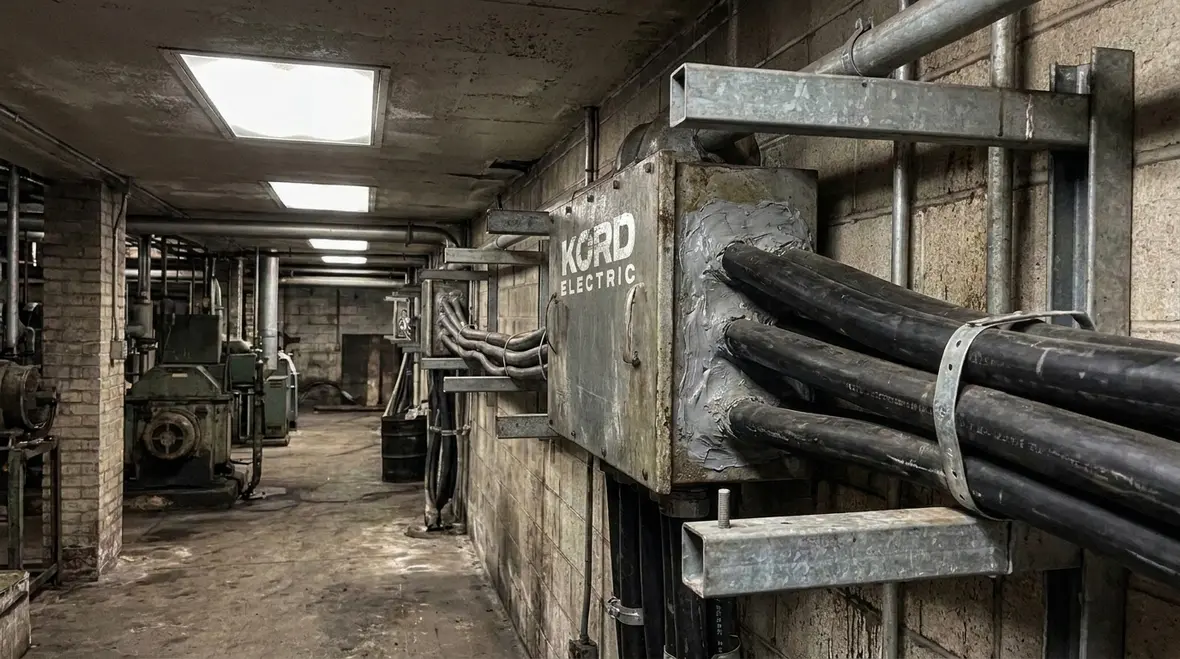
Even when the splice parts are the right type, the installation environment can still create problems. High voltage service conductors face conditions like moisture exposure, heat buildup, and physical stress from conduit movement. So, we treat the splice location as part of the engineering problem, not just a point on a drawing.
In commercial and industrial buildings, we often see splices located near transitions between equipment, raceways, and service entry sections. As a result, the connection area can experience different mechanical strain than the straight run. Therefore, our expert service staff plans the route, the support, and the installation sequence so the splice experiences stable conditions.
We also pay attention to separation from heat sources and to how water can migrate during storms or washdowns in facilities that run close to those realities. After all, water is great for plants, but in high voltage connections it is more like an uninvited guest that keeps showing up unannounced.
Materials, ratings, and workmanship that protect high voltage connections
The code cares about more than the existence of a splice. It cares about how the splice behaves. That includes the materials used, the connection methods, and the final condition after installation.
Our team builds splices using components and methods that match the conductor system and required ratings. Then we verify that the installation process follows the intended design. Because if an installer improvises with a “close enough” part or rushes the steps, the splice might pass initial checks and still fail under load later.
Meanwhile, workmanship includes surface preparation, correct assembly steps, and proper securement. We also manage spacing and alignment so the splice stays within its design tolerances. Additionally, we confirm that the conductor insulation and related layers maintain the required integrity after the splice is completed. Think of it as putting back the armor you removed to repair a battlefield wound, not just gluing the skin and calling it done.
In many cases, our technicians document installation steps and results as part of a quality process. That matters for commercial and industrial facility managers who need traceability, especially when projects involve multiple trades and long equipment lead times.
Testing, inspection, and what we look for after the splice is installed
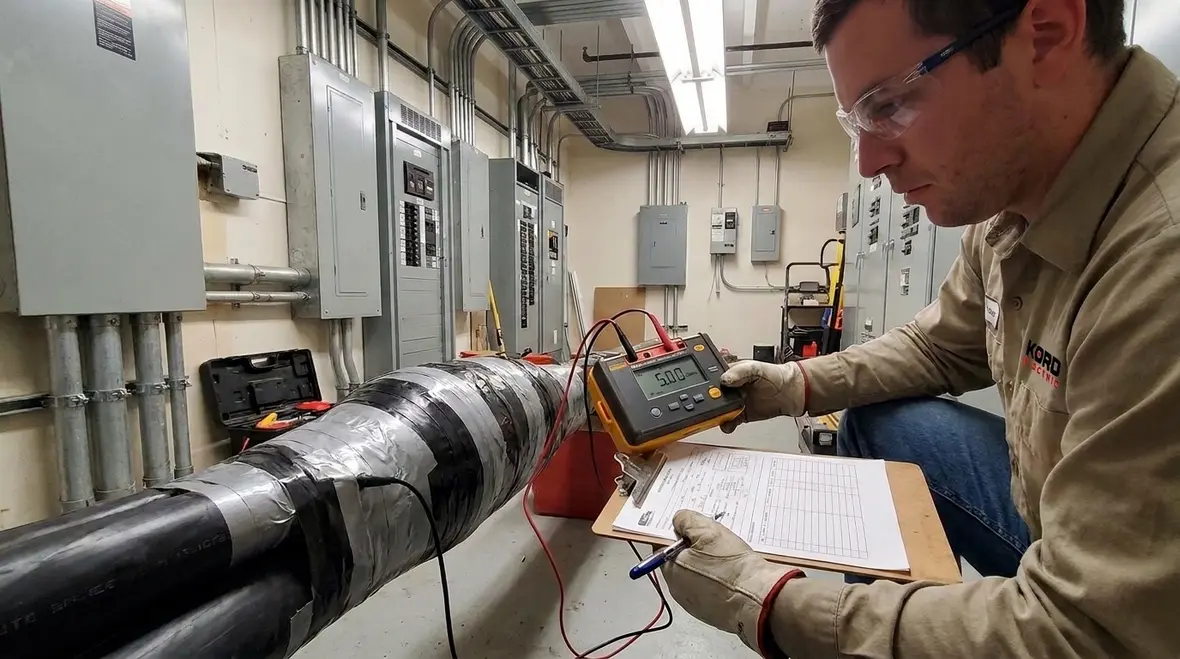
After a splice is made, we do not treat the job as finished. We confirm the connection quality using an approach aligned with safe operating expectations. While specific testing methods can vary by system design, our teams focus on verifying electrical integrity and mechanical stability.
First, we inspect the completed work for correct assembly, secure terminations, and proper insulation treatment. Then we verify that the splice area matches the installation plan and code intent. Next, we consider operational safety and how the splice will perform once the service is energized.
Our expert service staff also reviews the job record so facility owners and operators understand what was done and why it meets the code expectations. That reduces confusion later, especially when maintenance staff need to troubleshoot an issue. And nobody wants to troubleshoot a mystery connection built on guesswork. That is the kind of problem that turns into an expensive “why is the breaker acting weird” story at 2 a.m.
How we apply this on commercial and industrial projects
Kord Electric supports commercial and industrial facilities and major property buildings. Therefore, we coordinate with electrical contractors, facility managers, and project teams to keep high voltage work safe and predictable. We also plan for service interruption limits and operational needs, because downtime affects revenue, operations, and even safety systems.
During planning, our technicians review the service design and the splice requirements so we avoid last-minute surprises. Then we schedule the work around site conditions, including access, staging, and the presence of other trades. Once the splice work starts, we maintain a steady process focused on correct installation steps rather than speed alone.
Where codes and standards intersect with real construction, we bring calm discipline. Our technicians explain the “why” behind each requirement, so teams do not just follow steps. They understand them, and that leads to better outcomes across the full project timeline.
If you want a broader overview of how NFPA 70 shapes electrical design choices before you get into the details of NEC high voltage spliced conductors, our companion resource on Understanding NFPA 70: The National Electrical Code Explained for 2026 walks through the bigger picture that frames these splice rules.
Common splice mistakes we prevent in the field
In the real world, splices fail for predictable reasons. We see patterns, and we aim to stop them early. Here are a few common issues that show up when teams rush or skip key checks.
- Wrong component match: Using parts that do not align with conductor type and ratings can create weak points under heat and electrical stress.
- Poor preparation: Skipped cleaning or improper surface prep can reduce contact quality, which then leads to hot spots.
- Mechanical instability: If the splice area lacks secure support, vibration and movement can stress the connection over time.
- Insulation integrity problems: Incomplete restoration of insulation layers can expose the connection to moisture or stress.
- Rushed final review: Skipping inspection steps turns small errors into expensive repairs later.
Meanwhile, we keep the process straightforward. Our technicians follow the plan, document key steps, and confirm the splice condition before the system returns to service. That is how we help facilities stay reliable, and how we help property teams sleep better at night.
FAQ about NFPA 70 Section 268.33 and high voltage splices
Schedule expert review with Kord Electric
When your project involves high voltage service splices, you need more than a checklist. You need a team that understands NFPA 70 expectations and applies them with careful, documented workmanship. Kord Electric brings expert service staff and skilled technicians to commercial and industrial facilities, so your NEC high voltage spliced conductor work stays safe and dependable.
Our team also connects splice decisions to the broader power strategy in your building. Whether we are coordinating with data center power redundancy, tightening power quality, or improving emergency power planning, we treat each splice as one part of a complete reliability plan, not an isolated task.
If your facility is in Southern California, our Los Angeles County commercial and industrial electrical services team can review your existing high voltage terminations, splices, and service equipment, then recommend upgrades that align with NFPA 70 and your operational priorities.
Contact us to discuss your upcoming installation, replacement, or inspection needs, and let us help you prevent future downtime before it starts. We move at jobsite speed, with code level discipline.


