
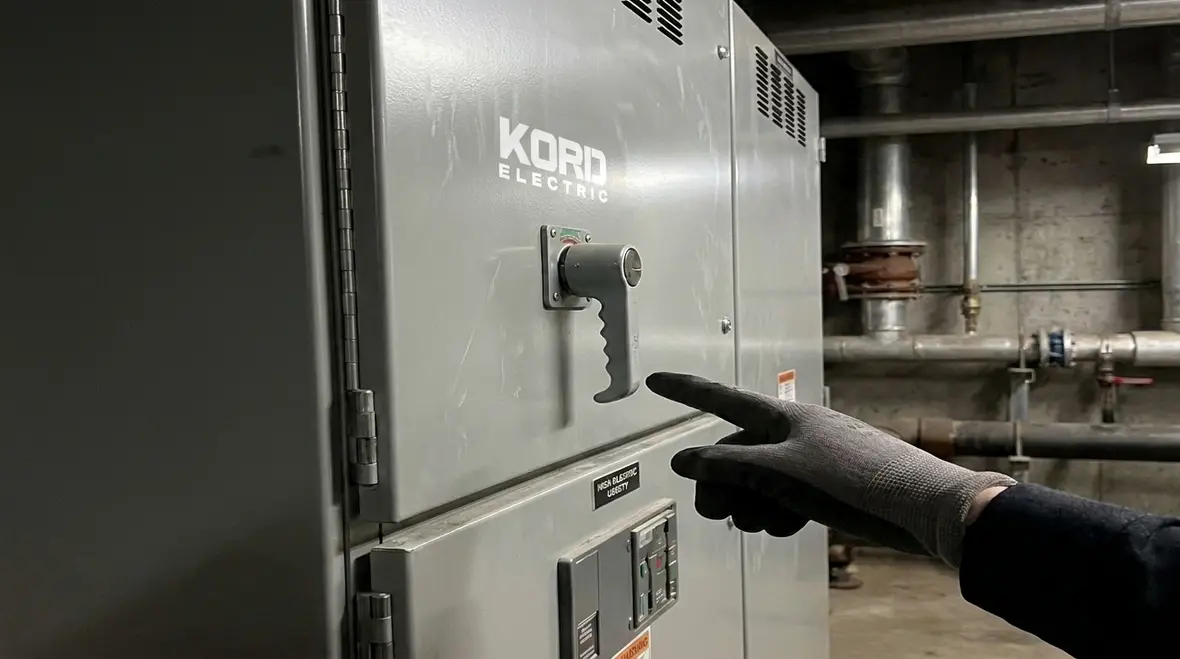
NFPA 70 Section 268.79 and NEC Service Disconnect Rating 2 kV
NFPA 70 Section 268.79 and the NEC service disconnect rating 2 kV: what Kord Electric explains for major facilities
When a commercial or industrial facility needs power isolation, we do not treat it like a casual “flip a switch” moment. Instead, our technicians and expert service staff follow NFPA 70 Section 268.79 so the equipment you rely on stays safe, predictable, and serviceable. In the field, we often see clients ask about the NEC service disconnect rating 2 kV, especially when systems call for high voltage switching and clear separation for maintenance. To be clear, we cover the safety intent behind the rule, then we show how teams should plan, install, and verify the right high voltage service disconnecting means. And yes, we will keep it calm, because nobody enjoys chasing electrical problems like it is a horror movie sequel.
Why NFPA 70 Section 268.79 exists and how it protects workers
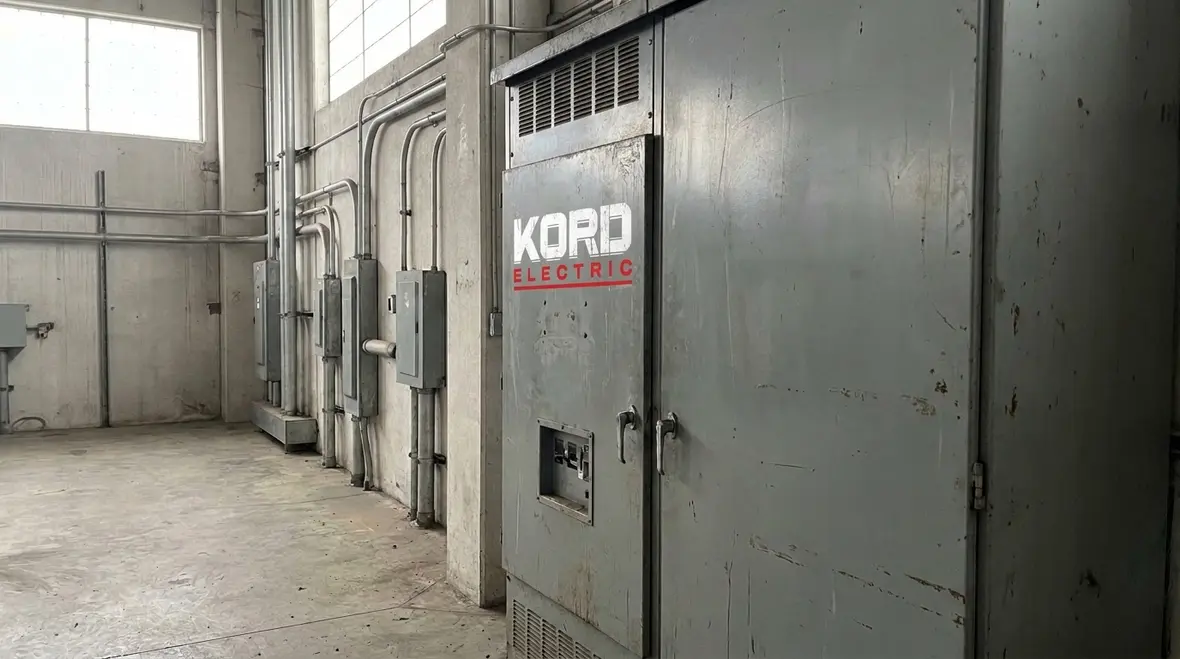
NFPA 70 Section 268.79 focuses on the rating and the use case of high voltage service disconnecting means. In other words, it makes sure the disconnect equipment can handle the electrical reality it will face. Therefore, it supports worker safety during operation, maintenance, and emergency response.
Most people hear “disconnect” and imagine a single mechanical action. However, that is not how electrical safety works. First, the disconnect must interrupt and separate circuits under the conditions the facility expects. Then, it must keep the service system controlled while technicians perform work. If a disconnect is mismatched to the system conditions, you can end up with equipment stress, unexpected switching behavior, or delays while your team hunts for a safer workaround.
Our team at Kord Electric explains this in plain terms during site visits. We show the difference between “it turns off power” and “it maintains safe service separation.” In practice, that distinction matters, especially for major property buildings where uptime and safety share the same seat at the table.
And if you have ever seen a label on a panel that looks older than the building itself, you already understand why careful disconnect planning beats guesswork every time.
What “high voltage service disconnecting means” actually means in a facility
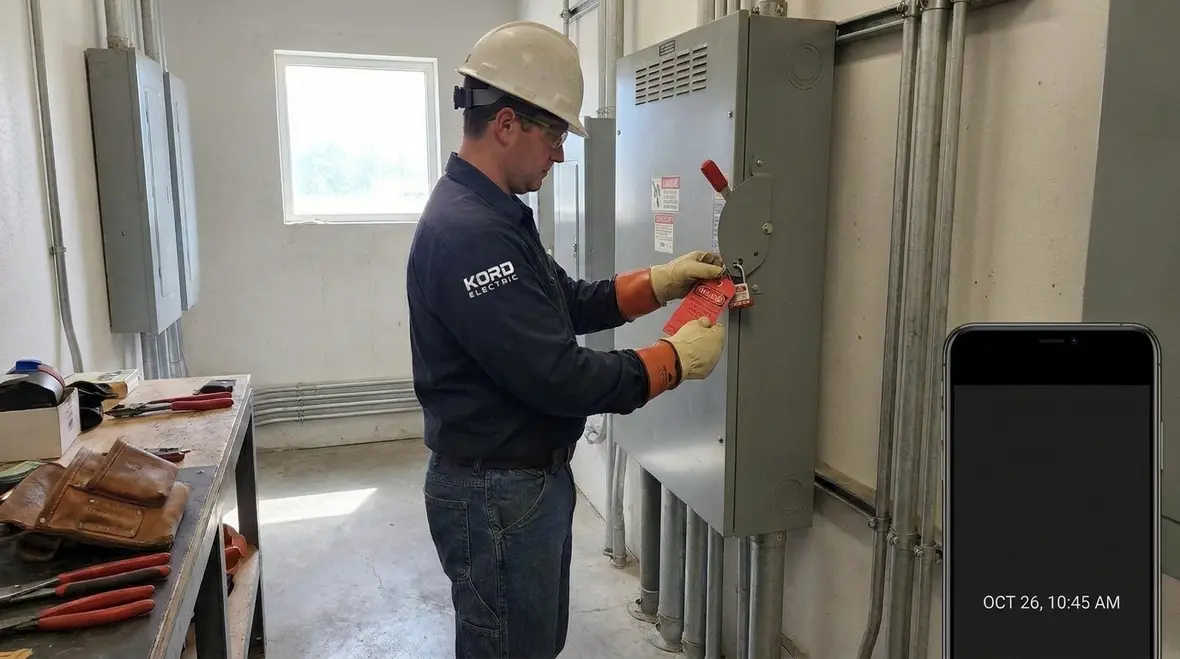
In large commercial and industrial settings, high voltage service disconnecting means typically sit between the utility side and the facility distribution system. Then, they provide a controlled point where qualified personnel can isolate the service for work. Moreover, the equipment gets chosen based on the voltage level, fault conditions, and how the facility operates.
To keep teams aligned, we often walk through three practical ideas with building managers and electrical contractors.
Clear isolation points so the workforce can verify deenergization before touching equipment
Correct ratings so the disconnect withstands the demands of service switching and possible abnormal conditions
Serviceability so maintenance can happen without turning the entire building into a large and expensive waiting room
When clients discuss a NEC service disconnect rating 2 kV, they usually mean systems that require a disconnect rated appropriately for that high voltage service environment. However, the rating alone does not finish the job. The installation method, physical location, and compliance with the rule details also matter. Our expert service staff helps clients connect those dots, and we document what we find so stakeholders can approve upgrades without confusion.
How we apply the rule when planning a 2 kV disconnect strategy
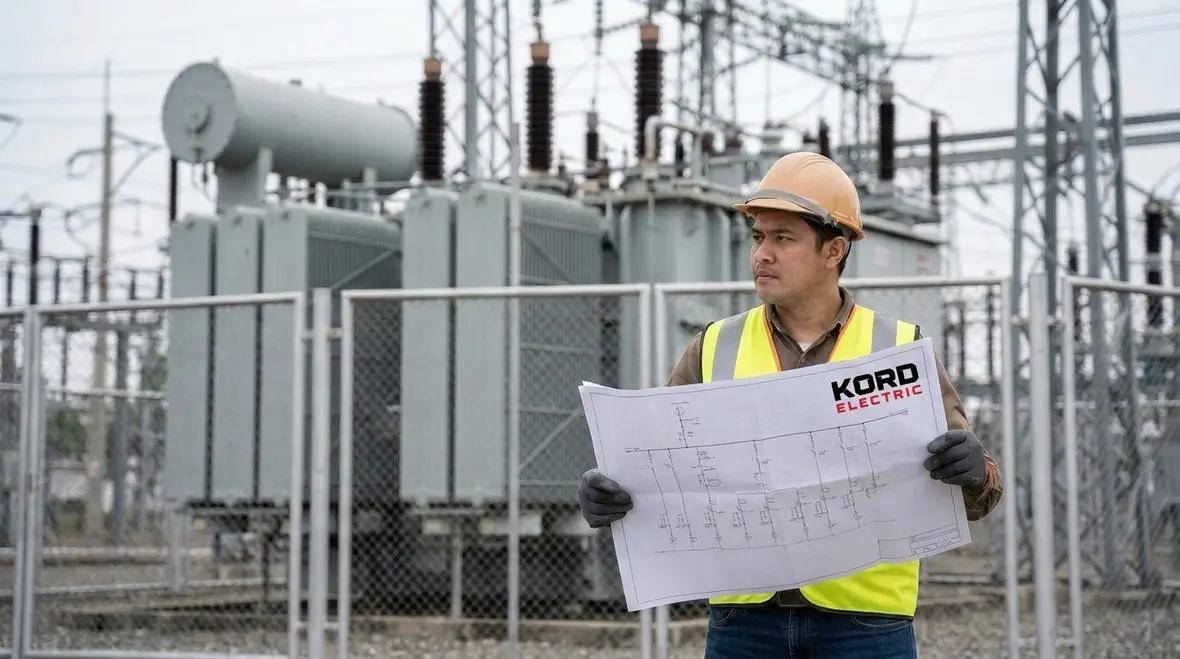
Planning a high voltage disconnect strategy involves more than selecting a device off a spec sheet. We start with the facility electrical one line, the existing service configuration, and the operating patterns of the site. Then we evaluate where isolation must happen, how maintenance crews will access equipment, and what verification steps your staff can perform.
Next, we confirm that the disconnect meets the intent behind NFPA 70 Section 268.79. In other words, it needs to match the service conditions it will face. If a facility expects switching or experiences fault events, the disconnect selection should reflect those risks rather than hope for the best.
From there, we help teams coordinate documentation and labeling. We recommend clear signage for disconnect operation and safe work boundaries. Because when a maintenance tech arrives at 2 a.m., the correct label matters more than the most elegant theory.
At this stage, we also cover coordination with other safety systems, like protective devices and operating procedures. Therefore, the disconnect does not operate in isolation. It works with the facility’s protection scheme, and it supports safe deenergization workflows.
In short, our process keeps your facility compliant and operational. And yes, we occasionally joke that electrical safety is the only “choose your own adventure” book where the correct ending is always the boring one. But boring, in this case, is excellent.
Verification, labeling, and maintenance steps that keep compliance real

After installation, compliance must stay alive. That means verification and routine checks, not a one time celebration and a thumbs up from everyone involved. Our technicians build maintenance steps into the overall electrical management plan for commercial and industrial clients.
We typically focus on these practical items:
Operational testing to confirm the disconnect functions as expected under normal facility procedures
Physical inspection for wear, corrosion, loose hardware, and signs of overheating or stress
Label and procedure review so staff can identify the correct isolation point quickly
Coordination with protective devices to ensure the switching and clearing behavior still matches the design intent
Furthermore, we help clients maintain documentation so when questions arise, the answers do not require guesswork. Also, if something changes in the facility, like load growth or equipment upgrades, we evaluate whether the disconnect strategy still makes sense. That is where many facilities stumble. They keep the old disconnect plan while the electrical system evolves around it.
By contrast, Kord Electric keeps the story straight. Our expert service staff explains what we see, why it matters, and what actions reduce risk. That calm, steady approach helps property teams make decisions without panic.
Common problems we see with high voltage disconnecting means
Even well maintained facilities run into predictable issues. We see them often in major property buildings and industrial operations. Therefore, we want to call them out so your team can spot risk early.
Wrong rating assumptions where the disconnect is treated as “close enough” instead of matched to the service conditions
Unclear identification when labels are missing, faded, or placed where a technician will not find them quickly
Coordination gaps where protective device behavior does not align with the disconnect plan
Neglected inspection when maintenance schedules drift and equipment gets overlooked
Now, if you have ever tried to read an electrical schematic in a dim mechanical room, you understand why clear identification matters. It is not about making life harder. It is about preventing delays and preventing unsafe workarounds.
And to keep expectations grounded, we emphasize that a proper NEC service disconnect rating 2 kV solution is not just buying the right hardware. It is about how the disconnect fits into the facility’s safety, switching, and maintenance plan.
Dual column snapshot: what clients usually ask versus what our technicians confirm
Client question
“Does our disconnect handle the system requirements for a 2 kV service environment?”
“Can maintenance isolate power safely?”
“Do we need to update labels and procedures?”
Technician confirmation
Our team checks ratings and service conditions aligned with NFPA 70 Section 268.79 intent.
We confirm safe isolation workflow for qualified personnel and verify it matches the design.
We review identification, labeling, and documentation so technicians can find and use the disconnect correctly.
FAQ about NFPA 70 Section 268.79 and service disconnect ratings
Related NEC and NFPA 70 resources from Kord Electric
If your team wants a broader view of how NFPA 70 shapes electrical design and inspection, you can explore resources like Understanding NFPA 70: The National Electrical Code Explained for 2026 alongside focused guides on NEC application scope, general requirements, and electrical infrastructure upgrades. Together, they show how high voltage service disconnect decisions fit inside the larger code picture for commercial and industrial facilities.
Conclusion: schedule a safety review with Kord Electric
If your facility uses high voltage service equipment, do not wait for a maintenance day to discover a disconnect plan that does not match the system. Kord Electric brings technicians and expert service staff who explain NFPA 70 Section 268.79 in plain language, confirm whether the NEC service disconnect rating 2 kV approach fits your conditions, and help you maintain safe isolation workflows. Our team also connects this work to broader planning, including Los Angeles County electrical services for commercial and industrial facilities that need code-conscious installation, upgrades, and maintenance.
Contact us for a focused review, and we will chart a clear path forward. Let’s keep your electrical safety as steady as a well designed control room.


