
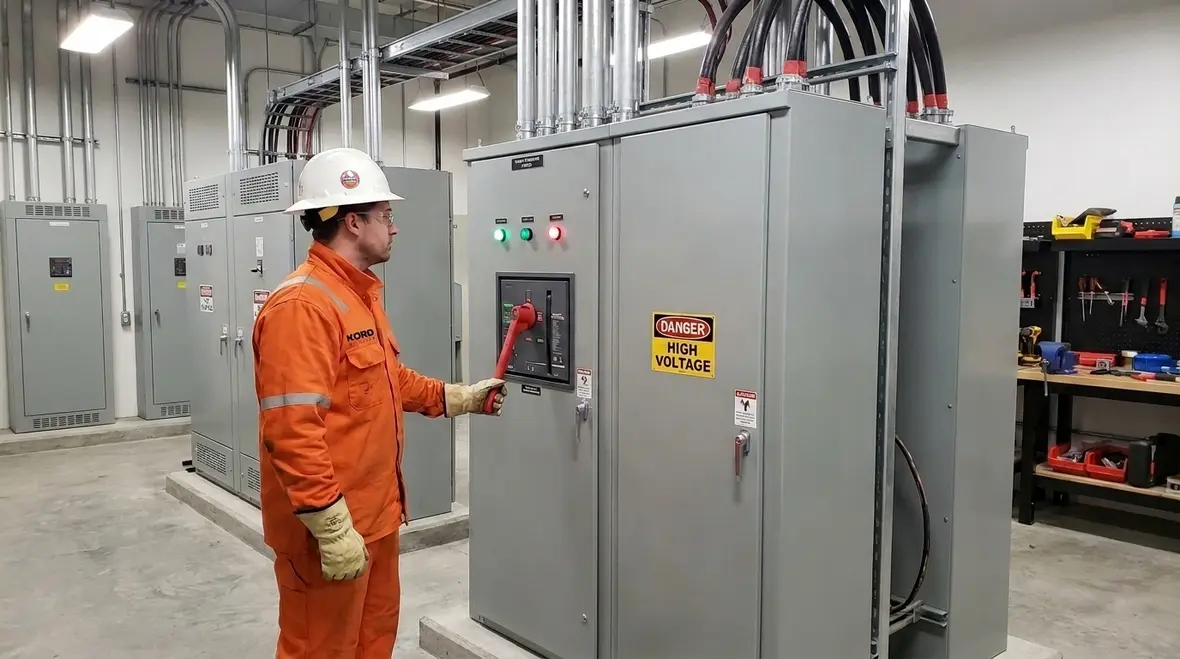
NEC Power Operable Disconnect 2 kV Ready to Open
Kord Electric serves commercial and industrial facilities, and we take code compliance personally. That means we pay close attention to NFPA 70 Section 268.76, especially where it covers manually or power operable high voltage disconnects. In the field, teams often ask about how the NEC treats a NEC power operable disconnect 2 kV and what “ready to open” really means for staff safety and system reliability. So we explain it in plain language, and then we walk through how our technicians verify the equipment before anyone flips a switch and hopes for the best. Because in electrical work, hope is not a safety device. Neither is a magic wrench.
Why Section 268.76 matters for high voltage control
In many major property buildings and industrial sites, the goal looks simple on paper: isolate high voltage equipment when something goes wrong, when maintenance begins, or when an emergency plan kicks in. However, Section 268.76 focuses on how disconnects must behave so that isolation is dependable. In other words, the code does not just care that a disconnect exists. It cares that the disconnect works the way it is supposed to, with the right operation method, right access, and right control logic.
When we talk with facility managers, we often hear that “the switch is there, and it turns off power.” Yet power operable devices add layers. They rely on controls, stored energy, pilot circuits, and interlocks. Therefore, we treat Section 268.76 like a checklist for reality, not like a suggestion in the margins. Our technicians explain the intent first, then we review the design details that make the intent measurable.
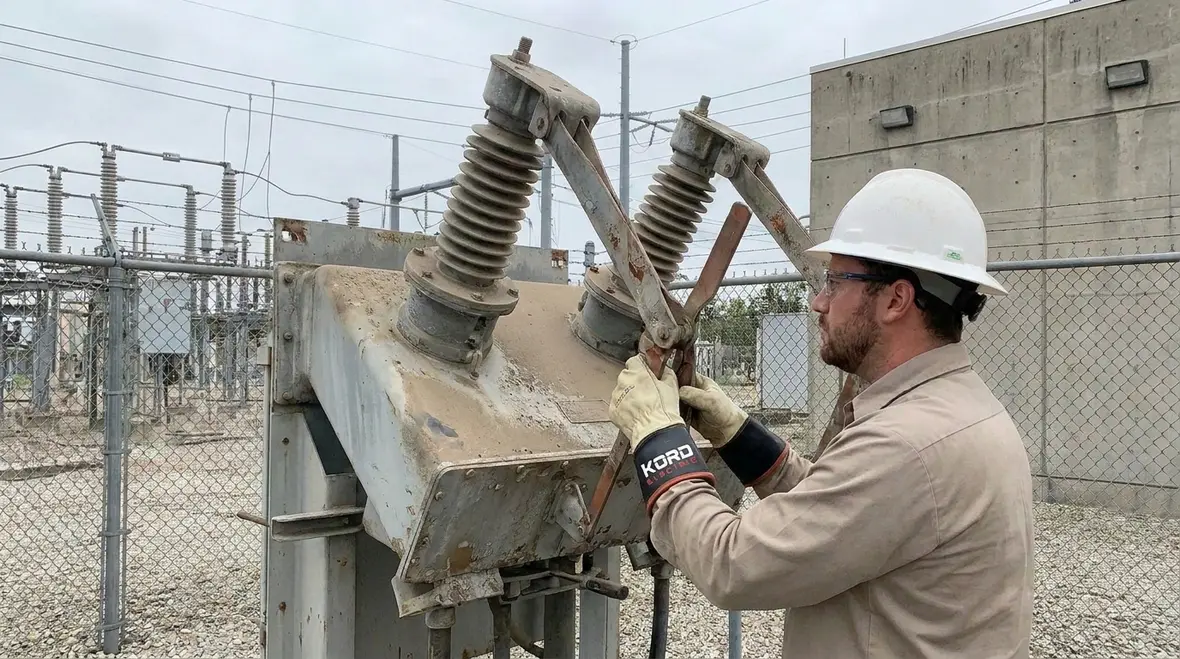
What the NEC expects from manually or power operated disconnects
Section 268.76 addresses manually or power operable high voltage disconnects, which means the code expects specific behaviors based on how the equipment is operated. In practical terms, a manually operated disconnect must allow a person to open the circuit using a straightforward mechanism, while a power operable disconnect must meet additional expectations around dependable operation.
At Kord Electric, we break this down for our clients the same way we break down a complex control cabinet for our own crew. First, we identify what the disconnect must do. Next, we verify how it performs that task under normal and non ideal conditions. Then we confirm that the operation supports safe work practices for your team and your contractors. If you think your system will behave perfectly every time, we get it. Hollywood also believes in happy endings. Electrical systems usually prefer clear procedures.
Also, we emphasize that these disconnects are part of a larger high voltage pathway. If the upstream and downstream components do not match the disconnect strategy, the “disconnect” can become more of a rumor than a safety function. So we align the disconnect with the protective scheme, the control scheme, and the labeling and access plan.
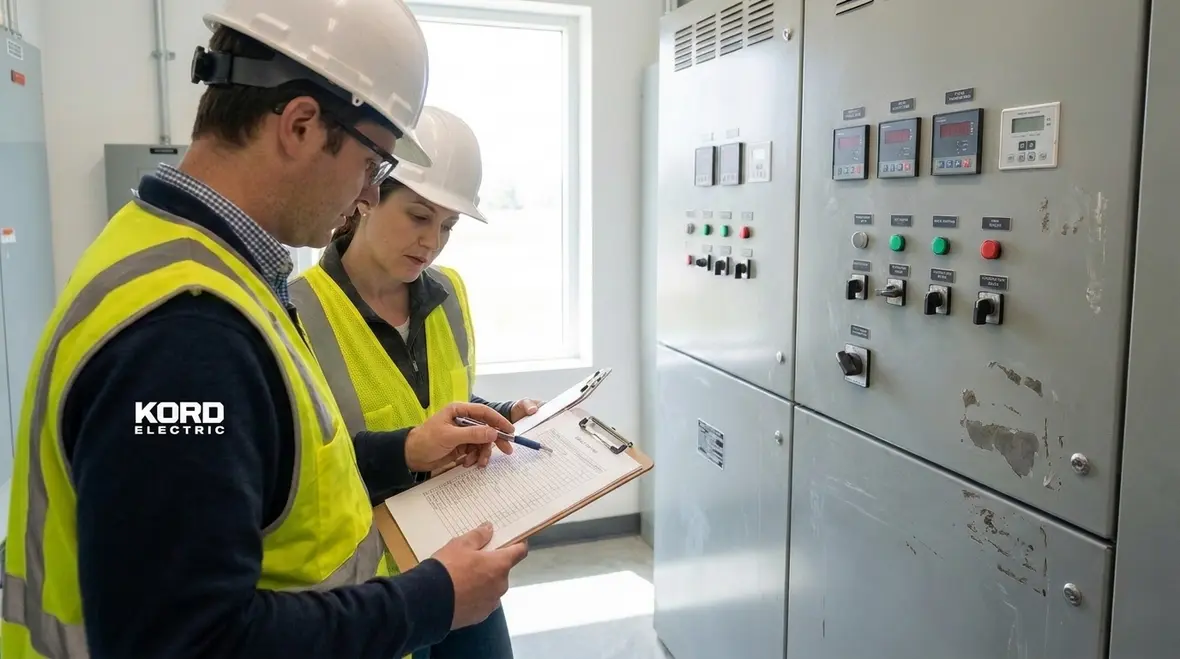
How we verify a NEC power operable disconnect 2 kV in the real world
A NEC power operable disconnect 2 kV is not just a rating on a nameplate. We confirm the system can open and isolate the correct circuits in the correct sequence. That includes checking that controls energize and de energize properly, that the mechanism operates within expected timing, and that operators can confirm open or closed status.
To keep it simple, our service staff uses a stepwise approach. First, we review drawings, one line diagrams, and control schematics for the disconnect and its interlocks. Next, we examine the physical installation. Then we test operation modes and verify that control signals match the intended state. Finally, we confirm that the site’s operating procedures and signage align with what the equipment truly does.
In the same way that a fire pump system owner should rely on real testing, not vibes, high voltage disconnect systems need proof. If the control cabinet looks right but the mechanism does not open cleanly, the facility risks unsafe conditions and delays. So we document findings in a way your maintenance leadership can act on, not just file away.
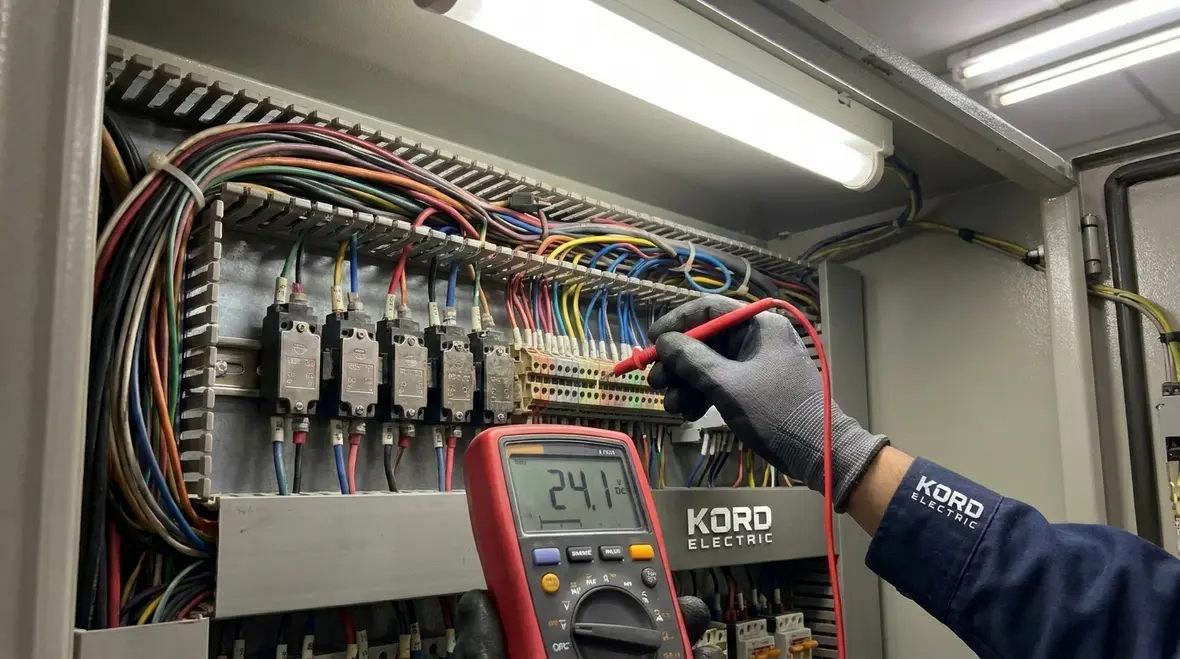
Interlocks, control logic, and safety during switching
Power operable disconnects often connect to interlocks that prevent opening under unsafe conditions or prevent closing into a faulted state. Therefore, you must treat the interlock logic as part of the safety system, not as an afterthought. Our technicians explain how interlocks should behave and how the control logic supports that behavior.
For example, we look for conditions where the system must inhibit an operation. We also verify that the operator receives clear feedback. If the disconnect operates but status indicators fail, workers may assume isolation exists when it does not. That is how “almost safe” becomes “not safe,” and nobody wants that kind of plot twist.
We also consider switching habits. Facilities may have multiple teams: operations, maintenance, and contractors. When those teams approach the disconnect differently, the risk increases. So we help you standardize the process. We focus on how people actually operate equipment, especially in commercial and industrial settings where uptime matters and attention spans tend to be stretched thinner than a Tuesday afternoon in retail.

Access, labeling, and readiness for major property buildings
Major building operations run on schedules, and high voltage work often disrupts them. That is why access and readiness matter. A disconnect can meet electrical requirements and still create a safety hazard if workers cannot reach it safely, understand it quickly, or confirm its state reliably.
Kord Electric supports facilities by checking access pathways, verifying that operating positions remain usable, and confirming that labeling matches the actual equipment. We also help define who can operate the disconnect and under what conditions, so your staff does not invent rules during emergencies. And yes, we do get asked, “Can someone just reach in and pull it?” We answer with calm patience, and then we point to the code intent: disconnects exist so power isolation is controlled and repeatable.
We also coordinate with facility fire and safety teams when needed. In large properties, electrical isolation can affect how emergency response proceeds. That is a practical reality, not a theoretical one. If you want one more reason to care, consider how many building plans get updated every year while electrical field changes quietly happen in the background. We bring structure back to the system.
Common issues we see and how we prevent surprises
In commercial and industrial environments, the disconnect often lives through upgrades, controller replacements, and “temporary” fixes that never die. Over time, small issues pile up. We see a few patterns again and again, and we address them before they cause shutdowns or unsafe conditions.
- Status mismatch where indicators do not reflect actual open or closed state after control events
- Control wiring drift from prior work, where someone changed a control circuit but the documentation did not get updated
- Interlock confusion where operators do not understand what inhibits switching and why
- Access and labeling gaps where workers must guess which disconnect isolates which section
- Timing inconsistencies in power operation caused by mechanical wear or control component aging
Then we prevent surprises with disciplined testing and clear reporting. Our approach stays calm and thorough, even when the facility team wants answers yesterday. We do not just check boxes. We verify that the disconnect, the control system, and the operator experience all line up.
If you want a broader look at how the NEC is explained for modern building needs, we also encourage clients to review our NEC-focused resources on understanding the National Electrical Code for 2026 and related guidance, including our in-depth article Understanding NFPA 70: The National Electrical Code Explained for 2026. We do this because code compliance works best when people understand the “why,” not just the “what.”
Quick compliance overview for planning and procurement
When a facility plans a new high voltage installation or a major upgrade, the disconnect selection and control design should start early. We help teams align requirements with the reality of operations. That means asking about the intended operation method, the control architecture, and the verification process. It also means planning how staff will confirm state during switching.
Procurement matters too. A power operable disconnect can arrive with good documentation, but the field environment changes everything. So we review installation details and test procedures before energization. Then we verify labeling, access, and operational steps during commissioning.
For sites with fire pump systems and life safety equipment, coordination becomes even more important. The building safety plan needs to make sense when electricians, operations staff, and emergency teams interact. We keep that coordination grounded in practical outcomes, not abstract compliance statements.
If your facility is also working through branch circuits, workspace guarding, or other NEC topics tied to high voltage and distribution, resources such as our guides on NFPA 70 Section 210.1 scope for NEC branch circuits and NEC work space guarding rules for safe electrical work can support a more complete planning and safety picture.
When you are ready to move from planning to implementation, aligning your disconnect design and NEC strategy with a service partner who understands both high voltage systems and local inspection expectations becomes critical. Our Los Angeles County electrical services team helps commercial and industrial facilities connect project scope, field conditions, and NEC compliance so upgrades do not stall at the last minute.
FAQ
Our final word and next step
If your facility uses high voltage disconnects, we recommend a focused review of how the disconnect operates, how interlocks behave, and how workers confirm isolation. Kord Electric brings expert technicians and a calm, methodical approach to compliance and service, so you protect staff and reduce downtime. Reach out to us for an assessment of your high voltage disconnect strategy, including documentation checks and functional verification. We will explain what we find, what it means, and what we can fix next.
As you plan your next round of upgrades or code-driven changes, you can also connect this discussion with our broader NEC resources, from data center power planning and surge protection to branch circuit scope and workspace guarding. Treating your NEC power operable disconnect 2 kV as part of a coordinated electrical and life safety strategy, not a stand-alone device, is how you keep systems ready to open when it matters most.


