
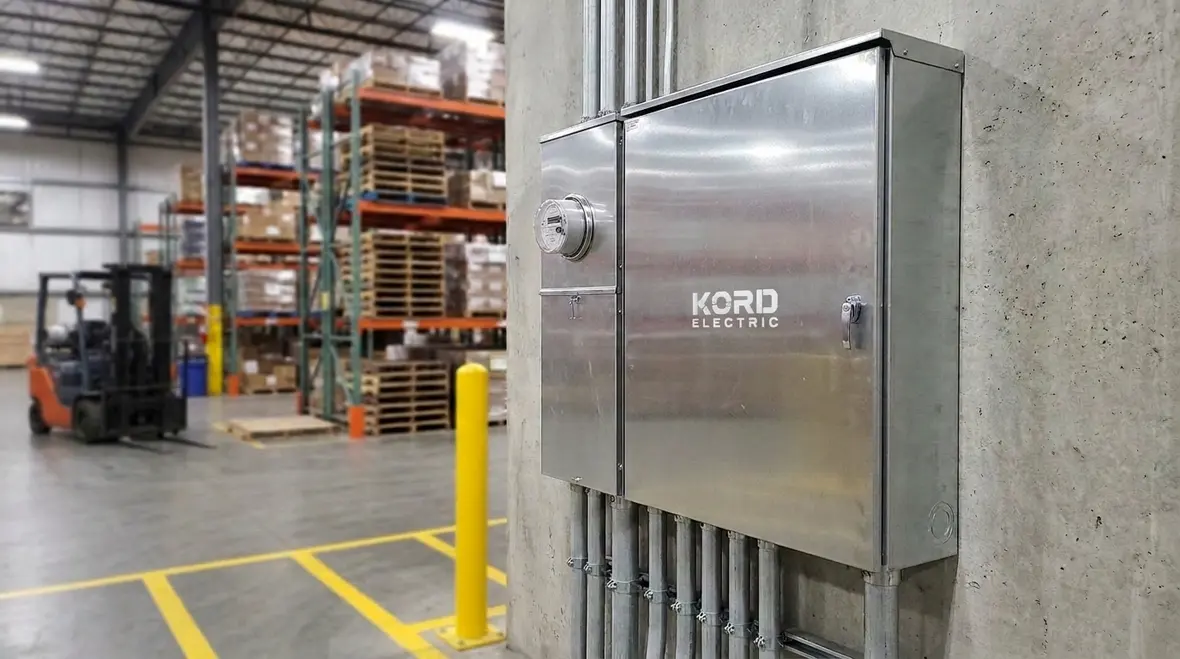
NFPA 70 Section 312.8 Cabinet and Meter Socket Enclosure
NFPA 70 Section 312.8: Cabinet and Meter Socket Enclosure for Commercial Power
For commercial and industrial facilities, we do not treat service equipment like a casual hobby project. Within the first stretch of any NEC install review, our team looks at the NFPA 70 Section 312.8 standards that govern cabinet and meter socket enclosure requirements, because the enclosure is where protection, access, and safe operations meet. In practical terms, we make sure the cabinet or meter enclosure design supports proper mounting, weather and physical protection, and safe separation from hazards. Then, we explain what we found in plain language, so facility managers know why the details matter.
And yes, if you have ever watched a “quick” electrical fix turn into a full afternoon comedy, you already understand why we take this seriously. Power equipment does not care about deadlines. It cares about code.
How NEC Sections Shape Real Enclosure Outcomes
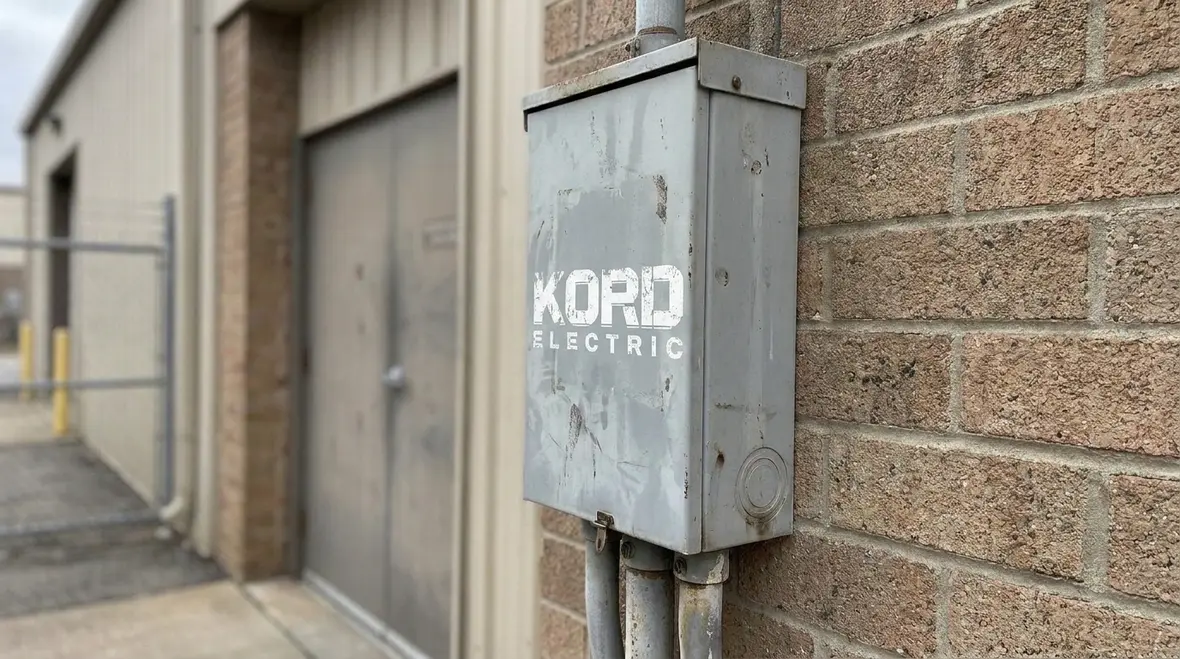
Others may read the NEC like a history book. We treat it like a roadmap with consequences. Section 312 sits in the larger chapter that covers service equipment locations and protection. As a result, Section 312.8 does not exist in isolation. It connects to how the service is installed, where it sits, and how responders or service workers safely reach it. Therefore, when our technicians or expert service staff review an enclosure plan, they look at the whole pathway, from the service conductors entering the equipment area to how the enclosure supports secure operation.
Additionally, commercial and industrial buildings often face higher physical risks than light commercial spaces. Forklifts, storage racks, and foot traffic all increase the chance of impact or tampering. So we build enclosure decisions around those realities. Even if the design looks fine from the sidewalk, we still validate it for access, protection, and durability.
NFPA 70 312.8: Cabinet and Meter Socket Enclosure Requirements
Now we get to the heart of the matter. NFPA 70 Section 312.8 focuses on cabinet and meter socket enclosure requirements, which means the enclosure must function as a protective barrier and a service access point. First, we confirm the enclosure provides adequate physical protection against damage. Next, we verify the enclosure setup supports safe installation and continued operation. After that, we check that the enclosure supports proper mounting and placement, especially in spaces where equipment might be exposed to impacts or harsh conditions.
In commercial and industrial facilities, enclosures may face wet locations, dust, temperature swings, and maintenance traffic. Consequently, we review the enclosure type and installation method so the service equipment remains protected while still allowing appropriate access for utility connections and authorized service work. Our expert service staff also explains the “why” behind each requirement, because code compliance is easier when your team understands the logic, not just the rule.
Think of it like a good security system. It should not only look sturdy. It must actually work when someone tries to mess with it.
What Our Technicians Check Before the First Screw Goes In
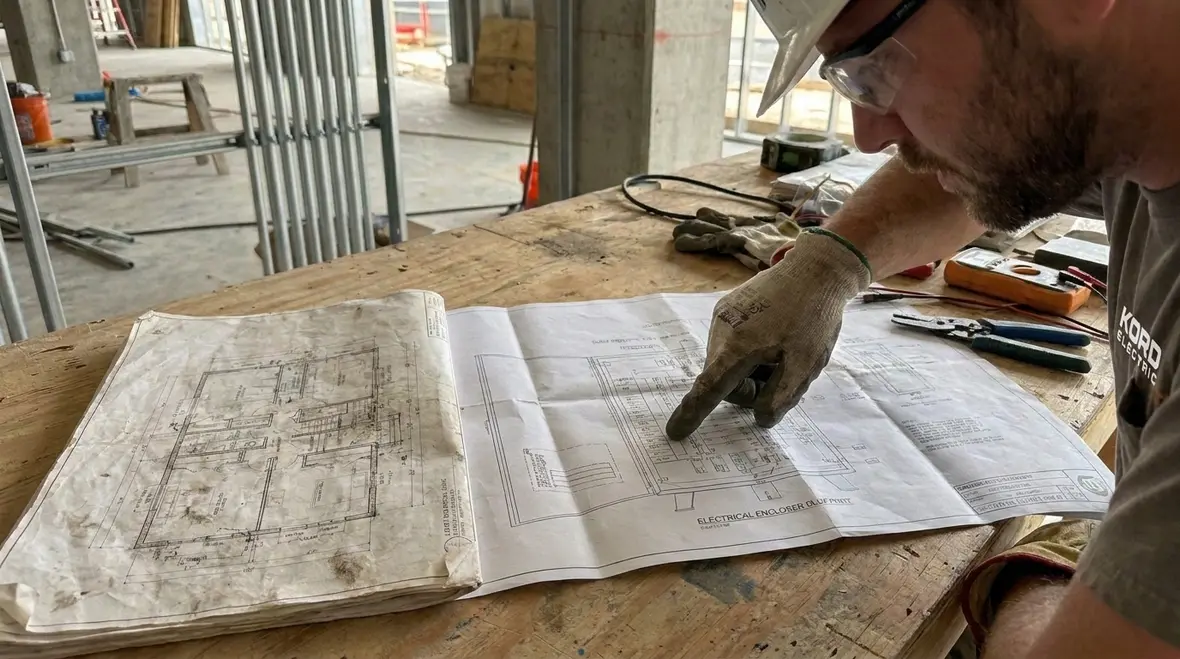
When our crew prepares a commercial or industrial service upgrade, we follow a disciplined workflow. To start, we examine the proposed equipment location and the surrounding conditions. Then, we verify that the enclosure design aligns with NFPA 70 Section 312.8 and related requirements. After that, we confirm the practical details: clearances, mounting strength, and how workers will access the equipment without stepping into danger.
Additionally, we pay attention to the enclosure’s ability to resist damage and support a reliable service environment. For example, we do not just ask whether an enclosure is “installed.” We check whether the installation supports long term protection, including protection from impacts that can happen during routine operations.
And because facility managers often deal with multiple contractors, we also coordinate cleanly. We explain what our electricians will do, what other trades should plan around, and how the final arrangement supports safe service access. That is how we prevent the classic scenario where everyone shows up for the same hour and nobody can work for the next three.
Commercial and Industrial Environments: Access, Protection, and Durability
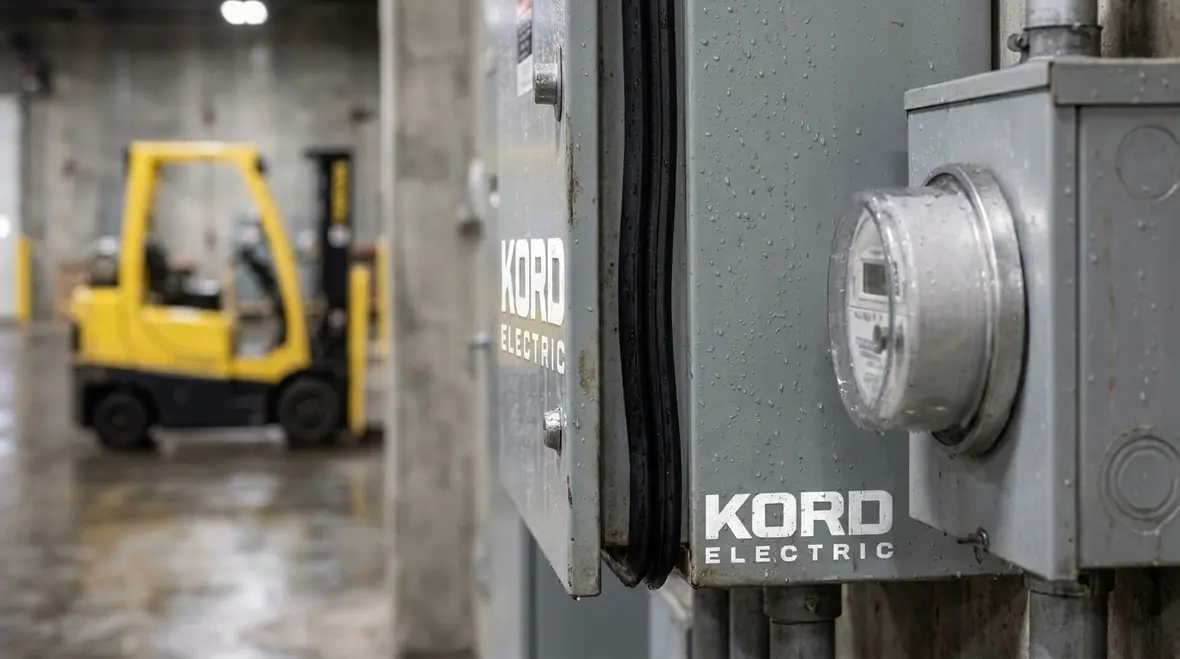
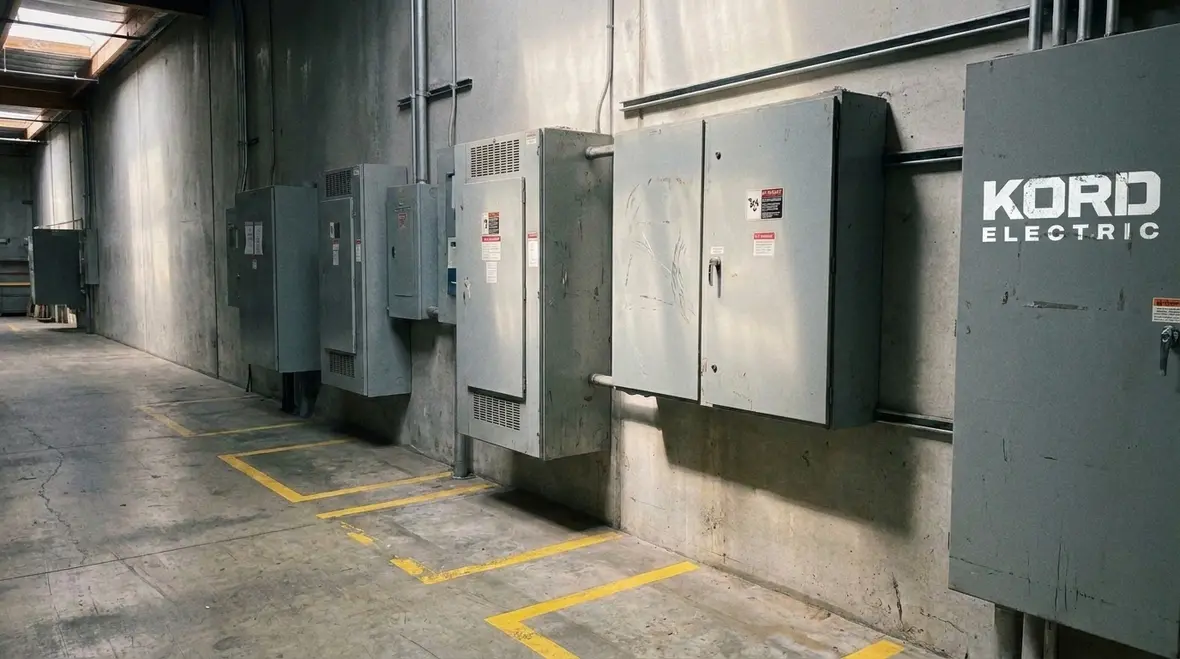
In a major property building, the service equipment space rarely stays quiet. Vehicles pass nearby, loading areas get crowded, and maintenance crews move through tight corridors. Therefore, enclosures must support both safety and function. Under the NEC framework, the cabinet and meter enclosure must protect the service components, while also allowing authorized personnel to access them safely when needed. As a result, our team evaluates access paths and ensures the enclosure location supports required service procedures without improvisation.
We also consider how the enclosure handles real world stress. For instance, in many facilities, vibration from nearby equipment and routine traffic can loosen things over time. Meanwhile, moisture or dust can degrade surfaces and seals if the enclosure does not handle the conditions. Consequently, we help teams choose installation details that reduce future disruptions and reduce the chances of a “surprise” repair that nobody budgeted for.
Our technicians explain these points during walkthroughs, and we keep the conversation focused on operational outcomes: fewer outages, safer access for authorized service work, and better long term reliability.
Common Missteps We See During Inspections
Even strong teams can stumble, especially when the project schedule tightens or a contractor uses a “close enough” approach. First, some installations rely on enclosure setups that look compliant but fail in practical safety terms. Next, others skip careful verification of placement and physical protection. Then, there are cases where access routes become blocked later by storage or equipment staging. And yes, that usually happens after the last inspection, like a sequel nobody asked for.
Another frequent issue involves poor coordination between electrical work and facility layout. If the service enclosure location does not match the building plan or does not support safe access, then the enclosure may not perform the job the NEC expects. That is why we encourage teams to involve our expert service staff early, before the wall finishes go on and everyone pretends the problem will vanish.
We also help facility leaders understand that compliance is not simply about passing a first look. It is about maintaining safe operation through the building’s day to day life. When the enclosure supports durable protection and reliable access, the facility stays steady.
How Kord Electric Delivers Code Compliant Service Equipment Work
Kord Electric supports commercial and industrial facilities with electrical solutions that focus on safety, reliability, and clear communication. We do not approach NFPA 70 like a dusty textbook. Instead, we apply Section 312.8 realities to how a cabinet or meter enclosure gets installed, protected, and used. Then we document what we did so your facilities team can plan maintenance confidently.
Moreover, our technicians explain each decision in plain language. If something needs coordination, we state it early. If an enclosure detail affects access or protection, we flag it before it becomes a costly retrofit. In addition, we align our work with larger code understanding so the service setup fits the building’s broader electrical environment.
For clients who want deeper background on the NEC and related requirements, we also reference our educational resources and practical code explanations from Kord Fire and other industry sources that our team follows for ongoing updates, including guidance found at kordfire.com and kordfire.com.au, as well as broader fire protection context from firepumps.org. We use this knowledge to support our hands on service approach and to complement our internal resource Understanding NFPA 70, the National Electrical Code Explained for 2026 so facility teams get a complete view of how code shapes real decisions.
Meet a Dual Column Checklist: Enclosure Review Points
What we verify
Physical protection for cabinet and meter socket enclosures, based on field conditions
Safe access for authorized personnel and required service procedures
Proper placement and mounting support for long term reliability
Durability needs tied to moisture, dust, and traffic
How we communicate it
Clear explanations from our technicians, step by step
Practical photos and notes for facility records
Coordination guidance for other trades and building teams
Maintenance minded thinking so the work stays stable
FAQ: NFPA 70 312.8 and Meter Enclosures
Conclusion: Let Kord Electric Handle the Details That Keep Power Safe
When your facility depends on steady service, you cannot treat enclosure requirements like an afterthought. At Kord Electric, our technicians and expert service staff apply NEC meter socket enclosure requirements in a practical, field tested way for commercial and industrial buildings. We check protection, access, and installation details before they become problems, and we explain everything in plain language. If you are planning an upgrade or preparing for an inspection, contact us now so we can help you build a code compliant service setup that stays dependable.
For organizations planning broader power improvements, we can also align enclosure work with system level design support and maintenance strategies. Our team regularly helps facilities connect meter socket and cabinet decisions with larger NEC topics such as service barriers, specific purpose load calculations, and equipment servicing access, drawing on resources like our internal NFPA 70 guides and articles hosted through our Kord Fire partners. When your property is located in Southern California, this can be integrated with full project support through our dedicated Los Angeles County electrical services, so you gain both code focused planning and field proven crews on the same page.
If you want an even deeper dive into how the National Electrical Code shapes design and inspection expectations across your facility, our blog resource Understanding NFPA 70, the National Electrical Code Explained for 2026 offers a clear starting point, while Kord Fire’s NFPA 70 coverage adds additional context for safety and fire protection. Together, these resources and our on site expertise help you move beyond passing inspections once and toward building an electrical system that stays compliant, resilient, and easier to manage year after year.
Ready to connect enclosure compliance with practical, day to day reliability? Our team is prepared to review your current setups, recommend improvements, and implement upgrades that respect your schedule, your budget, and the realities of commercial and industrial operations.
Let Kord Electric handle the details that keep power safe, so your team can focus on running the facility instead of troubleshooting the next surprise outage.


