
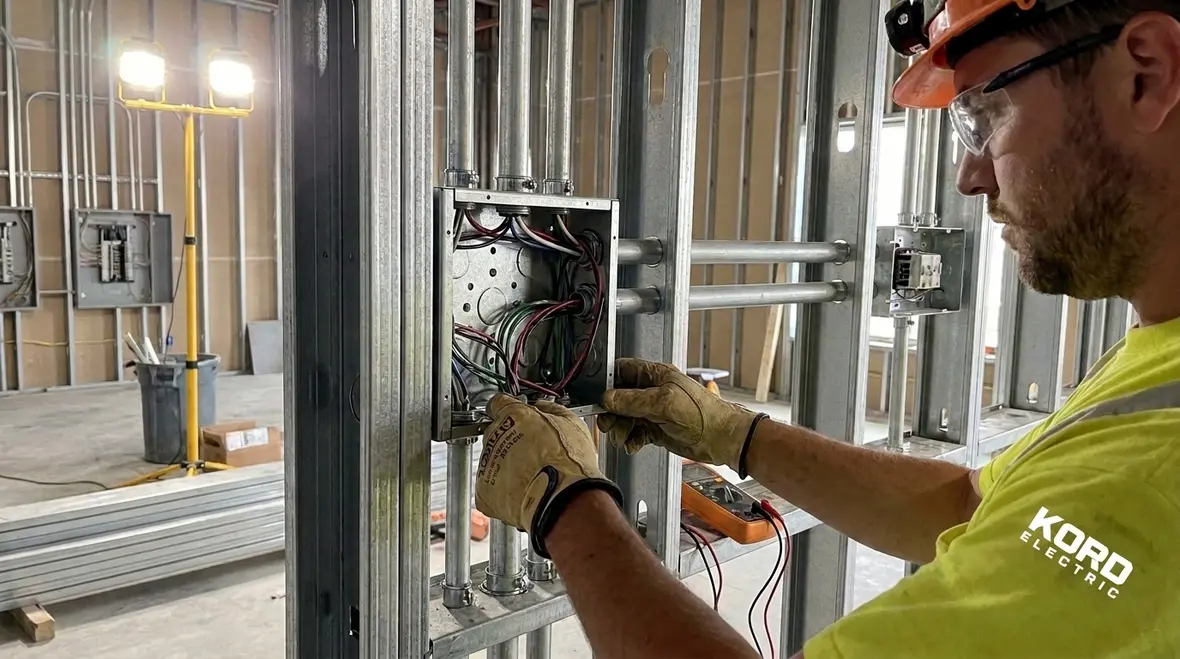
NFPA 70 Section 314.1 NEC Outlet Junction Boxes Scope
NFPA 70 Section 314.1 and the NEC outlet and junction boxes scope, explained in plain language
When teams manage power in commercial and industrial buildings, they cannot treat electrical boxes like afterthoughts. In the first place, they play a key role in safety, code compliance, and future service work. NFPA 70 Section 314.1 sets the scope for outlet and junction boxes, and it lays down what the NEC expects for where boxes go, what they must support, and how they should be used. And yes, if anyone tries to “wing it” because the cover plate fits, we at Kord Electric can tell you that the code does not care about vibes.
Below, our experienced service staff break down how the NEC outlet and junction boxes scope shows up in real field decisions. They explain it slowly, clearly, and with enough detail that maintenance teams can plan work, and inspectors can sleep better. After all, the last thing a major property manager needs is an issue that starts as a box problem and ends as a shutdown.
What Section 314.1 covers for commercial electrical work

Section 314.1 addresses the scope of outlet and junction boxes. In practice, it helps define which types of boxes fall under NEC rules and how the code frames their role in wiring systems. In most commercial and industrial settings, this matters because buildings use more complex layouts, more circuits, and more people touching the system over time.
To keep this practical, our technicians look at three things during design review and field installs. First, they confirm the location and intended function of each box. Next, they verify that the box supports the devices and conductors in that space. Finally, they check that the box meets the NEC expectations for installation and usability.
Now, here is where it gets real. If a building uses a mix of lighting, power, communications, and life safety systems, boxes become the anchor points for connections. And even when work starts as a simple upgrade, it tends to reveal old shortcuts from previous contractors. So, we build the habit of doing this right from the beginning. That habit pays off later, when a technician needs to trace a circuit quickly instead of performing an electrical archaeology dig.
For teams who want more context on how NFPA 70 structures scope and intent, it can help to pair this guide with broader NEC explainers. Resources like Understanding NFPA 70: The National Electrical Code Explained for 2026 walk through how the code sets expectations before we zoom into specific sections like 314.1.
How outlet and junction boxes support safe wiring connections
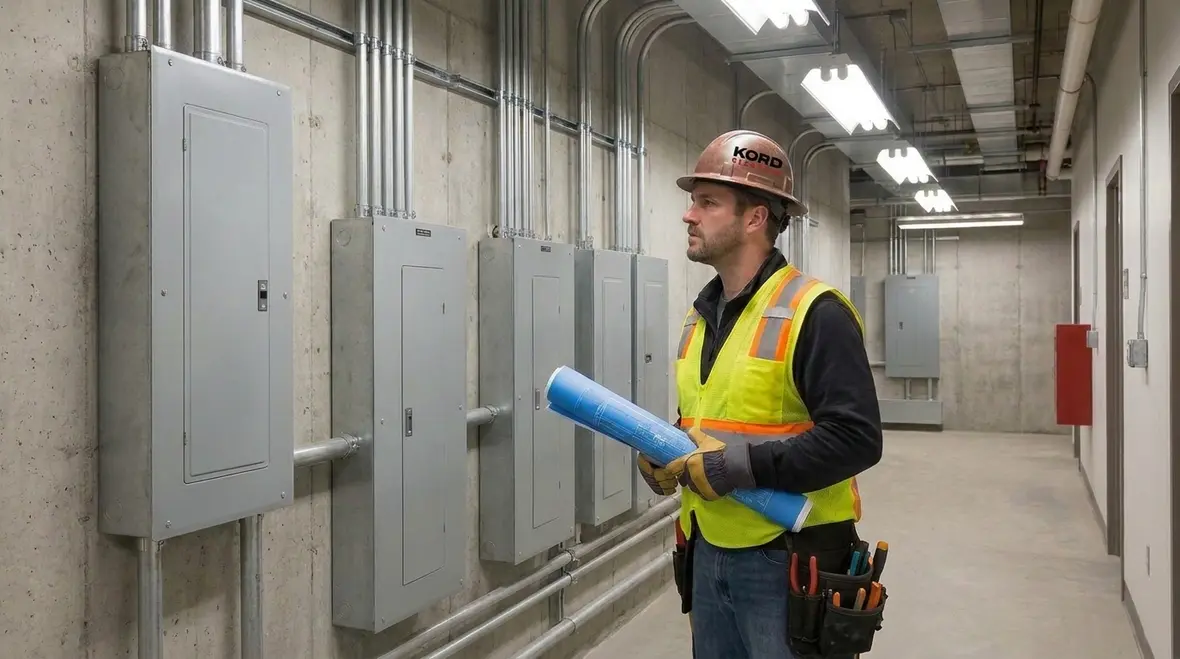
Outlet and junction boxes do more than hold wires. They protect splices and terminations, provide physical support, and create a controlled place for conductors to enter and exit. Therefore, when the NEC outlines the outlet and junction boxes scope, it also guides safe wiring methods that reduce shock risk and fire risk.
In commercial buildings, we often see contractors treat boxes like furniture. They place them based on convenience, then hope the wiring “just works.” Instead, our expert service staff insist on a different approach. They verify that conductor fill stays within limits for the box type and size. They also confirm the box configuration matches the application, whether it supports wiring for receptacles, lighting circuits, or access points for equipment.
Also, boxes support future service. If maintenance plans call for adding circuits, changing devices, or troubleshooting intermittent problems, an installer needs access. In that moment, a correct junction box arrangement saves time, reduces labor, and prevents needless wall openings. In other words, good box work is a service plan, not just an install.
That mindset lines up with other NEC quality expectations. For example, our team applies the same “do it right once” approach when they follow connection quality standards, branch circuit identification rules, or NEC specific purpose load calculations. Safe boxes, clean terminations, and accurate labeling all pull in the same direction: predictable power and fewer surprises.
Install quality: what our technicians check during field verification
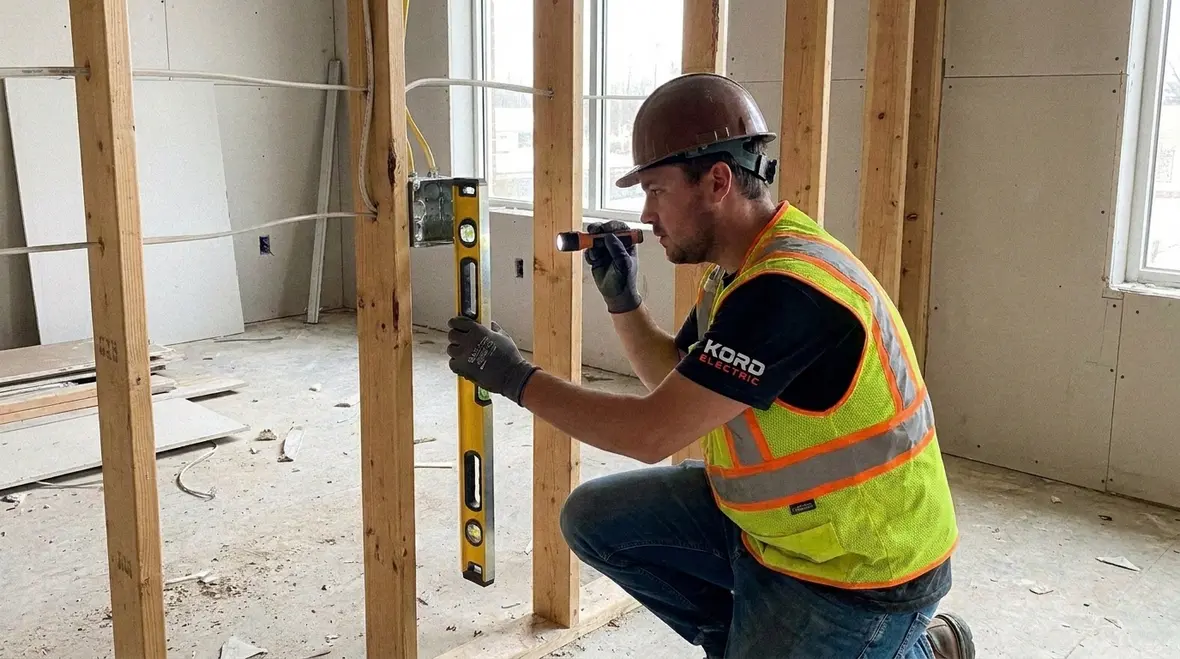
When we work on major property buildings, our team follows a verification routine. First, we review the plan and confirm the box locations align with the design intent and the building’s system pathways. Then, we inspect rough-in conditions before final devices get mounted. That timing matters, because changes get harder once walls close and ceiling grids lock in place.
Next, we check how boxes connect to conduits and how entry points get sealed and protected. We also confirm proper grounding and support. Then, we look at the box covers and the device trim compatibility, because a mismatched cover can create gaps, strain wiring, or complicate inspection.
If a building sits on an older electrical strategy, we often find upgrades that created “loose ends” in the field. Sometimes that means oversized open cavities where a proper box should sit. Sometimes it means missing support. And occasionally it means the wiring routing looks fine from ten feet away, like a movie prop that only works under stage lights.
Our technicians slow down and measure. We do not rely on appearance. We verify alignment, attachment, and conductor management, then we document what we find. That documentation helps owners, facilities teams, and future contractors maintain clarity about what changed and why.
That same habit of clear documentation shows up in other code-focused work, like NEC feeder diagrams and terminal identification requirements. When diagrams and labels match the boxes, conductors, and devices in the field, technicians can close work out faster and inspections move with less friction.
Coordination with other NFPA 70 requirements for full compliance
Section 314.1 does not live alone. In real projects, boxes connect to rules on wiring methods, conductor sizing, and installation practices. So, we coordinate the NEC outlet and junction boxes scope with other NEC sections that influence safe power delivery. For commercial and industrial facilities, this coordination helps avoid “compliance whack-a-mole.”
For example, when a building uses conduit systems, box placement has to match conduit routing and allowed bending and transitions. Likewise, when teams manage mixed voltages or separate power and control circuits, they must plan box usage and separation practices. And when life safety systems get involved, the electrical layout needs stability so critical functions stay reliable.
We also pay attention to how current building standards and local requirements combine with NEC expectations. Kord Fire, Kord Electric, and our broader partner mindset across the Kord ecosystem help teams stay aligned. We keep the work grounded in code, and we help property owners avoid the “we thought it was close enough” trap. Close enough is not a safety standard. It is just a phrase people use right before an inspector shows up with a clipboard.
For teams that want a bigger-picture view of how NFPA 70 hangs together before diving into details like Section 314.1, overviews such as our NEC service equipment barrier guidance, specific purpose load calculations, and minimum unit load rules give helpful background. Then, once the framework is clear, box placement, sizing, and scope decisions feel less like guesswork and more like a normal part of design.
Common commercial problems we prevent before they cost money
Even when contractors know the rules, a few recurring issues pop up in commercial and industrial facilities. First, teams sometimes oversimplify box fill and conductor grouping. When that happens, the box becomes crowded, and technicians struggle to land conductors safely at terminations.
Second, boxes get installed without considering access requirements. If future maintenance needs to open a device or inspect a splice, the box layout should allow safe access. Therefore, we check clearances and cover suitability before final installation.
Third, some projects ignore proper support. When conduits and boxes do not get secured correctly, vibrations and building movement can stress connections over time. That is when you start seeing intermittent faults and nuisance issues, the electrical equivalent of a door that squeaks but nobody wants to fix it.
Fourth, teams sometimes mix box types and wiring methods. That may “work” today, yet it can create compliance gaps. Our expert service staff handle these situations by reviewing the scope of the installation and selecting the correct box type for the wiring method and environment.
Finally, we prevent the classic problem: patchwork changes. When one contractor revises a route without matching the box strategy, the building loses consistency. We stop that by documenting box locations, device types, and wiring pathway assumptions, so future work stays clean.
We also watch out for issues that ripple into other NEC responsibilities. A crowded junction box can turn into a troubleshooting headache, a mislabeled branch circuit, or a feeder diagram that no longer describes reality. By catching those details at the box level, we protect inspection results, uptime, and long term maintenance budgets.
Best practices for major property managers and facilities teams
Facilities leaders manage schedules, budgets, and uptime. So, the best practices need to protect those goals while meeting code expectations. First, they should treat outlet and junction box planning as part of the overall electrical design, not as a last-minute task. When the plan accounts for access, wiring pathways, and device needs, installations move faster and with fewer corrections.
Second, they should specify quality checks during rough-in. Our technicians can perform pre-cover inspections that catch issues early, when fixes cost less. Also, they should require clear labeling and documentation so future troubleshooting becomes a straightforward process instead of a guessing game.
Third, they should plan for change. Commercial and industrial spaces evolve: tenants shift, equipment gets added, and systems get rebalanced. When teams install boxes and conduit pathways with that future in mind, maintenance becomes smoother and safer.
Finally, when owners evaluate vendors, they should look for teams that understand commercial and industrial expectations. Kord Electric focuses on those environments, and we bring the discipline needed for compliance and long-term reliability. If you are running a major property, you already know that electrical problems do not stay small. So we make sure the foundation stays solid.
When those best practices extend out to related code topics — like branch circuit identification, terminal identification, NEC minimum unit loads, and NEC outlet junction boxes scope usage — property managers get a consistent, code-driven electrical strategy instead of a patchwork of one-off fixes.
FAQ: NEC outlet and junction box scope for commercial buildings
NEC outlet junction boxes scope and what it means for your next project
In the end, the outlet and junction boxes scope under NFPA 70 Section 314.1 guides safe, reliable installation practices for commercial and industrial wiring. We at Kord Electric help teams apply that guidance with clear field verification, careful box planning, and technician backed documentation. If your facility project needs an inspection ready electrical approach, we can step in early, review the layout, and prevent issues before they turn into costly delays. Reach out to Kord Electric now, and let us handle the code so you can handle the business.
If your site is in a complex market like Los Angeles County, tying NEC outlet junction boxes scope usage to a broader service strategy helps even more. Our Los Angeles County electrical services offering connects code driven design, upgrades, and troubleshooting so your boxes, conductors, and distribution all support the same reliability goals.
For larger capital projects or multi-phase upgrades, many owners pair this kind of code-focused box work with data-driven electrical design and ongoing NEC education. That way, every new panel, conduit run, and junction box stays aligned with NFPA 70 today and ready for inspections tomorrow.
Whether your team is just starting to explore NFPA 70 Section 314.1 or you are updating long-running facilities, you do not have to navigate the code alone. Our technicians translate NEC language into job-ready decisions, from outlet and junction boxes to feeders, terminations, and service equipment barriers.
When you are ready to align NEC outlet junction boxes scope usage with your next commercial or industrial project, we are ready to help.


