
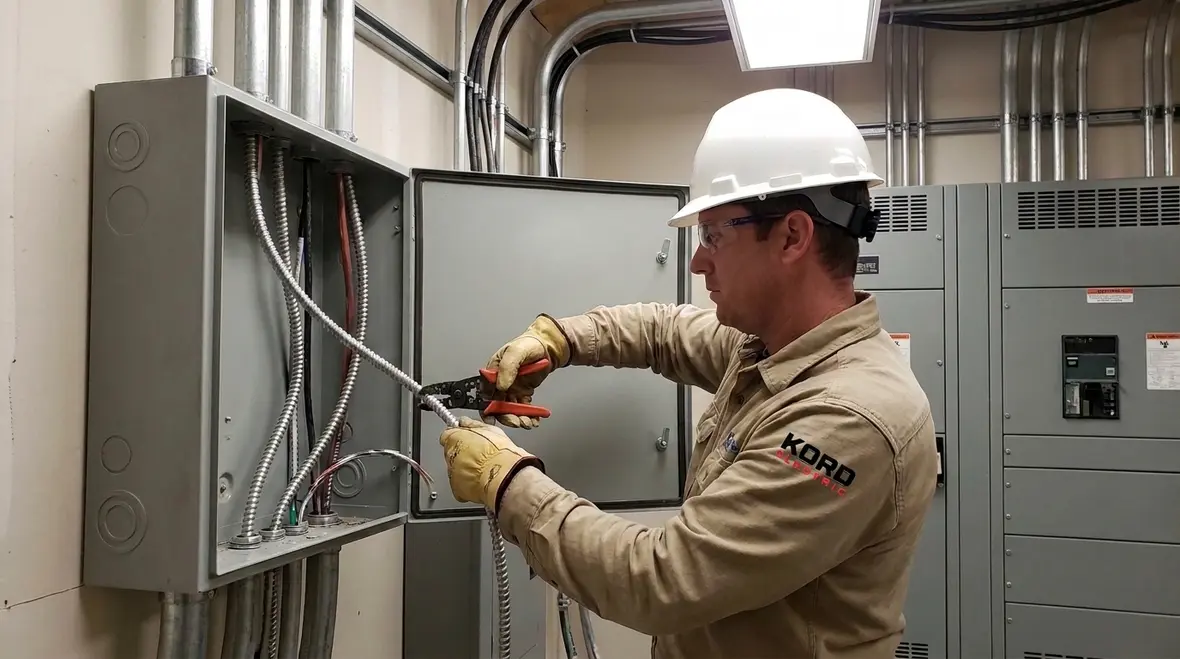
NFPA 70 Section 322.1 Scope of Metallic Sheathed Cable
NFPA 70 Section 322.1: Scope of Metallic Sheathed Cable Article
At Kord Electric, we help commercial and industrial facilities handle electrical design with care, and we start by grounding our team in NFPA 70 Section 322.1, the scope of the NEC metallic sheathed cable article. In plain terms, this section sets the rules for where the NEC metallic sheathed cable scope applies, and it guides how those cable systems should be understood, selected, and installed. Because we have technicians and expert service staff who explain the “why,” not just the “what,” our clients get fewer surprises at inspection time. And honestly, nobody wants surprises. Not at 2 a.m., not during a project closeout, and not when the building manager is already stressed like they just lost the remote again.
In this article, a third person voice walks through the scope, the intent behind it, and how Kord Electric applies it to major property buildings. Then, we translate the code ideas into practical choices, so the facility team can plan with confidence.
What Section 322.1 Actually Covers
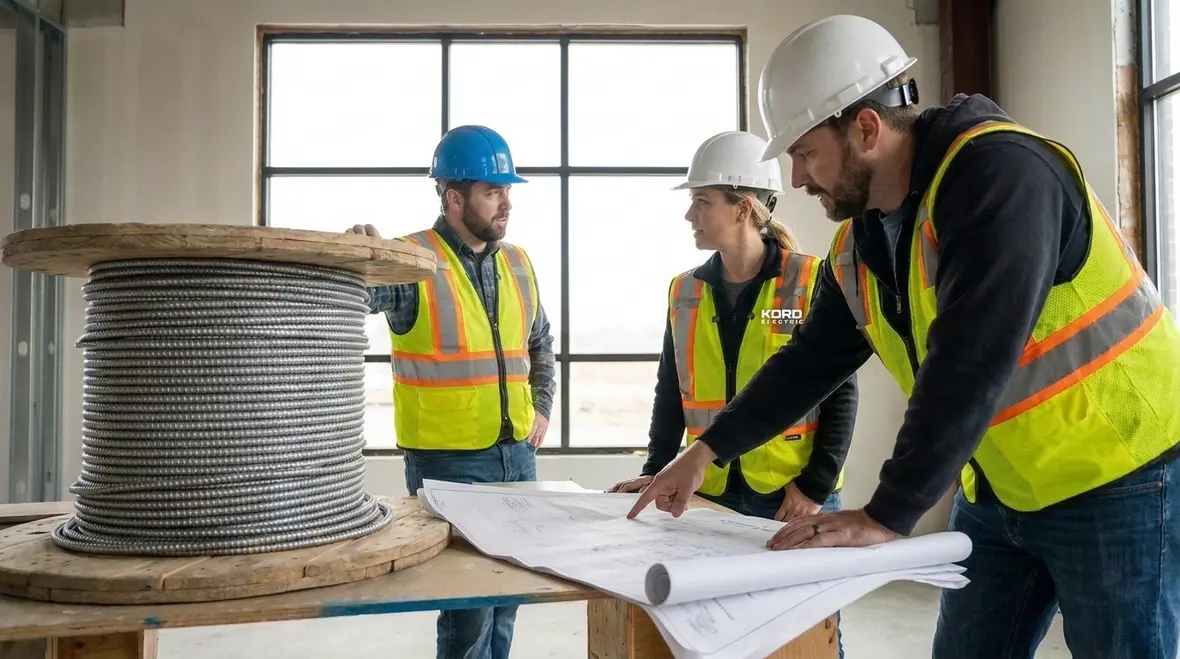
NFPA 70 Section 322.1 defines the limits of the article dealing with metallic sheathed cable. Therefore, the scope does not try to cover every cable type under the sun. Instead, it focuses on cables that include a metallic sheath, which plays a key role in protection and installation conditions. As a result, the article becomes a specific tool, not a general toolbox.
Additionally, the scope language matters because it helps prevent misapplication. For example, if a facility team assumes a cable method fits under the same rules as metallic sheathed cable when it does not, the system may not meet the intended NEC approach. Consequently, inspections can become delayed, and rework can follow. Our technicians at Kord Electric often see this pattern during troubleshooting, and we address it early through reviews and clear job documentation.
Why the NEC Metallic Sheathed Cable Scope Exists
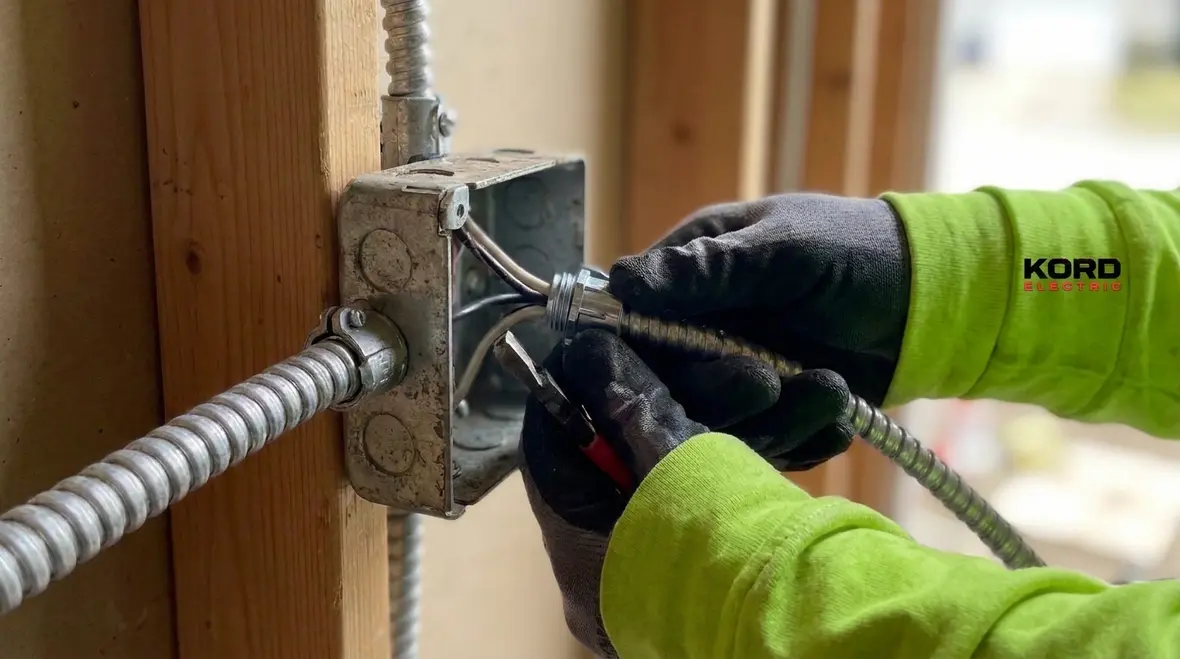
Electrical codes exist for one main reason: to reduce risk in real buildings. Yet, Section 322.1 goes further by defining why the rest of the article matters. Because metallic sheathed cables behave differently than non metallic types, the code treats them as a category with its own behavior, handling, and installation expectations.
Moreover, the metallic sheath affects how the cable handles physical protection, routing, and termination considerations. It also influences how installers think about bonding and continuity across connections. When the facility team understands that the sheath is part of the system function, the work gets more disciplined. At Kord Electric, our expert service staff explains these details during site discussions, so the design team does not treat the sheath like decorative armor.
And yes, codes can feel like they were written by robots who never watched sitcoms. But the intent behind the rules is human: keep people safe, keep systems reliable, and keep facilities operating without drama.
How the Scope Impacts Design and Installation Choices
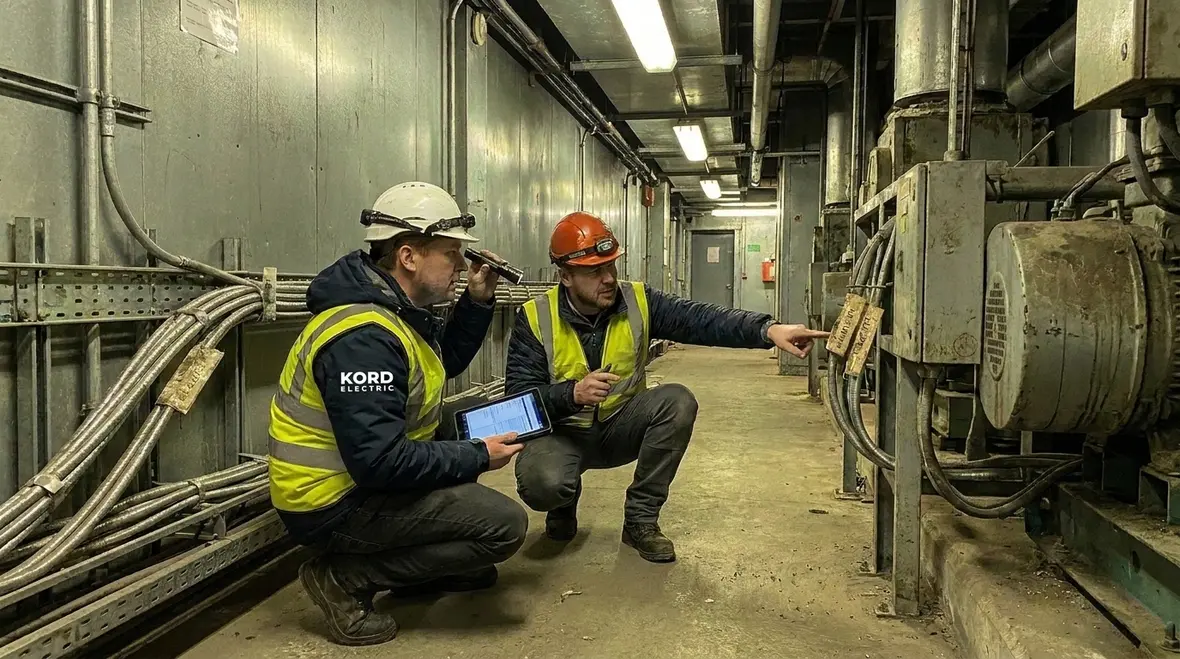
Section 322.1 scope guidance affects both how a project gets designed and how it gets built. For commercial and industrial facilities, that means the team must align the cable selection and installation plan with the NEC article that fits the cable construction. Then, they must build the documentation to match the actual installation method.
Next, Kord Electric often supports this alignment through coordination between design intent and field reality. For example, if a project specifies a cable that falls within the metallic sheathed category, the installation method should respect the rest of the article. However, if the cable falls outside that category, the facility should not try to force it to fit the wrong rule set. This is the kind of mismatch that can lead to change orders, and nobody enjoys change orders.
Furthermore, when scope is respected, the facility team can also plan for maintenance and future work. Since many major property buildings will add loads, expand circuits, or modify systems over time, a clear cable classification reduces confusion later. Our technicians frequently help owners and contractors map these decisions to future service needs, because electrical systems rarely stay “finished” for long.
Common Scope Confusion in Major Property Buildings
Even strong project teams run into confusion, especially when drawings and specifications get edited across multiple stages. For example, teams may reuse older language from past jobs, or they might update cable types without updating the code basis for compliance.
To reduce that risk, Kord Electric encourages a careful check process. First, the team identifies the cable construction and how it matches the metallic sheathed category. Then, they confirm the intended routing and termination details follow the matching NEC approach. Finally, they verify that installation practices align with the scope and the rest of the article.
Because scope errors often show up late, we prefer to catch them earlier. Our approach uses practical explanation during planning, and then field verification during installation. That way, the facility avoids “mystery failures” during energization, inspections, or later maintenance. In other words, we help the building team stop guessing and start confirming.
What Kord Electric Looks For on Site and in Service
When our technicians work in commercial and industrial environments, we treat the code scope like a foundation, not a checkbox. We focus on how the metallic sheath system performs as installed, including routing discipline and workmanship at terminations. Additionally, we look at how the cable integrates with the overall system, including how the cable interfaces with other components.
As projects progress, we also bring service thinking into the build. Since major property buildings need long term reliability, the install should support inspection access and clean maintenance paths. Our expert service staff then explains what to document so future teams can maintain the system without hunting through guesswork.
And for a moment, imagine the alternative: a facility team stuck with unlabeled runs, unclear terminations, and cable types no one can identify. That is not a thriller movie plot, but it can feel like one. So we help clients avoid it.
How This Fits With the Larger NEC Picture
The NEC does not operate in isolation. It connects safety principles across articles, definitions, installation practices, and system requirements. Therefore, the metallic sheathed cable article scope belongs within a larger compliance approach that includes coordination with the overall electrical design, protection strategies, and the building’s operating needs.
In addition, code updates can shift how teams interpret details. For that reason, Kord Electric stays aligned with the newest guidance and commonly referenced NEC explanations in industry resources. For those who want a bigger picture of how NFPA 70 functions across systems, Kord Electric’s guide Understanding NFPA 70: The National Electrical Code Explained For 2026 connects the high level NEC framework with everyday design and inspection decisions.
Also, when owners and contractors use credible references and training summaries like those found in Kord Electric’s blog and Kord Fire resources, they gain a clearer understanding of the code’s intent and how updates affect real work. Similarly, industry education sites such as firepumps.org help teams connect code concepts with fire and life safety contexts that matter to facility operations.
Kord Fire’s educational material at this NEC overview page supports the big picture, while Kord Electric keeps the focus on how scope translates into commercial and industrial execution. Meanwhile, Kord Fire Australia at kordfire.com.au reinforces practical thinking that helps teams manage code complexity across projects.
Planning Metallic Sheathed Cable Work With Future Service in Mind
In real facilities, the NEC metallic sheathed cable scope does not just shape the first installation. It also affects how future work unfolds. When cables are clearly classified, routed, and documented in line with Section 322.1, the next team that opens a panel or ceiling space is not guessing which rules apply. Instead, they can verify that the cable method matches the design intent and extend circuits or modify systems without starting from scratch.
Kord Electric often combines this long term view with data driven planning used in other projects across our portfolio. The same disciplined thinking that shows up in our data driven electrical design work also supports consistent decisions about when metallic sheathed cables make sense, how they should be protected, and what should be captured in as built records for future maintenance teams.
Frequently Asked Questions
Conclusion and Call to Action
NFPA 70 Section 322.1 sets the rules for the NEC metallic sheathed cable scope, and we treat that scope as a practical guide for commercial and industrial buildings. Kord Electric brings technicians and expert service staff to help teams match cable selection, installation approach, and documentation to the correct NEC intent. If the project needs clarity before procurement, during installation, or for inspection readiness, we can review the plan and the field details. Reach out to Kord Electric and let us help your facility build it right the first time.
For facility owners and managers across Southern California who need support beyond a single project article, Kord Electric’s Los Angeles County electrical services team delivers design, installation, troubleshooting, and preventive maintenance built around the same NEC grounded approach. Whether you are planning a new major property building or upgrading existing infrastructure, we can align metallic sheathed cable decisions with your broader electrical safety and reliability goals.


