
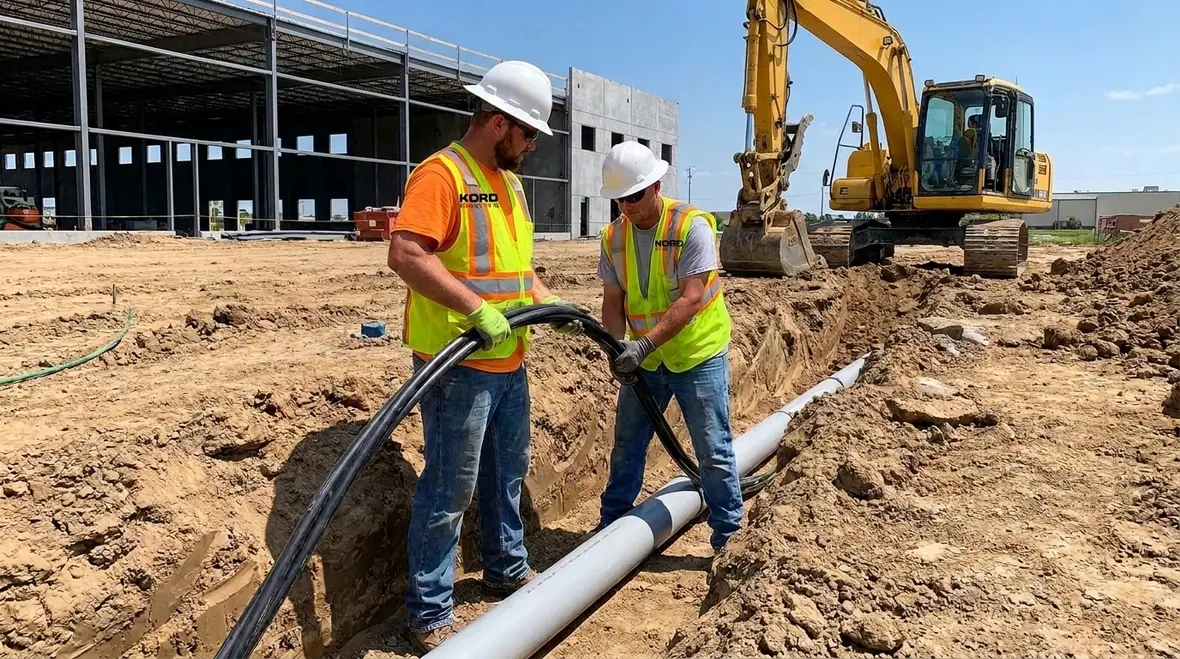
NFPA 70 Section 324.1 NEC UF Cable Scope Guide
At Kord Electric, we guide commercial and industrial facilities through the NEC UF cable scope with the kind of calm, clear thinking that keeps projects on schedule. In NFPA 70 Section 324.1, the NEC defines the scope for underground feeder and branch circuit cables, including where they can be used and what they must do once installed. That matters because underground work is not forgiving like a light switch replacement. It is the kind of decision that shows up years later when nobody wants to open a trench.
Our expert service staff, and the technicians who actually touch the conduit and cables, explain the rules in plain business terms. Then we align those rules to real jobsite conditions, not just textbook diagrams. As we like to say, electrical code is the playbook, and we do not improvise on the field.
NFPA 70 Section 324.1 and what it covers for underground runs
NFPA 70 Section 324.1 sets the scope for underground feeder and branch circuit cables. In plain language, it tells us when the NEC underground wiring rules apply and how the cables should be handled and installed. The NEC’s goal here is to control three things: safety, durability, and how electricity behaves once the cable is buried and out of sight.
To put it to work, we examine the project first, then we map the wiring plan to the NEC language. And because facilities change, we also check whether the underground cable route must support current use, future expansion, or both. After all, a building does not stay the same forever, even if the tenants act like it will.
Our technicians often see the same pattern: someone designs underground cable routes based on “it should fit,” not “it must comply.” Then later they discover that compliance has a way of charging back with interest. Section 324.1 helps us avoid that kind of surprise.
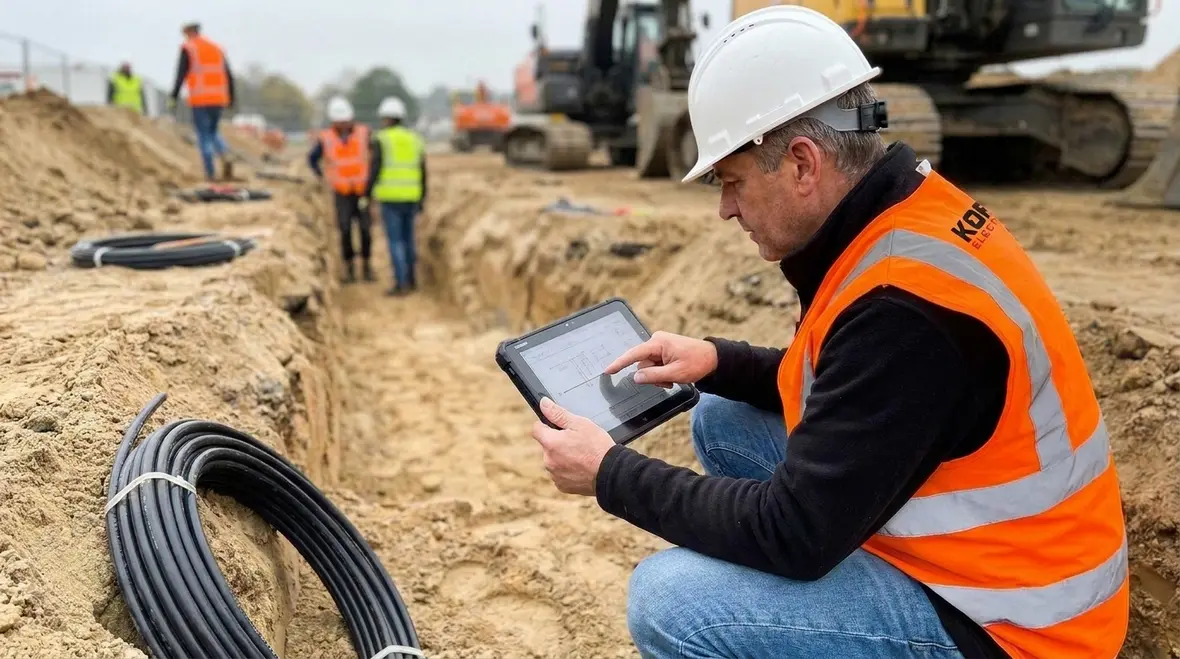
Where underground feeder and branch circuits typically show up
Commercial and industrial properties depend on underground wiring for power distribution, equipment feeds, and site-wide connections. We see these underground runs in places like:
- Electrical service entrance and distribution paths across large campuses
- Feeds to parking lot lighting, signage, and exterior HVAC equipment
- Branch circuits supplying mechanical rooms, pump stations, and remote panels
- Temporary to permanent power transitions during construction phases
However, this is where we slow down. Because underground cable decisions should reflect the function of the circuit. For example, a feeder path often supports larger loads and longer routes, while a branch circuit supports loads that serve specific areas or equipment. Even when the cable looks similar, the compliance expectations and installation details can differ.
Then we apply the NFPA 70 guidance to the actual site conditions. If the ground is damp, if the route passes through areas with heavy traffic, or if future excavation is likely, we plan the wiring with those realities in mind. Electrical work is like plumbing, but with more paperwork and fewer apologies.
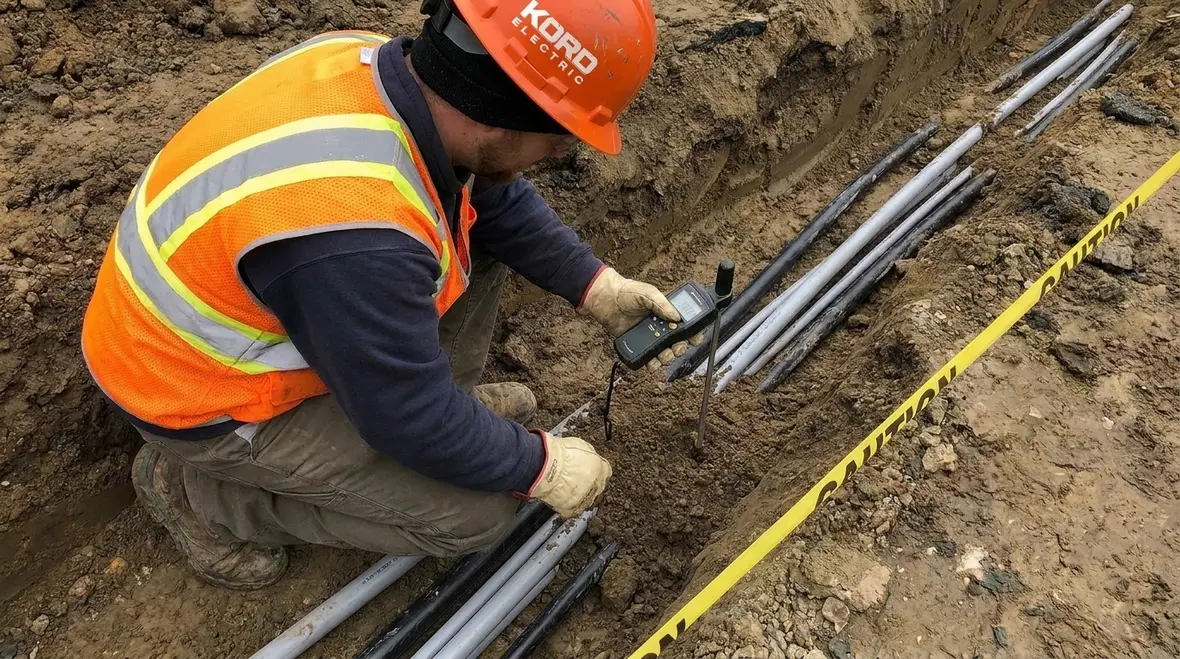
NEC UF cable scope: matching the cable to the job and the environment
In practice, we use the NEC UF cable scope as part of how we select and route underground feeder and branch circuit wiring. UF cable often gets chosen for direct-burial scenarios and certain outdoor feeder or branch circuit applications, but we treat it like a tool with a job description. We do not assume it fits every trench just because it fits the budget.
Our expert service staff explains what matters most: how the cable is rated, how deep it will be buried, and how it will be protected along the route. Next, we verify how the cable will enter buildings or equipment enclosures. That transition area is where many projects fail, because people focus on the trench and forget the doorway.
We also coordinate with the rest of the electrical design, including conduit requirements, pull points, and routing paths that maintain safe cable behavior. Even though UF cable is built for underground use, it still requires correct installation to preserve the intended performance over time.
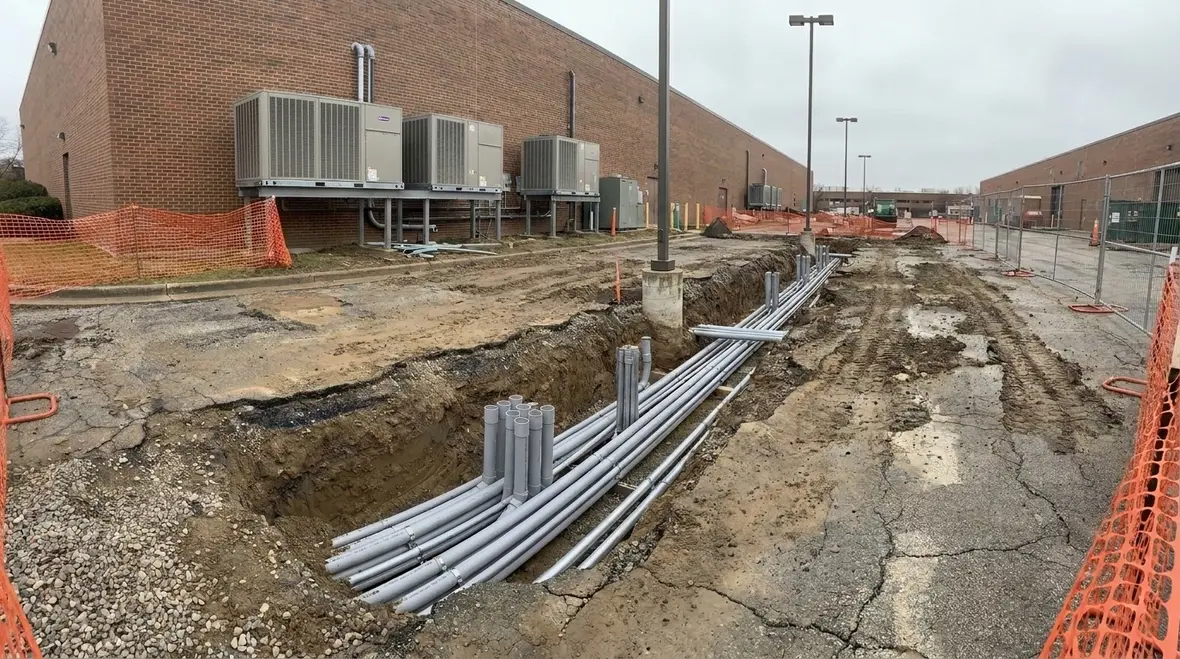
Installation details that keep underground power safe over time
Underground cable compliance is not just about the cable type. It is about the full install. And in many commercial and industrial projects, the underground work touches several trades, scheduling constraints, and access limitations. Therefore, we manage the details before the trench opens.
Here are the core installation areas we focus on, with technicians walking the jobsite for real-world checks:
- Route planning to avoid conflict with other utilities, future upgrades, and access paths
- Proper burial depth and consistent coverage along the entire run
- Protection where the cable changes direction or passes through risk points
- Clean transitions at terminations, equipment connections, and building entries
- Labeling and as-built documentation so future teams do not guess
As we review the underground plan, we also account for what comes later. Facilities add equipment, expand parking areas, and sometimes reroute drains or service lines. When the underground cable documentation stays accurate, we help future projects move faster and spend less time hunting for “mystery wiring.” Nobody enjoys playing electrical detective, unless they are being paid overtime.
How code reading turns into field decisions, not confusion
Code text can feel like it was written to test patience. Yet we do not treat it that way. Instead, we translate the rule intent into field practices that technicians can execute without guessing.
From our experience across commercial and industrial builds, we find that the most effective approach includes three steps. First, our team reviews NFPA 70 and any relevant local amendments for the scope of underground feeder and branch circuit cable. Next, our technicians build an install plan that matches those requirements to the site. Finally, we verify the plan against the job reality through a walkdown and pre-install checks.
That method reduces rework. It also protects the facility investment. In addition, when questions come up during construction, we explain the “why” behind the requirement. Our staff will show what happens if a cable route or protection detail gets ignored, and how that risk can show up as failures, nuisance downtime, or costly fixes.
We also coordinate with other stakeholders, including facility managers and general contractors, so everyone understands where the electrical code intent sits in the project timeline. That is the calm part. The rest is hard work, but at least it is organized hard work.
Common pitfalls we prevent on commercial and industrial sites
Underground feeder and branch circuit cable projects fail for predictable reasons. We see them often, and we address them early. Below are common pitfalls we help facilities avoid.
- Assuming all underground cable rules are the same: feeders and branch circuits can demand different design choices even when the cable appears similar
- Ignoring route complexity: changes in elevation, corners, and crossings demand careful planning
- Skipping documentation: unclear as-built records turn future troubleshooting into a guessing game
- Overlooking transition points: building entries and equipment connections can create problems if not handled correctly
- Letting installation shortcuts stack up: one small compromise often multiplies risk along the run
To keep things practical, we train our technicians to flag issues before they become expensive. And when we explain the code, we explain it like we are explaining it to the next person who will inherit the job. Because they will.
Also, we keep our focus tight: commercial and industrial facilities and major property buildings. We do not chase one-off projects that do not fit our expertise. We prefer to do fewer things, but do them right, with the discipline that keeps power reliable.
What other code resources support this guidance
When facilities and contractors want deeper context, we point them to trusted code and fire safety education sources, including materials that explain NEC structure and enforcement. For example, we reference summaries and discussions found through code-focused organizations and industry learning sites, such as content presented in Kord Electric’s guide to NFPA 70 for 2026 and Kord Fire’s NEC overview. We also encourage teams to explore broader fire and electrical safety context through related system awareness resources.
And because rules evolve, we keep an eye on updated editions and how they affect facility projects. That is how we stay ready for 2026 era updates and beyond, without relying on memory or wishful thinking.
For facilities in Southern California and nearby regions, this code-focused approach connects directly to the day-to-day work of planning, installing, and maintaining power distribution. When we help a team interpret NFPA 70 Section 324.1, we are not just talking theory about underground cables. We are building a safer, more predictable power backbone for their operations.
That same mindset applies when underground scope overlaps with other electrical upgrades, renovations, or lifecycle work. We often support projects where a new feeder route ties into panel replacements, service equipment changes, or coordination with life safety systems. In those cases, our code reading and field planning draw on companion topics like NEC scope from Section 90.1, wiring integrity expectations, and workmanship standards that keep underground power aligned with the rest of the system.
Because the NEC UF cable scope lives alongside many other NEC requirements, we keep communication open across disciplines. When civil teams, mechanical contractors, and facilities staff all understand the underground rules, coordination improves. Trenches get opened once, the right materials go in, and the documentation matches the work instead of trying to catch up later.
FAQ
Call Kord Electric for a compliant underground plan
If your commercial or industrial facility needs underground feeder or branch circuit cable work, we can help you do it with clarity and compliance. At Kord Electric, our technicians and expert service staff translate NFPA 70 requirements into real install plans, then we verify the details before the trench gets filled. We manage the scope, protect the transitions, and document the work so future teams work faster.
For organizations planning broader upgrades or phased improvements across a site, we also connect underground wiring decisions to larger compliance strategies. That can include coordinating with Los Angeles County electrical services for commercial facilities, integrating surge protection, or preparing for future code cycles so today’s cable routes still make sense years from now.
Reach out to us now to review your project and build a plan that passes inspections, protects your investment, and keeps your underground power as reliable as the equipment it feeds.


