
NFPA 70 Section 324.12 NEC UF Cable Not Permitted Rule
NFPA 70 Section 324.12 and the NEC UF cable not permitted rule, explained
When a building team asks why the NEC UF cable not permitted decision came up during the design review, they usually expect a quick answer. We get it. Nobody wants a two hour meeting about a cable. And yet, in the real world, the details in NFPA 70 Section 324.12 can decide whether a system gets approved or gets delayed. Others install first and ask permission later, like it is a movie where the villain says, “We will deal with it after lunch.” However, electrical safety does not work like a script.
At Kord Electric, our team supports commercial and industrial facilities and major property buildings. So we focus on the rules that inspectors enforce, the risks that show up during service calls, and the fixes that keep operations running. In this guide, our expert service staff and field technicians explain what Section 324.12 means, how UF cable fits into the larger NEC picture, and what smart choices look like when you want safe, code aligned installations.
What Section 324.12 covers for UF cable applications
NFPA 70 Section 324.12 addresses how certain cables may be used in wet locations and in places where cables could get exposed to moisture, soil, or direct contact conditions. UF cable is often chosen because it looks “easy” for outdoor or underground runs. That is the sales pitch people hear. Yet, code does not grade you on convenience. It grades you on suitability.
In plain terms, Section 324.12 limits where UF cable can and cannot go. If a project uses UF cable in situations that the code does not permit, the installation can fall short of the required protection level. Then, when conditions change or water finds a path, the cable can degrade. And if degradation occurs, you do not just lose power. You also risk faults, downtime, and expensive investigation.
Our technicians see this pattern often. A facility manager chooses UF cable because it was on hand or because an old plan used it. Then, later, the site has a retrofit, a new loading area, or a drainage change. Suddenly that cable lives in a harsher environment than expected.
When we walk teams through these choices, we frequently connect Section 324.12 back to larger NEC guidance, including deep dive explainers such as Understanding NFPA 70: The National Electrical Code Explained for 2026. That context helps facility leaders see how a single section fits into the bigger rulebook that runs through the rest of their electrical system.
Why code cares about moisture, soil, and physical conditions
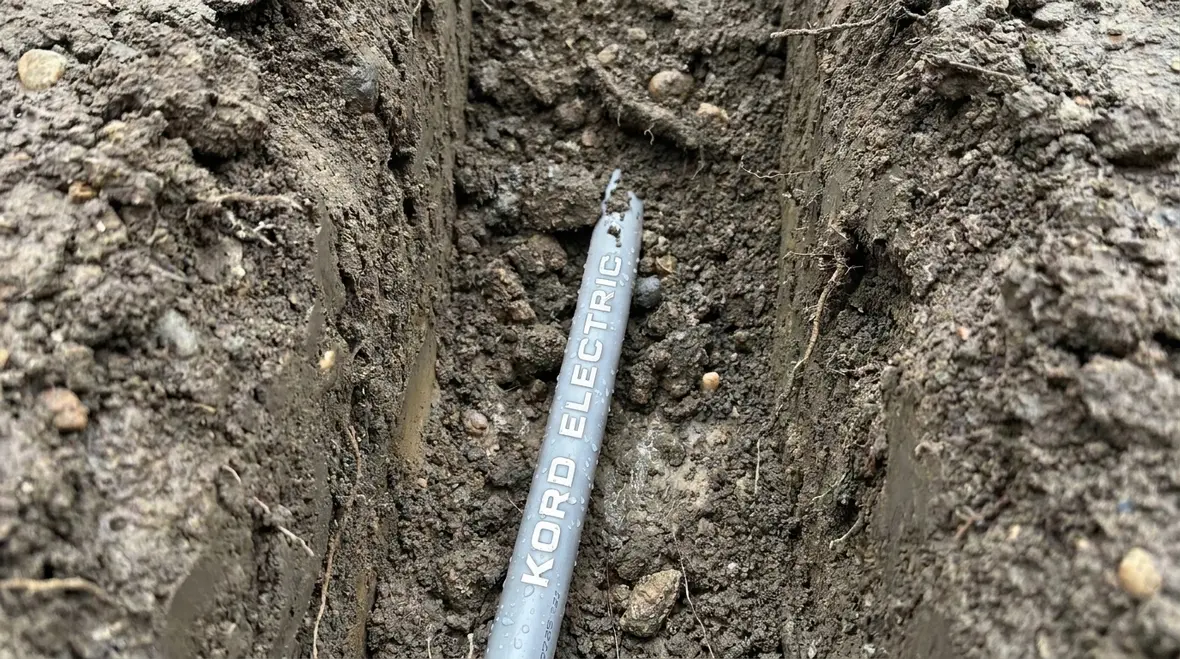
Electrical systems fail in the same way most buildings fail. Not instantly, not dramatically, but gradually, and usually at the worst time. Moisture and soil are two of the top drivers of insulation problems. Water and soil can affect cable jackets, reduce protective performance, and increase the chance of fault conditions.
UF cable exists for certain use cases, but it does not automatically act like a fully armored, burial ready system for every scenario. Therefore, when teams place it where the NEC does not allow, they can create an exposure gap. That gap may not show up in week one, yet it can show up after freeze thaw cycles, recurring damp conditions, or repetitive mechanical stress.
At Kord Electric, we approach this with calm, methodical discipline. First, we evaluate where the cable will travel. Next, we map the environment. Then, we recommend a cable type and installation method that matches those conditions. When we explain these choices, our experts do it in business terms: fewer surprises, fewer service interruptions, and more predictable compliance.
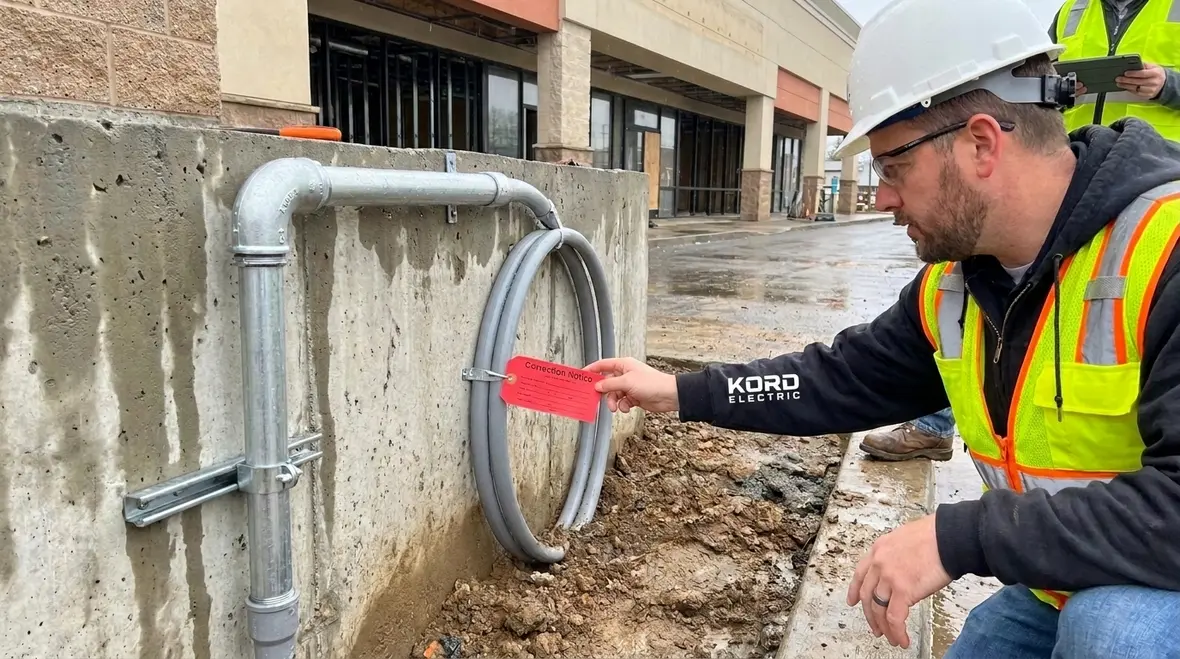
And yes, if you treat cable placement like a “set it and forget it” device, the code will remind you that reality has a sense of humor. The code does not laugh, but it will still show up with a red tag.
How inspectors and reviewers spot a UF cable mismatch
In commercial and industrial projects, the review process often includes plan checks, site walk downs, and documentation checks. So, a UF cable design detail can get flagged even before anything gets buried. Inspectors typically look for cable type, routing method, protection level, and whether the installation aligns with the NEC requirements for the location.
Here are common points where the NEC UF cable not permitted issue becomes visible:
- Wet location or burial assumptions that do not match the cable’s rated use
- Routing into areas where the cable needs additional protection or a different construction method
- Updates during construction where field changes alter the cable exposure without a design revision
- Existing system replication where crews copy an older approach that no longer meets current requirements
- Missing documentation where the as built record does not show the cable type and installation method clearly
To help facilities avoid last minute fixes, our team supports projects with clear recommendations early. We coordinate with site leaders and our own technicians so the cable choice stays consistent through design, procurement, and installation. That saves time, money, and the kind of frustration that makes people say, “Who approved this?”
Safer alternatives and practical installation strategies
Once we determine that UF cable is not appropriate for the specific environment described under Section 324.12, we shift to solutions that match the conditions. The best answer usually depends on the route, the exposure, and the system design. And that is where experience matters.
Our technicians often recommend cable methods that provide adequate protection for the exposure level. That can include using cable types designed for burial or wet use, selecting proper raceways or protection where needed, and ensuring the installation method supports long term durability.
Here is a practical way we guide decisions in a commercial setting:
- Define the environment: outdoor, wet, subject to moisture, direct burial, or locations exposed to water events
- Confirm the path: trench depth, routing changes, and any crossing points that add risk
- Pick the right protection level: match the cable and method to the requirement, not to what is easiest
- Document the install: provide clear as built details so future maintenance teams do not guess
- Plan for access: make future troubleshooting realistic, not heroic
In other words, we choose a system that remains reliable when conditions push back. And we keep it clean for the people who operate the facility day after day. If you want fewer shutdowns, you plan for durability now, not later.
Quick comparison of code logic: where UF can lead teams astray
Different guides and NEC explainers exist, and they help people build baseline understanding. We also reference the broader NEC context for wiring methods and permitted uses, because the code does not live in isolation. It connects to other sections and the overall intent behind safe installation practice.
Below is a simple comparison that reflects the logic our expert service staff uses during reviews. It is not a substitute for design engineering, but it helps teams see where mistakes often start.
UF cable approach vs Code aligned approach
UF cable approach: Teams treat UF cable like a one size fits all outdoor run solution. Then they route it through moisture prone zones and assume it will “hold up.”
Code aligned approach: Teams verify permitted use for the exact location conditions. If Section 324.12 does not allow the installation method, they switch to a cable type and protection plan that matches the environment.
On more complex jobs, we often pair this comparison with planning tools from other NEC focused resources on our site, such as code scope explainers and application guides. Those help facility teams see how the “NEC UF cable not permitted” call connects to broader topics like branch circuit scope, feeder minimums, and service grounding without turning every meeting into a code lecture.
Working with Kord Electric for commercial electrical compliance
Commercial and industrial facilities need steady power, safe systems, and documentation that stands up to review. At Kord Electric, we serve major property buildings and facility teams who care about uptime and compliance. We also understand that when the NEC gets involved, timelines can tighten fast.
So we act early. First, our team helps interpret the requirements in practical language. Then, we map those requirements to the site reality. After that, our technicians support the installation process with discipline and clear checks at key points.
We also coordinate with partner resources and guidance commonly used in industry education. For example, teams often cross reference NEC explainers and training content, including resources that discuss the National Electrical Code and common compliance pitfalls. When you want a reliable path forward, it helps to align with the intent of the code and with real field practice.
Our project teams regularly connect cable decisions back to broader planning work, including articles on topics like wiring on buildings, feeder minimum ratings, and NEC application scope. That way, a question about UF cable does not get treated like a one off episode, but rather like part of a full season that includes design, installation, and long term operation.
If you are already dealing with an existing installation concern, we help you evaluate the current conditions and plan a correction path that avoids unnecessary disruption. And if you are designing new work, we help you avoid the “easy choice” that becomes a costly change later. Think of it as beating the plot twist before it hits. Unlike a surprise party, code corrections rarely come with cake.
For commercial and industrial facilities across the region, our field teams also support broader power and distribution needs. If your site in or around Los Angeles County needs help aligning design, installation, and inspections, our Los Angeles County electrical services group can coordinate UF cable questions with panel work, feeder routing, and life safety support so you are not managing code issues in isolation.
FAQ: NFPA 70 Section 324.12 and UF cable use
Conclusion: protect your facility with code aligned cable choices
When Section 324.12 comes up, we do not treat it like paperwork. We treat it like a safety promise. At Kord Electric, our expert service staff and technicians help commercial and industrial teams confirm where UF cable fits and where it does not, then we recommend a code aligned solution that supports long term reliability. If your project faces a review concern, or if you need a safer plan for moisture and exposure conditions, contact us. We will help you move forward with clarity, speed, and confidence.
For teams planning larger code upgrades, it can also help to pair Section 324.12 decisions with a broader understanding of how the NEC operates in 2026. Resources such as our National Electrical Code explainers, application scope guides, and section by section breakdowns offer a bigger map so cable choices, grounding plans, and feeder sizing all work together rather than fighting each other at inspection time.


