
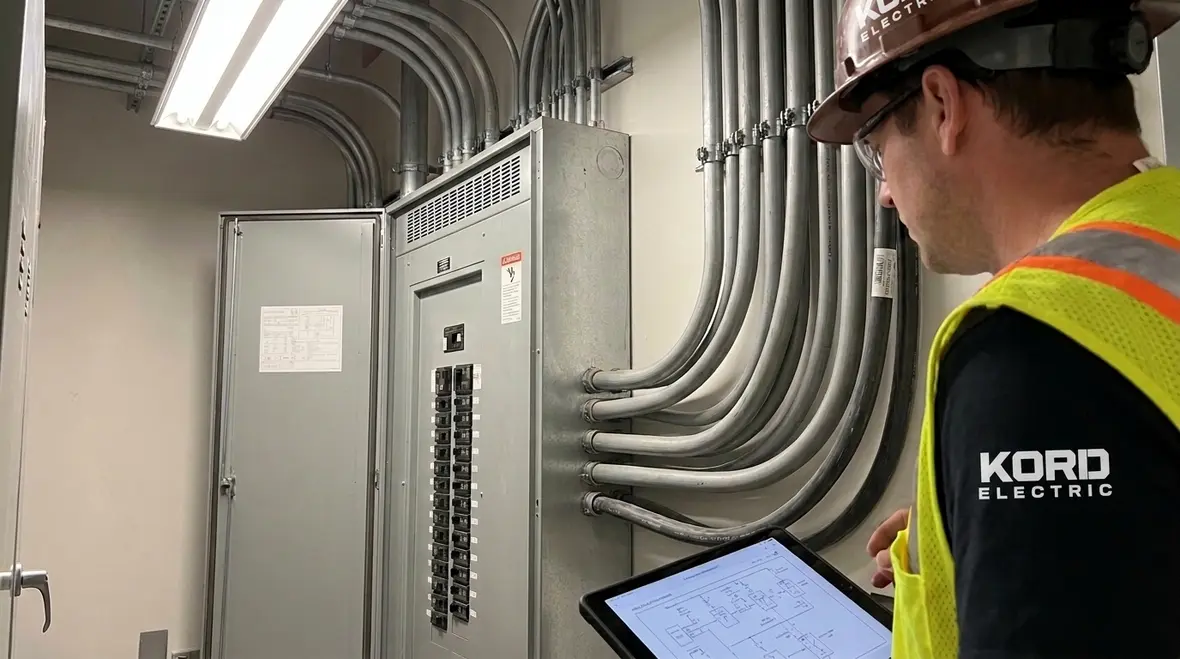
NFPA 70 Section 330.80 NEC Service Entrance Ampacity
NFPA 70 Section 330.80 and the real-world NEC service entrance ampacity
In many commercial and industrial projects, the first thing everyone asks is simple: what size conductor can safely handle the load. In the opening stages, we often start with the NEC service entrance ampacity guidance that ties directly to NFPA 70 Section 330.80. However, the rule does not work like a magic calculator that spits out one perfect answer for every building. Instead, the correct conductor size depends on how the service is set up, how conductors run, and what ampacity adjustments must be applied. And yes, we get it, the code can feel like it was written for robots. Still, our team explains it in plain business language, so the design stays compliant and the power stays dependable.
What Section 330.80 sets out to control
Section 330.80 focuses on service entrance conductor ampacity rules, specifically for installations that use wiring methods covered by Part II of Article 330. In plain terms, it tells designers and electricians how to apply ampacity limits to conductors that serve as the connection between the utility and the facility. Then, it also demands that we respect the conditions of use, not just the nameplate rating on paper.
To keep things clear, our expert service staff breaks it down like this: conductor ampacity is not only about “how many amps the conductor can carry.” It also depends on the installation environment, the temperature rating assumptions, and the adjustments and corrections that the code requires. When those details get ignored, we see heat issues, nuisance trips, and the kind of performance problems that no one wants to troubleshoot at 2 AM, unless they enjoy paying overtime for fun.
Additionally, the rule exists for a reason. Service entrance conductors operate at the heart of a system, so small errors become expensive fast. Therefore, we treat Section 330.80 as a starting point, then we apply the NEC’s full set of ampacity adjustments that match the real jobsite conditions.
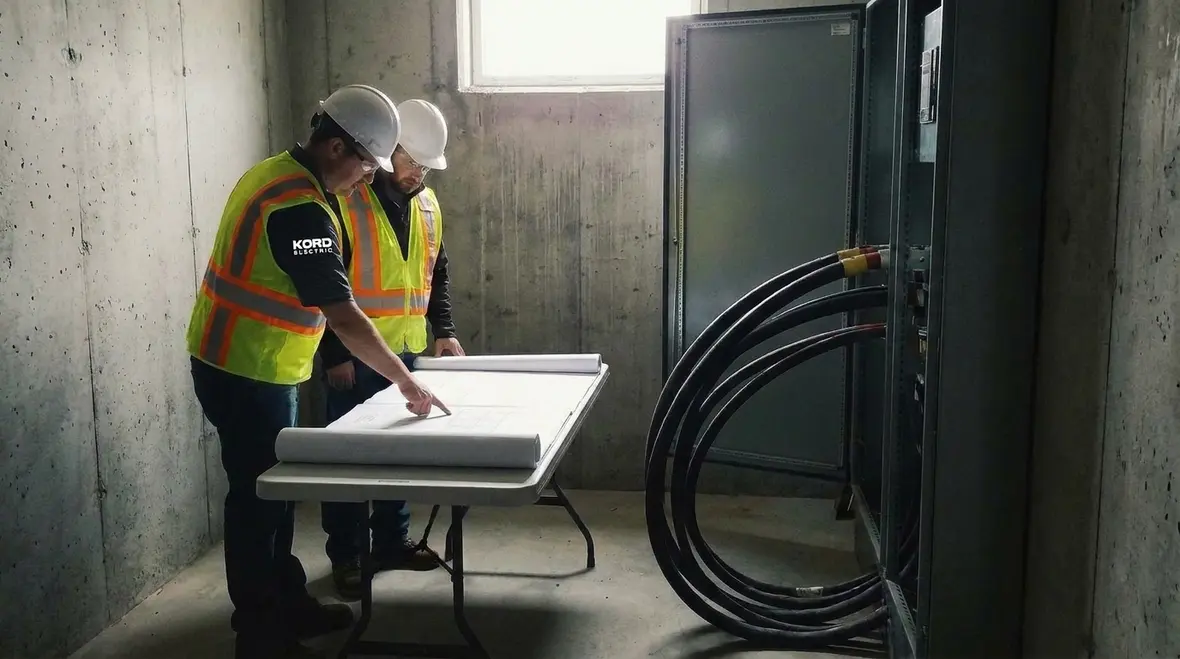
How we determine load and conductor size for commercial services
Before any conduit sizing, terminations, or conductor pulling begins, we first establish the electrical load that the service must supply. Then we align that load with the conductor ampacity approach required by the NEC. For commercial and industrial facilities, load calculations often include multiple systems, lighting panels, HVAC equipment, motors, and sometimes process loads. Consequently, a facility can require conductor sizing that changes from floor to floor, tenant suite to tenant suite, or phase to phase.
Our technicians use a structured workflow. First, we review the one line diagram and equipment schedules. Next, we confirm the voltage rating, service configuration, and the wiring method that the design specifies. After that, we evaluate conductor ampacity under Section 330.80 rules for service entrance conditions. Finally, we verify that the overcurrent protection and conductor sizing align with the NEC design logic.
At this stage, we also remind teams that code compliance is not just “passing inspection.” It is safety, reliability, and fewer operational surprises. In other words, we keep the power system boring and dependable, which is the highest compliment in electrical work. Boring is good. Boring means it works.
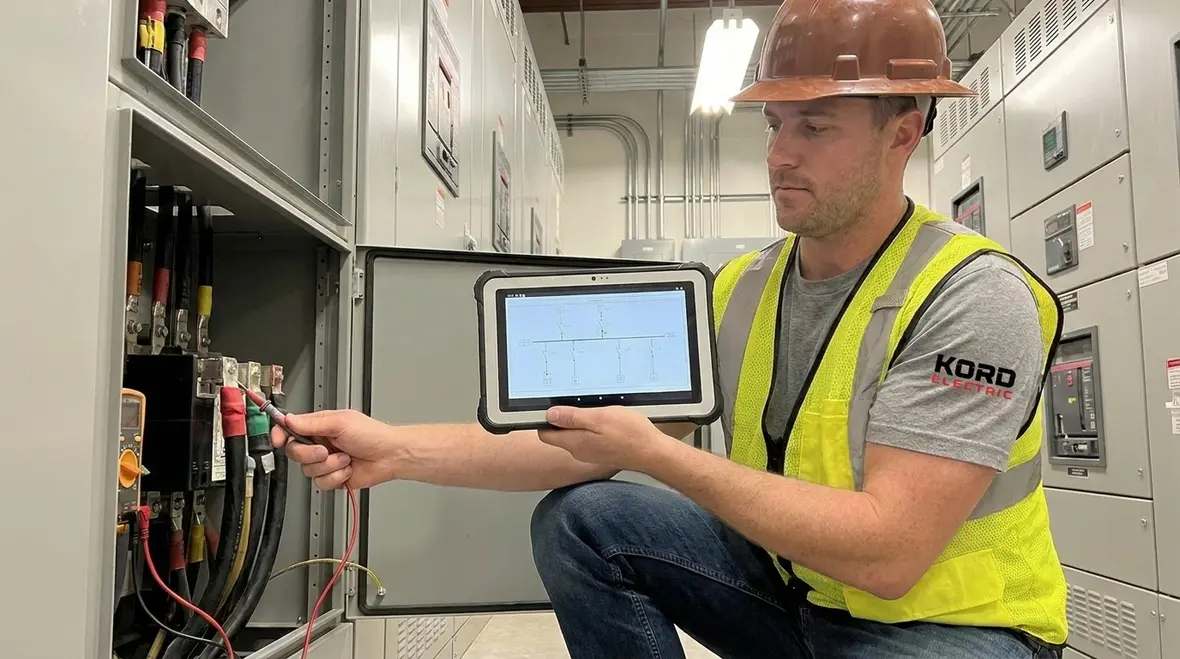
Applying conditions of use without guesswork
Once the load and wiring method are established, we handle the part that causes most failures: applying the correct conditions of use. Section 330.80 does not exist in isolation. It works alongside ampacity adjustment requirements, which account for the environment the conductors actually experience. Therefore, we consider details such as conductor insulation temperature rating, ambient temperature, and how conductors are grouped in raceways or enclosures.
To help our clients, we explain these conditions like layered cake. The conductor’s base ampacity is the cake layer. Then, we add adjustments for heat, grouping, and install details. If someone skips a layer, the final result collapses, and the electrical system pays the price.
Our expert service staff also checks how conductors are terminated and routed. In commercial buildings, routing changes for aesthetics and space constraints happen all the time. However, once the conductors are installed in a different way than assumed during design, the ampacity corrections can change. So we verify the physical installation matches the engineered plan and NEC assumptions as closely as possible.
Finally, we document the checks. That documentation supports commissioning and helps maintenance teams understand what they inherited. When maintenance staff know what was installed and why, the building stays healthier over the long haul.
Common mistakes we see during commercial upgrades
Every industry has its favorites, and in electrical services, the same mistakes repeat. We have seen teams oversize conductors “just to be safe,” and other teams undersize them because the first cost estimate looked better. Both approaches can create trouble. Oversizing can drive material and labor costs up, while undersizing can create heat and safety risks.
We also notice confusion when people mix up service entrance conductors with feeder conductors. They are not the same story, and that matters when the rule calls for specific treatment of service entrance conductor ampacity. Therefore, we make sure the scope matches the code language and the equipment layout.
Another common problem involves failure to match the wiring method. Article 330 wiring methods include specific rules that designers and installers must follow. If the field installation deviates, we reassess. Then we adjust conductor ampacity the way the NEC expects, not the way a contractor prefers on a busy day.
Lastly, we see missing coordination between conductor sizing and overcurrent protection. If the protective device rating does not align with conductor ampacity requirements, the system might not protect properly. So we verify coordination and make adjustments before the job enters the “no refunds” stage.
Yes, the electrical code can feel like pop trivia. But it is not trivia for fun. It is for keeping people safe and equipment running.

Why proper service conductor ampacity impacts building performance
When the NEC service entrance ampacity is handled correctly, the benefits show up in how the building runs day after day. First, conductor temperatures stay within expected limits. That reduces aging stress on insulation and helps keep terminations secure. Next, the system maintains more stable voltage under load, which supports motors, HVAC control, and critical process equipment.
Moreover, we reduce the chance of nuisance tripping. Many intermittent issues show up as “mystery faults” but trace back to heat and operating margins. When ampacity is wrong, the system can drift into conditions where protective devices react earlier than expected. Therefore, correct ampacity supports smoother operation and fewer downtime events.
For major property buildings, this matters even more. Tenants expect reliability, and facility managers expect predictable maintenance. If power issues start during peak hours, the cost quickly escalates. In contrast, when we design service entrance conductor ampacity correctly using NFPA 70 Section 330.80 principles, we build a foundation that performs like a steady professional, not like an actor who forgets his lines during the big scene.
How Kord Electric supports compliance for major property and industrial facilities
At Kord Electric, we focus on commercial and industrial facilities and major property buildings. We do not treat code work as a checkbox. Instead, we apply a practical process that blends NEC knowledge with jobsite reality. Our technicians and expert service staff explain the “why” behind each rule so teams can make informed decisions during design, installation, and upgrades.
When projects involve service entrance work, we support engineering coordination, conduct site verification, and align field conditions with code requirements. Then, we help clients plan for safe, long-lasting electrical performance. If you are updating an existing service or expanding capacity for new equipment, we prioritize conductor sizing accuracy, correct installation practices, and dependable documentation.
We also stay current on NEC updates and interpretations through resources we trust, including the guidance published on our platforms, such as our in-depth article Understanding NFPA 70: The National Electrical Code Explained for 2026. Our approach reflects the same principle: follow the code, but explain it so the team can execute it cleanly.
For facility teams that want to connect NEC service entrance ampacity decisions to broader code strategy, we also recommend reviewing the life-safety-focused overview from our sister company in NFPA 70: All About The National Electrical Code (NEC), which explains how electrical and fire protection considerations work together across a property.
How NEC service entrance ampacity ties into broader electrical planning
Real projects rarely stop at the service entrance. Once NEC service entrance ampacity is set, it drives decisions on panelboard layouts, feeder sizing, protective device selection, and even how future expansions can plug into the system without pushing it past its limits.
In major property and industrial environments, we see three patterns repeat:
- Service entrance conductors that were sized correctly years ago, but now serve loads that have grown far beyond the original design.
- New equipment added “temporarily” that quietly became permanent, without a fresh look at ampacity and overcurrent protection.
- Mixed assumptions between engineering documents and field changes, especially when projects stretched over multiple budget cycles.
To keep these patterns from turning into outages, we integrate conductor ampacity checks into our broader electrical planning. That includes verifying how service entrance conductors interact with surge protection, emergency power, and life-safety systems that all rely on stable, code-compliant power. When needed, we fold in additional guidance from resources like our practical walkthrough on What Is NFPA 70? Understanding the National Electrical Code so stakeholders see the full picture, not just one table from the code book.
FAQ: NEC service entrance ampacity and Section 330.80
Our NEC service entrance ampacity review steps
Service step
Load review and equipment schedules
Wiring method confirmation for Article 330 installations
Ampacity checks using NEC service entrance conductor requirements
What we verify
Voltage, phase, and service configuration
Temperature and installation conditions that require adjustments
Coordination with overcurrent protection
Where NEC service entrance ampacity meets local operations
Even the best-designed service entrance only works as intended when it lines up with how your facility actually runs. That is why we look beyond calculations and ask practical questions: when loads peak, which equipment is running; when maintenance shuts down one section, what happens to the rest of the system; and when a new tenant or process comes online, how close does the existing service come to its ampacity limits?
For facilities across Los Angeles County and Southern California, this local reality includes aging infrastructure, dense tenant build-outs, and a constant pressure to add more equipment into the same electrical rooms. Our team supports that reality with services that range from targeted ampacity reviews to full electrical upgrades. When a project demands more than a simple check, we help bridge the gap between service entrance calculations and construction-ready solutions through comprehensive offerings like our Los Angeles County electrical services, which cover commercial panels, distribution, lighting, and more under the same code-focused mindset.
Request a compliance review before your next service change
When you plan a service upgrade or new commercial installation, we encourage you to contact Kord Electric early. Our technicians and expert service staff help you apply NFPA 70 Section 330.80 service entrance conductor ampacity rules with clear documentation and field-focused verification. That means fewer surprises during commissioning and a calmer path through inspection.
Whether you are coordinating a major property renovation, adding process equipment, or simply trying to understand how NEC service entrance ampacity interacts with your existing infrastructure, our team connects design intent with code reality. We align service entrance conductor sizing, overcurrent protection, and installation practices so your system is built for how your facility actually runs, not just how it looks on paper.
Call us or request an assessment today, and let us keep your electrical system steady, safe, and ready for the next round of inspections and expansions.


