
NFPA 70 Section 630.34 Welding Transformer Marking
In our work with commercial and industrial facilities, we often see electrical systems built with good intentions and tested with real-world stress. Early on, we remind site teams that code details matter, even when they look small. For example, NFPA 70 Section 630.34 welding transformer marking requires clear identification for welding transformer equipment, and it guides safe use, maintenance, and inspection. And while nobody wakes up excited to read marking rules, we do help teams get them right. We also explain it in plain language, so others do not treat the National Electrical Code like a mysterious old movie no one understands but everyone quotes.
What the NEC sets out to protect inside big buildings
We treat the NFPA 70 as the backbone for electrical safety in the places where failure costs real money and real time. In large commercial and industrial buildings, systems face heat, vibration, heavy loads, and frequent switching. Therefore, NFPA 70 does not just list requirements. It sets a safety path that helps designers, installers, inspectors, and facility teams share the same expectations.
When others follow the NEC, they reduce shock and fire risk. They also make commissioning and troubleshooting easier. In addition, correct code use supports reliability in critical areas like production lines, distribution rooms, and life safety circuits. Our expert service staff at Kord Electric walks through these points carefully, because a well built system should be boring in the best way. Like a reliable HVAC unit that never steals your nights.
How Article 630 handles welding transformers and why it is not optional
Welding power is intense, and equipment often gets used hard. That is why NEC guidance in Article 630 matters. Specifically, it addresses wiring, installation methods, and equipment requirements for welding systems. As a result, welding transformer marking rules become more than paperwork. They help ensure the equipment can be identified and used correctly, and they support safe servicing later.
We routinely see that teams want to “move fast first” and confirm compliance later. However, compliance later can become a costly loop. So we encourage early coordination during design, procurement, and pre start reviews. Our technicians explain how markings connect to safe installation practices, correct identification during inspections, and maintenance planning. And yes, we also explain it when the contractor says, “We will label it later,” because later has a way of becoming never.
NFPA 70 Section 630.34 welding transformer marking: what it means on site
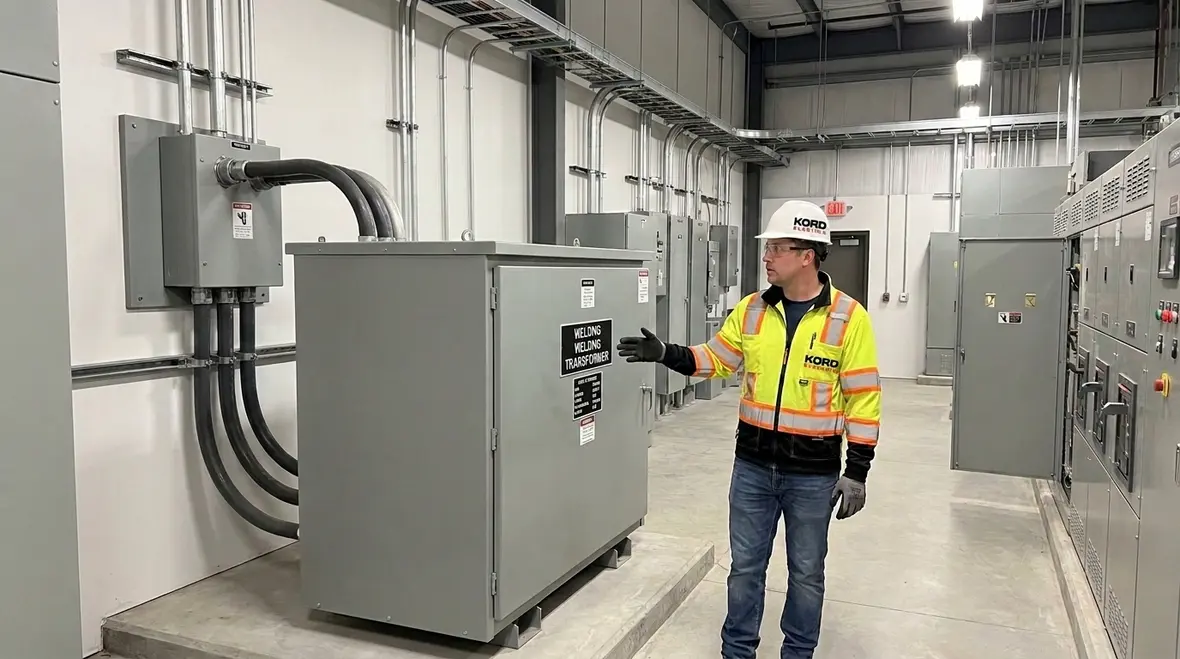
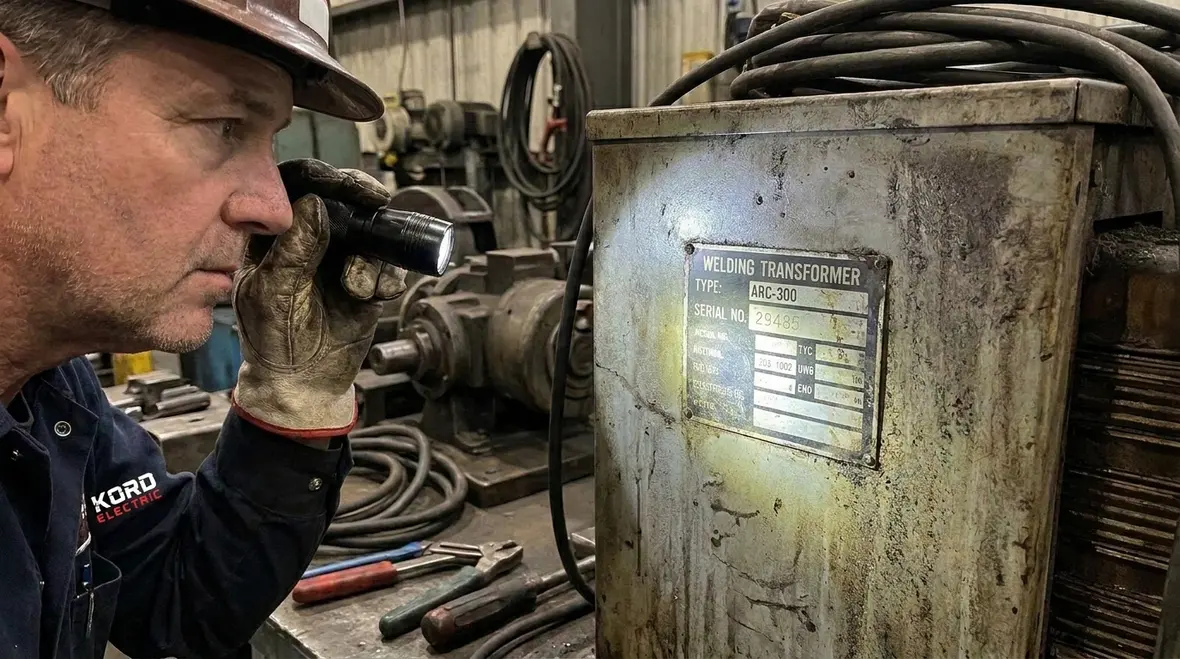
Let us talk about the practical side. NFPA 70 Section 630.34 welding transformer marking focuses on clear identification for welding transformer equipment. When markings are correct and visible, it helps everyone from electricians to inspectors confirm the unit matches the planned use. In turn, facility teams can locate the right transformer during troubleshooting, service scheduling, or code based reviews.
Here is how we help clients keep things clean and audit friendly. First, we review the transformer submittals and labeling details against the installation plan. Then, we check placement so markings stay readable after normal site conditions such as paint, cable routing, and mounting. After that, we confirm that the labeling supports safe operation and proper field identification. Finally, we document what we verified, because “trust me” is not an inspection standard.
Our experts at Kord Electric treat these marking details as part of the full system, not a standalone box to tick. We also coordinate with teams handling fire protection and emergency response planning when a facility operates with welding in occupied or high hazard zones. For more related code context and explanations, our teams also reference guidance shared by Kord Fire, including resources such as NFPA 70: All About the National Electrical Code (NEC), when it supports safe planning across disciplines.
Common compliance gaps we see in commercial and industrial projects
In the field, small gaps can create big trouble, especially in facilities where uptime and throughput matter. Based on our experience, these are common problem areas we help prevent.
- Missing or unclear identification on welding transformer equipment, especially when equipment placement changes after the submittals get approved.
- Label placement problems where conduit, insulation, or future reroutes block the view of required welding transformer marking.
- Inconsistent equipment documentation where the installed unit differs from what drawings and job packages claim.
- Weak handoff to facility teams, meaning the operations staff does not know what markings they should look for during maintenance.
- Improper coordination with electrical rooms, where space constraints cause rushed mounting and rushed labeling.
We handle these issues by doing early checks, because we prefer prevention over patchwork. And if you are thinking, “This sounds like common sense,” you are right. But common sense is not a code citation. Our technicians explain that the goal is to make compliance visible, not hidden behind a panel that never opens until something breaks.
Design, installation, and maintenance: how we keep systems aligned
Code compliance works best when design, installation, and maintenance agree on the same story. Therefore, Kord Electric builds a process that supports continuity across the lifecycle of the electrical system.
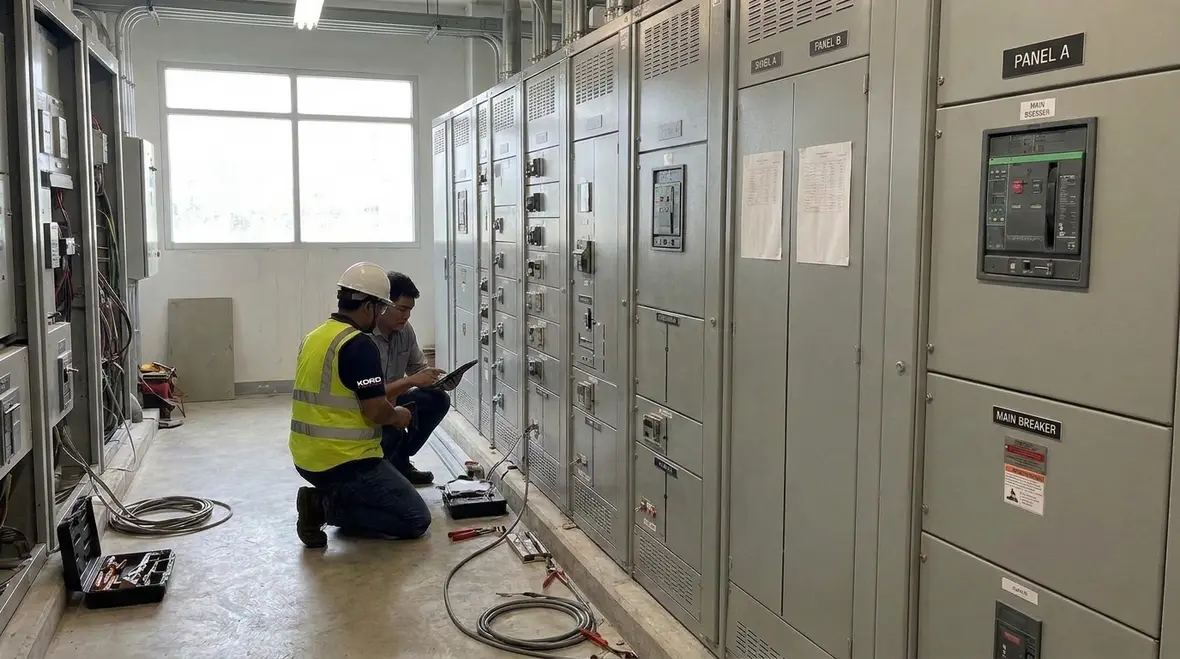
During design support, we look at equipment selection, transformer location, and the routing plan that affects where identification stays visible. During installation, we confirm mounting practices and check that wiring methods and clearances match the plan. Then, before turnover, we verify that labeling and identification are present, readable, and consistent with the equipment actually installed.
Most importantly, we help facility teams understand what to do after we leave. When our expert service staff explains the marking and identification expectations, it helps operators spot mismatches sooner. In addition, it speeds up inspections and reduces downtime during service calls. This also supports training for contractors who will work on site later, because every new crew deserves a clear map, not a scavenger hunt.
And yes, we have seen situations where the transformer was doing fine, but the labeling was not. That is like a good actor with the wrong name on the call sheet. The performance happens, but the paperwork gets ugly fast.
Working with inspectors and fire safety teams in the real world
Large buildings do not operate in isolation. Electrical systems connect to life safety operations, fire alarm setups, and emergency response procedures. For that reason, we coordinate with the broader compliance picture rather than treating electrical code as an island.
In our approach, we share what we validated, where we confirmed required markings, and how equipment identification supports safe servicing. This helps inspectors see that the installation supports the documented plan. It also helps fire and safety teams understand the locations and equipment types involved in high load operations like welding.
If your facility coordinates with partners such as kordfire.com.au or other code oriented specialists, we align to their safety goals and schedules. Fire safety planning can involve different details, but the common thread stays the same. Others must be able to identify equipment and respond safely and quickly. When labeling and identification are clear, response time improves, and confusion drops.
How NFPA 70 resources support welding transformer planning
Because welding loads sit inside a larger electrical story, we often connect project teams to broader NFPA 70 explanations. For example, the Kord Electric blog on Understanding NFPA 70, the National Electrical Code Explained for 2026 helps owners and operators see how section level rules like NFPA 70 Section 630.34 welding transformer marking fit into system wide safety expectations.
When we plan welding power, we do not only look at the transformer. We look at feeders, overcurrent protection, grounding, and how emergency power, fire alarm, and mechanical systems interact. By grounding welding transformer work in the same NEC mindset you apply to distribution, emergency power, and surge protection, we keep the facility’s safety story consistent from the service entrance to the last receptacle that feeds a welding machine.
Frequently asked questions about welding transformer marking and the NEC
Note: Answers below focus on commercial and industrial facilities and major property buildings.
Call Kord Electric for compliant welding power planning
If your facility handles welding loads, we can help you keep electrical work clear, safe, and inspection ready. Kord Electric supports commercial and industrial projects with expert service staff who explain requirements in plain language and verify labeling details from design through closeout. We also align with the broader compliance needs of major property buildings, so teams do not get surprised later.
For many sites, welding power lives alongside other critical systems such as emergency power, surge protection, data center feeds, or automated lighting controls. That is why we connect welding transformer planning to the same disciplined approach we use in services like our Los Angeles County electrical services for commercial and industrial facilities. When one contractor understands the full picture, it becomes easier to keep transformers, distribution, and safety systems working from the same playbook.
Reach out to us for a review of your welding transformer setup and marking expectations, and we will help you reduce risk with real, practical steps. Whether you are planning a new project, expanding an existing shop, or preparing for an inspection cycle, our team can walk the site, collect the details, and turn “we think it is fine” into “we know it is compliant.”


