
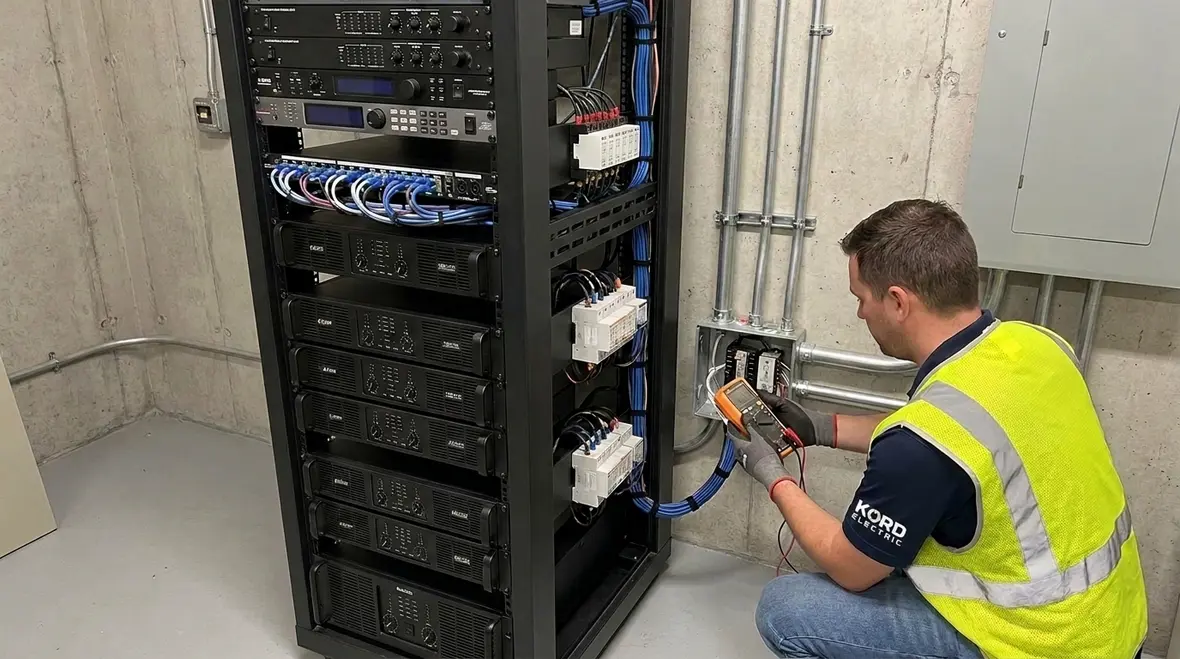
NFPA 70 Section 640.5 Audio Equipment Protection, Kord Electric
NFPA 70 Section 640.5 audio equipment protection: what Kord Electric helps commercial sites do right
In the first 100 to 150 words, we start where many projects stumble: NFPA 70 Section 640.5 audio equipment protection. In plain terms, it sets expectations for protecting audio equipment circuits from damage, faults, and unsafe conditions. And while that sounds like just another rule on a wall of paperwork, we at Kord Electric treat it like a safety baseline for the places that can not afford failures. We work with commercial and industrial facilities and major property buildings, so when our technicians explain the intent behind the NEC, they focus on real outcomes: fewer shutdowns, safer installations, and systems that behave when the unexpected shows up.
Now, if you have ever heard an office speaker system cut out during a meeting, you know the punchline. It is not funny for the client, and it is never funny for the electrician. So, we break down how NFPA 70 requirements connect to practical design, testing, and long term maintenance. Along the way, we also connect this focused topic to broader National Electrical Code context, including resources like What Is NFPA 70? Understanding the National Electrical Code, so facility leaders can see how audio protection fits into the larger safety picture.
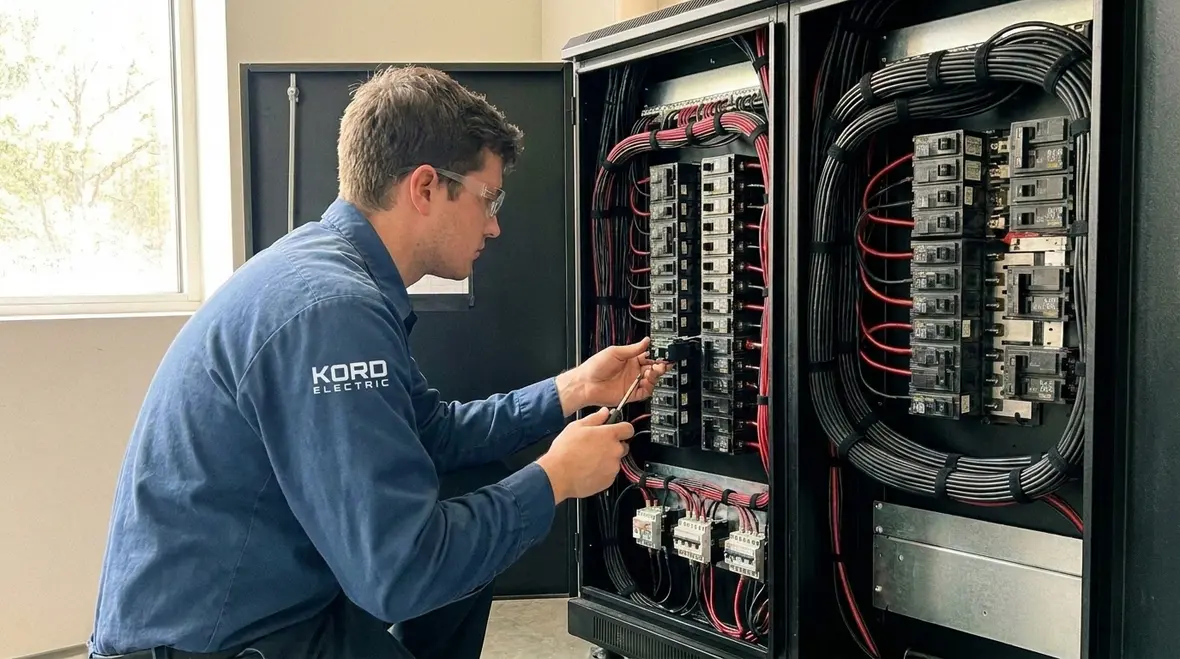
How the NEC shapes audio, power, and safety decisions on major buildings
To understand why 640.5 matters, we first connect it to the broader mission of NFPA 70: safe electrical design and installation. The NEC does not exist to make our lives harder. Instead, it aims to reduce shock risk, fire risk, and equipment damage risk. Consequently, when audio equipment circuits lack proper protection, the failure mode can spread, especially in buildings with dense wiring runs and shared electrical spaces.
At Kord Electric, our expert service staff explains it this way. Audio systems often look simple, but they rely on stable, protected power. If lightning, surges, equipment shorts, or installation errors occur, protection methods can limit the damage and keep the system operational or at least keep it from creating a hazard. This is the same risk reduction mindset we apply in other NEC focused work across major property buildings, where we align field decisions with the intent of NFPA 70, not just its text.
Furthermore, commercial and industrial sites often run on tight schedules, which means contractors need repeatable methods. That is why we align our planning with the NEC and we document what we did, so other teams can maintain the system without guesswork. For leaders who want to zoom out before zooming in on audio, resources like our NEC explainers and related Kord Fire materials help clarify how the code supports both everyday operations and emergency conditions.
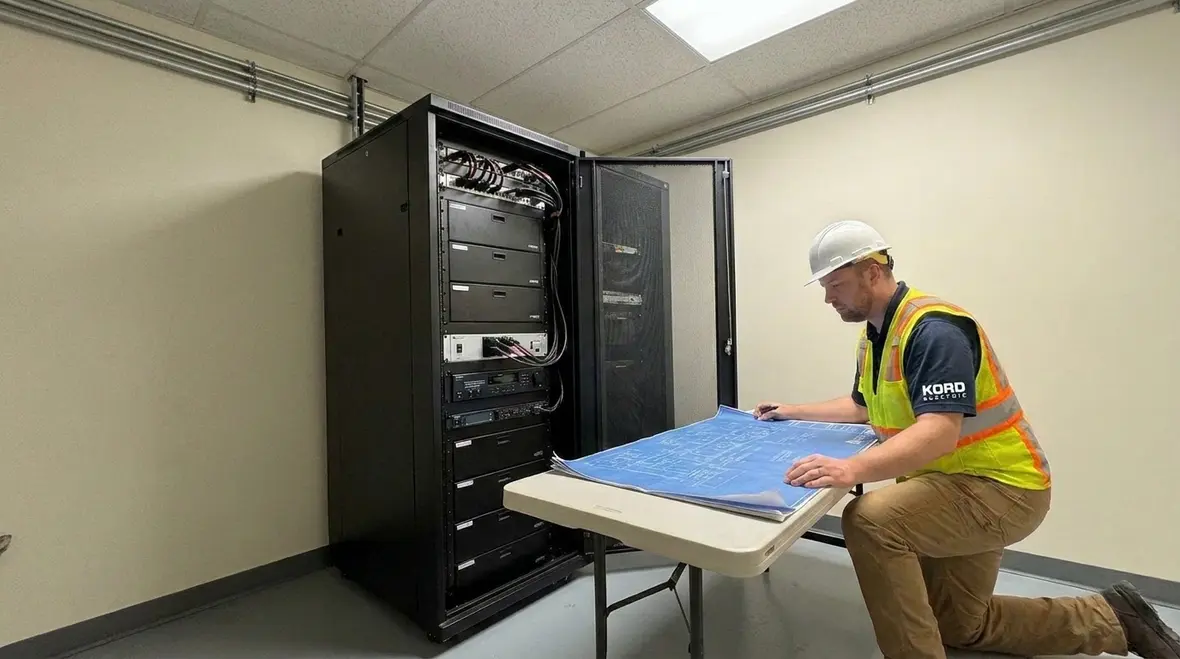
NFPA 70 Section 640.5 in practice: circuit protection that holds up
Let us go deeper, but still keep this grounded. NFPA 70 Section 640.5 audio equipment protection centers on preventing harm to audio equipment by requiring protection for circuits as the NEC intends. In real projects, this usually translates into coordinated protection planning, correct device selection, proper installation practices, and attention to how the audio system connects to power.
First, we evaluate what the audio system powers and how it distributes. Then, we match the protection method to the circuit behavior. Next, we confirm the installation details follow code, including wiring methods, separation, and secure terminations. Finally, we test and verify operation before we hand the system over, documenting the choices we made so future maintenance teams understand both the hardware and the logic behind it.
Our technicians explain the “why” behind the steps. If a circuit lacks adequate protection, equipment can fail prematurely. In addition, a failure can create a fire risk if conductors overheat or if faults persist longer than they should. Meanwhile, the whole point of audio protection is to protect the equipment and also protect people and property in the process. When we connect these decisions back to resources like our broader NEC guides and Kord Fire’s NFPA 70: All About the National Electrical Code (NEC) 2026, facility leaders see that audio protection is one more link in a larger safety chain.
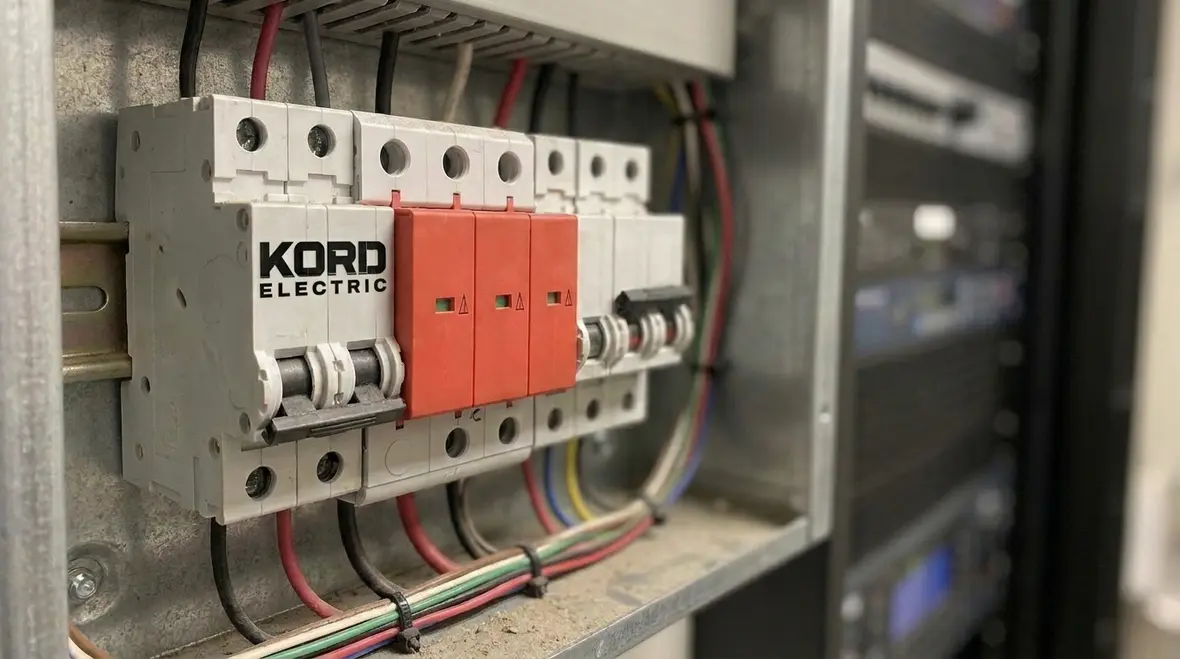
Surges, faults, and coordination: where audio protection becomes more than a checkbox
People often treat audio equipment protection like a single decision. However, in major buildings, it is a system decision. We consider the path from utility or panels through distribution, then into the audio system. As a result, coordination matters. The protection in one part of the circuit can not “ignore” what happens upstream or downstream.
So, when we support commercial and industrial facilities, we do not just pick a protection device and move on. Instead, we look for a protection chain that works as intended. For example, we consider how surge events and transient voltage can affect sensitive audio electronics. Then, we confirm that the protective approach aligns with equipment ratings and operating conditions, and we calibrate settings so nuisance trips do not disrupt events while still clearing faults quickly when something truly goes wrong.
Also, we remember that buildings do not run in perfect conditions. Power quality fluctuates. Maintenance happens. People plug in devices at the wrong time. Yes, we see that. It is like a Star Wars cameo that no one asked for. The protection strategy has to handle real world behavior, not only ideal lab conditions. That is why our surge planning and coordination work often ties into broader reliability initiatives that commercial owners pursue across panels, emergency power systems, and sensitive electronics.
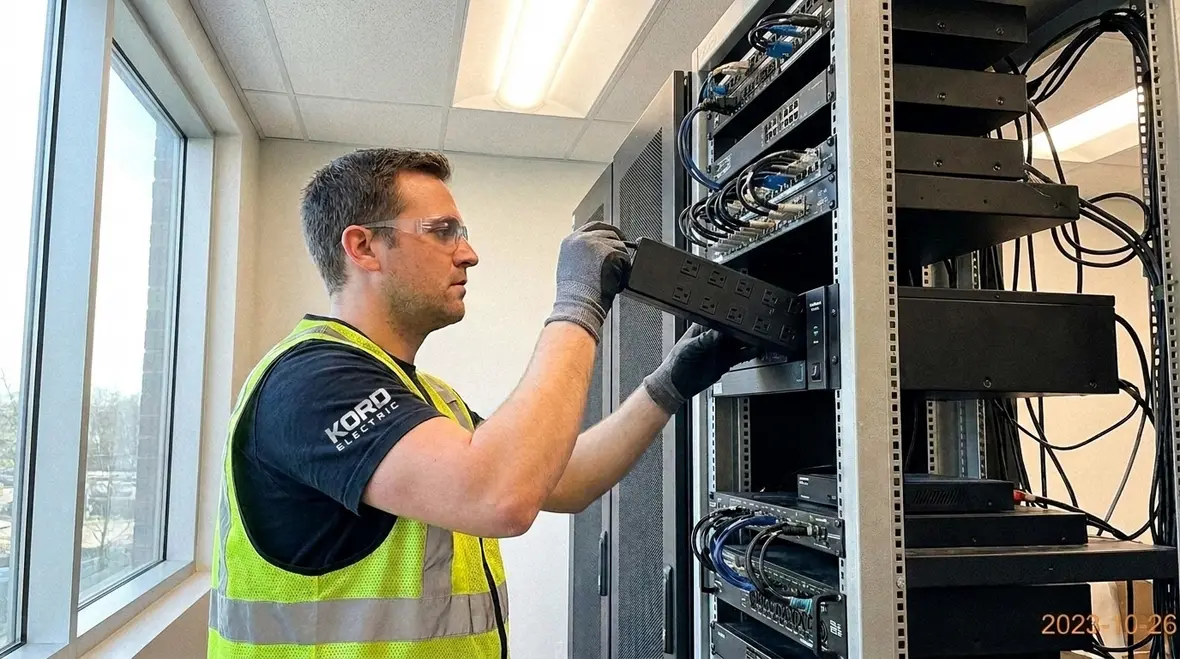
Design and installation steps our technicians follow on commercial projects
Next, we outline the workflow our expert service staff uses, because good code compliance depends on repeatable execution. Our process helps property teams avoid costly rework and keeps audio systems stable for events, daily operations, and long term service.
Step 1: Site assessment and system mapping
We identify equipment locations, wiring routes, power sources, and how audio circuits integrate into building infrastructure. Then we note any constraints like shared pathways, access limitations, or existing electrical limitations. In many cases, we also compare proposed layouts against NEC guidance discussed in our code education materials, so the very first sketches already lean toward compliant, maintainable designs.
Step 2: Protection planning
We plan the protection approach so it supports audio equipment protection goals and aligns with the NEC intent. We also coordinate with the rest of the electrical system so the protection behaves the same way in normal and fault conditions. That means checking short circuit and coordination studies where appropriate, confirming conductor sizes and overcurrent devices match, and aligning device settings with the realities of how your facility operates day to day.
Step 3: Correct wiring and terminations
We use proper wiring methods and we secure terminations. Tight connections matter. Poor connections can increase resistance and create heat. Over time, that can lead to performance problems or unsafe conditions. Our teams apply the same discipline they use on other NEC driven work, from section 110.14 connection quality to underground service conductor sizing, so audio circuits get the same level of care as other critical loads.
Step 4: Verification and documentation
Before closeout, we test and verify. Then we document the protection details and system configuration, so ongoing maintenance teams can service the equipment confidently. We label panels, note protection device types and settings where appropriate, and keep records organized with the same thoroughness we bring to other NEC related documentation for major properties.
In addition, we train facility teams on what to look for during routine checks. That way, the system does not depend on one person’s memory. It becomes part of the property’s managed maintenance routine. We highlight simple field indicators, like recurring breaker trips on audio circuits or unexplained system noise, as early warning signs that warrant closer electrical review.
Commissioning, inspection, and maintenance for long lasting reliability
Once installed, the code compliant work still needs follow through. We guide commercial owners and facility managers through commissioning and ongoing maintenance so the system stays reliable. Additionally, we work in a way that supports inspections and reduces delays.
Commissioning means verifying that protection devices, wiring, and system operation work correctly under expected conditions. Meanwhile, maintenance means watching for early warning signs such as unexpected trips, repeated fault events, abnormal noise, or equipment degradation. We connect these checks to the same disciplined mindset we use when supporting other NEC related services, so commissioning is not a one time event but a foundation for the system’s whole life cycle.
At Kord Electric, our expert service staff also helps clients connect electrical protection behavior to audio performance. If a circuit trips, the audio may go silent. So we do not treat audio failures as purely audio problems. We treat them as electrical system signals. That mindset saves time and avoids random part swapping that rarely fixes the root cause.
And if your building has fire related infrastructure, we coordinate with those teams as needed. Our relationships in the broader safety space help property managers align electrical and life safety systems without creating gaps. That includes drawing on resources from kordfire.com and educational partners at sites like firepumps.org, which emphasize how electrical, fire, and mechanical systems must cooperate when the building faces real incidents, not just routine days.
Common missteps we prevent in major property buildings
Now we talk about the errors we see, because preventing problems is often easier than fixing them. Many issues come from shortcuts that feel harmless at first, but they show up later during load changes, facility events, or inspections.
Misstep 1: Underestimating the sensitivity of audio electronics
Audio devices can be more affected by power disturbances than people expect. A small voltage sag or transient that barely bothers a motor load can knock a digital audio processor offline or freeze a networked amplifier. When that happens during a high profile event, everyone notices. We design protection with this sensitivity in mind, choosing surge devices, filtering, and circuit layouts that respect the reality of modern electronics.
Misstep 2: Choosing protection without coordination
Protection devices have to work as a team across the circuit path. When they do not, you get nuisance failures or delayed fault clearing. We see this when upstream devices trip when smaller downstream devices should have cleared first, or when coordination studies are skipped entirely. Our NEC disciplined approach treats audio circuits like any other significant load: coordinated, documented, and tested instead of “just protected.”
Misstep 3: Skipping documentation
When records are missing, maintenance becomes guesswork and service costs rise. Technicians end up tracing circuits under pressure, and the temptation grows to “try something” instead of following a clear plan. We prevent this by building documentation into the scope from the start, then updating it when changes occur, the same way we do for other NEC focused services across our commercial and industrial portfolio.
Misstep 4: Treating installation quality as “good enough”
Loose terminations and improper wiring methods can quietly degrade performance. A system might sound fine on day one but develop crackling, dropouts, or unexplained equipment failures a year later. By then, the original shortcuts are long forgotten. Our teams hold audio circuit work to the same installation standards we use on feeders, services, and life safety circuits, because the physics of heat and contact resistance do not care whether the load is a speaker or a pump.
To keep projects smooth, we follow a plan and we communicate clearly. That is also why we keep the scope focused on commercial and industrial facilities and major property buildings. Those projects need a higher standard, and we deliver it consistently.
Helpful comparison of NEC guidance across related safety topics
Because electrical safety does not live in one place, we connect the NEC approach to other safety focused systems and guidance. The team at Kord Fire and the broader safety community reinforce the same theme: proper protection and correct installation decisions reduce risk. And while Kord Fire and the resources from fire service organizations focus on fire system needs, many electrical principles overlap in the real world.
Here is how we think about it for major buildings. Audio equipment relies on protected circuits. Fire and life safety rely on reliable power and correct protection behavior. Therefore, our electrical work supports the bigger safety picture, not just the audio system. If you want to explore related resources, we point teams toward guidance like Kord Fire materials and fire service education resources including FirePumps materials, because they help leaders understand how systems behave together.
Also, if you want more NEC background for 2026 level planning, we recommend reviewing NEC explained resources from our blog and safety related materials available on our sites. We make sure our field work matches the intent, not just the surface text. Pairing this article with the Kord Electric guide Understanding NFPA 70, the National Electrical Code Explained for 2026 helps facility leaders connect section level requirements like NFPA 70 Section 640.5 audio equipment protection to the larger structure of the code.
FAQ
Call Kord Electric for NEC aligned audio protection
If you are responsible for electrical systems in a commercial or industrial facility, do not leave audio protection to luck. We at Kord Electric plan, install, and verify NFPA 70 audio equipment protection with care, clear documentation, and field experience. Our technicians explain the “why” during the process, so your team understands what is protected and how it is maintained. Contact us to review your current design or to support new build and retrofit work. We keep systems reliable, safe, and ready for the next event.
For facilities in regions with detailed expectations, including those covered by dedicated Los Angeles County electrical services requirements, our NEC focused planning and documentation help projects move smoothly from design through inspection. When you combine that discipline with a clear understanding of NFPA 70 Section 640.5 audio equipment protection, your audio systems stop being a weak link and start behaving like the dependable infrastructure your building actually needs.
If you want to learn more before we visit your site, you can also review our code education resources such as the NEC overview on our blog and related guidance from Kord Fire. These materials explain how NFPA 70 shapes everyday choices, from feeder sizing and connection quality to specialized topics like audio equipment protection under Section 640.5. Then, when our technicians step into your electrical room, everyone is speaking the same safety language.


