
NFPA 70 Section 646.6 IT Nameplate Data for Safe Installs
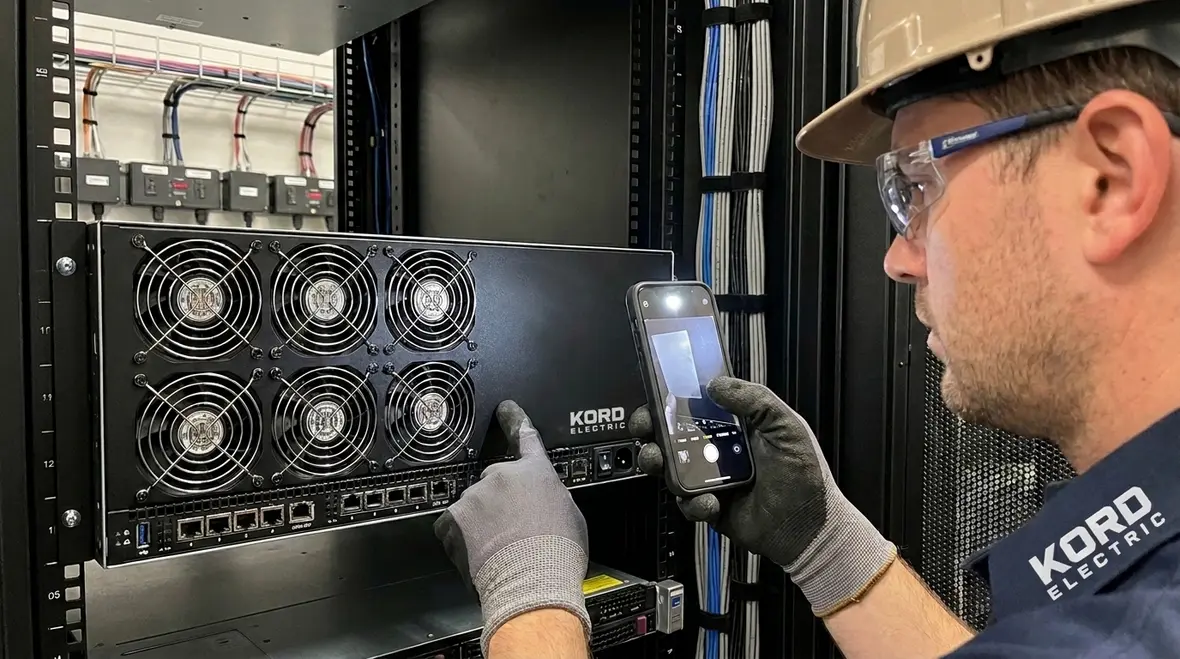
Kord Electric helps commercial and industrial teams keep power systems safe, reliable, and code aligned. In our work, we often start with a simple truth: the equipment label tells part of the story before a single wire gets touched. For example, the NFPA 70 Section 646.6 IT nameplate data guides how the IT equipment should be identified, including key details like the rated voltage, frequency, and other nameplate items that affect proper installation and system behavior. Then, we connect that label information to real jobsite decisions, from design assumptions to inspection readiness. If you have ever stared at a panel label like it is in a spy movie, you are not alone. We calmly translate what the label means, why it matters, and how our technicians handle it in the field.
Why NFPA 70 matters for commercial power systems
When facilities run 24 hours a day, safety and uptime stop being “nice to have.” They become the entire business plan. NFPA 70, also known as the National Electrical Code (NEC), sets practical rules that reduce shock risk, prevent fire hazards, and improve system coordination. However, codes are not just paperwork; they affect how conductors are sized, how grounding is built, and how circuits get protected.
Our expert service staff at Kord Electric explains these requirements in clear terms, because a good installation survives real conditions: heat, vibration, load changes, and the occasional “we added a new tenant last week” surprise. Therefore, we look beyond the minimum rule and we verify the intent. The goal is simple: when someone flips a switch, the facility should respond the way the design team expected, not like a plot twist from a sitcom.
What Section 646.6 IT nameplate data actually tells us
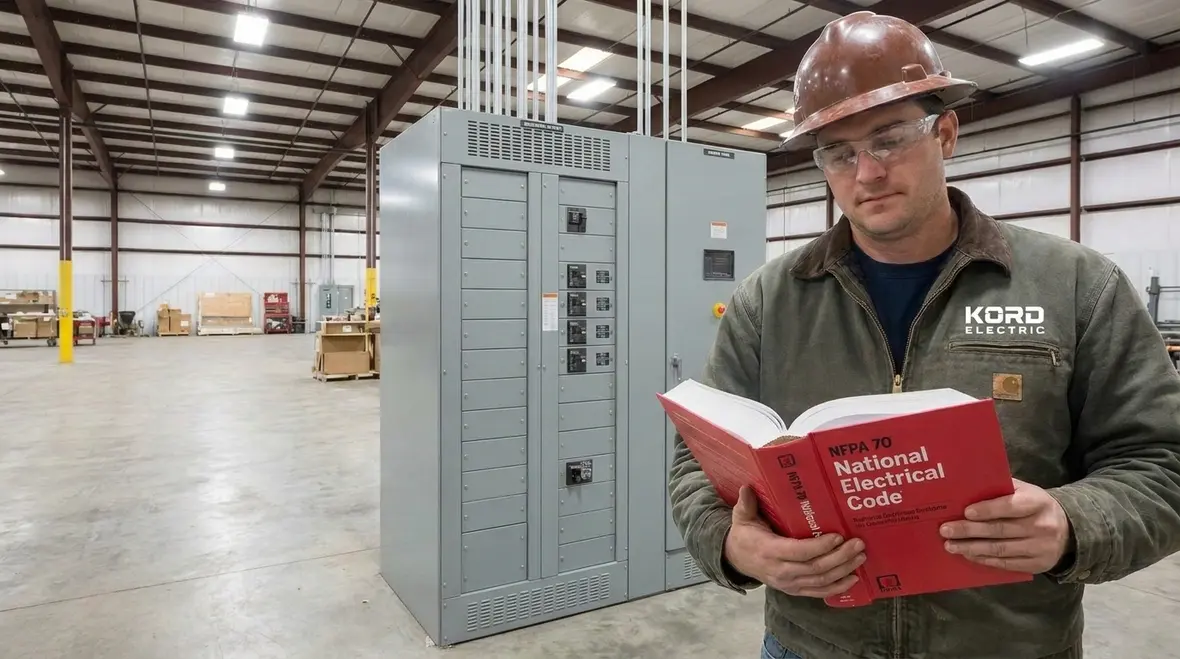
Section 646.6 focuses on how IT equipment gets identified so installers, inspectors, and maintenance teams can make correct decisions. Specifically, the NFPA 70 Section 646.6 IT nameplate data supports the practical steps that follow: matching equipment to the system configuration, confirming rated values, and ensuring the installation aligns with the equipment’s intended use.
In our technician-led reviews, we treat nameplate data like a map. If the rated information does not match the facility’s distribution or grounding plan, then we do not guess. Instead, we stop, clarify the design intent, and correct the install path before it becomes an expensive problem. Moreover, we help teams understand that the label is not decoration. It is part of how the code expects you to maintain safe operation throughout the system life.
And yes, we know the label can feel like alphabet soup. Yet once our technicians explain the key items and link them to installation decisions, the confusion usually evaporates faster than a “limited time offer” at the end of the day.
How the NEC shapes safe grounding and protection
Grounding and protection are where theory becomes safety. Since commercial and industrial buildings often include sensitive loads, redundant systems, and complex distribution, the grounding strategy needs to stay consistent across design, installation, and testing. Therefore, NFPA 70 concepts influence how equipment gets connected, how fault currents get managed, and how protective devices respond.
When we service major property buildings, we also consider how staff operate the system. For example, if maintenance teams swap components, they need to understand what protective behavior is expected. So our technicians document what they verify and why. Next, they align field results with the equipment nameplate and the code-based installation method.
In plain terms, we help ensure that protection works the way it should, not the way it happened to last time. After all, a protection device that “kind of trips” is like a smoke alarm that only works when you are already awake. It is not protection. It is a rumor.
Field practices we use in commercial and industrial installs
We do not treat code compliance like a check-the-box exercise. Instead, we build a repeatable field process that supports safe outcomes and inspection success. First, our team verifies design intent against the equipment provided. Then, we confirm that NFPA 70 Section 646.6 IT nameplate data aligns with what the electrical system expects in that space.
After that, we focus on installation details that drive long-term reliability. We check termination quality, routing, labeling, and separation of circuits where required. We also test and document results so that operations teams can understand system behavior later.
To keep our clients confident, we explain findings in plain language. Our technicians tell you what they found, what it means, and what we recommend. In other words, we bring the “why” along with the “what.” That approach matters in commercial and industrial facilities where downtime costs real money and confusion becomes a safety risk.
Coordination with inspection, documentation, and upgrades
Commercial and industrial facilities evolve. Tenants change, processes expand, and sometimes the electrical system becomes a patchwork of well-meant shortcuts from years ago. Therefore, coordination becomes essential. Our teams help clients plan upgrades so that new work fits the existing system and stays consistent with current code requirements.
When we work with major property buildings, we also pay attention to documentation. Clear records support future maintenance, faster troubleshooting, and safer changes. As a result, we capture what we verify and we connect it to the code-driven expectations that apply to that installation type.
Just like a good maintenance manual, our documentation keeps the next technician from starting over from scratch. And if you think that never happens, we respect your optimism. We see the real world. People do forget. Then they call us. We fix it, we explain it, and we move forward.
Building a safer IT and electrical environment
Facilities with IT and power-sensitive loads need an installation approach that accounts for behavior under normal operation and under fault conditions. The code frameworks we follow support that goal by tying equipment identification, system installation steps, and protective design together. In addition, proper understanding of nameplate details helps teams avoid mismatches that can create unsafe conditions or nuisance faults.
We also help clients align their internal processes. For example, we support training for facility teams so they can interpret basic equipment labeling and understand what actions matter most. Our expert service staff explains these topics carefully because the best safety plan includes both hardware and habits.
When you run a major property building, you do not need chaos. You need predictable system behavior. Therefore, our work supports a safer environment for staff, tenants, and visitors while keeping the power system responsive and reliable.
NFPA 70 guidance and resources from our extended network
Code references can feel scattered when teams search across the internet. That is why we point clients to trusted guidance and industry resources that discuss the National Electrical Code from a practical perspective. For example, we share insights drawn from our own educational materials and industry resources, including content focused on NFPA 70 and related safety topics. We also stay connected with fire-focused knowledge and building safety discussions, because electrical safety and fire safety travel together.
For facility teams who want a deeper dive into the code landscape, we reference long-form resources like our article on Understanding NFPA 70: The National Electrical Code Explained for 2026, which breaks down how major requirements show up in day-to-day installation and maintenance work. That context makes it easier to see how rules in NFPA 70, including sections like 646.6, link directly to the IT racks, panels, and distribution gear in your building.
When projects require deeper review, we help clients sort the information and translate it into field decisions. That translation step matters most for commercial and industrial facilities, where the cost of an error shows up in equipment damage, downtime, and compliance delays.
Featured FAQ
What does NFPA 70 cover?
It covers safe electrical design, installation, and protection practices for many facility types, including commercial and industrial systems.
What is Section 646.6 about?
It addresses requirements related to IT equipment identification, supporting correct installation and safe operation.
Why does IT nameplate data matter?
Because it helps confirm rated values and supports correct system matching, testing, and safe behavior under operation.
Do we need our team to understand the label?
Yes. Proper interpretation improves maintenance safety and reduces mistakes during upgrades or component replacements.
FAQ
Connecting NFPA 70 nameplate data to wider facility support
Nameplate details and NFPA 70 rules do not live in isolation. They tie directly into how facilities plan power, manage risk, and schedule service across a portfolio of buildings. At Kord Electric, we connect the dots by folding IT equipment identification, grounding strategy, and protection settings into broader planning conversations for commercial and industrial properties.
For example, when teams evaluate capital projects or infrastructure changes, we link the code and nameplate side of the discussion to larger reliability goals, maintenance programs, and emergency readiness. That includes coordinating with service offerings such as our dedicated Los Angeles County electrical services, so the same disciplined thinking applied at the nameplate level also supports feeder upgrades, panel replacements, and system expansions across the region.
By aligning NFPA 70 Section 646.6 IT nameplate data with design assumptions, inspection practices, and long-term asset planning, we help facility teams move away from one-off fixes and into a clearer lifecycle strategy for their power systems.
Final call to action
If you manage a commercial or industrial facility, you deserve electrical work that stays clear, safe, and code-aligned from start to finish. At Kord Electric, we use our technician-led expertise to connect equipment identification, grounding and protection, and field verification into one reliable process. If you are planning an upgrade or want a safer baseline for your IT and power environment, reach out to us today. We will review the details, explain the next steps, and help you move forward with confidence.


