
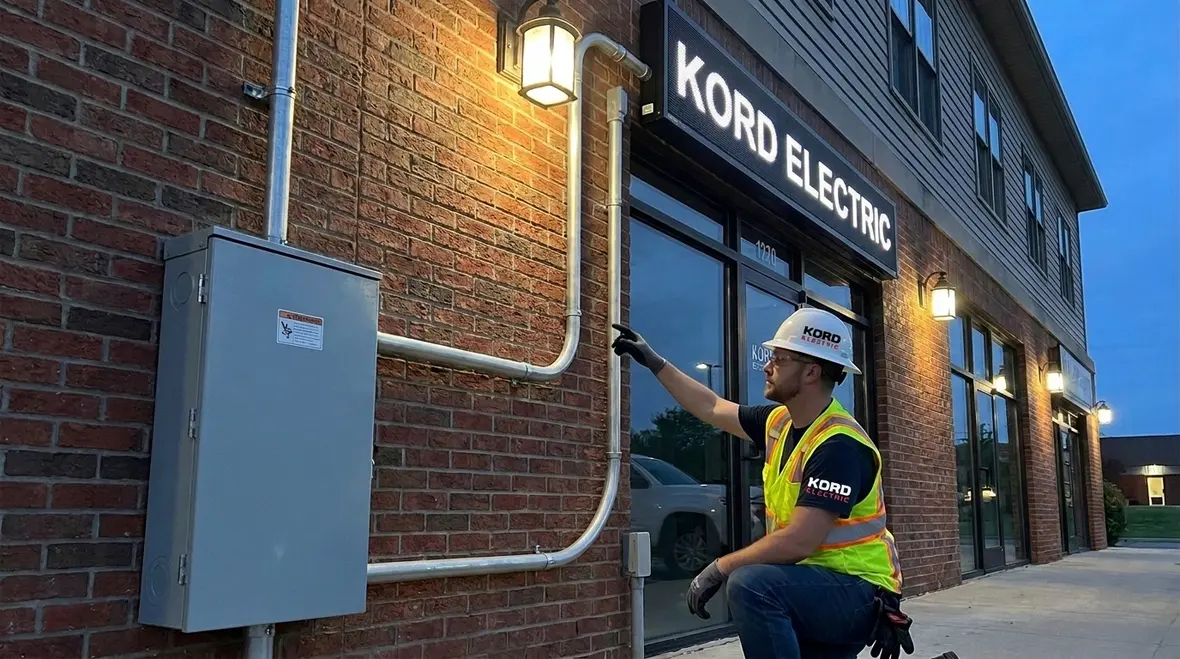
NFPA 70 Section 647.9 Sign Lighting Equipment Compliance
At Kord Electric, we help commercial and industrial facilities keep their electrical systems safe, code compliant, and ready for real world use. To do that, we start with the rules that guide modern installations, including NFPA 70 Section 647.9 sign lighting equipment. In the first place, sign lighting is not “just lights for a storefront.” It is an electrical system with specific wiring, support, and protection needs. Then again, when people ignore those needs, the results can be as dramatic as a movie scene where the hero tries to fix a live wire with a paperclip. We prefer the calm path: understand the code, and build it right.
In this article, we explain how the National Electrical Code works for major properties, what to look for during design and inspections, and how our technicians handle the details on site. We also bring in insights from resources we trust, including code focused articles from Kord Electric and Kord Fire, while keeping the focus on practical field work.
Why the National Electrical Code matters for major buildings
When others deal with home electrical projects, they often treat code as a set of “nice to have” guidelines. For commercial and industrial buildings, we see it differently. We use NFPA 70 as the baseline for safety, reliability, and liability protection. In other words, the code sets the minimum requirements that help prevent shock, fire, overheating, and equipment damage.
Moreover, large facilities rarely fail in one obvious way. Instead, they drift over time. A component gets replaced, the system gets extended, and suddenly the installation no longer matches the original assumptions. Therefore, we treat code compliance as an ongoing process. Our expert service staff checks how systems connect, how conductors route, and how protections match the loads.
What NFPA 70 Section 647.9 covers and why it is not optional
Let’s talk directly about NFPA 70 Section 647.9 sign lighting equipment. This section addresses electrical requirements for sign lighting installations. Specifically, it focuses on the design choices that support safe operation under common service conditions like weather exposure, vibration from mounting surfaces, and long daily run times.
Then again, people sometimes read this and think only the sign itself matters. But in practice, the sign lighting system includes the wiring method, disconnecting means where required, equipment spacing, and protection from damage. Also, the installation must support heat dissipation. If the wiring heats up, insulation ages faster, and that is when faults start showing up, often during peak demand.
Our technicians explain the core logic clearly. For example, they will walk facility managers through how the sign lighting circuits connect back to distribution, and how the installation style affects conductor temperature ratings and mechanical protection. As a result, the building operates more predictably, and the maintenance team gets fewer surprise issues.
How sign lighting ties into grounding, bonding, and protection
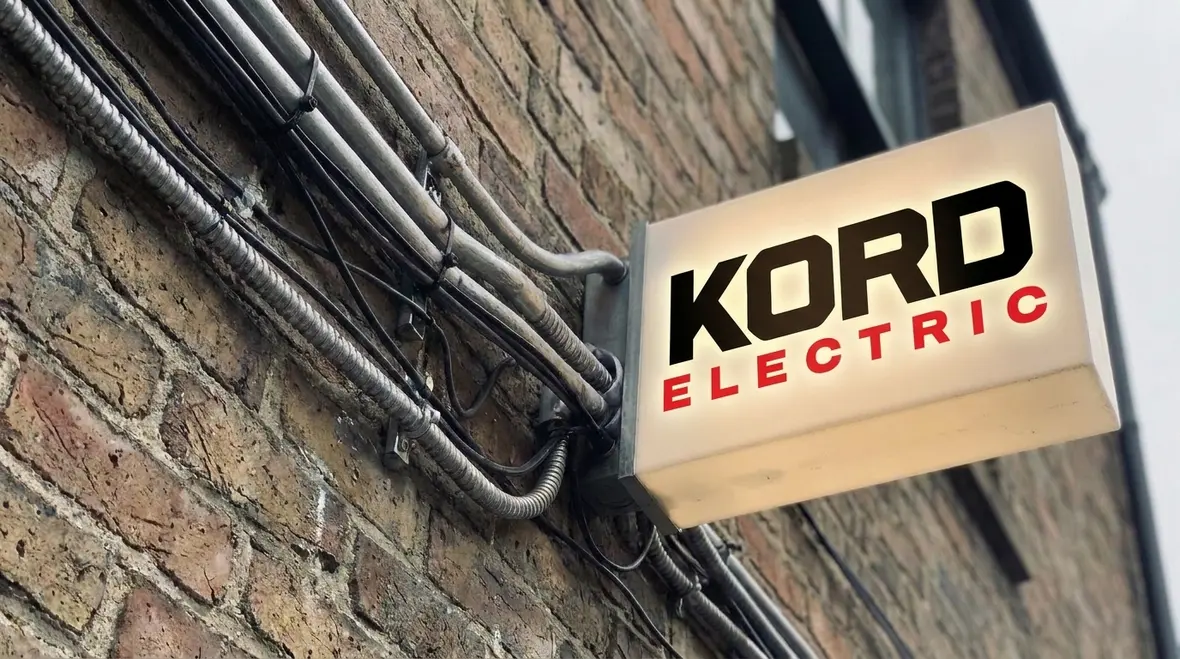
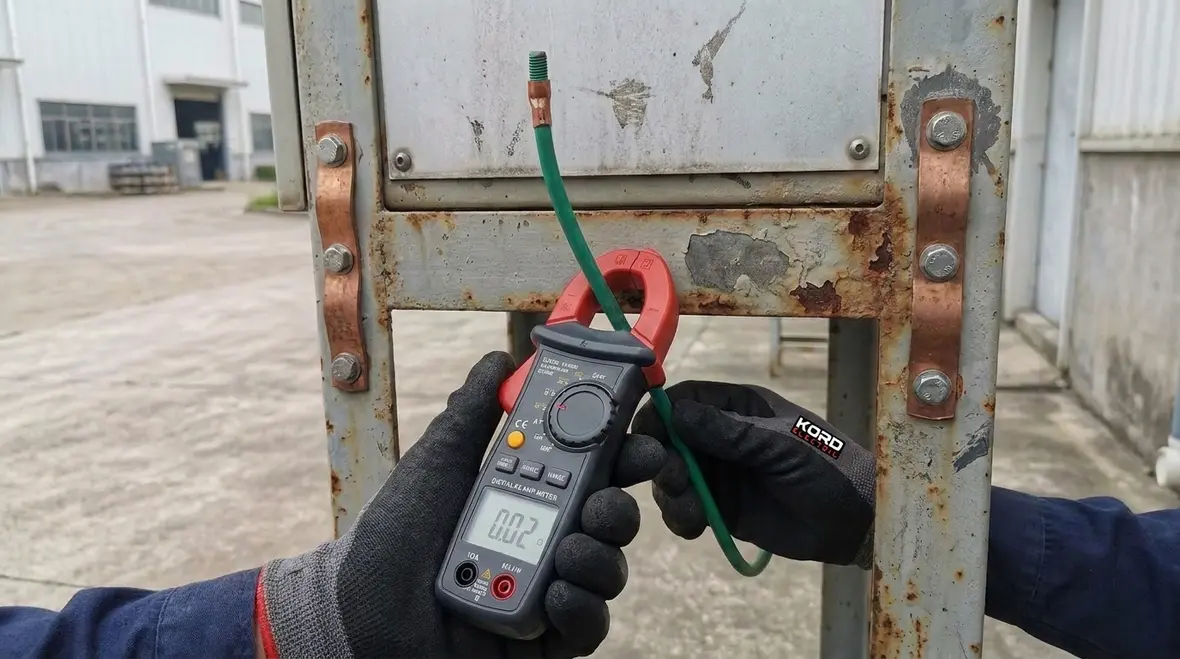
Electrical safety depends on how current returns and how faults get cleared. For sign lighting equipment, we treat grounding and bonding as a foundation, not a paperwork task. When a system lacks proper bonding paths, the metal parts of enclosures and mounting hardware can become unexpectedly energized. Then, when someone touches the wrong surface, the event can turn serious fast.
Additionally, protection devices must match the circuit design. If a circuit uses the wrong overcurrent device rating, it can fail to clear a fault. In that case, overheating continues until damage spreads. Therefore, during planning and installation, we verify conductor sizing, device compatibility, and the required characteristics of the sign lighting load.
Our expert service staff also pays attention to coordination. We want the fault to clear quickly without causing unnecessary outages. That is especially important for multi-tenant and high occupancy buildings where downtime becomes expensive in the real world.
Wiring methods, routing, and install quality in real facilities
Even when design documents look correct, field execution decides the outcome. Our team regularly sees problems created by shortcuts: cables pulled through sharp edges, missing bushings, poorly secured conduits, or wiring routed where it can be hit by routine maintenance. None of that stays hidden for long. Over time, repeated impacts and vibration loosen fittings, and then the system slowly loses performance.
For sign lighting, the wiring path matters. Outdoors or in semi exposed areas, we expect the installation to resist moisture, corrosion, and physical damage. Thus, we plan routing with the building’s actual workflow in mind. We consider where forklifts pass, where cleaning equipment moves, and where contractors place ladders.
Here is where our technicians help most. They explain to others on site why certain installation choices matter. For instance, they show how mechanical protection affects long term insulation health. Then, they confirm installation details that inspectors look for, such as secure connections, proper support, and correct sealing where required.

Inspection readiness for commercial and industrial electrical work
Facility owners do not want surprises. Neither do we. However, many projects stumble because documentation and verification lag behind installation. So we help build inspection readiness into the workflow from day one.
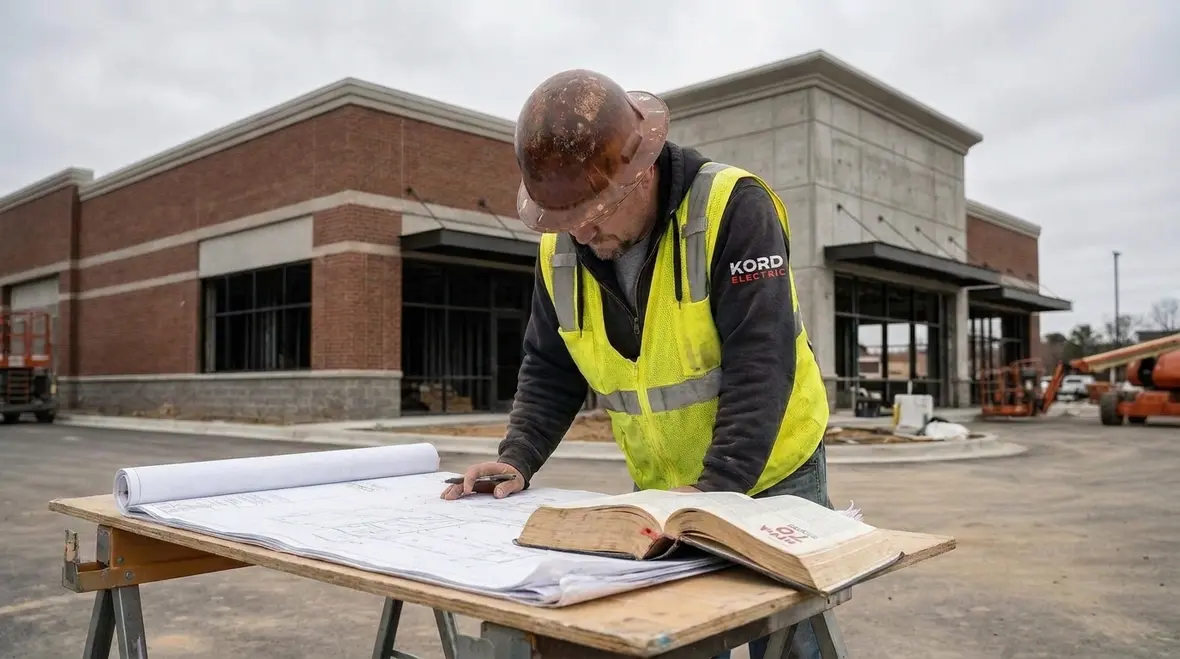
We begin with review. We compare the electrical design intent with what the drawings show, and then we confirm what the field team installs. Next, we check labeling, circuit identification, and the continuity of protective paths. Finally, we verify that sign lighting circuits connect correctly to the intended panel, with consistent labeling and clear separation from other loads.
And yes, inspections can feel like an awkward pop quiz. But when we prepare properly, it stops being a horror movie and becomes a routine procedure. We also coordinate with facility stakeholders so maintenance schedules do not clash with test windows. That means less downtime, fewer last minute call backs, and a smoother experience for building operations.
Common compliance gaps we see and how we fix them
We cannot fix what we cannot find. Therefore, our technicians look for patterns that show up across commercial and industrial sites. One common gap involves mismatch between equipment requirements and actual wiring practices. Another gap involves missing or incorrect protection against physical damage, especially where sign lighting runs through areas that receive routine contact.
Another recurring issue involves aging infrastructure. When buildings expand, additions often reuse older pathways. Yet those pathways may not match the current safety expectations. Consequently, the sign lighting circuits can end up connected in ways that do not align with the intended protection and conductor routing practices.
When we find these problems, we handle them with a clear plan. First, we document what is there. Next, we explain what the code intent demands in plain terms. Then, we update the installation method, conductor routing, or protective setup so the system matches current requirements. Our goal is not to create new work. Our goal is to make the system stable enough to run for years.
Connecting code guidance with vendor and fire safety realities
Electrical code does not exist in a vacuum. In commercial and industrial facilities, fire safety planning runs alongside electrical planning. That is why we also align our work with best practices you can find through code focused partners and guidance resources, including those shared by Kord Fire’s NFPA 70: All About The National Electrical Code (NEC) and fire safety communities like firepumps.org. Even when the exact topic differs, the principle stays the same: safety systems must work together.
So, when we plan sign lighting equipment installations, we consider how the electrical work supports emergency planning, protection coordination, and overall risk reduction. While sign lighting focuses on visibility and operation, the circuit behavior during fault conditions still impacts the building safety picture.
If you operate facilities that require careful coordination across electrical and fire systems, you already know the difference between “installed” and “reliable.” We focus on reliable. And that is a real competitive advantage when operations need stability.
How NFPA 70 resources support sign lighting planning
Because sign lighting circuits still live inside the broader NEC framework, we often connect facility teams with deeper code resources. Articles such as Understanding NFPA 70: The National Electrical Code Explained for 2026 from the Kord Electric blog help stakeholders see how specific sections, including NFPA 70 Section 647.9, fit into the rulebook as a whole.
When facility leaders understand that connection, they can plan upgrades, new sign installations, and future expansions with fewer last minute changes. Instead of reacting to each inspection comment, they work from a roadmap that already respects NEC limits on wiring methods, branch circuit behavior, and equipment protection.
FAQ about NFPA 70 sign lighting requirements
Teams responsible for commercial and industrial signs usually share the same concerns: where to start, how deep to go into the code, and what “good enough” really means when inspections enter the picture. To keep those questions organized, we group them into a quick reference that maintenance and operations staff can use as a starting point.
Of course, if you want a straight answer for your site, we can help you evaluate the installation. Our technicians bring practical experience and calm, careful explanations so others can make better decisions.
Call Kord Electric for code ready sign lighting work
If your facility needs sign lighting that meets NFPA 70 Section 647.9 sign lighting equipment expectations, we can help from planning through final verification. Kord Electric serves commercial and industrial properties, and we staff our work with technicians who explain details clearly, document what matters, and install with inspection readiness in mind.
For multi site portfolios or major properties, our team can also align sign lighting projects with other NFPA 70 driven priorities such as feeder sizing, conductor protection, and equipment examination. That integrated approach cuts down on duplicate work and keeps electrical and life safety systems moving in the same direction.
If you operate in Southern California, our Los Angeles County electrical services team can coordinate sign lighting work alongside broader distribution, panel, and upgrade projects, so your storefront visibility improves at the same time your core electrical infrastructure becomes more resilient.
Contact us for an on site assessment and a practical plan that reduces risk and downtime. Let’s make the lights dependable, not a surprise during your next inspection.


