
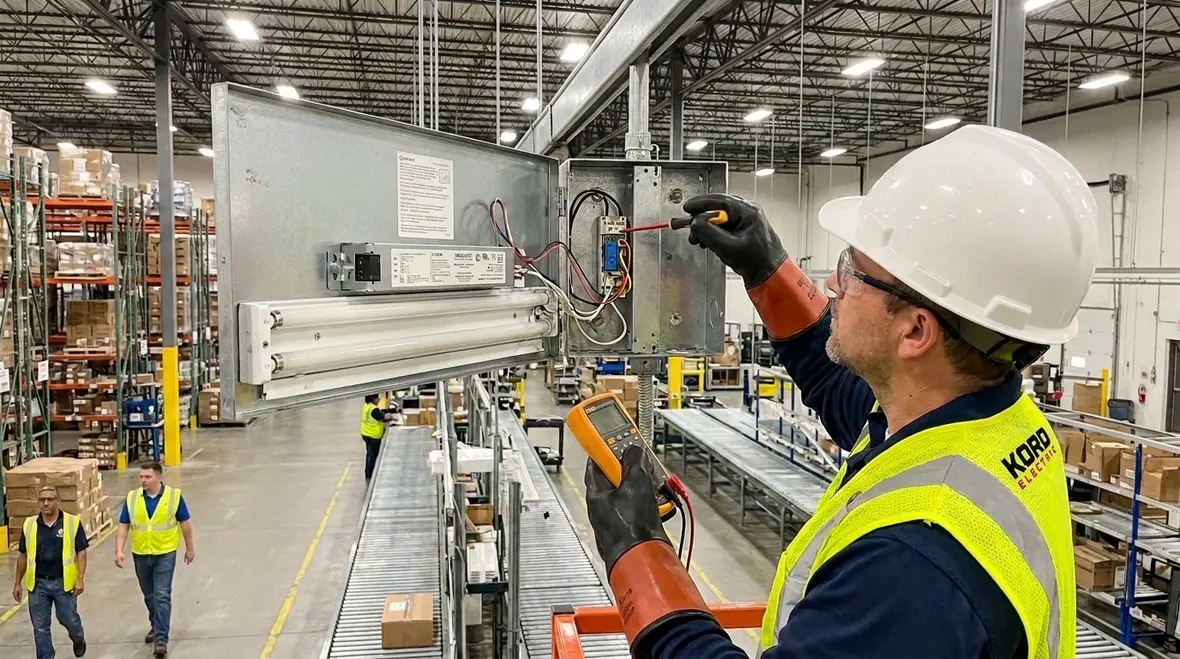
NFPA 70 Section 660.35 Discharge Lighting Ballasts
Kord Electric knows that discharge lighting systems can be reliable and safe when they follow the rules. That is why, early on, we focus on NFPA 70 Section 660.35 discharge lighting ballasts, especially where building owners and engineers need predictable performance. In plain terms, these requirements help ensure the ballast and related parts behave correctly and do not turn a maintenance plan into an all night “why is this flickering again” event.
And yes, we have heard the jokes. Someone always compares a ballast failure to a pop song ending right before the best chorus. Fortunately, our technicians and expert service staff do not guess. They verify, document, and explain the “why” so your facility stays compliant, safe, and operational.
In this article, we explain how the National Electrical Code is built for real life. We also connect the rules to what commercial and industrial facilities actually face, from inspection to ongoing service.
Why NFPA 70 still matters to commercial and industrial sites
People often treat electrical codes like boring paperwork that only inspectors read. In reality, NFPA 70 is a practical guide that shapes how equipment is installed, protected, and maintained. Therefore, when a building uses the right design and follows the correct installation steps, the site gains three things: fewer failures, clearer inspection results, and safer operations.
At Kord Electric, we support major property buildings and industrial customers who cannot afford long downtime. So we treat code compliance as a performance tool, not a box to check. When our technicians review plans, verify field conditions, and service systems, they keep the intent of NFPA 70 in mind: safe function under normal and abnormal conditions.
Also, code rules do not exist in a vacuum. They reflect tested practices, incident trends, and lessons learned over many cycles. As a result, even when technology changes, the code structure helps keep installations stable.

How our technicians connect code language to real field checks
When engineers and facilities teams ask, “What does this requirement mean here?” we answer with field logic. First, our expert service staff reads the electrical drawings and specifications. Then they compare them to what is on site: conduit runs, mounting methods, component ratings, wiring practices, and protection devices.
Next, we walk through the actual system behavior. Discharge lighting equipment can react differently based on ballast type, power feed quality, and environmental conditions. That is why we do not just look for “installed or not installed.” We look at whether the installation matches the requirement and whether the system can operate as intended.
For example, when NFPA 70 Section 660.35 discharge lighting ballasts applies, we help teams confirm that the chosen ballasts, wiring approach, and associated components are aligned with the rule. In many facilities, that means coordinating with controls, maintenance schedules, and replacement parts availability. Otherwise, someone will be hunting for the correct component like it is a rare vinyl pressing.
And because commercial and industrial buildings run on predictable uptime, we document our findings clearly. That documentation helps operations teams, electrical contractors, and inspection stakeholders move faster.
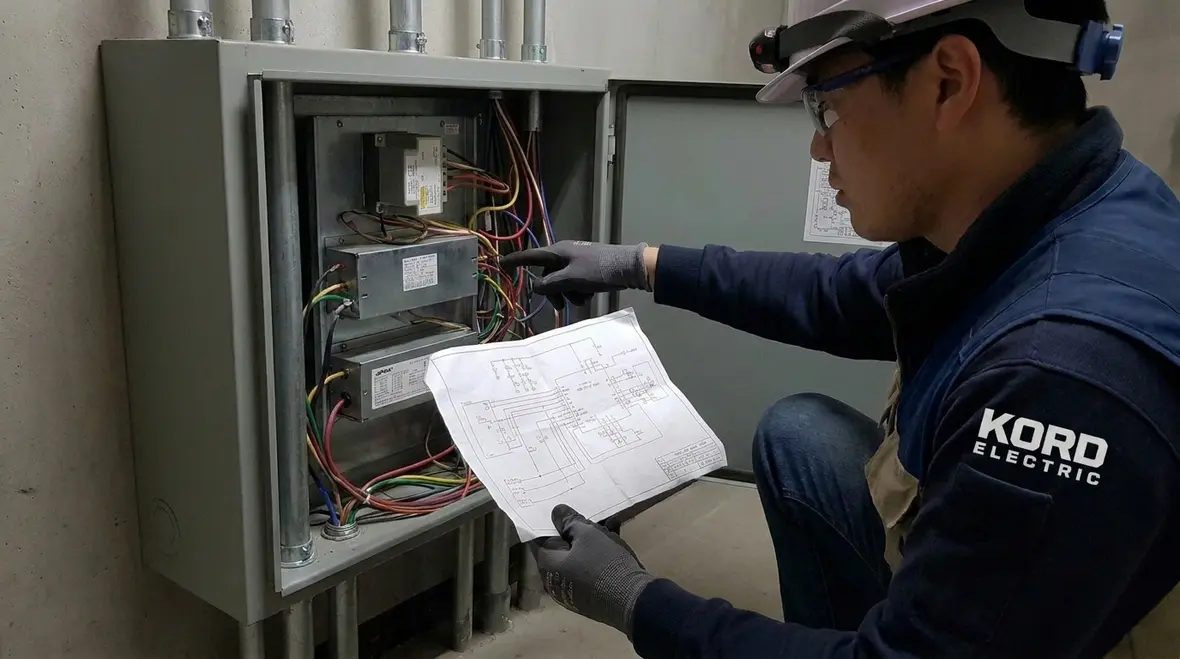
NFPA 70 Section 660.35 discharge lighting ballasts and what it protects
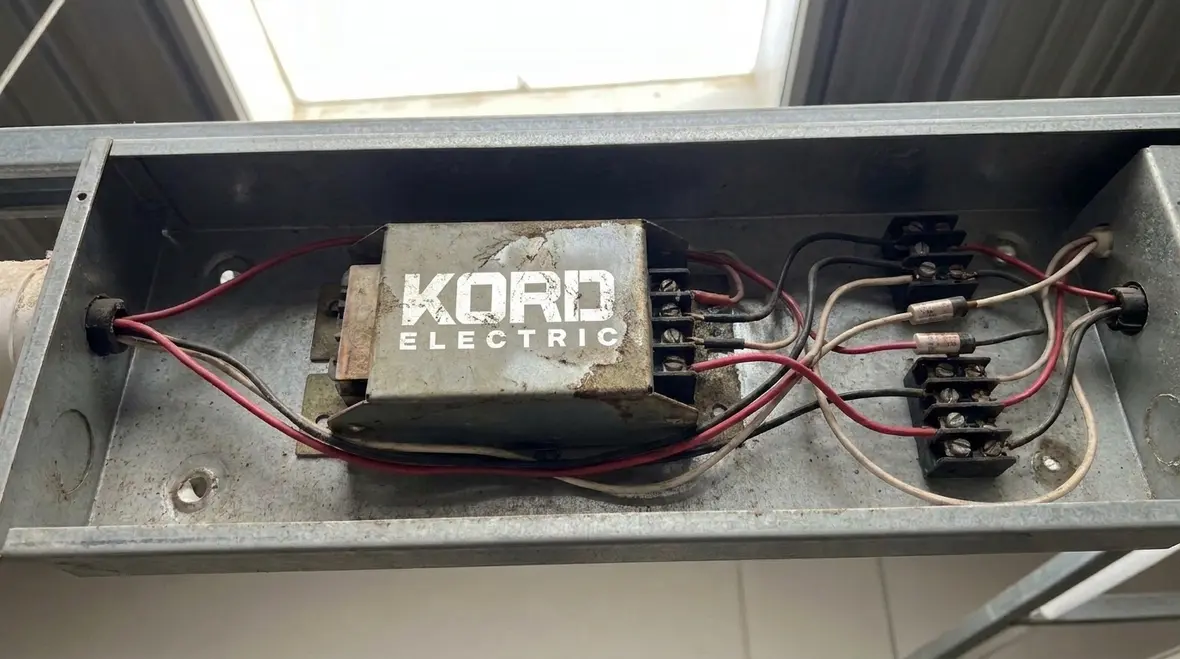
In the lighting world, discharge equipment can be dependable, but it needs the right safeguards. NFPA 70 Section 660.35 discharge lighting ballasts supports safe performance for the ballast portion of the system. It focuses on how these ballasts must function and what protections and construction choices help reduce hazards.
Importantly, we treat this section as part of a bigger system story. A ballast does not work alone. It relies on proper wiring, correct circuit protection, and correct installation environment. Therefore, facilities that only replace a failing component without checking the rest of the circuit often see the same issue return.
Our technicians also explain the most common failure paths we see in the field. For instance, if a ballast is exposed to improper temperature conditions, or if the installation details allow stress on wiring connections, reliability can drop. In addition, if the circuit protection does not match the design intent, equipment can experience repeated nuisance trips or degrade prematurely.
So, when we apply NFPA 70 Section 660.35 discharge lighting ballasts requirements, we look beyond the part number. We verify the conditions that allow correct operation. This approach reduces “surprise” service calls and helps your maintenance plan stay rational.
Common compliance pitfalls we prevent for large facilities
Commercial and industrial sites often share similar risks. Because the systems serve many tenants, multiple production zones, or high ceiling lighting, they also face more complex control and access challenges. As a result, small deviations can become big problems over time.
Here are issues our expert service staff frequently addresses during walkthroughs and service calls:
- Mismatch between design intent and field execution: drawings may specify one ballast type, but the field substitute can change behavior and compatibility.
- Improper wiring terminations: loose connections, wrong conductor type, or inadequate strain relief can cause heat and intermittent faults.
- Incorrect or missing protection coordination: circuit breakers and fuses must align with the electrical design so the system responds properly.
- Inadequate labeling and maintenance access: if the team cannot identify circuits quickly, troubleshooting turns into guesswork.
- Environmental exposure: moisture, dust, vibration, and heat can affect components even when the electrical design looks correct.
Now, a small joke belongs here. Sometimes a site manager tells us, “We will fix it later.” Later is great, until later becomes “after the inspection failed and the lights went out.” We prefer prevention, because it costs less than emergency work and because it keeps operations calm.
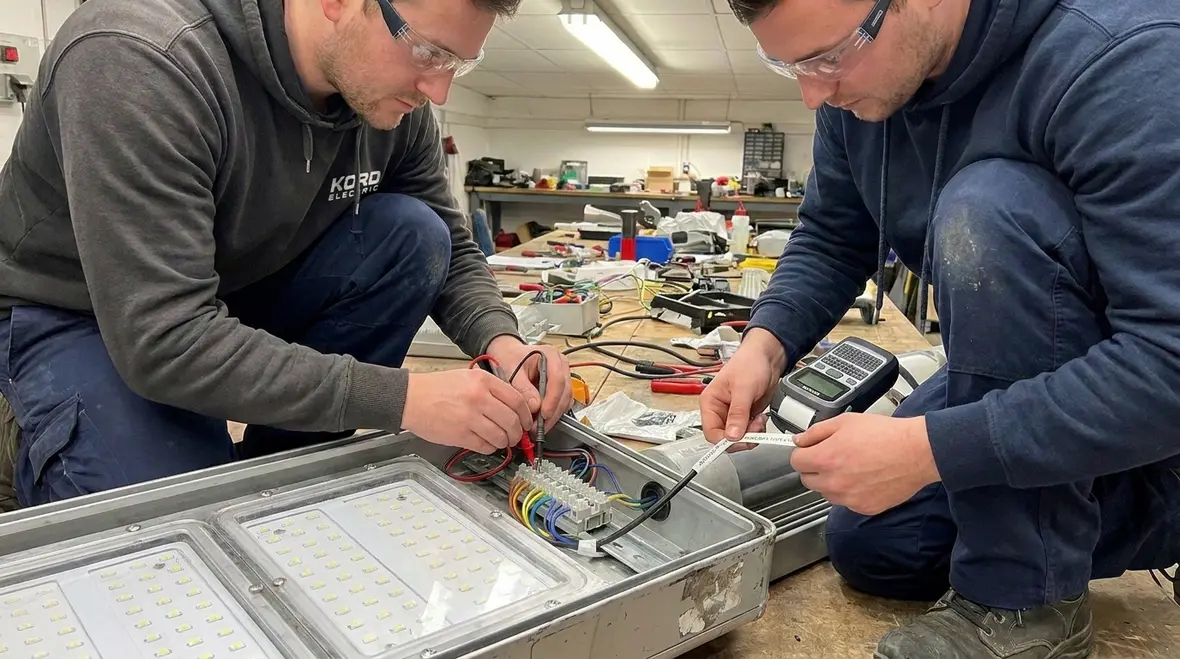
Connecting NEC practices to service, inspection, and long term reliability
At Kord Electric, we coordinate electrical work so it supports ongoing operations. That means we help facilities understand how NEC concepts affect both initial installation and future service.
First, we align the electrical plan with the actual equipment and the operating environment. Then we support the facility with service practices that keep systems stable. In other words, compliance helps you pass inspections, but good service helps you avoid repeat failures.
Next, we emphasize inspection readiness. Many major buildings use multi step maintenance cycles, and documentation matters. Therefore, our technicians keep notes that support the facility’s maintenance records, and we provide clear explanations of what we adjusted and why.
Finally, we plan for replacement. When a discharge lighting system needs a future swap, the best result comes from having the right ballast and related parts ready. This is where our expert service staff helps: we can guide replacement choices that fit the system and the applicable code intent, rather than forcing the facility into last minute substitutions.
For reference and broader guidance on the National Electrical Code topics, our team also draws from the resources shared across our web presence, including our Kord Electric and Kord Fire materials. For customers who want additional context on NFPA 70 basics and fire related electrical considerations, we encourage review of the relevant content at kordelectric.com and kordfire.com, and broader safety organizations such as firepumps.org.
If you want a deeper walk through of how NEC fits into your overall planning, you can also explore our companion guide Understanding NFPA 70: The National Electrical Code Explained for 2026, which connects high level NEC direction to everyday decisions in commercial and industrial projects.
How we roll out code based upgrades without disrupting operations
Large facilities run on schedules. If we install or adjust electrical equipment at the wrong time, we disrupt production, safety checks, and daily workflow. So, before any upgrade work, we plan carefully with the facility team.
Typically, we follow a workflow that balances speed with accuracy:
- Walkthrough and system mapping: our technicians identify the lighting circuits, equipment locations, and access limits.
- Review of applicable code requirements: we interpret the rule intent so field work matches the compliance goal.
- Coordination plan: we schedule work windows and confirm shutdown procedures when needed.
- Installation and verification: we test the circuit behavior and verify component connections and operation.
- Documentation and handoff: we provide clear records for the facility and maintenance teams.
This approach helps commercial and industrial customers keep their risk low and their downtime shorter. And while we are calm and business casual about it, our standards are firm. We do not treat code as a suggestion. We treat it as a baseline for safety.
For facilities in the region that need broader electrical support beyond lighting, our team also coordinates projects through our Los Angeles County electrical services, where discharge lighting work can align with distribution upgrades, panel changes, and related NEC driven improvements.
Summary: your lighting systems need more than power
Commercial and industrial lighting relies on the right electrical design, safe installation, and stable component behavior. When facilities apply NFPA 70 Section 660.35 discharge lighting ballasts guidance correctly, they reduce hazards, improve reliability, and support smoother inspection outcomes. Then, when our technicians back that up with careful verification, documentation, and service planning, the whole system becomes easier to maintain. At Kord Electric, we help major property buildings stay prepared, not surprised. If you want code aligned support for your discharge lighting and electrical systems, reach out to us today.
FAQ
Kord Electric supports major property buildings and commercial and industrial facilities that need practical compliance and reliable service. If you want a team that explains the “why,” verifies the details, and keeps your systems running, contact us for an assessment.
To explore more NEC focused topics that support your planning, you can also review related resources such as our NFPA 70 explainers on the Kord Electric and Kord Fire blogs, which connect section by section guidance to real world electrical and fire protection decisions.


