
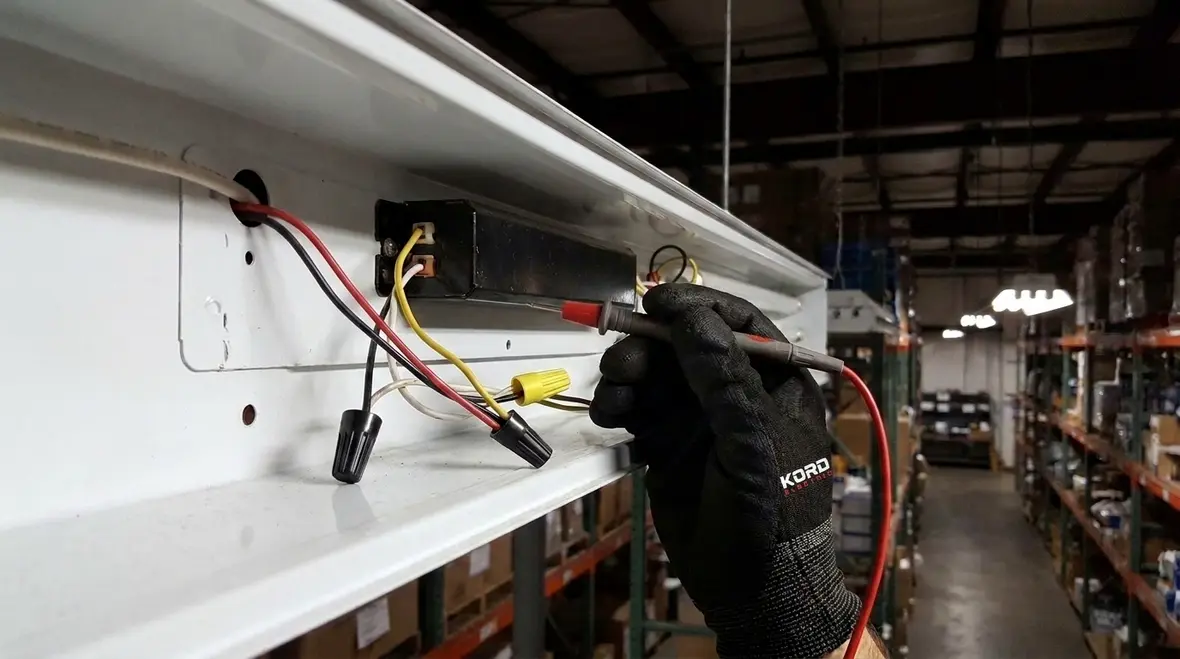
NFPA 70 Section 660.47 Magnetic Ballast Requirements
NFPA 70 Section 660.47 magnetic ballast requirements and what they mean for commercial lighting
In commercial and industrial facilities, we do not treat electrical rules like suggestions we can “circle back to.” We follow them because lighting systems touch safety, maintenance budgets, and compliance schedules all at once. Early on, we focus on NFPA 70 Section 660.47 magnetic ballast requirements, especially for equipment that uses magnetic ballasts. These rules guide construction, labeling, and installation so the ballast and connected components perform as intended under real conditions. In other words, the ballast has to behave, not just show up. And yes, we have seen plenty of “it worked last year” moments. Sooner or later, electricity collects its own receipts.
In this article, our team at Kord Electric walks through how the National Electrical Code fits into the bigger picture, what auditors and inspectors expect, and how our expert service staff supports your facility from design review to closeout. We also share how we align with current editions discussed in resources like our Kord Electric and Kord Fire articles, plus wider guidance for fire and life safety planning.
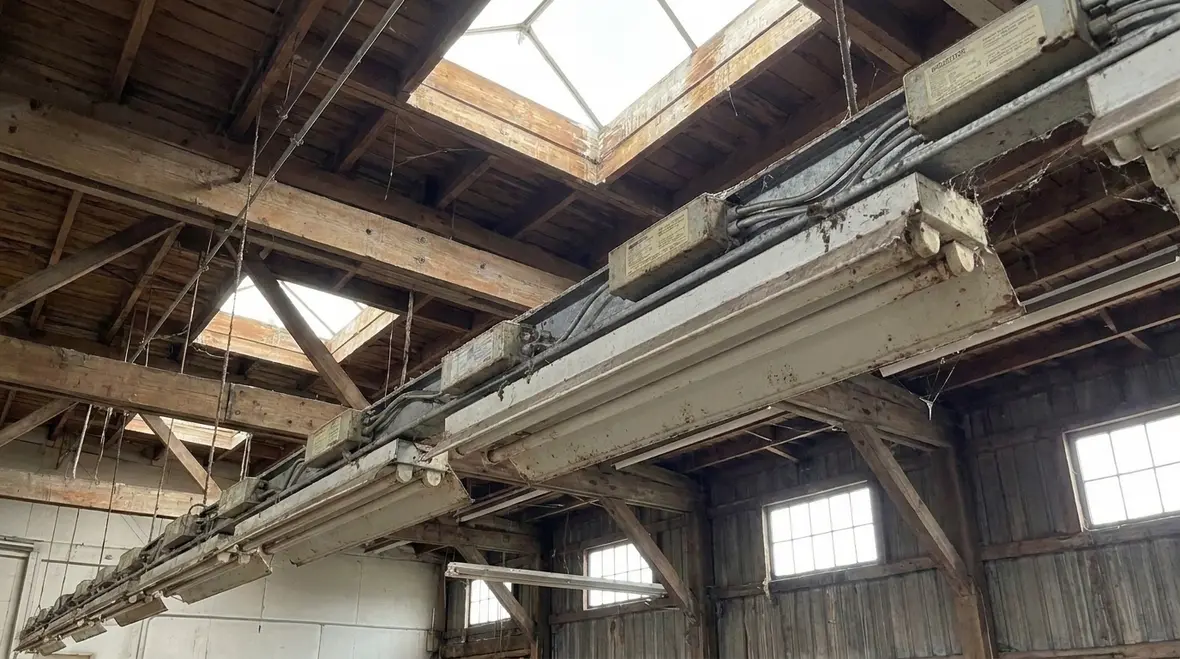
How NFPA 70 shapes electrical safety for major property buildings
NFPA 70, the National Electrical Code, sets practical rules for how electrical systems get built and installed. First, it targets hazards: shock, fire spread, overheating, and improper interconnections. Then it standardizes methods so your system works as designed, even when you add tenants, expand loads, or revise schedules. For commercial and industrial properties, that matters because your electrical system usually lives through changes. Therefore, code clarity reduces surprises during inspections, and it helps maintenance teams troubleshoot faster.
At Kord Electric, we explain code outcomes in plain terms. Our technicians and expert service staff review how the code applies to your specific building type, power distribution layout, and equipment list. We do not just quote text. Instead, we translate it into installation steps and documentation that stand up under scrutiny. If you have ever watched a fire alarm vendor explain their wiring with the confidence of a sitcom detective, you know how important clear explanations are. We bring the same confidence, minus the mystery.
Additionally, we connect electrical safety to life safety expectations. Our approach reflects how fire prevention guidance and electrical code work together, as highlighted across Kord Fire resources like NFPA 70: All About The National Electrical Code (NEC) 2026 and related planning work. When electrical work supports safe operation, the entire facility benefits.
For facility teams who want a deeper dive into the broader rulebook behind these ballast requirements, our sister article Understanding NFPA 70: The National Electrical Code Explained For 2026 outlines how the code structure, update cycles, and enforcement all fit into your day-to-day operations.
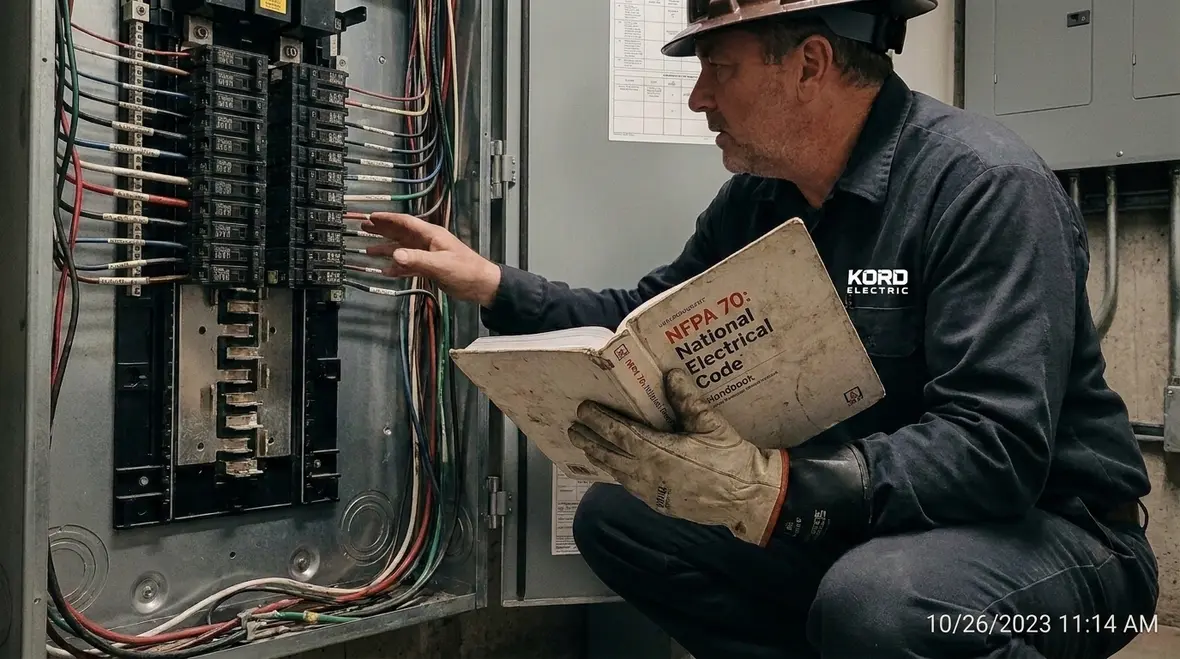
Where magnetic ballast rules show up in real installations
Magnetic ballasts often appear in lighting systems for warehouses, retail areas, parking structures, loading docks, and certain corridor fixtures. Because these systems can run for long hours, and because equipment ages, ballast compliance becomes more than a paperwork exercise. In practice, the NFPA 70 Section 660.47 magnetic ballast requirements connect to the way ballasts are built and installed, as well as how they integrate with conductors, enclosures, and luminaire components.
Now, our expert service staff pays attention to the “interfaces.” That means we check how the ballast connects to lamp holders, wiring compartments, and any protective devices. Then we verify that installation supports correct heat dissipation and secure terminations. After that, we confirm that labeling and identification match the equipment used on site. Many compliance issues come from mismatched parts, swapped components, or shortcuts made during maintenance. So, we help facilities avoid that by aligning documentation with the actual installed configuration.
Also, we treat lighting upgrades as system projects. If a facility changes lamps, adds occupancy sensors, or modifies controls, the electrical environment shifts. Even small changes can alter current draw, switching behavior, and heat conditions. Therefore, we review the full circuit path, not only the ballast itself.
Building inspection readiness for commercial sites
Commercial and industrial facilities run on schedules, so we build inspection readiness into the workflow. First, we confirm code scope and edition expectations for your jurisdiction, since requirements can differ by adopted NEC cycle. Then we organize drawings, equipment submittals, and installation notes into a compliance-ready packet. While inspectors focus on what is installed, they also value consistent documentation. That consistency reduces friction and prevents delays.
Next, our technicians walk the job with a checklist that maps practical tasks to code intent. For example, we verify clearances, conductor routing, termination quality, and correct use of boxes and fittings where the code requires it. Additionally, we verify that any lighting-related components tied to ballast systems meet the conditions that support safe performance.
Finally, we conduct closeout steps that keep maintenance teams in the loop. We provide clear labeling guidance and explain what to look for during routine inspections. After all, the best code compliance is the kind your staff can maintain without guessing. If you have ever asked a question like “who wired this last time,” you know why this matters. Our goal is to make that conversation shorter and calmer.
Common compliance gaps we see in large property electrical work
Even with experienced contractors, certain gaps repeat. We address these patterns because they cost time and money. First, mismatched components show up when a facility replaces ballasts or lamps without verifying compatibility. Then, there are installation details: loose terminations, incorrect support, poor enclosure practices, and routing that conflicts with heat management. Also, labeling gets overlooked, especially when maintenance crews swap parts quickly.
Another frequent issue relates to documentation gaps. A job can look correct on day one, but if the drawings and submittals do not match the installed reality, inspections slow down. Therefore, we encourage facilities to treat “as-built” updates as a normal part of the work, not a last-minute panic sprint. Our expert service staff explains what changes require updates and how to keep records aligned.
Lastly, some facilities treat lighting systems as stand alone. However, code compliance connects lighting to the circuit setup and control methods. So, if you add new occupancy controls or retrofit fixtures, you need a fresh review of how the system behaves. That is where our team helps. We review electrical pathways and verify that the system remains consistent with code-driven safety goals.
If you are planning larger system changes, our piece on Electrical Load Balancing for Commercial Power Reliability shows how upstream distribution decisions can quietly influence lighting behavior, nuisance trips, and long-term ballast performance.
Safe upgrades: how we handle lighting changes without creating new risks
When a commercial or industrial facility plans a lighting retrofit, we treat it like a controlled transition. First, we assess the existing electrical conditions. Then we review the planned equipment list and confirm how each component interacts with the circuit. After that, our technicians confirm wiring practices, support methods, and enclosure use so the installation supports safe long term operation.
Next, we evaluate controls. Many facilities add dimming, switching schedules, or occupancy sensors. As a result, the electrical behavior changes and can influence component performance. Therefore, we validate that the full system functions safely under real duty cycles. If your facility runs lights for long stretches, heat and cycling matter. If you run them in bursts, switching behavior matters too. Either way, we verify the system design rather than hope for the best.
Finally, we support closeout training. Our staff explains maintenance needs in simple terms, and we spell out what a routine check should confirm. We want your teams to spot early warning signs, such as abnormal heat or inconsistent performance. In a facility, prevention beats interruption. And unlike pop culture, electricity does not care if the plot needs a quick fix.
For teams exploring smarter control strategies alongside ballast-focused work, our guide to Commercial Automated Lighting Systems: Benefits, Controls & Energy Savings explains how automation, sensors, and scheduling can cut energy use while still respecting NFPA 70 requirements.
What facilities should ask before hiring an electrical team
Commercial owners and facility managers often ask us what to verify before work begins. We encourage questions that get to process, not just promises. For example, teams should explain how they interpret the applicable NEC edition and how they map code requirements to your installed plan. They should also show how they handle documentation and inspection readiness. In addition, a strong provider outlines how technicians will verify installation details in the field, not only in office drawings.
We also recommend asking how they handle lighting equipment changes over time. Because maintenance happens, the right approach includes compatible parts verification, clear labeling, and guidance on replacement practices. Our expert service staff works with our technicians to make sure the field experience guides the plan. That shared approach helps facilities avoid the common “install it, then figure it out later” trap.
Lastly, facilities should confirm that the team focuses on commercial and industrial buildings and major property structures. Our work at Kord Electric concentrates there because those environments demand careful planning, reliable documentation, and safe installation methods that support inspections and ongoing operations.
If your building is in Southern California, you can also align ballast and lighting work with broader distribution and maintenance planning by partnering with a provider that already understands the local environment. Our Los Angeles County electrical services for commercial and industrial facilities are built around that exact combination of code knowledge, field experience, and regional familiarity.
FAQ
Call Kord Electric for code aligned electrical work
If your facility needs lighting work, upgrades, or inspection ready documentation, we can help you get there without chaos. Kord Electric serves commercial and industrial properties with technicians and expert service staff who explain requirements clearly and verify installation details in the field. We help you align electrical design with NEC expectations, including the NFPA 70 Section 660.47 magnetic ballast requirements that protect long term performance. Reach out to us today, and let’s build a plan your maintenance team will thank you for later.
When you combine disciplined ballast installation, smart lighting controls, and reliable distribution planning, your building’s lighting stops being a recurring problem and becomes a predictable asset. Whether you are refreshing a few critical areas or undertaking a full retrofit, our team keeps the focus on safe wiring, clear documentation, and systems that behave as intended when your occupancies, schedules, and loads all shift in real time.


