
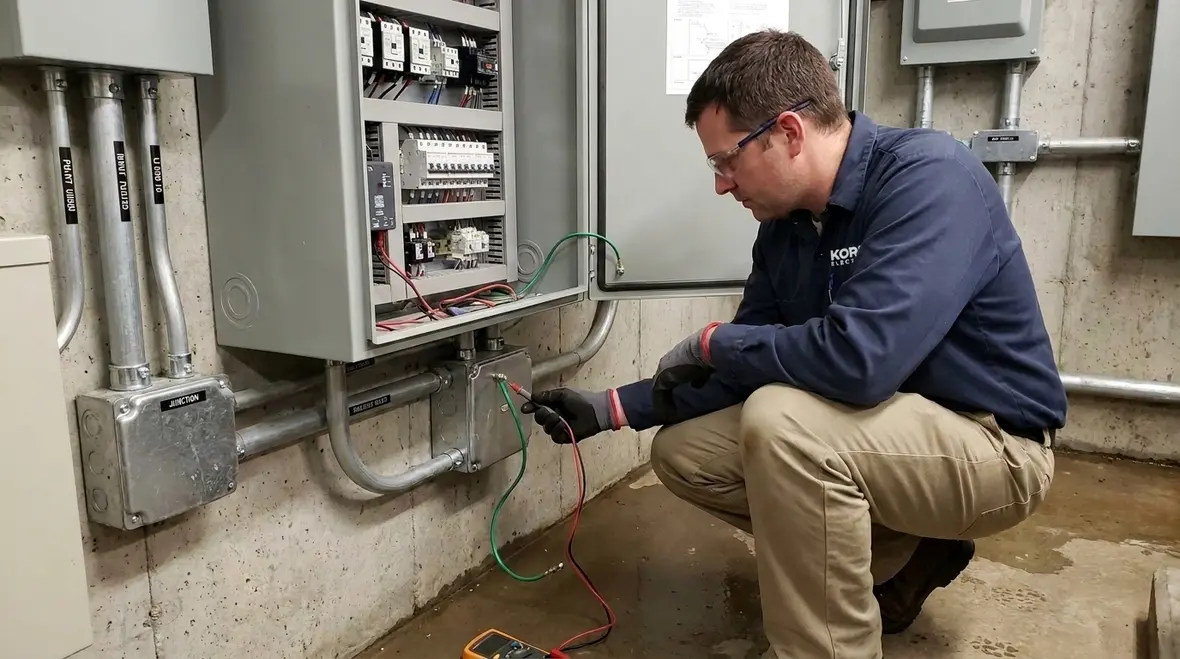
NFPA 70 Section 680.7 Pool Grounding Bonding
NFPA 70 Section 680.7 pool grounding bonding sits at the front of our minds when we help commercial and industrial facilities that include pools. Early in the job, our Kord Electric technicians verify how grounding and bonding work so electrical paths stay controlled, predictable, and safe. That matters because water changes the rules fast. In fact, if electricity had a sense of humor, it would take one look at a pool and say, “Alright, let’s see how brave you are.” We do not play that game. Instead, we follow the requirements in NFPA 70, and we explain the “why” in plain language while our expert service staff keeps the work organized and documented.
Why NFPA 70 matters for major buildings
Commercial and industrial facilities do not fail quietly. When something goes wrong, it becomes an incident, a downtime event, or both. That is why we treat NFPA 70 like a roadmap, not a suggestion. The National Electrical Code helps set minimum safety rules for wiring, equipment, and installation practices, and it reduces guesswork when crews work on complex systems.
For property managers, facility engineers, and electrical contractors on large sites, the key is consistency across departments, tenants, and phases of construction. We plan our work so electrical changes do not create surprise hazards later. Then, we coordinate with other trades because bonding and grounding often intersect with plumbing, pool equipment, and building steel.
And yes, we know people sometimes treat electrical compliance like a paperwork obstacle. However, we have seen the opposite. When you follow the code from the start, you spend less time chasing rework and less time explaining to leadership why a system has to shut down again. We keep it calm, controlled, and clear.
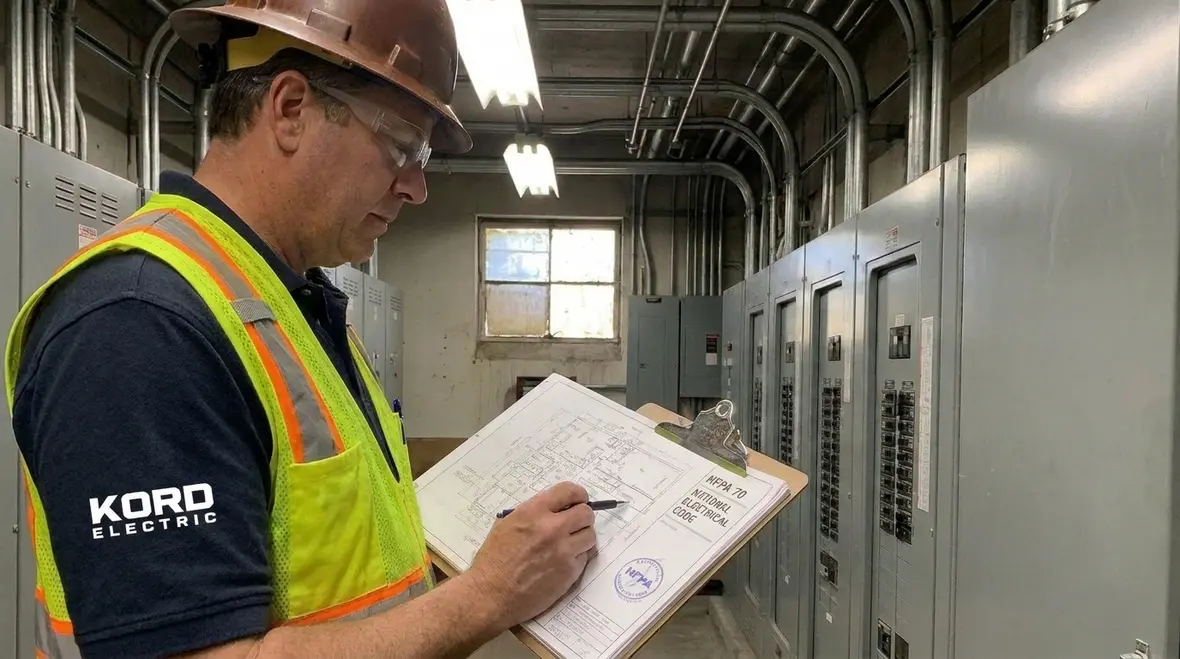
How pool electrical risks show up in real inspections
Pools bring more than water. They bring conductive surfaces, wet locations, and equipment that many teams touch daily. As a result, we expect higher risk factors around pool decks, pump rooms, and control panels.
In our experience, inspectors focus on three themes: bonding connections, grounding paths, and safe equipment placement. When those are unclear, they often find issues that seem small at first, like missing bonding conductors or an incomplete connection to metal parts. Yet those details can matter because they affect fault current paths and how protective devices respond.
We also watch for wiring practices that look fine on paper but do not meet the real-world layout. For example, a cable routing plan that ignores future access can lead to damage during maintenance. Then someone has to “fix it later,” which is code for “create a new problem.” Our technicians design the route and labeling early so ongoing service stays safe and efficient.
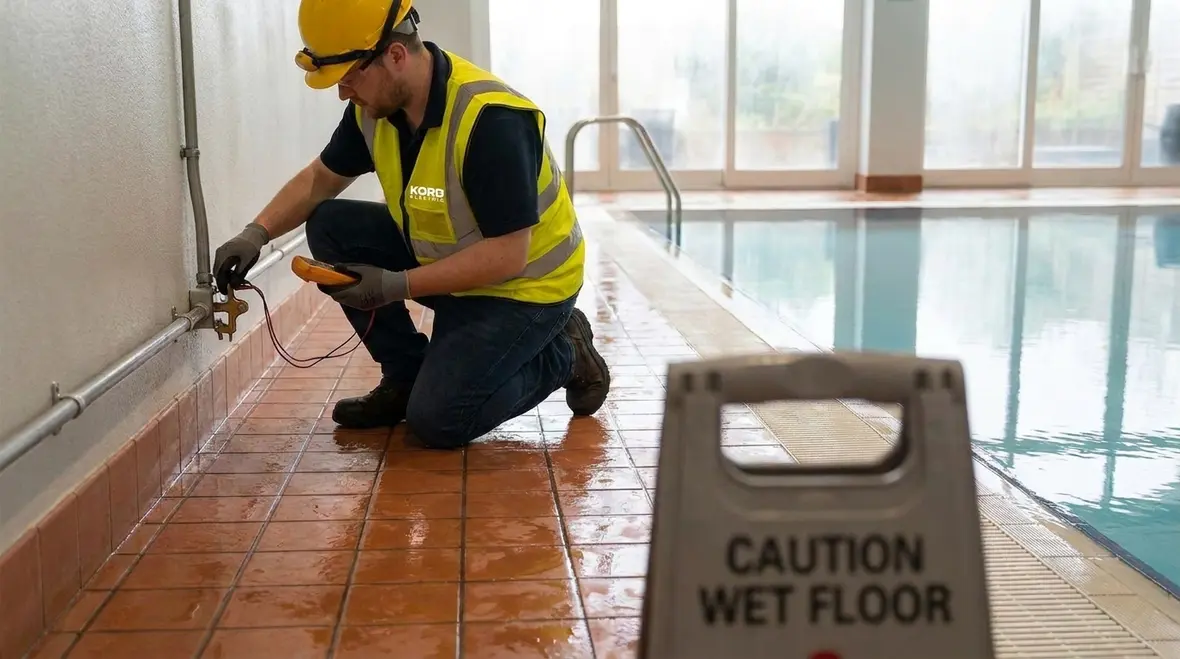
Demystifying NFPA 70 grounding and bonding basics
Grounding and bonding often get thrown into the same bucket, but they do different jobs. Bonding connects metal parts together so they remain at similar electrical potential. Grounding provides a path to the earth so protective devices can operate during faults.
When we work on pool-related electrical systems, we treat bonding and grounding as a coordinated network. We ensure metal piping, bonded parts, and equipment enclosures tie together correctly. Then we verify the grounding system supports safe fault clearing.
Here is where our expert service staff earns its keep. We do not just point at a drawing and move on. We walk facility teams through what must connect, what must stay isolated, and what inspections typically look for. Meanwhile, we keep documentation ready so you can show your compliance story without scrambling at the last minute.
Also, because major sites often add phases, we build the system to accept future upgrades. That means we plan bonding points and routing paths, so we do not have to disturb finished work later. In short, we make the electrical system easier to maintain, which helps you avoid the “why did this get disconnected last time” mystery.
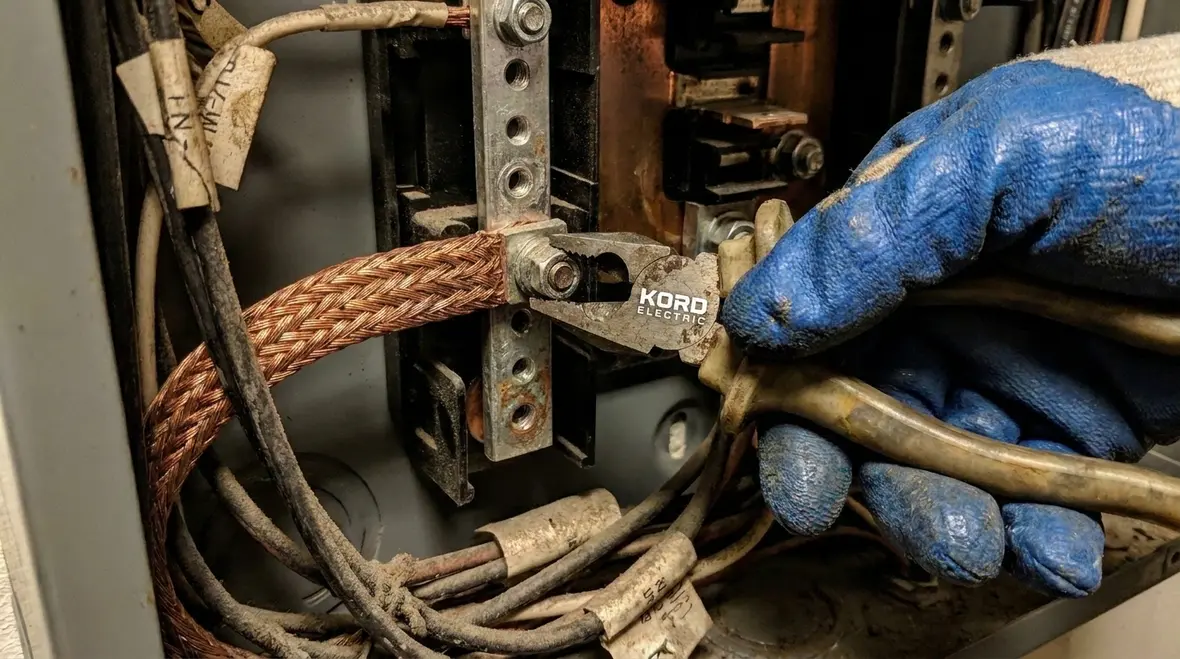
NFPA 70 Section 680.7 pool grounding bonding requirements in practice
Under NFPA 70 Section 680.7 pool grounding bonding, we focus on bonding metal parts associated with pool equipment and ensuring electrical safety in wet environments. While the exact details depend on the installation, the core idea stays steady: we connect the right conductive parts, we provide a reliable fault path, and we avoid unsafe voltage differences that can put people at risk.
In practice, we follow a structured workflow:
- We identify all metal parts that require bonding, including raceways, equipment enclosures, and relevant conductive components around the pool area
- We verify connections use the right method and material, and we ensure continuity where it matters most
- We confirm grounding paths connect to the building grounding system correctly and support protective device operation
- We document the final configuration so facility staff can maintain it without guessing
Then we double-check the entire layout. For example, if the pool pump room connects to building steel, we assess the bonding strategy so it stays consistent with the whole structure. We also pay attention to equipment that tenants might service. When a subpanel or junction point sits where it is easy to disturb, we plan safeguards and labels. That way, routine work does not accidentally break bonding continuity.
One more practical point: code compliance does not mean “install and hope.” It means “install, verify, and explain.” Our technicians test and inspect to confirm the system behaves as intended. In a world of half-fixes, we build full solutions.
Coordination between electrical, fire systems, and site safety
Many major properties blend multiple life safety systems, and grounding and bonding touch that ecosystem. We coordinate with other disciplines so the electrical design supports fire alarm, suppression, and pump functions without creating conflicting requirements.
Where we need extra cross-checking, we align our approach with the fire life safety knowledge shared by industry organizations and resources. For example, we also review guidance available through fire-focused organizations such as Kord Fire’s NFPA 70 overview, and we keep an eye on code updates through our internal compliance research and related resources like the Understanding NFPA 70: The National Electrical Code Explained for 2026 article on the Kord Electric blog. We do this because pool areas often intersect with fire protection planning, especially where water supply systems and pump rooms run near electrical rooms.
We also make sure the electrical installation does not interfere with emergency access and service clearances. Then, we consider how bonding conductors route around equipment so future repairs stay safe. In the end, we want a facility that functions reliably today and remains understandable for the crews who maintain it tomorrow.
Staying compliant as codes evolve and facility systems expand
Large buildings rarely stay still. They add expansions, swap equipment, update controls, and sometimes move tenants around like chess pieces. Meanwhile, the electrical system must remain safe across every change. That means compliance needs to survive the real schedule, not just the initial inspection.
Our team tracks changes across NFPA 70 updates and planned adoption periods, and we build service plans that support ongoing compliance. We also use resources from our own compliance blog work, including our article on the 2026 National Electrical Code explained at the Kord Electric Blog. We translate those updates into practical steps for facility stakeholders, so they understand what changes matter and where attention should go.
Because we serve commercial and industrial facilities and major property buildings, we focus on the realities of large sites. We coordinate with facility management, owners, and general contractors to schedule work with minimal disruption. We also make sure your commissioning and documentation stay complete, so compliance does not become a scavenger hunt.
Service approach from Kord Electric technicians
When you call Kord Electric, you get a method, not a scramble. Our technicians bring a steady workflow: assess, plan, install, verify, and document. Then our expert service staff explains the outcome in a way your team can act on.
To keep things smooth on major properties, we align with how you operate. We schedule around critical services, and we confirm access routes for safe installation and testing. If we find bonding continuity issues or grounding path concerns, we correct them before we close up the work. We do not leave “temporary” items that turn into permanent headaches. Yes, we have seen that movie. Nobody likes the sequel.
And because you run real buildings with real people, we also train your on-site staff on what to watch for during routine maintenance. That helps prevent accidental damage to bonding connections during filter changes, equipment replacements, or panel access. We keep the learning short, clear, and useful.
For facilities across the region, especially those looking for a trusted partner to support complex campuses, our dedicated Los Angeles County electrical services team provides the depth of experience needed to tie pool systems, building distribution, and life safety infrastructure into one coordinated plan.
FAQ
| What we do | Why it helps |
| We identify all pool and equipment conductive parts that require bonding | It prevents missed connections that inspections commonly flag |
| We verify grounding paths and continuity before final closeout | It supports protective device operation during faults |
Conclusion and CTA
If your facility has a pool, you need electrical safety that holds up under daily use, maintenance activity, and inspection scrutiny. Kord Electric brings experienced technicians, a clear process, and thorough verification for NFPA 70 Section 680.7 pool grounding bonding and related grounding and bonding needs. We work with commercial and industrial sites and major property buildings, so we understand how to reduce downtime. Contact Kord Electric today to schedule an assessment and bring calm, documented compliance to your next electrical update.


