
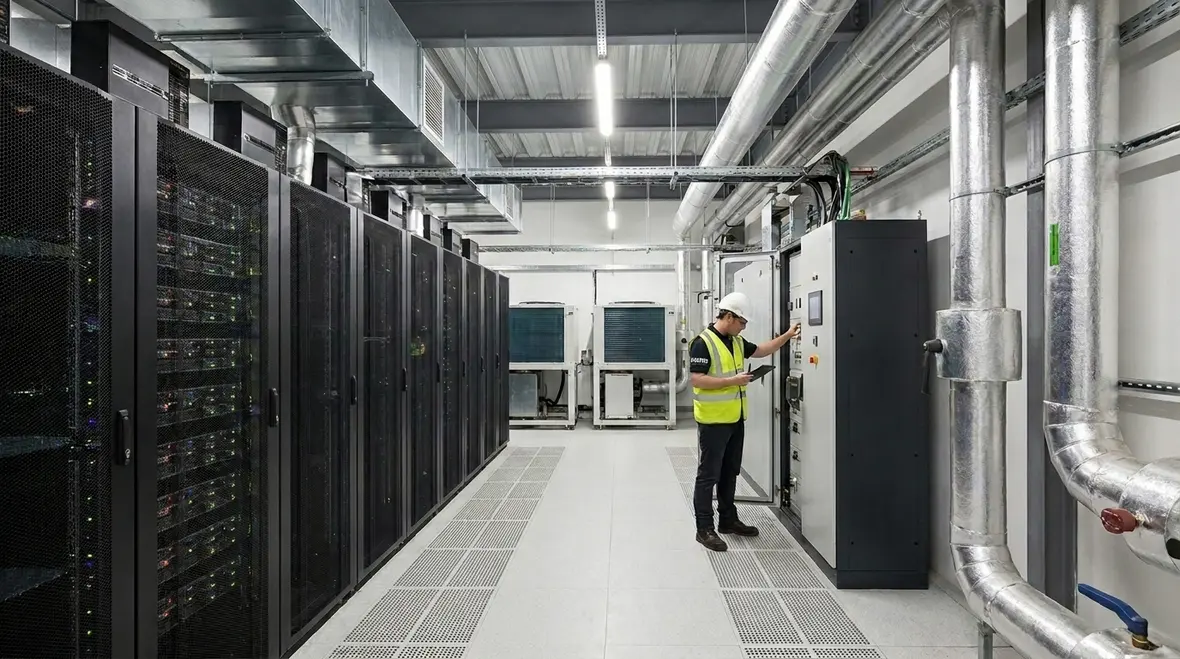
Optimizing Data Center Cooling for Electrical Efficiency
Optimizing Data Center Cooling Systems for Electrical Efficiency: What Kord Electric Focuses On
At Kord Electric, we design and support data center cooling systems that help electrical systems run cleaner, steadier, and more efficiently. In our work, we do not treat cooling as a side project. Instead, we connect cooling choices to power use, heat loads, and the way your electrical distribution behaves under real conditions. Then, we help facilities keep uptime high while electricity costs stay under control. Yes, the fans will still spin, but they do not have to spin in chaos.
To guide this approach, we align our planning with how electrical design supports reliability, including the same thinking described in our blog on data center electrical distribution design for reliability. After that, our expert service staff explains what we find in plain language, because complicated jargon should not be the only thing that runs at full speed.
How Electrical Efficiency Gets Lost in Cooling Decisions
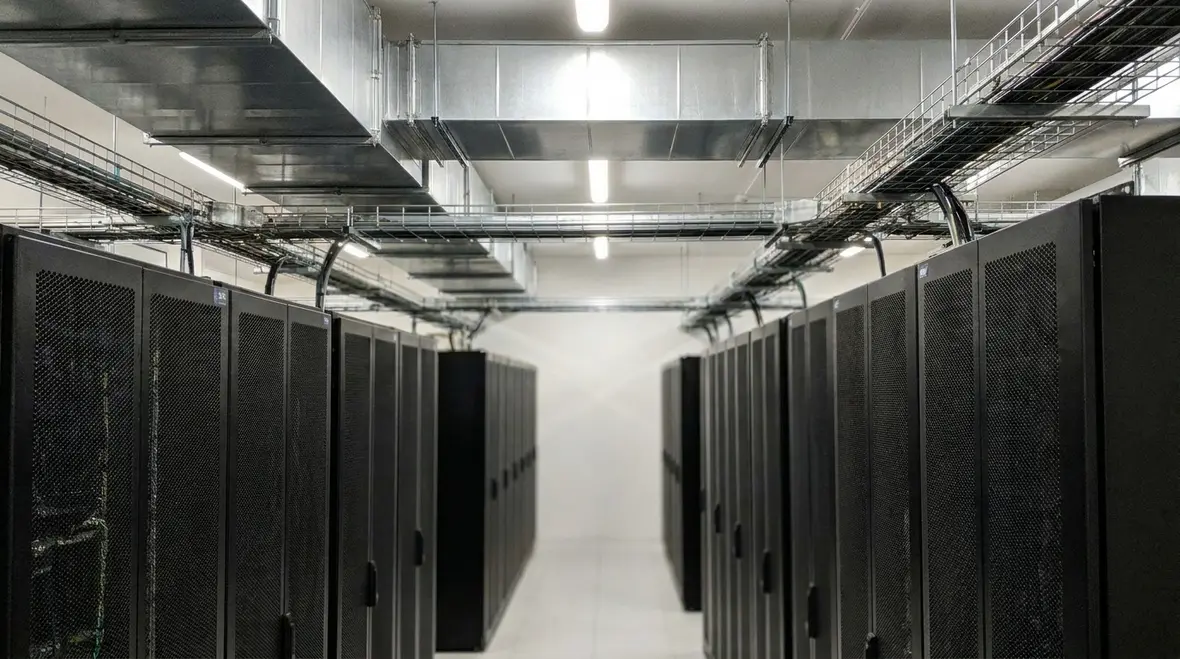
Even well built facilities can waste energy when cooling and electrical systems work like strangers. For example, if a cooling system removes heat inefficiently, server intake temperatures rise. Then, IT equipment draws more power to maintain performance. That extra electrical load increases demand on switchgear, UPS systems, and transformers. Next, electrical losses climb, including heat loss in conductors and losses in power conversion stages.
Meanwhile, control choices like poor setpoints or uneven airflow can cause “hot spots.” Hot spots lead to short cycling. Short cycling means compressors and fans run harder and more often than they should. As a result, the cooling plant uses more electricity, and the electrical rooms see higher ambient temperatures. Higher ambient temperature can reduce equipment life and raise risk during peak loads.
Now here is where our technicians earn their coffee. We often see that the electrical side already has strong components. Yet the cooling strategy creates conditions where those components operate less efficiently. In other words, the hardware is fine, but the thermal story is told poorly.
Designing Cooling for Real Load Profiles, Not Fantasy Numbers
Many teams start with average power. Then they design cooling based on average heat. However, data center operations rarely move in smooth lines. Workloads ramp. Racks change. Maintenance windows shift. Because of that, heat output swings during the day and across the year.
To optimize data center cooling systems for electrical efficiency, we first map expected load profiles. We look at rack level changes when possible, and we align the cooling capacity with the way power actually shows up. After that, we help teams avoid oversizing that seems safe at first and expensive later. Oversized cooling plants can create poor part load performance. Then, energy use rises even when the facility is not under stress.
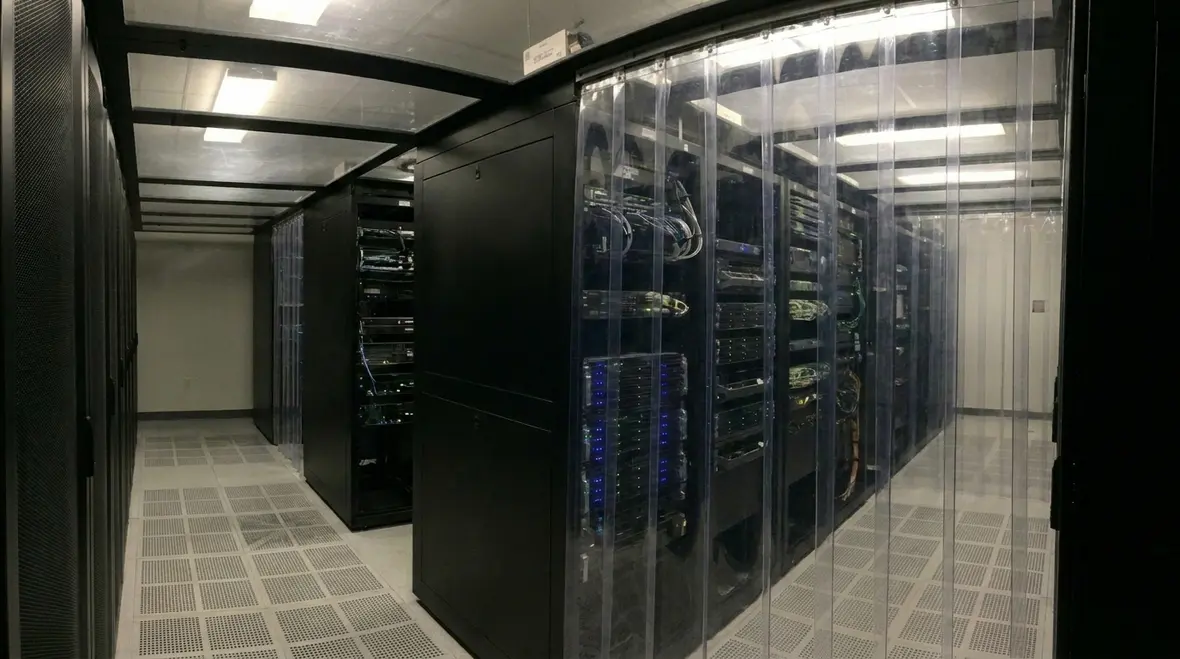
We also help clients plan for diversity across zones. Instead of one blanket approach, our team considers how cold air moves, how heat collects, and how containment affects airflow paths. When airflow control improves, equipment temperatures stabilize. In turn, electrical systems handle the load with less stress and less correction from control loops.
And yes, if your cooling strategy treats every rack the same, it is basically telling one thermostat to manage a whole house. That never goes well in real life, and it definitely does not go well in commercial and industrial facilities where uptime matters.
Airflow Management That Reduces Electrical Losses
Airflow is the bridge between cooling and electrical efficiency. If air moves inefficiently, fans work harder and compressors cycle more. Then, the electrical demand for cooling rises, and the facility sees higher total power draw. So we focus on airflow paths that stay predictable.
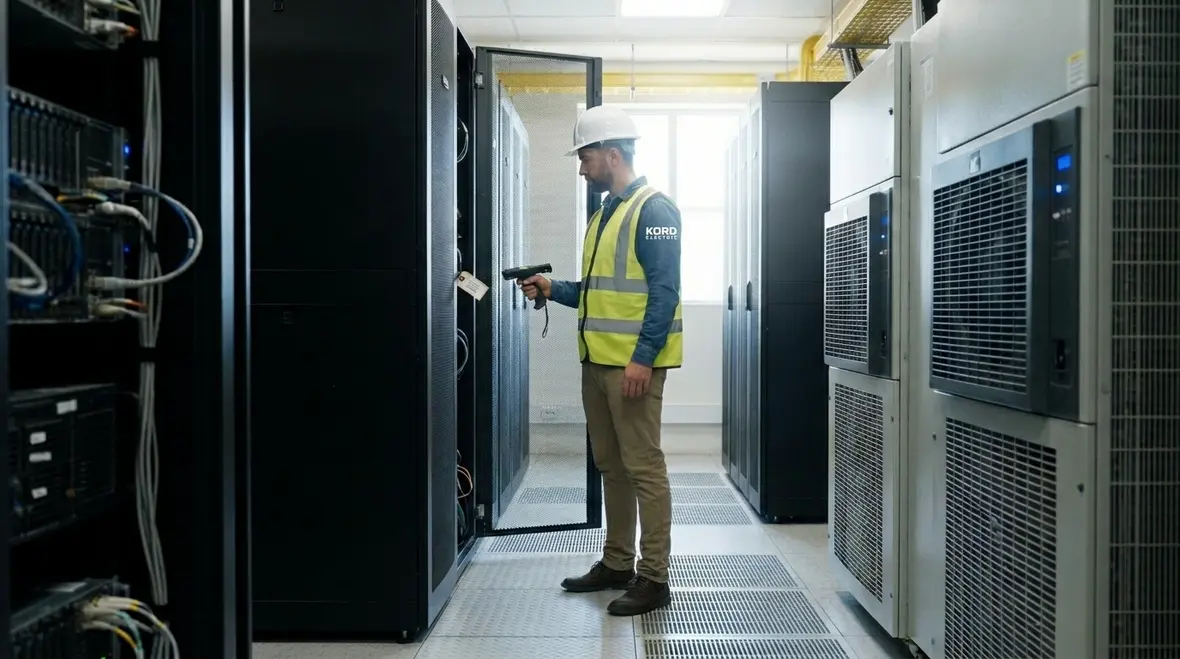
Our technicians evaluate hot aisle and cold aisle behavior, placement of obstacles, and bypass flow. Next, we support containment strategies that limit mixing. With better separation, cold air reaches server intakes more directly. Consequently, the system can maintain setpoints with fewer swings.
In addition, we review sensor locations and control logic. Sensors that sit in the wrong air stream can lie to the controller. So controllers chase false readings. That chase increases energy and can create unnecessary reheat or overcooling. When sensors and control logic align with where heat actually sits, the system behaves like a mature adult instead of a sitcom character panicking every five minutes.
We also coordinate cooling plant operation with electrical room heat. For major property buildings, electrical rooms need stable conditions to protect switchgear, UPS bays, and distribution gear. When cooling and ventilation support those areas properly, electrical components stay within safer thermal ranges. Lower thermal stress often means fewer derates and more dependable performance.
Cooling Plant Choices and Their Power Impact
Cooling plants can use chilled water, direct expansion, evaporative methods, or heat rejection strategies like air cooled condensers. Each option carries electrical implications. Pumps, compressors, cooling tower fans, and air handlers draw power directly. Then, the control strategy affects how often those components run at high load.
To keep data center cooling systems efficient, we look at part load behavior. We examine control methods like staging, variable speed drives, and pressure or temperature reset logic. When plants use smarter staging and reset, they avoid wasteful operation during lighter demand.
We also review heat rejection. When condenser performance drops due to high ambient conditions, systems may work harder to move the same heat. Therefore, the cooling plant’s electrical draw rises. We help teams evaluate site conditions and airside choices so rejection stays stable. In practical terms, stable rejection reduces compressor stress and can lower total electrical consumption.
Furthermore, we consider how cooling plant scheduling interacts with UPS and power distribution. In many facilities, electrical load distribution and cooling load move together. So if cooling runs aggressively at the wrong time, it can push the facility toward higher demand and stress on electrical components. Because Kord Electric supports both electrical and building infrastructure, we plan for that interaction rather than hoping it will sort itself out.
Controls, Monitoring, and Commissioning That Hold the Line
Even the best design can drift if controls get tuned incorrectly or if sensors lose calibration. After installation, we help clients commission systems with an eye toward stable operation under real conditions. Then, we verify that control loops respond predictably as loads change.
Our expert service staff explains findings clearly and walks facility leaders through the “why.” That matters because cooling problems often show up as electrical problems later. For example, a control loop that overshoots temperature can force more power draw from IT and also increase fan energy. As a result, electrical distribution sees higher currents and higher losses.
We also support trend review and alarm tuning. When alarms fire too often, teams ignore them. So we help set alarm thresholds that flag real issues without constant noise. Then we align those thresholds with operational goals like maintaining safe temperatures and reducing unnecessary cycling.
Finally, we recommend maintenance steps that protect efficiency. Filters, dampers, chilled water valves, and airflow paths all influence energy use. When these items remain clean and properly set, cooling systems can meet load with less effort. In turn, electrical systems run with steadier load profiles and fewer surprises.
Reliability Thinking: Connecting Cooling and Electrical Distribution
Cooling affects reliability because temperature affects electrical performance. Heat changes insulation behavior, affects component life, and can increase the chance of nuisance trips if protective systems face higher ambient conditions. Therefore, Kord Electric connects cooling strategy with how electrical distribution systems need to stay dependable.
In our approach, we apply the same reliability mindset we discuss in our blog on data center electrical distribution design for reliability. That means we look at how components operate together under stress, not as isolated parts. When the cooling system maintains stable operating conditions, electrical equipment operates closer to its intended ratings. Consequently, efficiency improves and reliability risk drops.
So we coordinate planning and troubleshooting. If we see higher electrical losses or unusual load patterns, we do not stop at the switchgear. We trace whether thermal behavior contributes. Then, we recommend cooling adjustments that reduce overall demand, improve stability, and protect the facility’s mission critical operations.
And yes, sometimes the fix is not a bigger power system. Sometimes it is cooler air that actually reaches where it should. That is a surprisingly common plot twist.
FAQ
Conclusion: Let Kord Electric Improve Cooling and Electrical Efficiency
If you want electrical efficiency that actually shows up in your operating costs, you need cooling and electrical design to work as one system. Kord Electric brings technicians and expert service staff who assess thermal behavior, align controls, and connect the dots between cooling plant operation and reliable electrical distribution. Then we explain the results in plain business language and recommend practical upgrades. Reach out today and let’s review your current setup before the next peak load turns your power bill into a surprise expense.
For facilities that treat uptime and power quality as non-negotiable, pairing optimized data center cooling systems with structured electrical preventive maintenance is the next step. Kord Electric’s electrical preventive maintenance services help keep distribution gear, protection settings, and thermal conditions aligned over time so efficiency gains hold and reliability improves year after year.


