Preventative Electrical Maintenance Checklist for Business
Essential Business Owner Checklist for Preventative Electrical Maintenance
For commercial and industrial facilities, a smart preventative electrical maintenance checklist business keeps power steady, staff safer, and budgets under control. In this article, Kord Electric walks through the checklist we use with our clients, step by step. We focus on distribution, panels, protection devices, grounding, and the small details that usually get overlooked until the lights flicker like they just heard a bad joke. If you run a data center, warehouse, manufacturing site, office high rise, or major property, this is the routine that helps you avoid sudden downtime and expensive repairs.
Now, let’s make it practical. We explain what to check, how often to check it, and what to do when the numbers do not look right.
Start with the failure points, not the calendar
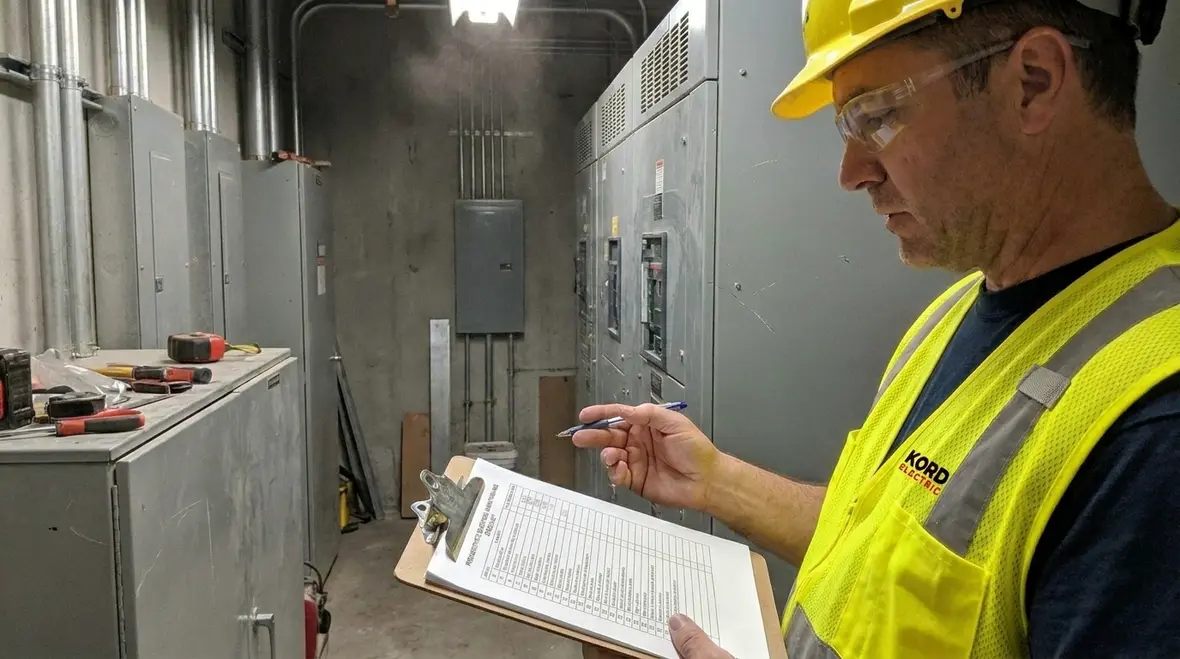
Most businesses schedule maintenance like they are setting a meeting invite. Then they wonder why the same issues show up again. Instead, we start by mapping where electrical faults tend to form. That means looking at aging components, past troubleshooting history, the load profile, and any changes to production or building usage.
Our expert service staff helps owners connect the dots. First, they review the single line diagram, asset list, and breaker schedules. Next, they identify the equipment most likely to drift out of tolerance: switchgear, transformers, busway, UPS systems, ATS equipment, and critical branch panels.
Then we set a plan that fits the real world. For example, a facility that adds tenants, expands server racks, or shifts shifts during peak seasons will see different stress on the electrical system. Therefore, the maintenance cadence should reflect actual risk, not just time passed.
Distribution reliability checklist for critical loads
In many major property buildings, reliability depends on how well distribution systems handle load changes and faults. Kord Electric supports this approach with the kind of reliability thinking we discuss in our data center electrical distribution design for reliability work. The main idea is simple: plan for resilience, then verify it with inspections and tests.
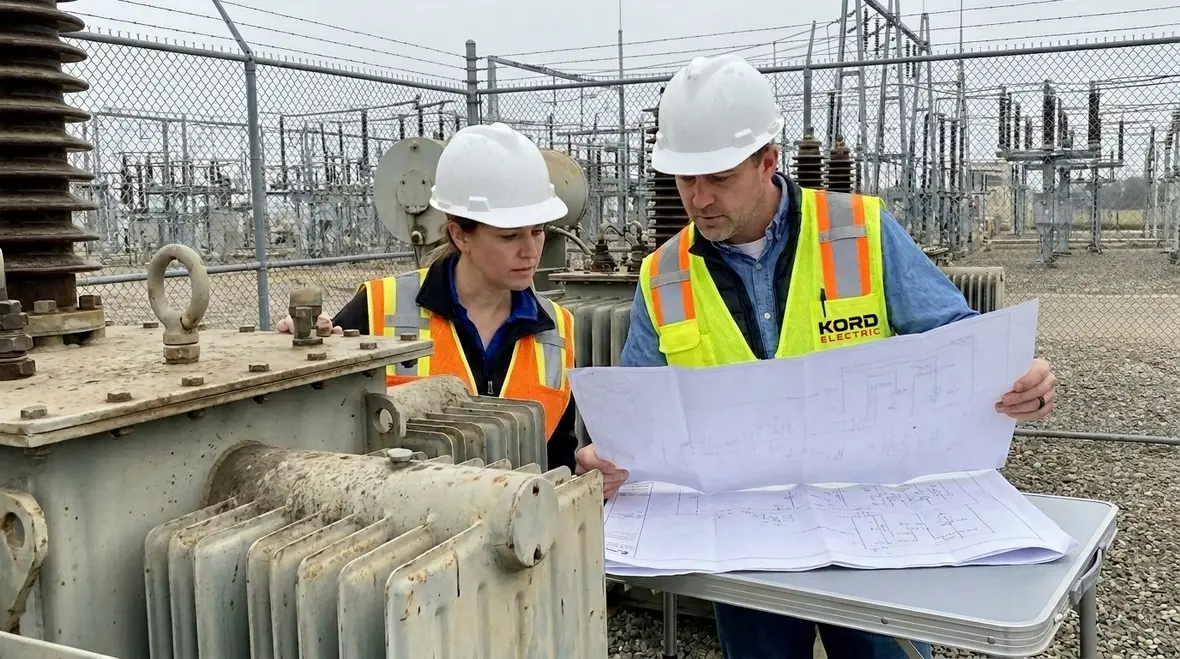
Our technicians begin at the top of the distribution path. They inspect incoming gear and verify that protective coordination still makes sense. After that, they check busbar condition, inspect terminations for heat damage, and confirm that insulation readings fall within expected ranges.
From there, we move downstream to critical loads such as cooling systems, fire safety support circuits, communications, security, and any process equipment that cannot pause. Finally, we confirm that backup pathways behave as designed during simulated transfer or test events. This is where a preventative electrical maintenance checklist business earns its keep, because reliability comes from confirmation, not hope.
What we inspect inside switchgear, breakers, and panels
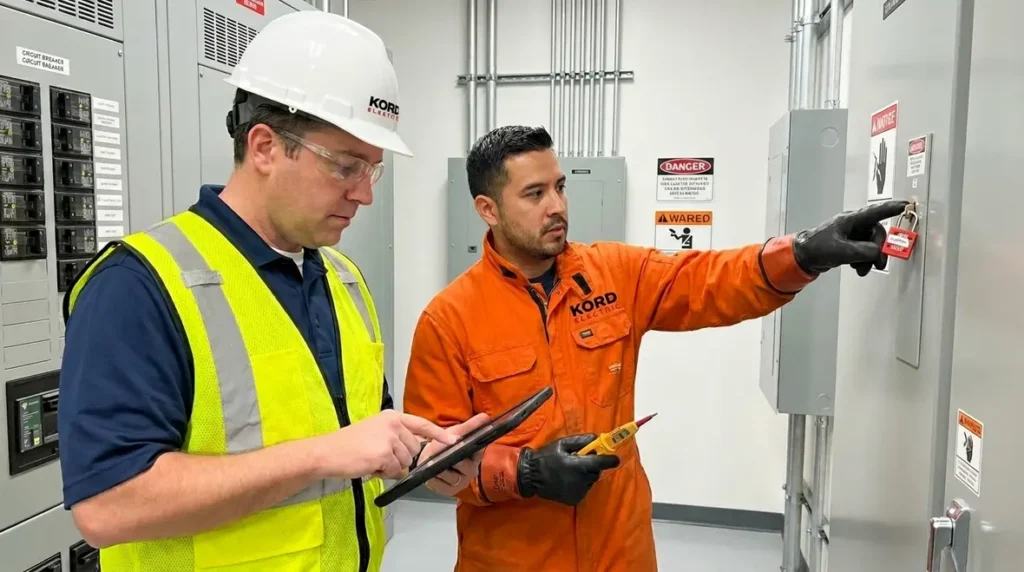
Owners often ask what technicians actually do during an electrical maintenance visit. We keep it clear: we inspect, measure, clean when needed, and test key parts for safe operation. Moreover, we document everything in plain language so the team can track trends over time.
Here is what our expert service staff prioritizes for commercial and industrial equipment
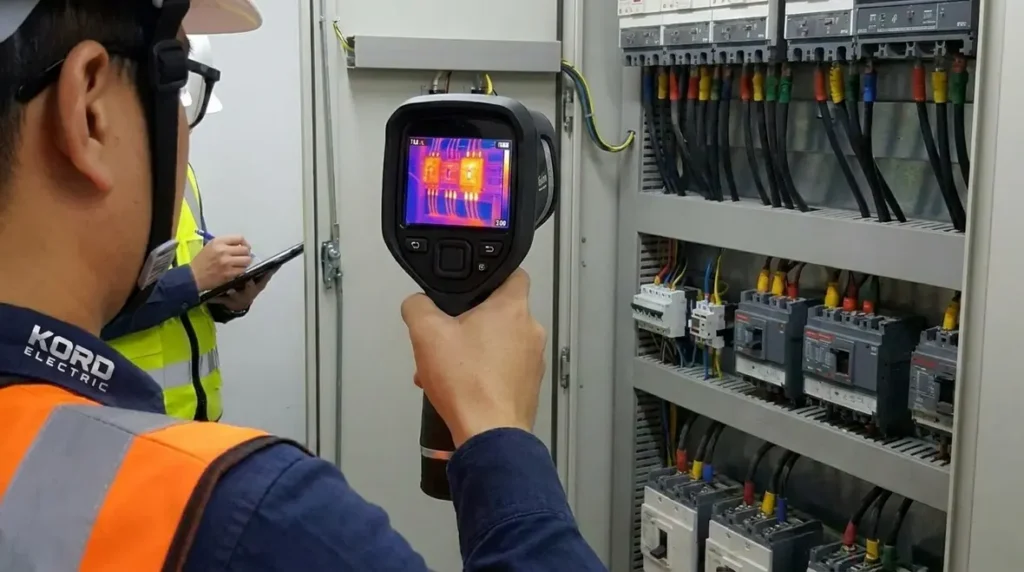
- Thermal condition: visual checks for discoloration, loose hardware signs, and hotspots
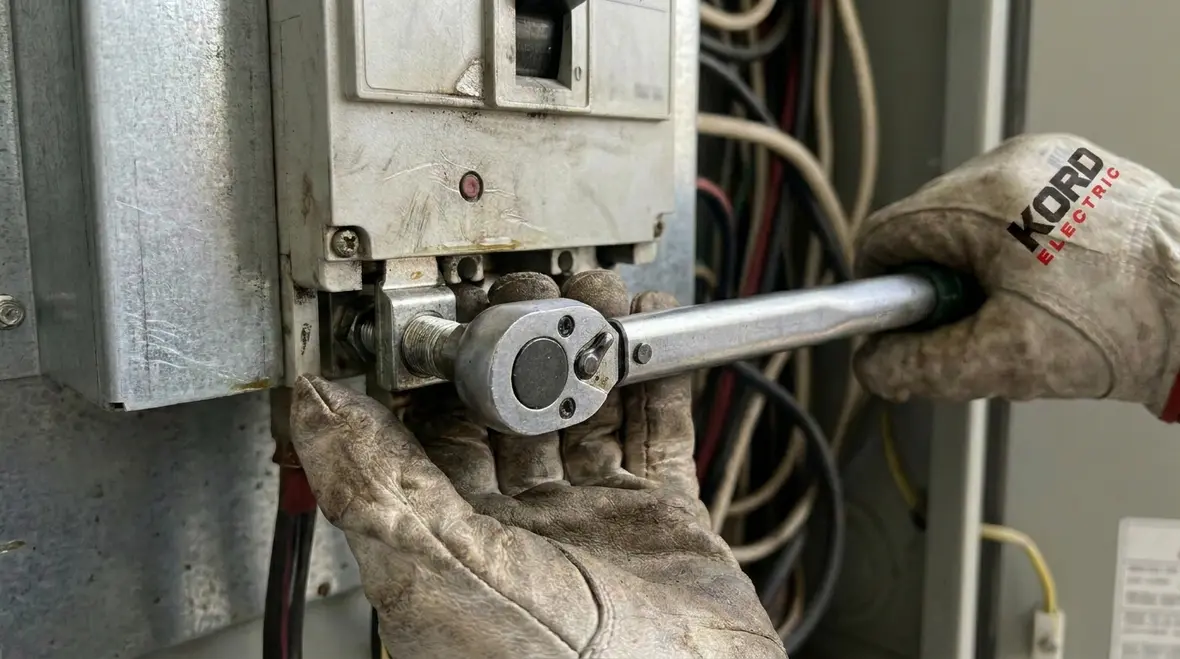
- Torque and connections: verifying terminations where heat and vibration can loosen items
- Breaker health: contact condition checks and timing verification where applicable
- Control circuits: checking relays, interlocks, and control power stability
- Panel labeling and documentation: confirming that the system map matches reality
And yes, this includes the “that shouldn’t matter” details. But in switchgear and panels, small issues pile up. If a termination runs hot for months, you get a bigger problem later. If a label is wrong, troubleshooting becomes a scavenger hunt. We prefer to run a clean operation, not a reality show.
Testing and measurement that actually changes outcomes
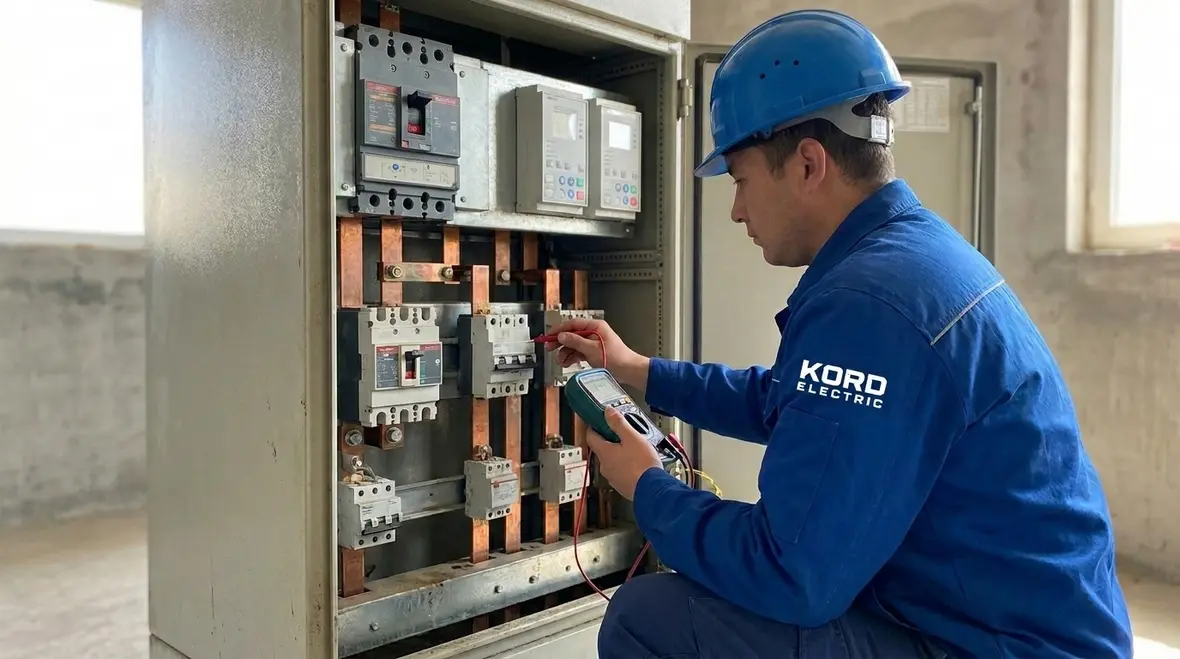
Inspections help. Tests confirm. During preventative work, we use measurement methods that show how the system will behave under stress. In other words, we do not just look at the gear, we look at its performance.
Our technicians commonly focus on
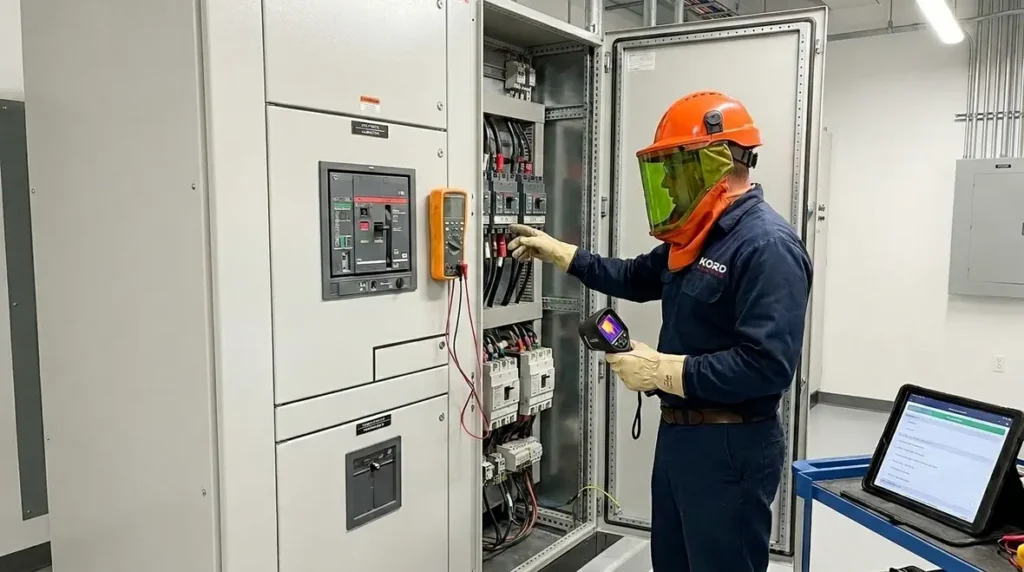
- Insulation resistance testing to spot insulation breakdown risk
- Continuity and conductor integrity checks to support safe fault paths
- Grounding and bonding verification to help protect equipment and personnel
- Load and harmonic considerations where appropriate for sensitive loads
- Operational verification for transfer gear and control logic
To keep it business friendly, we explain results as trends. A reading today matters, but what matters more is how it changes. Therefore, a proper preventative electrical maintenance checklist business includes tracking and reporting that helps owners plan repairs before they become emergencies.
Common risks we catch before they become outages
Even when facilities follow a routine, hidden risks still show up. The good news is that many of them are predictable and easy to spot when someone knows where to look.
Here are the repeat offenders we often uncover in commercial and industrial sites
- Loose or heat damaged terminations that build resistance over time
- Moisture and contamination that reduce insulation strength and increase corrosion
- Out of spec protective device settings after equipment swaps or load changes
- Obsolete components that no longer match the system as installed
- Grounding gaps that compromise safety and protection
Sometimes the risk comes from what people add to the building. New manufacturing lines, added refrigeration units, extra servers, or tenant improvements can increase load and shift fault conditions. Consequently, the electrical system faces new stress, and the old baseline no longer fits.
That is why we encourage owners to treat preventative maintenance as an ongoing program. In our world, “we will get to it later” becomes “we are booking an emergency call,” and that is a joke nobody enjoys. Not even Batman.
Create a schedule that supports operations, not disrupts them
Owners and facilities teams worry about downtime. We understand that. Therefore, Kord Electric builds maintenance plans that respect schedules, production needs, and safety rules.
Our expert service staff coordinates access windows, reviews energized work policies when applicable, and plans test timing to reduce impact on critical systems. Then we align maintenance steps with how the site runs. For example, a facility can often handle panel work during low demand periods, while switchgear testing may require a staged approach with clear communication.
In addition, we help owners set priorities. Some items need immediate attention. Others can wait in a documented plan. However, when we see a trend pointing toward failure, we do not wait for a dramatic event. We advise corrective action early, because the cost of prevention is usually far less than the cost of an outage and the operational chaos that follows.
Dual column plan for owner action steps
To make this easy for busy leaders, we organize actions into a simple plan. Then we map responsibilities so nobody feels like they are guessing.
|
Owner actions
|
Kord Electric actions
|
FAQ: Preventative electrical maintenance for commercial facilities
Conclusion: Let prevention handle tomorrow’s risk
Electrical failures do not announce themselves with a calendar invite. They show up when demand peaks, heat builds, and protective devices lose their margins. That is why Kord Electric helps commercial and industrial owners run a preventative electrical maintenance checklist business that keeps distribution reliable and safety solid. If your facility relies on critical power, reach out to us for a reliability focused plan. We will review your distribution, explain findings in plain terms, and help you act early.
If you manage facilities in Southern California and need a partner who understands complex properties, explore our Los Angeles County commercial electrical services to see how maintenance, upgrades, and emergency response all connect. From structured programs to targeted projects, Kord Electric can help keep your operation stable year round.
For owners who want an even more structured approach, Kord Electric’s commercial and industrial electrical maintenance plans and data center electrical maintenance resources show how a disciplined program turns one time checks into long term reliability. When you are ready to turn “we will get to it later” into a real action plan, our team is ready to help you build a schedule that fits your operation instead of fighting it.
Contact Kord Electric today to align your preventative maintenance program with your risk, your operations, and your business goals.