Preventative Electrical Maintenance for Uptime
How preventive electrical maintenance protects business uptime
At Kord Electric, we focus on commercial and industrial facilities and major property buildings, because downtime is not a nuisance. It is a cost. Our preventative electrical maintenance helps companies keep critical systems running longer, reduces surprise failures, and strengthens business continuity before a problem ever shows up on a Monday morning. And yes, we know Mondays already have enough going on, so electrical issues should not add to the drama.
In this article, third person perspective explains how preventative electrical maintenance benefits translate into real ROI for operations, safety, and long term planning. We will also show how our expert service staff and technicians explain issues in plain language, so decision makers can act with confidence, not guesswork.
What business continuity really costs when power fails
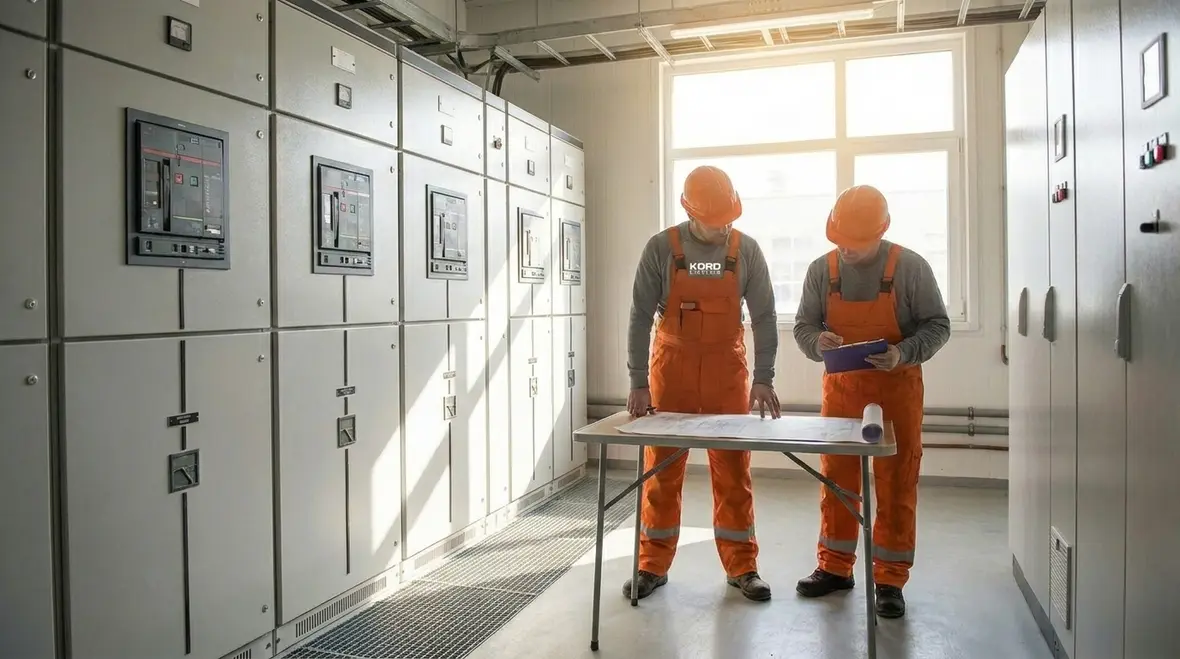
Business continuity is not just about keeping lights on. It is about keeping production moving, keeping controls stable, and keeping people safe. When electrical systems fail, the financial hit often spreads across multiple areas at once. For example, a motor outage can stop a conveyor line. Then a process shuts down. Then quality control may lose time. Then customers feel it. Finally, your repair and restart plan becomes an urgent project instead of a planned one.
Additionally, facilities face indirect costs that are easy to miss. Some failures create voltage dips that damage sensitive equipment. Others cause intermittent faults that are hard to diagnose. As a result, teams spend more hours troubleshooting, and maintenance budgets quietly grow like a weed that nobody saw until it was too late.
In short, electrical failure has a ripple effect, and preventative electrical maintenance benefits help reduce that ripple before it becomes a wave.
ROI drivers: reliability, labor savings, and fewer emergencies
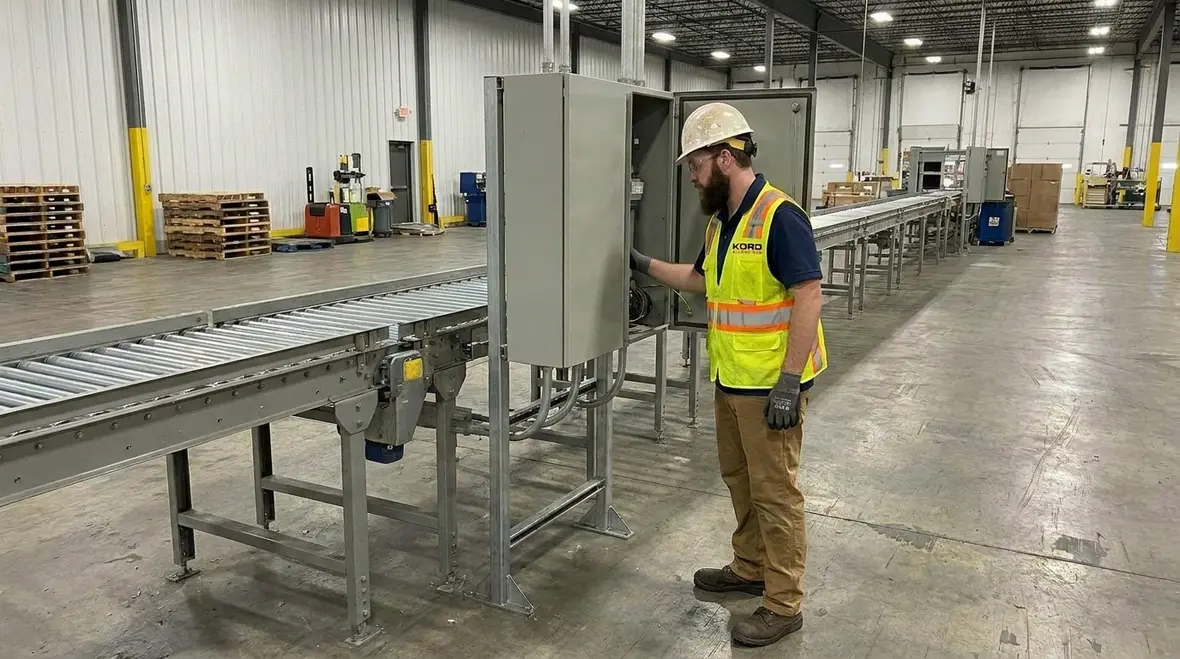
When we plan maintenance instead of reacting to breakdowns, ROI shows up in three ways that commercial and industrial leaders can measure. First, reliability improves. Second, labor demand becomes steadier. Third, emergency work drops, which lowers both cost and operational disruption.
Our technicians approach systems as networks, not isolated parts. Therefore, a switchgear issue is not just a switchgear issue. It can affect feeders, protection settings, and downstream loads. When we inspect and service key components early, we reduce the chance of sudden outages and extended downtime.
Next, labor savings come from avoiding the “rush tax.” Emergency callouts often require faster mobilization, priority parts, and extended after hours troubleshooting. We help teams avoid that cycle by building a maintenance cadence that fits their operating schedule. Instead of interrupting production, we work around it.
Finally, fewer emergencies improve planning. Purchasing can stage critical inventory. Safety teams can coordinate lockout and verification. Operations managers can schedule work windows. And stakeholders stop asking the same frantic question: “Why did this break now?”
How inspections prevent hidden failures in electrical systems
Hidden failures do not announce themselves with a warning banner. They build slowly through heat, vibration, dust, moisture, and normal use. Over time, contacts wear, insulation ages, connections loosen, and protective devices drift out of ideal performance. Even when equipment still runs, it may run in a degraded state.
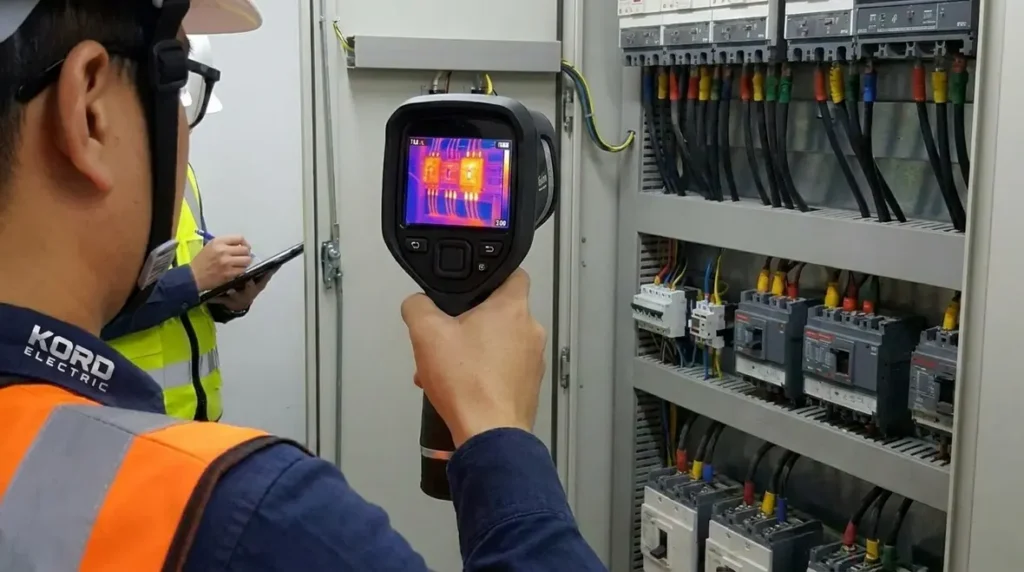
With preventative electrical maintenance, we focus on the early signals that predict major failures. That includes reviewing wear patterns, checking terminations for heat damage, confirming protective device function, and verifying that equipment operates within expected ranges. When a facility keeps an eye on these details, the team can correct problems during planned maintenance rather than during peak production.
Moreover, our expert service staff explains findings in a clear, no nonsense way. We do not dump a wall of data on the table and disappear. Instead, we translate observations into business outcomes: what may fail next, what it could impact, and what timing makes sense.
If the issue touches compliance, we also align recommendations with code expectations. For instance, our internal guidance often points teams toward code related requirements and installation standards discussed in our lighting installation code compliance guide, so facilities can avoid “technically installed, operationally risky” situations.
Compliance and continuity work together, not apart
Electrical code requirements exist for a reason: they protect people, reduce fire risk, and support safe operation. Still, commercial and industrial facilities sometimes treat compliance as paperwork instead of part of their reliability plan. We do the opposite. We help clients connect safe installation and proper maintenance to business continuity.
When facilities follow correct installation practices and maintain systems properly, they reduce the odds of unsafe conditions that can trigger shutdowns or create liability. Also, better maintenance helps ensure that equipment continues to meet the intent of the original installation.
One of the most useful parts of this approach is that our team includes expert explanations that leadership can act on. Instead of vague statements, we show what to fix and why. Then we schedule it in a way that keeps the facility running.
And because we deal with commercial and industrial environments, we understand the reality of major property buildings: systems must perform every day, and downtime carries penalties. Therefore, compliance becomes an operating strategy, not just a checklist.
Maintenance planning that fits real facility schedules
ROI rises when maintenance matches how the facility actually works. Therefore, our planning starts with your priorities. Which processes cannot stop? Which areas must stay powered? Where do you have critical loads, life safety systems, or production equipment with tight restart windows?
Next, we build a maintenance plan that sequences tasks with minimal disruption. We coordinate inspections, service work, and testing so that technicians can work efficiently and return the area to service on time. As a result, facilities avoid the common problem of “maintenance windows” that keep slipping due to poor sequencing.
Our preventative electrical maintenance benefits also increase when teams use findings to guide future work. For example, if inspections show repeated issues in a specific area, the next plan can focus more effort where it matters. That is how preventative work becomes targeted, not generic.
Even better, the team gains a clearer view of the facility’s electrical health over time. Then maintenance becomes a trend based decision, not a guessing game that everyone hates, because nobody wants to roll the dice with power.
Dual column example: what preventative work changes over time
| Before preventative electrical maintenance | After preventative electrical maintenance |
|---|---|
Repairs happen after failures, so downtime arrives first. |
Repairs happen after inspection findings, so downtime arrives less often. |
Emergency labor costs rise, especially for after hours response. |
Planned labor hours stabilize, so budgets become easier to manage. |
Intermittent faults trigger repeated calls and long troubleshooting. |
Early correction reduces recurring problems. |
Operations feels the impact through stoppages and restart delays. |
Operations stays more consistent due to scheduled work windows. |
Leadership lacks a clear view of electrical system health. |
Leadership gets a clearer plan based on documented findings. |
What to expect from Kord Electric technicians and expert service staff
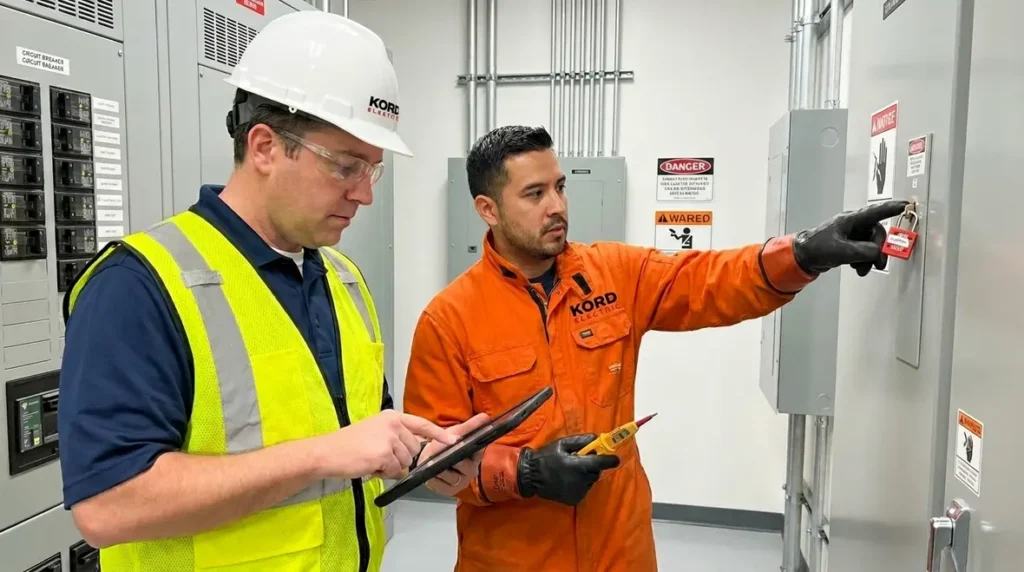
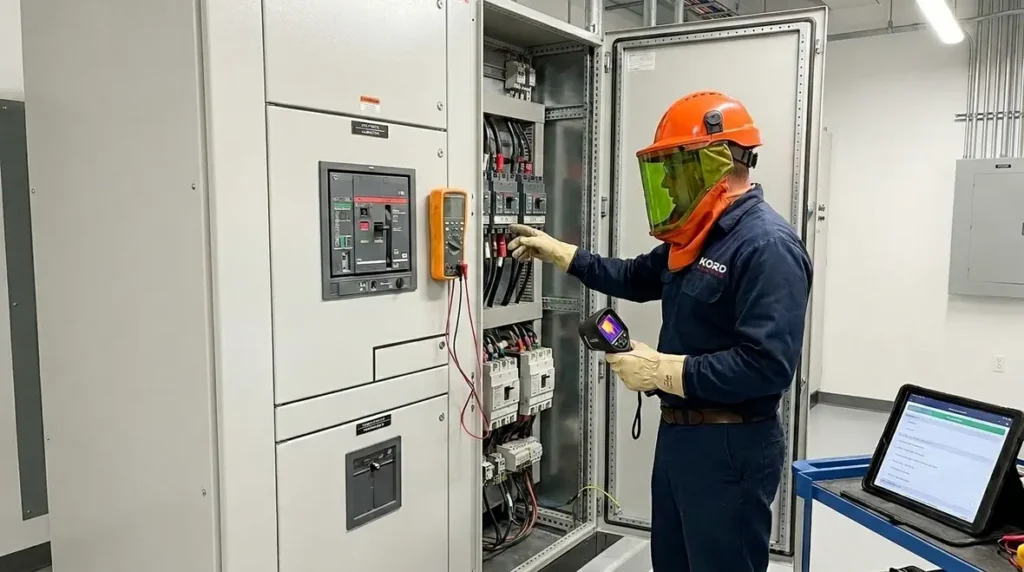
Client teams often ask what the process feels like on the ground. We keep it simple. First, our technicians arrive ready to inspect the electrical systems that affect uptime. Next, they document conditions they observe and connect those observations to likely outcomes.
Then, our expert service staff explains what the findings mean. We highlight what needs attention now, what can wait, and what to monitor next. That makes decision making easier for facilities managers, operations leaders, and property owners. Also, it helps stakeholders communicate internally because the message becomes consistent and understandable.
Finally, we propose a plan that fits the facility. We schedule work around production needs for commercial and industrial sites and major property buildings. In other words, we do not show up with a chaotic plan and hope everyone adapts. We show up with a plan, then we execute it professionally.
And yes, sometimes we use a little humor to keep the mood steady, because even serious work deserves a calm tone. Electrical faults are not funny, but the way people react at the first flicker of a light can be. We handle that with patience.
For industrial plants and large facilities in and around Los Angeles, pairing this kind of structured maintenance with dedicated regional support such as our Los Angeles County electrical services helps keep production schedules and tenant operations steady, even when the electrical system is under real-world load.
FAQ
Final CTA: protect uptime with preventative electrical maintenance
Business continuity does not happen by accident. It happens through smart planning, consistent inspections, and timely repairs. Kord Electric helps commercial and industrial facilities and major property buildings reduce unexpected electrical downtime by using preventative electrical maintenance benefits that support reliability and safer operations. If you want to protect your schedule, your equipment, and your budget, reach out to us today. We will review your electrical needs and map out a practical maintenance plan your team can trust.
If you are coordinating preventive work across multiple sites or planning upgrades alongside troubleshooting and repairs, many operations teams find it helpful to align maintenance with structured checklists such as those used in our electrical system troubleshooting for factories and broader service offerings that include comprehensive Los Angeles County electrical services. This kind of integrated approach keeps inspections, repairs, and long term projects moving in the same direction: more uptime and less surprise drama when the week starts.