Preventative Electrical Maintenance Plans for Business
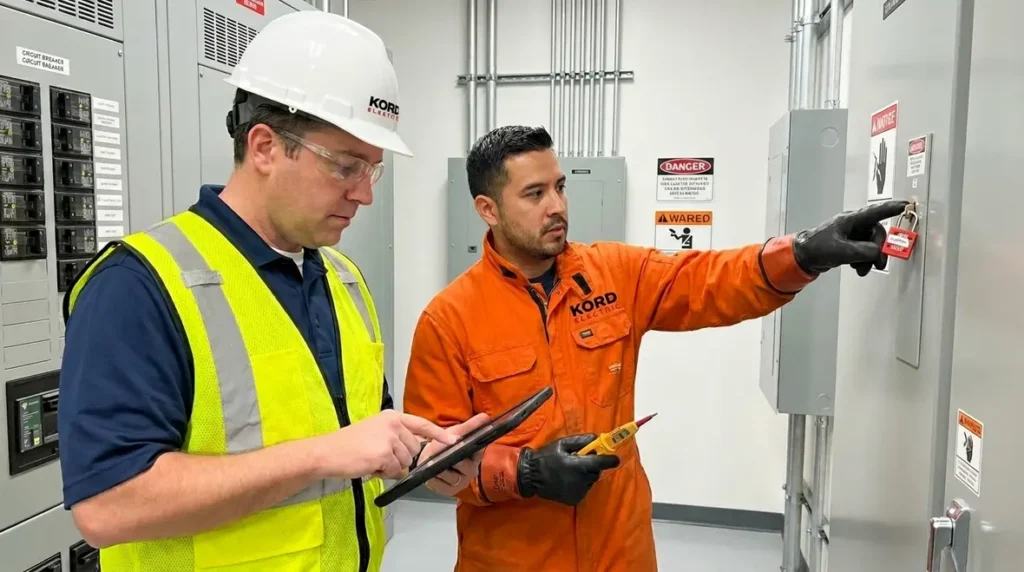
At Kord Electric, we help commercial and industrial facilities stay ready before problems show up. That is why we offer our preventative electrical maintenance plans designed for busy property owners, facility managers, and operations teams. Instead of waiting for a breaker to trip like it is auditioning for a drama series, we schedule inspections, testing, and corrective work on a routine that makes sense for your load, your environment, and your risk level. Our technicians and expert service staff explain what they find in plain language, then they document every step so your team can make confident decisions. And yes, we try to keep the process calm, because electrical failures rarely start politely.
Why structured maintenance helps business facilities avoid costly downtime
When a facility runs on electricity, downtime does not just “pause operations.” It costs money, disrupts schedules, and can even push production into a late shift that nobody planned for. Structured preventative electrical maintenance plans reduce that risk because we focus on the conditions that cause failures, not only the failures that already happened. For example, loose connections can heat up, components can degrade, and insulation can fail gradually. By catching these issues early, we prevent small faults from turning into expensive shutdowns.
In other words, we help others replace guesswork with repeatable steps. And because our technicians check the same critical systems on a steady rhythm, your electrical performance becomes easier to track over time. Meanwhile, your team can plan staffing, parts, and work windows with more certainty. That clarity matters when you manage large buildings where every hour affects tenants, manufacturing lines, or critical services.

What we check during a proper preventative program
A strong program looks beyond the obvious switchgear box and the big breaker you notice during emergencies. So we build our preventative electrical maintenance plans around the systems that usually carry the highest operational weight in commercial and industrial settings.
Here is what our expert service staff typically evaluates, based on the facility type and operating conditions:
- Switchgear and distribution for signs of wear, overheating, and contact resistance that can lead to nuisance trips or failure
- Transformers including oil condition checks where applicable, load balance review, and signs that insulation may be weakening
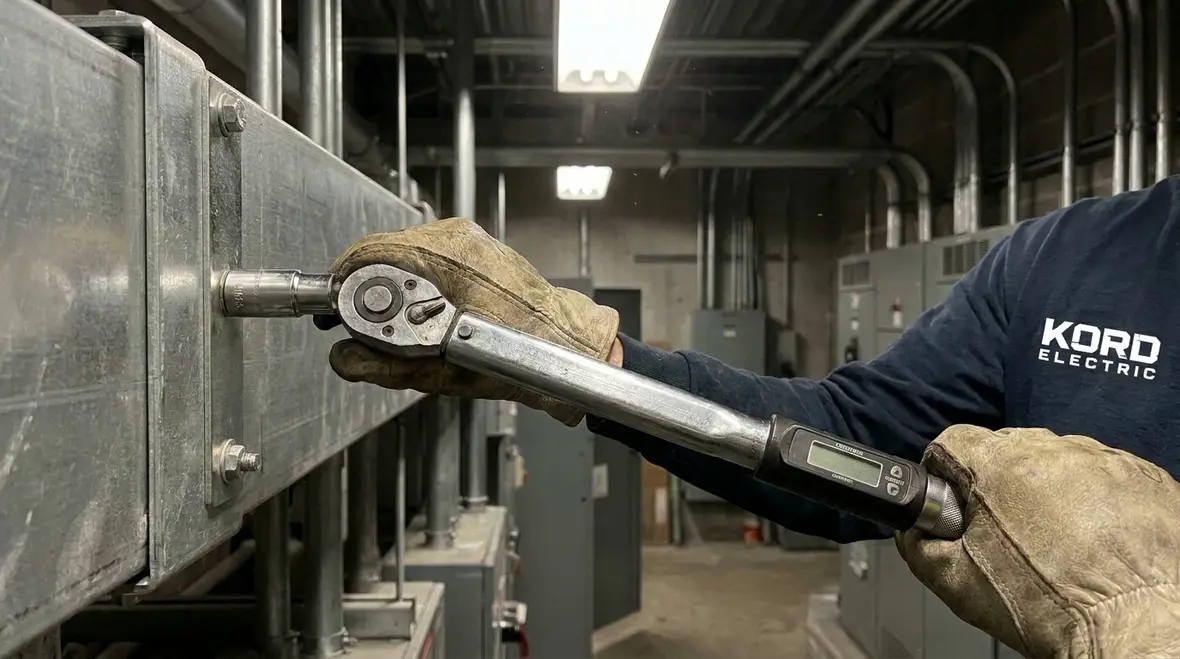
- Busways and panels focusing on torque integrity, thermal patterns, and physical condition
- Grounding and bonding to keep fault currents controlled and protect equipment and people
- Cable terminations where heat damage often starts, sometimes out of sight behind covers
- Emergency systems readiness including transfer equipment and checks that support real-world reliability
Then, when we find issues, we do more than point at a problem. We explain what caused it, what it could affect next, and what the facility should do to reduce recurrence. That is how our technicians turn maintenance into a practical risk plan rather than a random checklist.
How we reduce safety risks for people and equipment
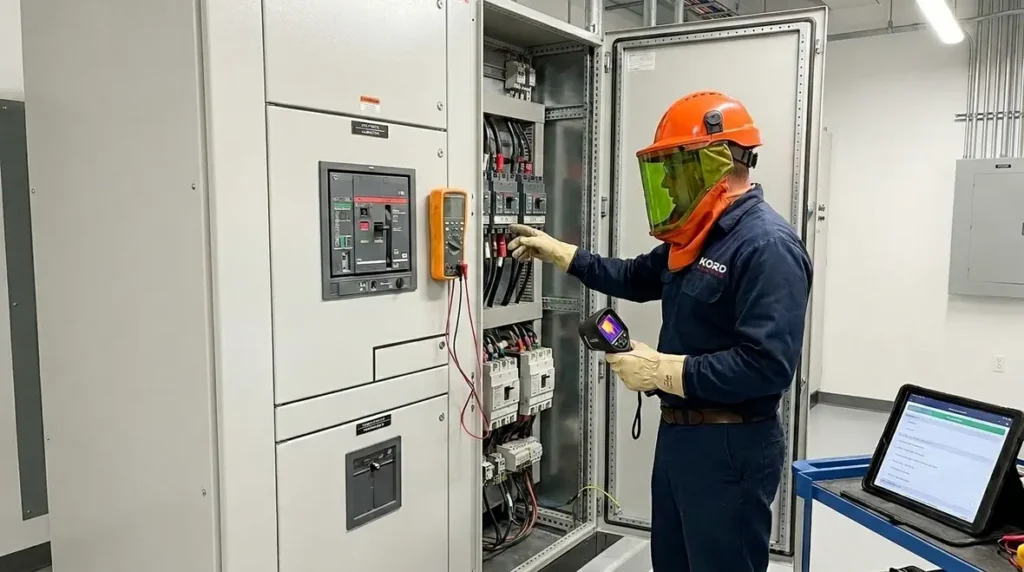
Electrical incidents rarely begin as a full event. Instead, they often start as early warning signs: heat, arcing, degraded insulation, or ineffective grounding. As those conditions grow, the danger level rises. Structured preventative electrical maintenance plans help stop that escalation because we test and verify, not just observe.
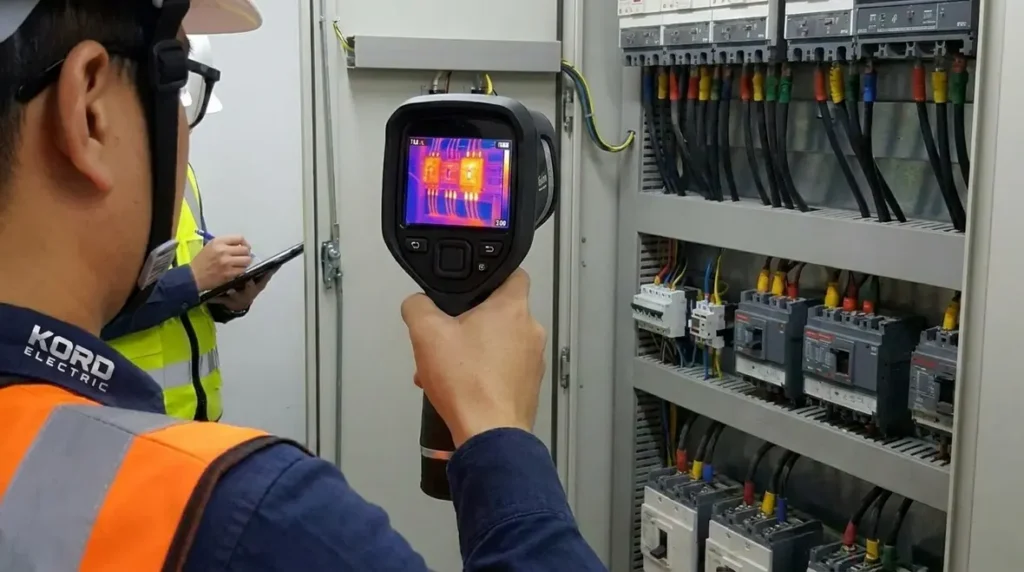
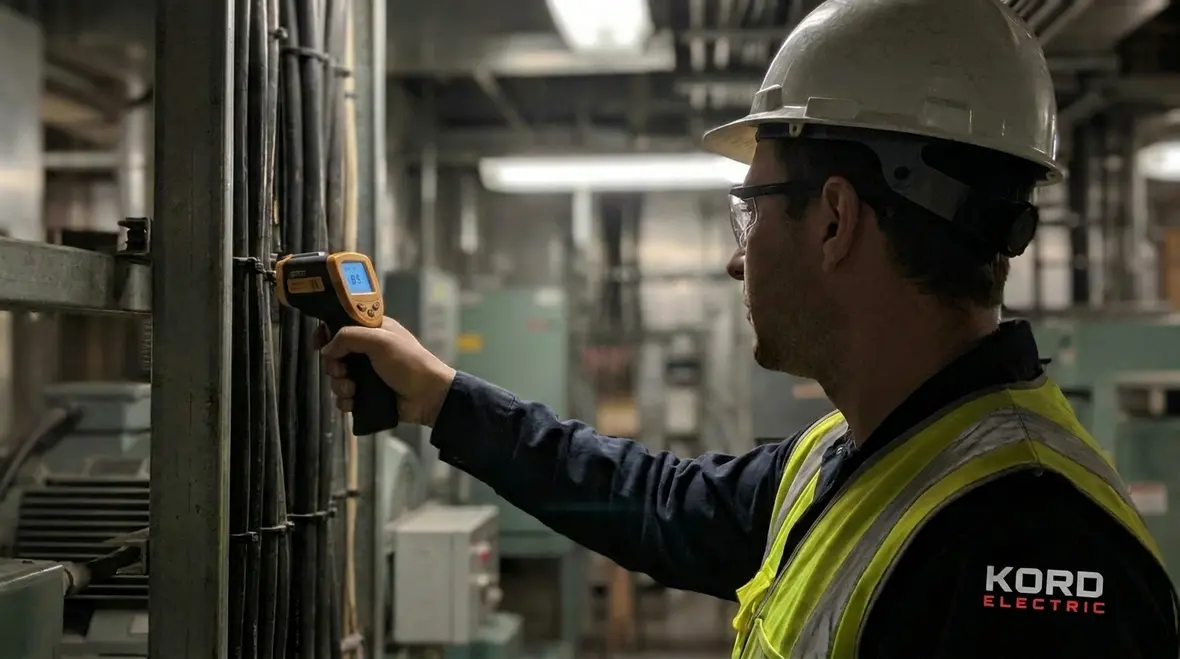
For example, if we detect abnormal heat patterns or resistance changes, we can address the underlying connection issue before it becomes an arc event. Additionally, our team verifies that protective devices respond as they should. That matters because safety depends on the system clearing faults quickly and predictably.
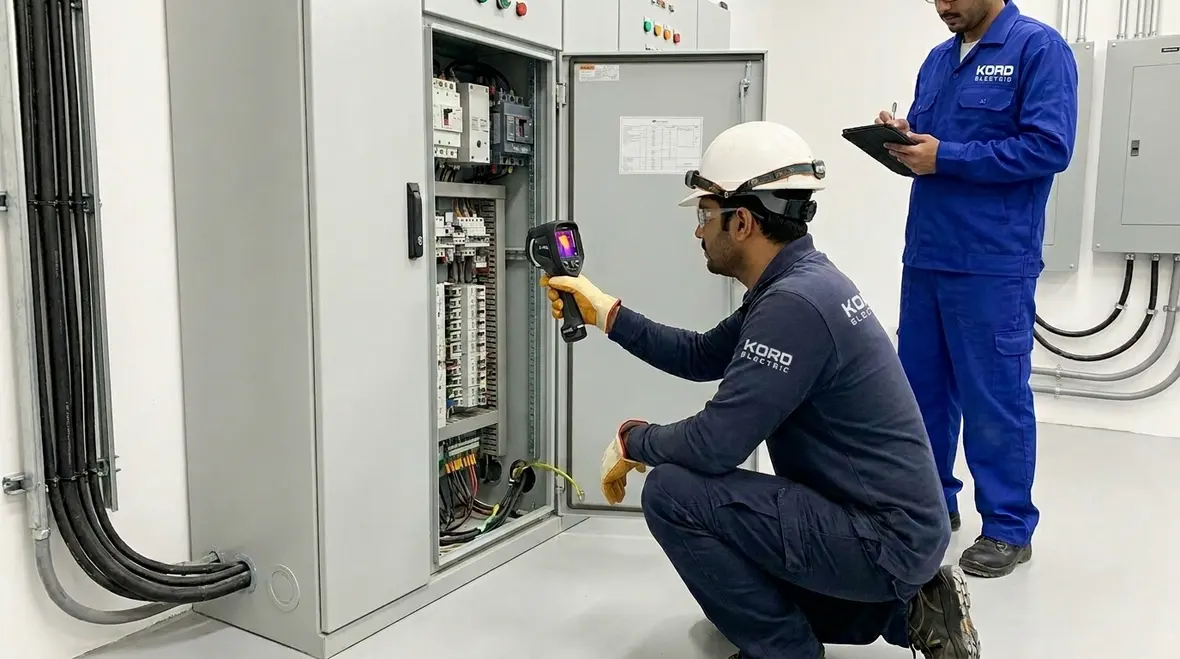
To keep things transparent, our expert service staff documents findings in a way that helps facility leaders act fast. We also explain results in business language. If you run a major property building or a facility with critical processes, you do not need a textbook lecture. You need clear guidance you can schedule, budget, and complete.
And look, electricity does not care how busy your day is. It will fail when it is ready. Our job is to make sure it is not ready.
Improving energy efficiency and power quality over time
Some maintenance work feels like it only prevents “bad things.” Yet structured preventative electrical maintenance plans also support better performance. Electrical losses often grow quietly due to aging connections, dirt buildup in electrical rooms, and uneven load distribution. Over time, those factors increase energy waste and can strain components that should last longer.
Power quality plays a part too. Voltage variations, harmonics, and poor connections can reduce efficiency, stress motors, and cause control equipment to behave oddly. Then, the facility team spends time chasing symptoms that never reveal the root cause.
When we run maintenance in a structured way, we can spot trends early. As a result, we help others keep equipment operating within expected ranges. We also help your facilities avoid the cycle of troubleshooting after complaints. That means fewer surprises and a more stable electrical environment for sensitive loads like drives, controls, servers, and production machinery.
In plain terms, we keep the electrical system from acting like a moody celebrity: it can be fine one day, and chaotic the next, unless you manage it.

How preventative plans support budgets, scheduling, and compliance
Facility leaders often ask a simple question: “How do we plan maintenance without disrupting operations?” Our answer focuses on structure. We align inspections, testing, and corrective work with your operating schedule and the operational criticality of each area. That helps you reduce unexpected downtime and keep maintenance costs more predictable.
At the same time, structured preventative electrical maintenance plans help support compliance expectations in commercial and industrial environments. While regulatory requirements vary by location and facility type, a consistent maintenance approach creates a strong history of inspection and service. Therefore, if questions arise, you can show what we did, when we did it, and what we found.
Our technicians also help other teams think through scope. For instance, if a facility shows signs of thermal stress in one section, we recommend a focused corrective action rather than broad, disruptive work everywhere. Meanwhile, we document recommended next steps so you can prioritize based on risk and budget. The goal is not to “do everything.” The goal is to do the right things, at the right time, for the right systems.
And if your schedule is packed, we get it. Even a well managed facility feels like it runs on meetings. Still, we help you fit smart maintenance into the real world.
For facility teams that want a deeper dive into how structured care supports long term reliability, Kord Electric also shares detailed insight in their article on commercial and industrial electrical maintenance plans. That resource pairs well with our preventative electrical maintenance plans when you are building a broader strategy for large properties.
Frequently, what our clients expect after each maintenance visit
After our expert service staff completes a visit, we leave the facility better than we found it, and we communicate clearly. Many facilities want a summary they can use immediately, not a report that lives in an email thread for months. We provide findings, priorities, and recommended actions tied to safety, reliability, and operational impact.
To make this practical, our team typically includes:
- Condition notes that describe what we saw and where it matters
- Test and verification results when applicable, with clear interpretations
- Risk based recommendations so others can plan repairs in phases
- Corrective action follow ups when issues need attention during the next work window
Then, if your facility needs ongoing service, our preventative electrical maintenance plans help keep the electrical system on a consistent path. That consistency matters because reliability improvements build over time. One good visit helps. A structured program compounds the benefits.
Think of it like good maintenance for your building’s “heart.” You do not wait for the pulse to stop. You check it regularly, and you act early.
FAQ about preventative electrical maintenance plans
Ready to protect uptime with Kord Electric
If your facility cannot afford surprise electrical issues, we can help. Kord Electric builds structured preventative electrical maintenance plans for commercial and industrial environments, with clear reporting and expert guidance from our technicians and service staff. You get early warnings, prioritized repairs, and a maintenance rhythm that supports safety, reliability, and planned budgets. Contact us today to review your electrical system needs and schedule an assessment. Let us help you keep operations steady, so your team can stay focused on running the business.
For organizations across the region that need a broader partner to handle ongoing electrical work as they grow, Kord Electric also offers comprehensive Los Angeles County electrical services. Pairing those solutions with preventative electrical maintenance plans creates a long term strategy for reliability, upgrades, and future projects under one experienced team.
Many facility leaders also explore related service offerings such as dedicated electrical preventive maintenance programs and 24/7 emergency electrical services. Together, these services support both day-to-day stability and rapid response when something unexpected does happen, keeping your operation resilient from routine inspections to urgent repairs.
Whether you manage a single major facility or a multi-building portfolio, aligning preventative electrical maintenance plans with your capital roadmap, energy goals, and safety policies helps turn electrical reliability into something you can measure, budget, and improve every year instead of leaving it to chance.