Preventing Electrical Panel Fires in Commercial Buildings
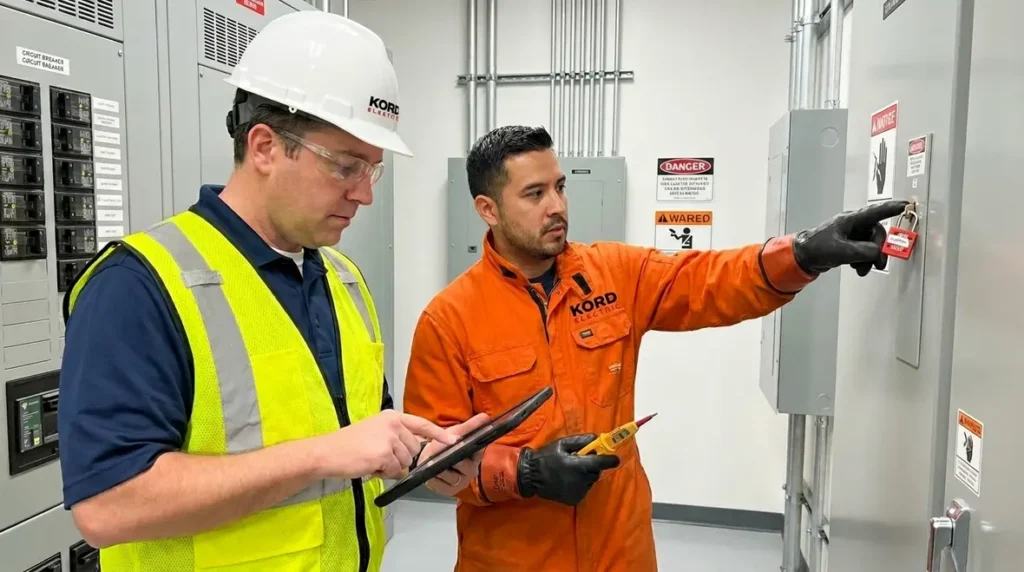
At Kord Electric, we focus on preventing electrical panel hazards and fires in commercial and industrial facilities and major property buildings, because the cost of ignoring electrical risk is rarely measured in dollars alone. It is measured in downtime, insurance headaches, and the kind of panic that makes people stare at a blinking light like it owes them money. Over the years, our expert service staff has seen the same patterns: loose connections, overheated breakers, dirty panels, and inspections that happen only after something goes wrong. Therefore, we take a calm, thorough approach, and we guide our clients step by step through the crucial steps that reduce risk before the fire alarm ever has to sing.
What causes electrical panel hazards in commercial buildings
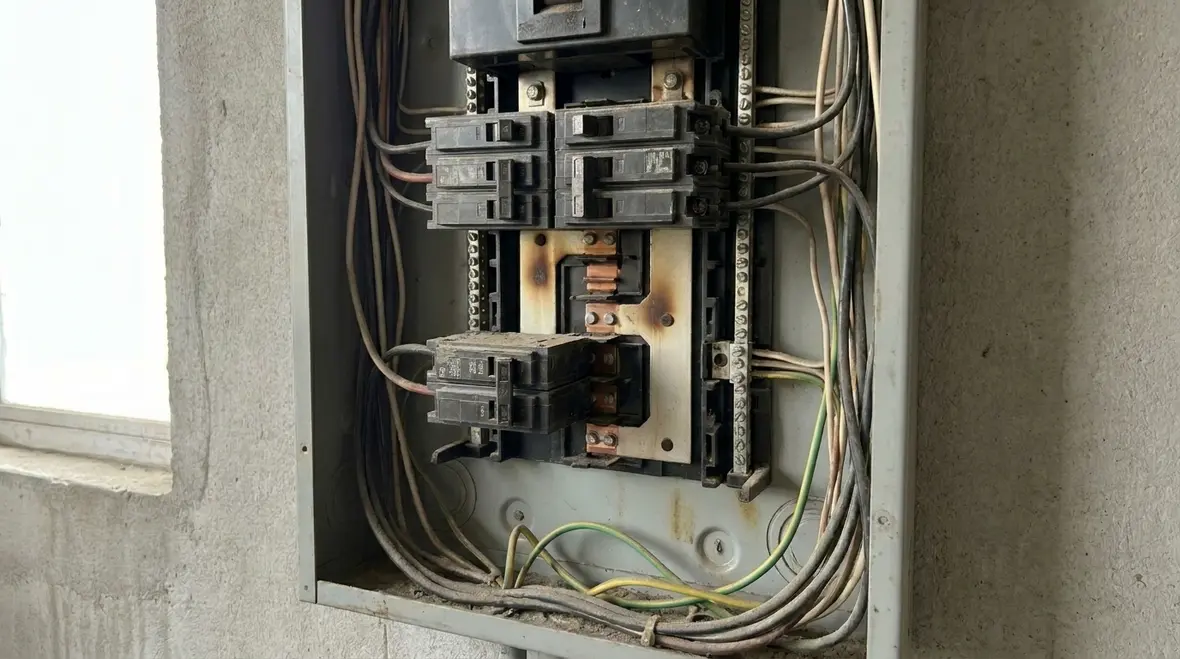
Electrical panels do not usually fail in a dramatic, movie style way. Instead, hazards build slowly, and then one day a problem becomes obvious. Our technicians often explain it in plain terms during site walk-throughs, because when people understand the why, they act faster on the what. Common causes include poor workmanship, aging components, moisture and dust buildup, and vibration in mechanical spaces. Even when the panel looks fine from the hallway, heat can quietly damage insulation and weaken connections.
Additionally, many commercial and industrial sites use higher loads than people realize. As equipment cycles on and off, electrical stress increases at terminals and bus bars. Over time, that stress can lead to arcing, which creates heat, smoke, and damage that spreads. Meanwhile, corrosion from humidity, cleaning chemicals, or leaks can reduce conductivity and create hot spots. Put simply, the panel becomes a small oven in a place you never want heat to live.
How we prevent electrical panel fires through inspections and testing
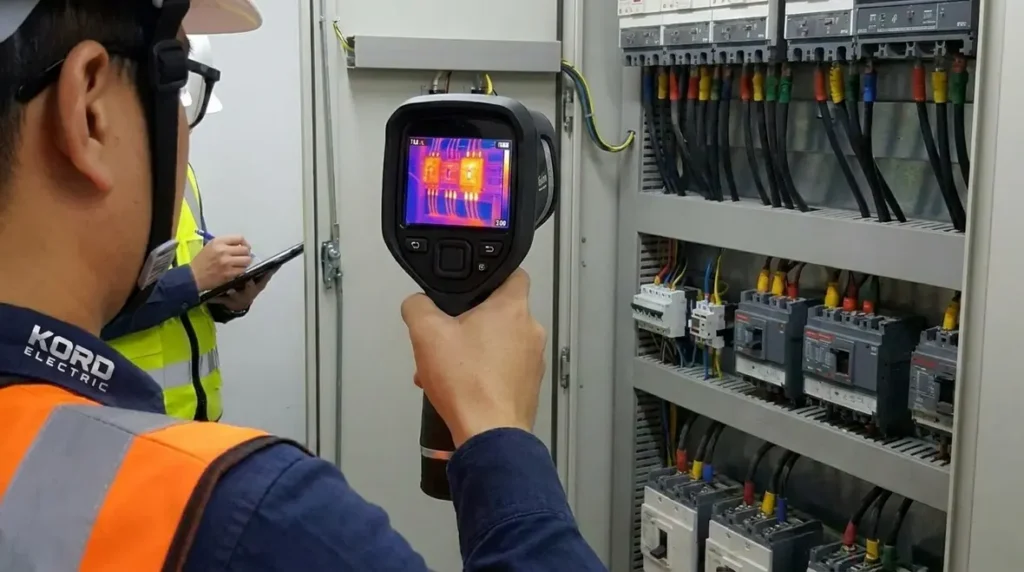
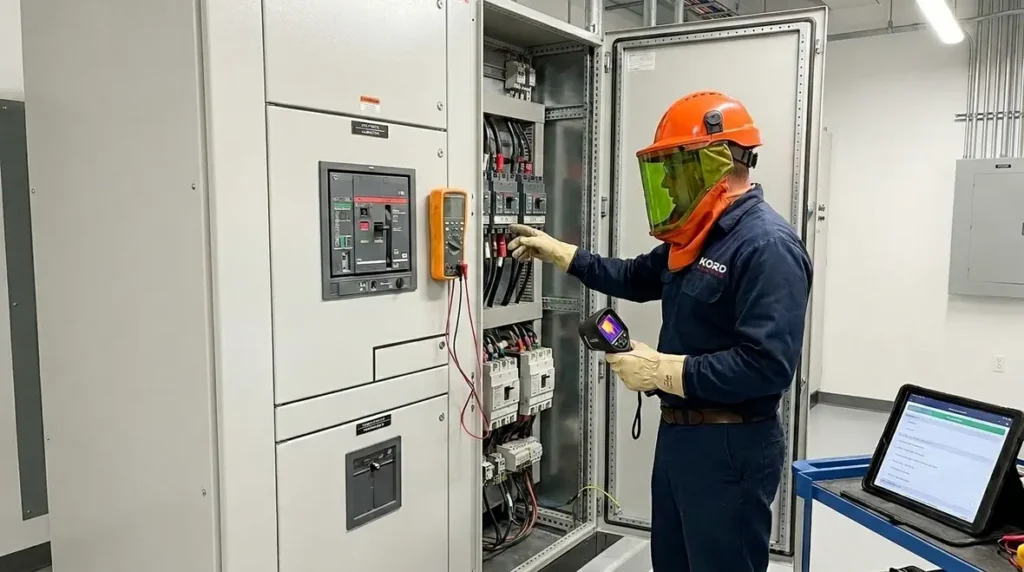
We prevent electrical panel fires by treating the panel like a critical system, not a static box. First, our team performs targeted inspections that check torque on lug connections, condition of breakers, and signs of heat discoloration. Then, we pair visuals with measurements that confirm what the eye cannot always catch. That often includes infrared thermal scans, moisture assessment when relevant, and verification of grounding and bonding.
Our technicians also review the operating history of the building. For example, if a facility adds HVAC units, charging systems, or production equipment, we expect load changes and we plan for them. Next, we compare current readings to earlier results, because trends matter. One high reading can be noise. Multiple readings over time often tell the truth.
And yes, we explain the findings in business casual language. No mystery charts, no “trust us” speeches. Others may hand over a report and walk away. We discuss what matters, what needs attention first, and how we schedule work without shutting down critical operations more than necessary.
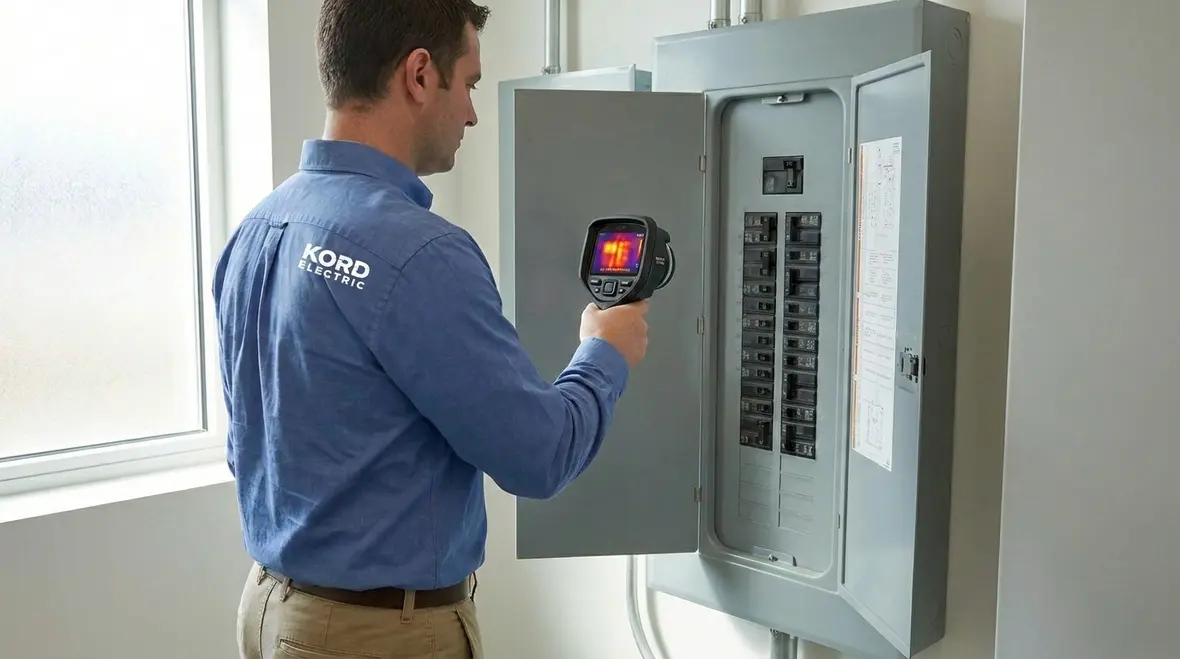
Key prevention steps for safe panel design and maintenance
We focus on practical actions that lower risk in the real world. Therefore, our maintenance plans include more than a quick wipe-down. Here are crucial steps we use for commercial and industrial panels and major property buildings.
- Verify connection integrity by checking terminal torque and re tightening when standards require it. Loose connections heat up quickly under load.
- Keep panels clean and dry by controlling dust, fixing leaks, and improving airflow. Dirt and moisture can reduce insulation performance.
- Inspect breaker and wiring condition for discoloration, brittleness, or signs of arcing. Replace damaged components before they fail.
- Maintain proper panel labeling so technicians can isolate circuits quickly and safely during repairs. Confusion is how mistakes happen. For deeper labeling strategies, many facilities pair this work with best practices like those in Kord Electric’s electrical panel labeling best practices guide.
- Plan for load growth by reviewing future equipment additions, then adjusting protection and capacity in advance.
- Control vibration and mechanical stress in areas with frequent equipment movement that can loosen parts over time.
Moreover, we align the maintenance schedule with your operations. If a building runs 24 hours, we coordinate work windows and we keep critical circuits protected while we do the safer checks and repairs. In other words, we do prevention, not interruptions disguised as prevention.
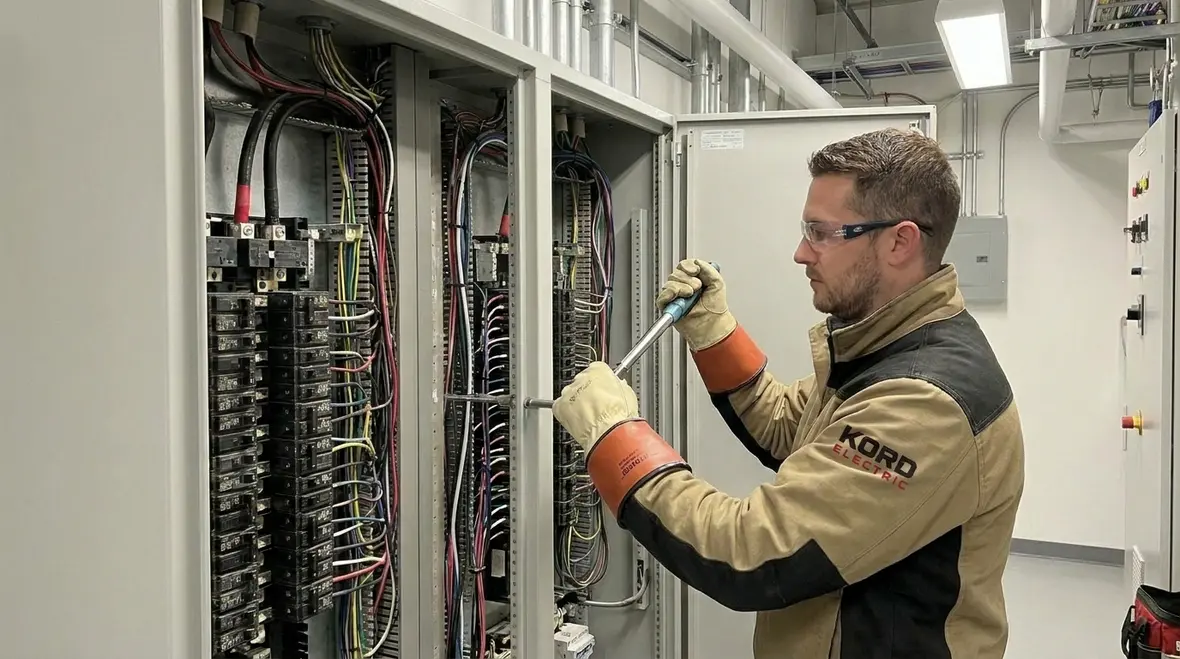
What our expert technicians check inside the panel
When our expert service staff works inside a panel, we do not treat it like a casual cleaning job. We approach it like risk management. First, we look for heat damage around lugs and bus bars, because discoloration and pitting often signal early failure. Then, we check breaker condition, especially where thermal stress might cause wear. After that, we confirm that wire routing and bends remain within safe limits, since stressed conductors can change resistance and heat up.
Next, we verify that the panel components match the intended rating and that spare spaces or modifications were completed correctly. Improper additions can create unexpected hotspots later. Also, we check for signs that someone bypassed protections during past emergencies, because even one workaround can haunt a facility.
Finally, we document what we found and what we recommend. Our clients get clear next steps, whether that means tightening connections, replacing a damaged breaker, or improving cooling and sealing. If the panel passes, we say so. If it does not, we explain it like a calm briefing, not a scare campaign.
Managing moisture, heat, and airflow where panels live
Prevention gets harder when environmental conditions fight you. Therefore, we help facilities manage the surroundings of the panel, not just the panel itself. If the panel sits near plumbing routes, cooling lines, or exterior walls with condensation risk, moisture can find its way in. When that happens, insulation resistance drops and the panel becomes more likely to overheat under load.
We also consider heat sources nearby. In industrial spaces, nearby equipment can raise ambient temperatures, and that reduces the margin for safe operation. Consequently, we evaluate ventilation, clearance, and whether the enclosure is sealed properly. If airflow is limited, we adjust airflow strategy or enclosure handling so heat can move away from the components that must stay cool.
Even something small like a poorly placed storage area can block airflow. So, during site visits, we walk the space with the people who manage daily operations. Then we build a plan that fits how the building actually runs, because prevention that nobody can follow is just wishful thinking with paperwork.

Training, labeling, and safe response reduce risk after hours
Electrical panels do not only fail during the day when trained staff is present. Hazards can worsen after hours due to rushed troubleshooting, temporary fixes, or circuit confusion. We help commercial and industrial sites reduce that risk with better labeling, clear isolation procedures, and staff awareness.
Our technicians explain safe response steps so others know what to do when a breaker trips, when a panel smells warm, or when someone sees visible damage. For example, we emphasize that staff should not repeatedly reset a breaker without investigation. Repeated resets can hide a growing fault until it escalates into the kind of event that makes headlines.
We also encourage routine checks that match your environment. In higher vibration or dust environments, checks should happen more often. In stable office and warehouse areas, schedules may differ, but the principle stays the same: verify conditions and document changes. With good communication, the next incident does not become a surprise party.
FAQ about preventing electrical panel fires
Conclusion: schedule a safety review with Kord Electric
Prevention is not a one time task, and it is definitely not something we leave to luck. Kord Electric helps commercial and industrial facilities and major property buildings take clear steps toward preventing electrical panel hazards and reducing the risk of electrical panel fires. If you want a calm, thorough plan that fits your operating schedule, contact us for an on site assessment. Our technicians will explain findings, prioritize fixes, and help you move forward with confidence. Let’s keep your power system reliable, and your building drama free.
Many facility teams combine this work with a broader electrical preventive maintenance program so inspections, testing, and documentation work together to keep panels safe. For sites with more complex power and fire protection needs, Kord’s sister company also supports strategies around fire protection services that reduce long-term risk across the building, not just at the panel door.
If your facility is planning upgrades, expansions, or new high-demand equipment such as EV charging infrastructure, pairing those projects with a panel safety review and preventive maintenance visit keeps capacity, protection, and fire risk aligned from the start. That way, preventing electrical panel fires becomes part of every major decision instead of a separate chore nobody has time to schedule.