Restaurant Kitchen Electrical Safety Checklist California
In Studio City, a restaurant kitchen runs on speed, heat, and electricity that never truly sleeps. That is why a restaurant kitchen electrical safety checklist california matters before the first rush ticket hits the pass. Kord Electric supports commercial and industrial facilities across major property buildings, and we guide owners, managers, and chefs through a practical safety routine. In the intro we focus on the checklist, but we do not stop there. Instead, we connect each step to real failure points we see in the field, and we show what our expert service staff explains to customers every week. After all, nobody wants a kitchen fire any more than they want a surprise plot twist in a blockbuster film. We handle the boring parts so your team can handle the dinner rush.
What a restaurant kitchen checklist should include before service starts
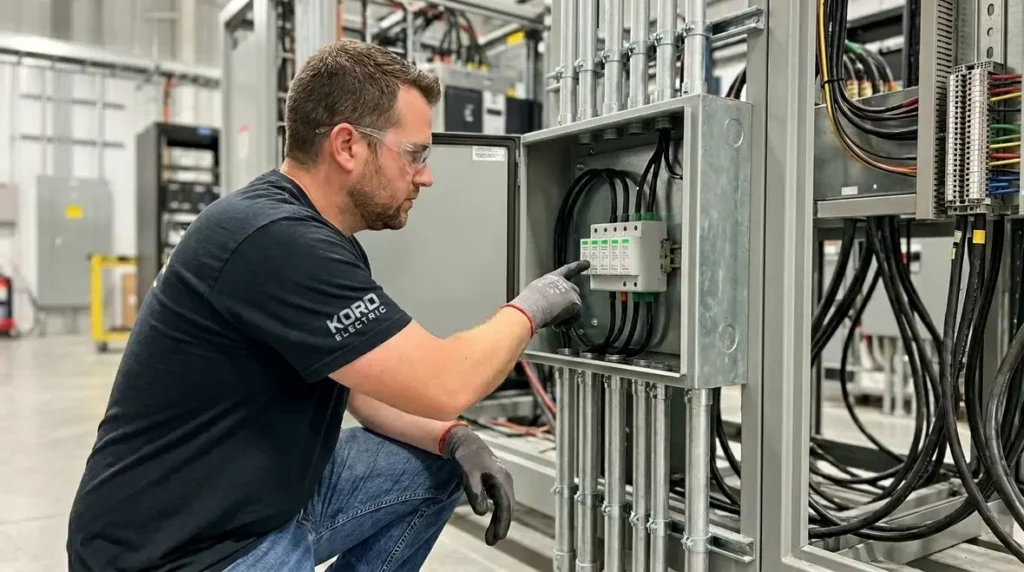
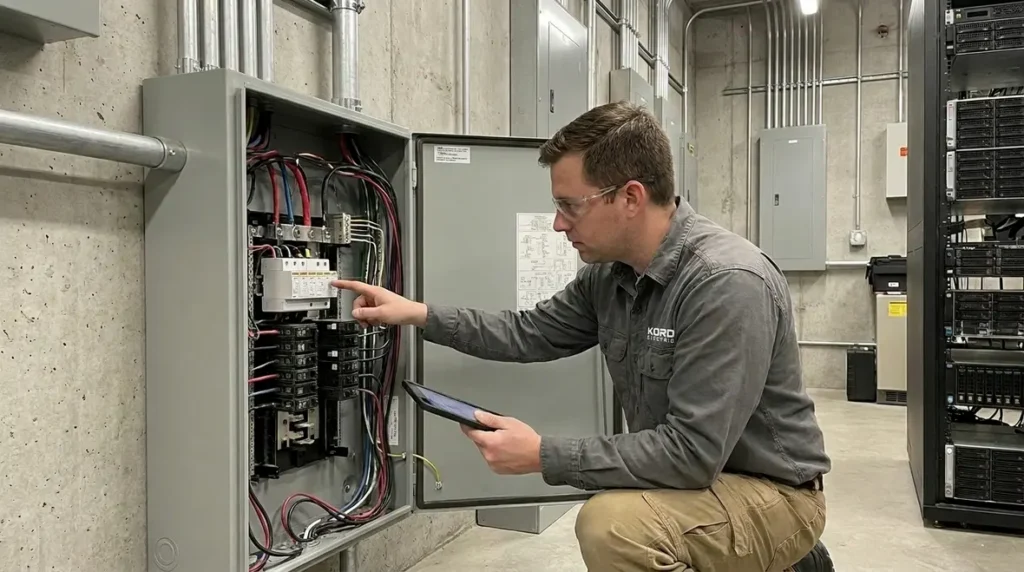
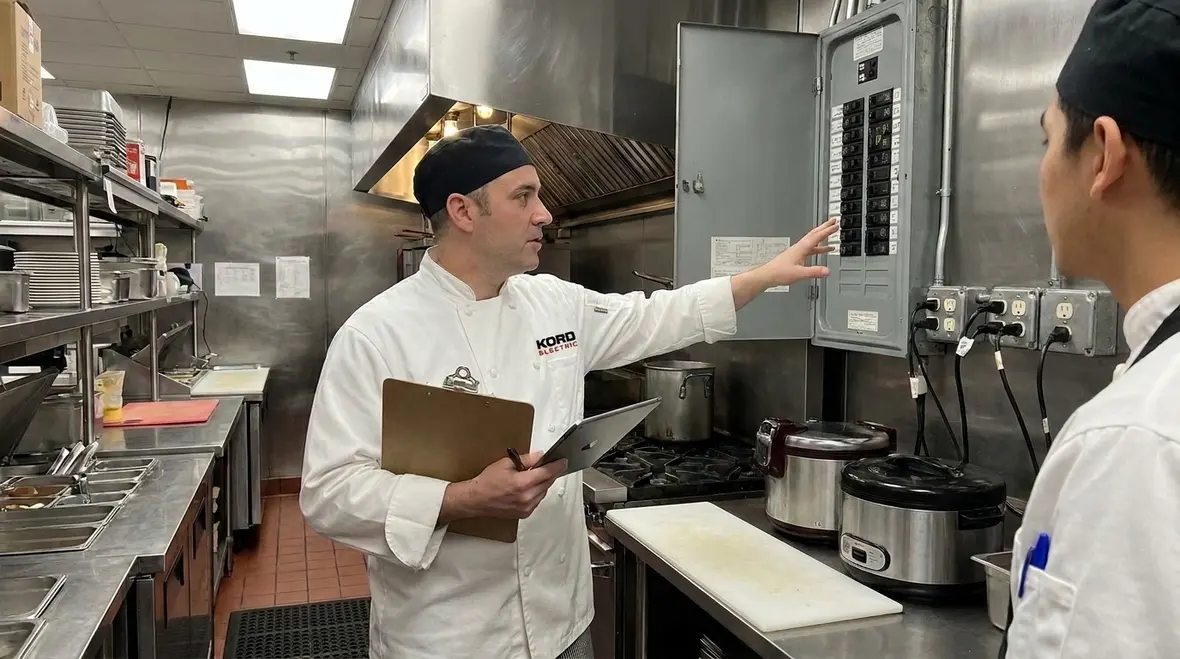
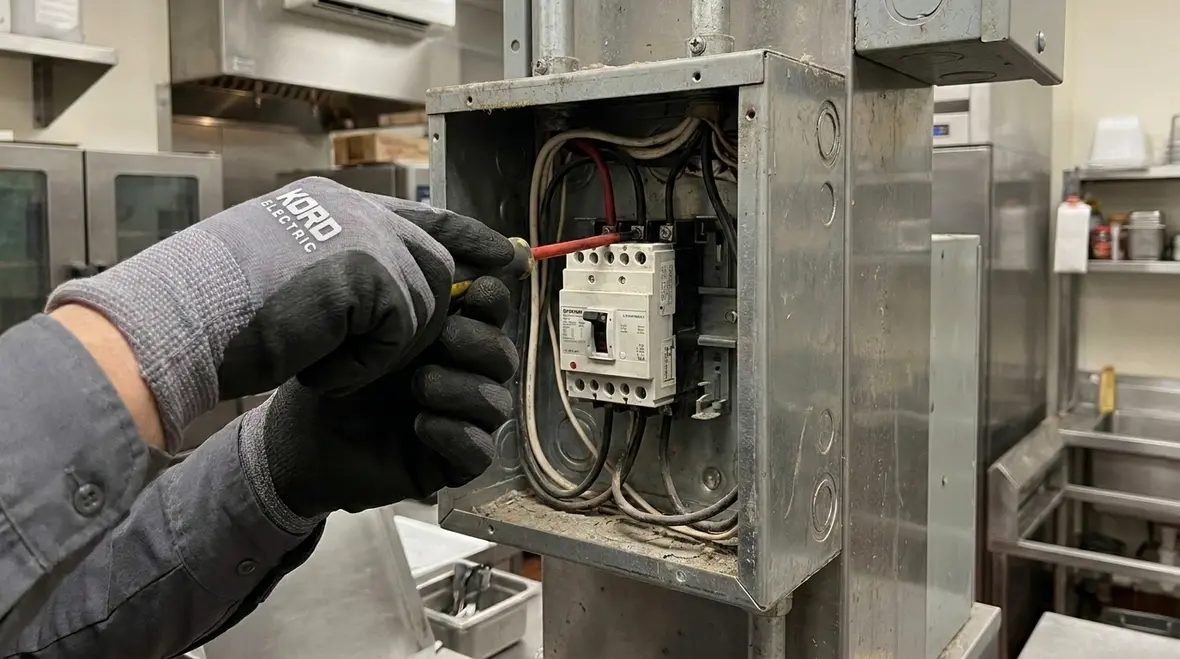
A proper kitchen safety checklist starts long before the first fryer ignites. First, our technicians verify that the electrical panels serving cooking equipment, refrigeration, and ventilation have clean, labeled circuits. Next, they confirm that breaker ratings match the load actually installed. Then they check for signs of overheating like discoloration, loose connections, or melted insulation. These items sound technical, but our expert service staff explains them in plain talk because mistakes often begin with unclear labeling and vague maintenance habits.
Then we move to the equipment side. Kord Electric looks at cords, plugs, and connections feeding hood systems, warming drawers, dishwashers, and small appliances. If a cord runs under a hot surface or crosses a walkway, the risk rises quietly. Also, we check that strain reliefs and fittings stay intact, because a loose connection acts like a slow leak in a plumbing system, except the “water” is heat. Finally, we verify that emergency shutoffs and disconnects for kitchen equipment work correctly and remain accessible. In a real fire scenario, seconds count, and accessibility beats “we meant to move that later.”
Panel inspections and load balancing for busy commercial kitchens
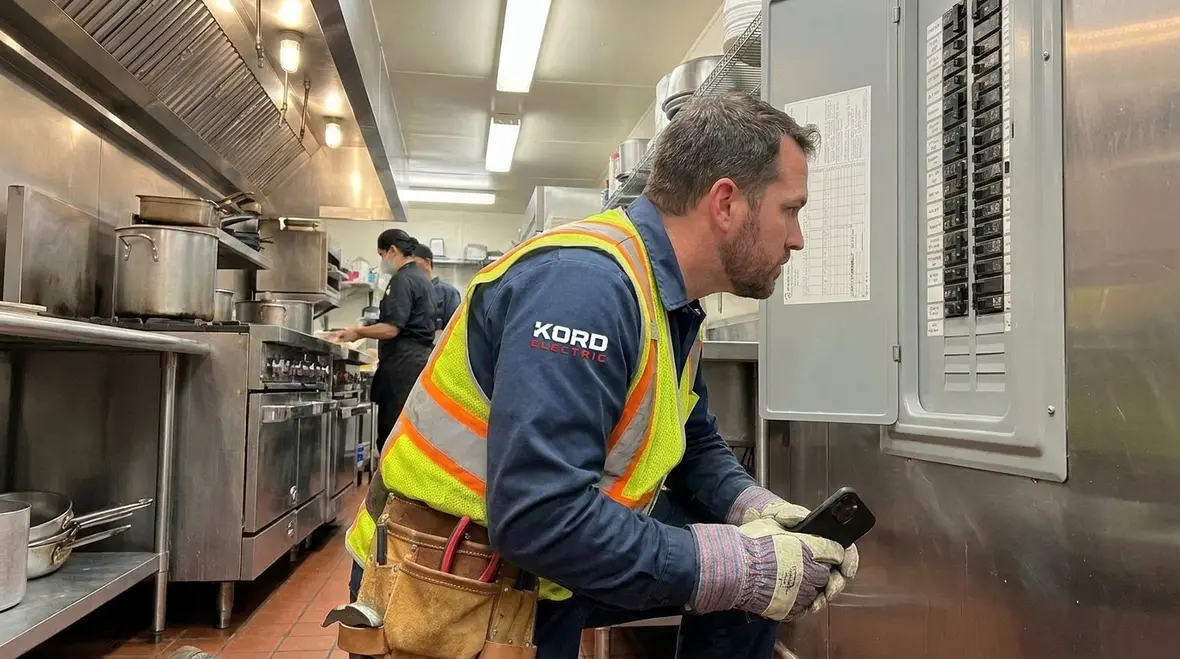
Electrical safety does not come from luck. It comes from disciplined panel work and load control. At Kord Electric, our technicians routinely inspect panel interiors for dust buildup, corrosion, and signs of arcing. After that, we review how circuits group together. In many commercial kitchens, the same breaker ends up feeding multiple high draw loads over time because remodels happen fast and documentation gets stale. That is where load balancing becomes more than “nice to have.” It prevents nuisance trips and reduces the chance of overheating.
Also, we confirm proper torque on terminations when needed. Loose terminations create resistance. Resistance creates heat. Heat damages insulation. And damaged insulation can turn a small fault into a serious event. Our team follows the kind of electrical fire prevention thinking we discuss in our guidance for commercial buildings, because the same physics shows up in kitchens. We also check grounding and bonding points. When these systems underperform, fault currents do not behave as expected, and safety devices may not trip on time.
Now for the human side. We do not just point at problems. We explain how to document changes after upgrades, and how to keep circuit maps updated. A good panel history helps the next technician, the next electrician, and the next remodel team. It is like keeping receipts for your electrical system. Nobody enjoys paperwork, but paperwork saves you when the bill is a crisis.
Outlet placement, GFCI protection, and wet area rules
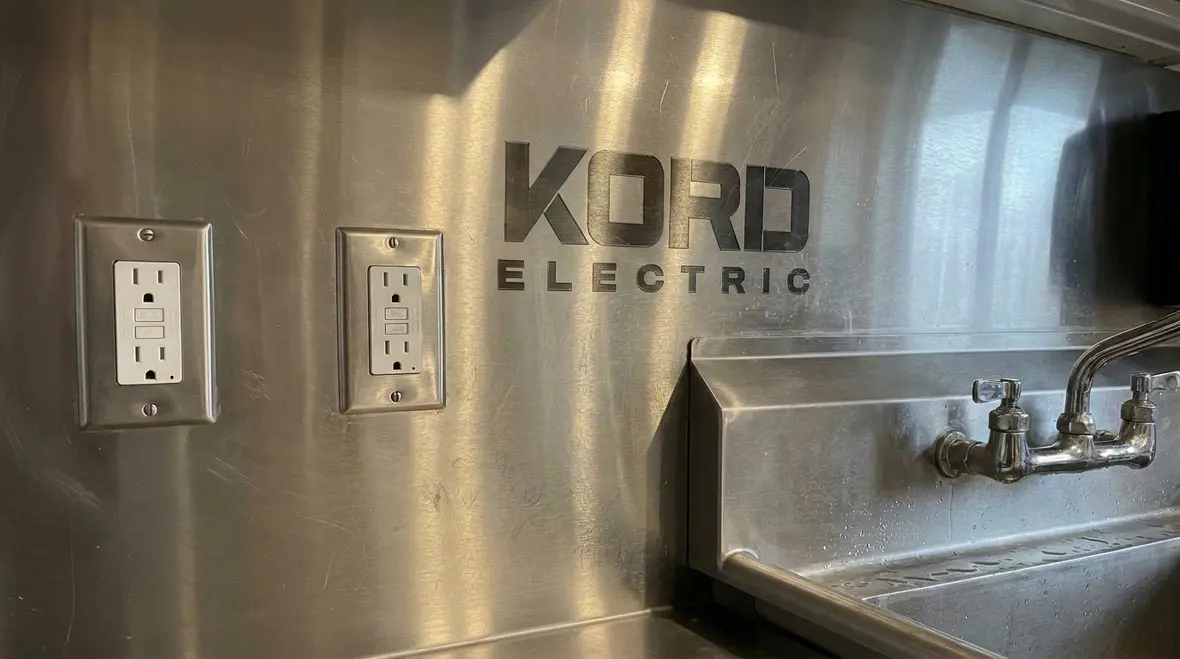
In a restaurant kitchen, wet areas and electrical outlets do not mix by accident. They mix by design, and only when safety devices and placement follow best practice. Kord Electric focuses on where receptacles sit relative to sinks, dishwashing stations, and washdown zones. If an outlet sits too close to splash risk, it can corrode, and corrosion can become a pathway for failure.
Next, we evaluate ground fault protection for circuits serving areas where moisture is common. Our technicians verify that GFCI devices function correctly and that the reset and test buttons remain accessible. We also check for nuisance tripping patterns, because repeated “wonky resets” sometimes hide a wiring issue rather than a simple annoyance.
Then we look at equipment plug practices. If staff use multi outlet adapters or extension cords as permanent solutions, risk increases. Those “temporary” setups often stay for years, and electricity does not care about intentions. It cares about connection quality and heat buildup. We help owners and facility leads replace risky setups with code aligned receptacles and dedicated feeds when needed. That way, the kitchen keeps moving without turning every shift into a stress test.
Hood systems, ventilation controls, and heat related hazards
The hood system stands as the kitchen’s first line of defense, yet it also involves electrical components that need clear protection. Grease can travel where it should not, and grease does not politely stop at the edge of a steel panel. Therefore, we inspect hood control wiring routes, switch boxes, and any electrical interlocks tied to ventilation. When heat and grease collect around connections, insulation can degrade faster than most people expect.
At Kord Electric, our technicians check that fans, make up air units, and hood controls operate as intended and that interlocks do not bypass safety sequences. We also examine how lighting and exhaust controls share circuits, because crowded circuits can lead to overheating and equipment faults. Then we review cable routing and strain relief, since vibration and heat cycling work against the integrity of terminations.
And yes, staff training matters here. Our expert service staff explains why “just wipe it and move on” can fail if they do not clean around control boxes and switch locations. We show them where grease accumulation often hides, and we help teams build cleaning habits that support electrical safety rather than fight it. This is the kind of practical guidance that reduces surprise downtime. Nobody wants a hood system that works, until it does not.

Routine testing, signage, and documentation that reduce risk
Safety improves when it repeats, not when it is remembered once a year. Our approach for commercial kitchens includes routine visual checks and scheduled electrical maintenance. We recommend tracking inspection dates, equipment changes, and any repairs done by the facility or outside contractors. Transitioning from “someone remembers” to “we can prove it” keeps the operation accountable.
Our technicians also advise owners on signage and access. If panels sit behind clutter, then emergency shutoffs become delayed shutoffs. Delayed shutoffs can matter more than the initial spark. We also encourage clear labels for disconnects feeding cooking equipment, refrigeration, and ventilation so staff do not guess under pressure.
When we service a site, we often review how work orders get written. If teams describe repairs vaguely, like “fixed outlet,” we push for better descriptions. Detailed notes help future technicians avoid repeating errors. For example, if a circuit share changed after a remodel, documentation tells the next service visit what to expect. That is not just good practice. It is risk reduction. Our expert service staff explains this so managers can set expectations and keep staff aligned without sounding like a robot in a safety manual.
Common electrical problems we find in Studio City commercial kitchens
Every kitchen tells a different story, but the problems often follow familiar patterns. One frequent issue is overloaded circuits after menu expansions or equipment upgrades. Another common problem involves worn cords and improper storage. Cords get stretched, pinched, or tucked under equipment bases, and over time, that damages insulation.
We also see loose terminations in older installations, especially after repeated vibration from appliances. In some cases, corrosion shows up where dishwashing moisture reaches connections. Another issue involves improper grounding and bonding, which affects how protective devices respond during faults. Additionally, we find outdated labeling and circuit maps that no longer match the current equipment list.
Then there is the “it passed last time” problem. Some facilities run on emergency repairs instead of planned checks. However, electrical fire prevention for commercial buildings depends on early detection, not just reaction. This is why our technicians prioritize hot spots and evidence of overheating, and why we help teams understand what they should look for during shift changes. We want the staff to spot risk early, and we want our service team to address it fast when it appears.
Single page checklist a kitchen manager can run weekly
Below is a compact routine that kitchen managers can use as a weekly review tool. It does not replace professional service, and it does not ignore code requirements, but it keeps safety front of mind while you run the floor.
- Panels: confirm breakers stay firm and no burning odor appears.
- Equipment cords: check for cuts, heat spots, and loose plugs.
- Hood areas: look for grease buildup around control boxes.
- Wet zones: ensure receptacles stay clean and dry.
- GFCI: confirm test and reset function works correctly.
- Disconnects: verify access stays clear and visible.
- Lighting: watch for flicker near cooking and wash areas.
- Extremely hot spots: report any melting, discoloration, or warping.
- Circuit changes: update notes after any plug or wiring move.
- Adapters: remove permanent “temporary” use of splitters.
- Vent controls: ensure interlocks do not behave oddly.
- Documentation: log findings and schedule service if trends appear.
For more structured commercial fire prevention insights beyond the kitchen, you can also review Kord Electric’s guidance on electrical fire prevention for commercial buildings, and adapt those principles to your restaurant’s wider facility.
FAQ
Ready for safer kitchen operations with Kord Electric
When electricity and grease share the same space, you earn safety through prevention, not hope. Kord Electric brings expert technicians and service staff who explain risks clearly and address them with commercial focused solutions for major property buildings. If you operate a Studio City restaurant kitchen and you want a stronger plan, we can review your electrical setup, panel condition, protective devices, and hood related controls. Call us today to set up an assessment, tighten your restaurant kitchen electrical safety checklist california routine, and keep your kitchen running with confidence.
If your restaurant group operates across the region, Kord Electric’s broader Los Angeles County electrical services support multi-site commercial properties with panel upgrades, preventive maintenance, and troubleshooting so your kitchens and front-of-house spaces stay reliable.
You can also explore our commercial kitchen and facility resources in the Kord Electric blog to pair this checklist with deeper code compliance, panel capacity, and emergency power planning for your entire building, not just the line cook’s eye level.