School Electrical Inspection Requirements California
If a facility manager in California needs clarity on school electrical inspection requirements California, they usually need it fast, and they need it to hold up under scrutiny. At Kord Electric, we work with schools and major property buildings, and we make sure electrical systems get checked in a way that matches real-world conditions, not just paperwork. That means our technicians and expert service staff explain what they find, why it matters, and what they recommend next, with calming patience and clear steps. After all, nobody wants a surprise electrical issue on day one of school, or like a villain showing up at the worst possible moment. So, we walk through what inspections require, what records should look like, and how preventive maintenance reduces the odds of problems that disrupt operations.
What schools in California must verify during electrical inspections
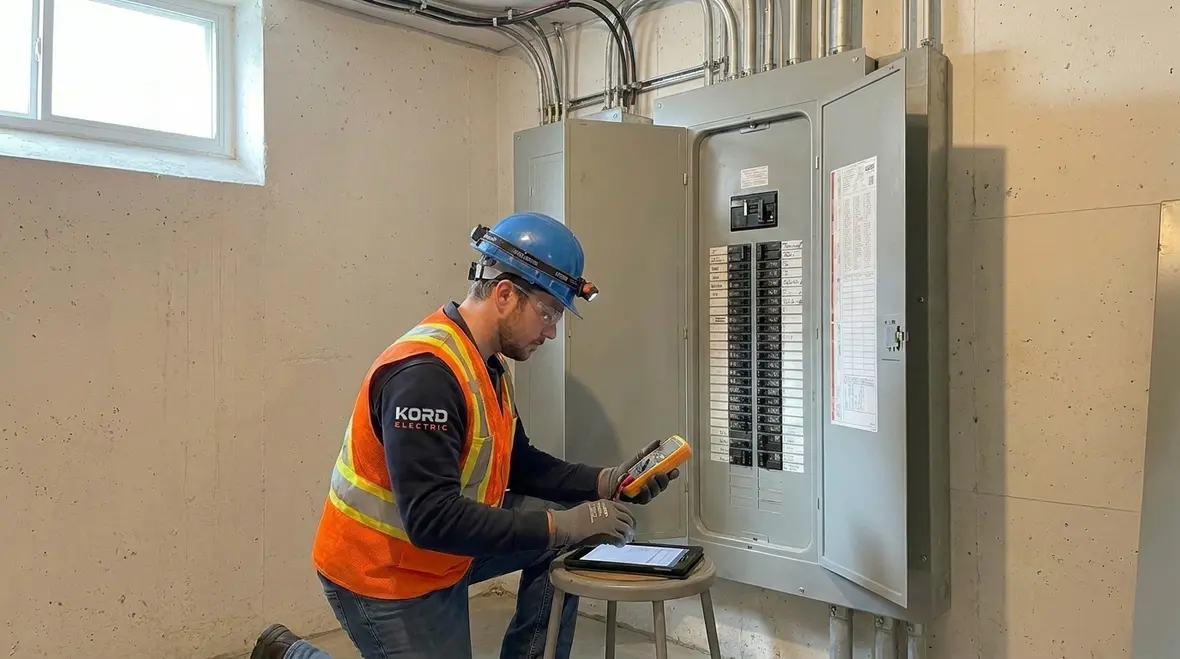
In practice, the school electrical inspection requirements California conversation starts with one goal: confirm that electrical systems remain safe and compliant for building occupants and staff. Because schools contain a mix of classrooms, labs, offices, kitchens, HVAC support, and event spaces, electrical loads change throughout the year. Therefore, inspection routines should reflect ongoing operation, not just a one time pass.
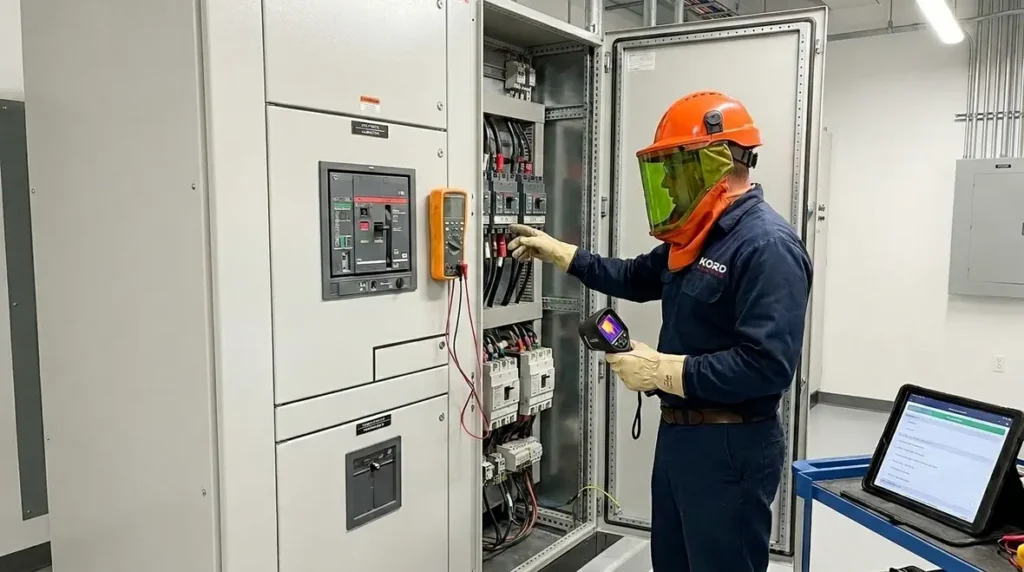
Typically, inspection coverage includes distribution equipment, grounding and bonding, overcurrent protection, wiring condition, panel labeling, and emergency and life safety circuits where applicable. Additionally, any modifications to systems should trigger a new look, since even well intended upgrades can create mismatch issues if the original design assumptions change.
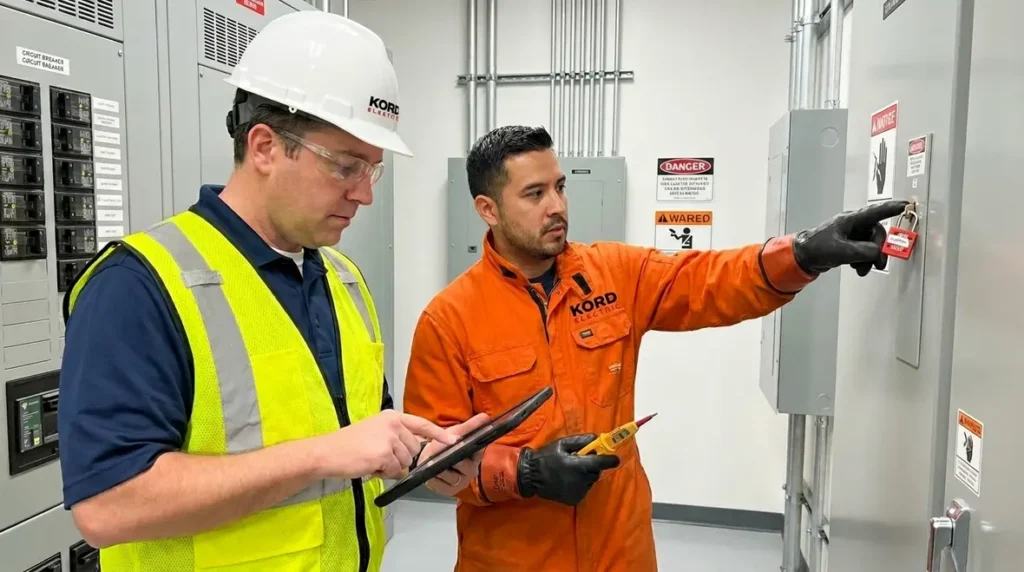
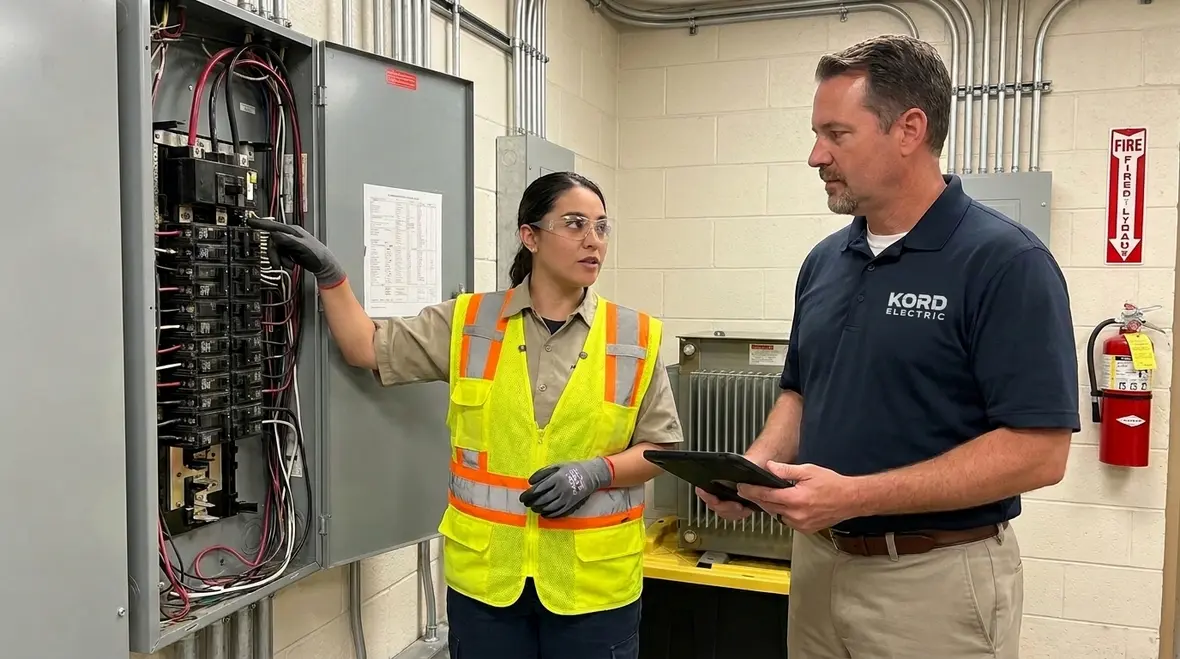
Our expert service staff at Kord Electric approaches this like a careful rehearsal: we check the components that matter, we document findings clearly, and we help others understand what the inspection means. Our team explains in plain language what is safe, what is near the edge, and what should get corrected before it becomes an incident. And yes, we keep it professional, not like a late night infomercial promising miracles by Thursday.
How preventive maintenance supports compliance and reduces costly surprises
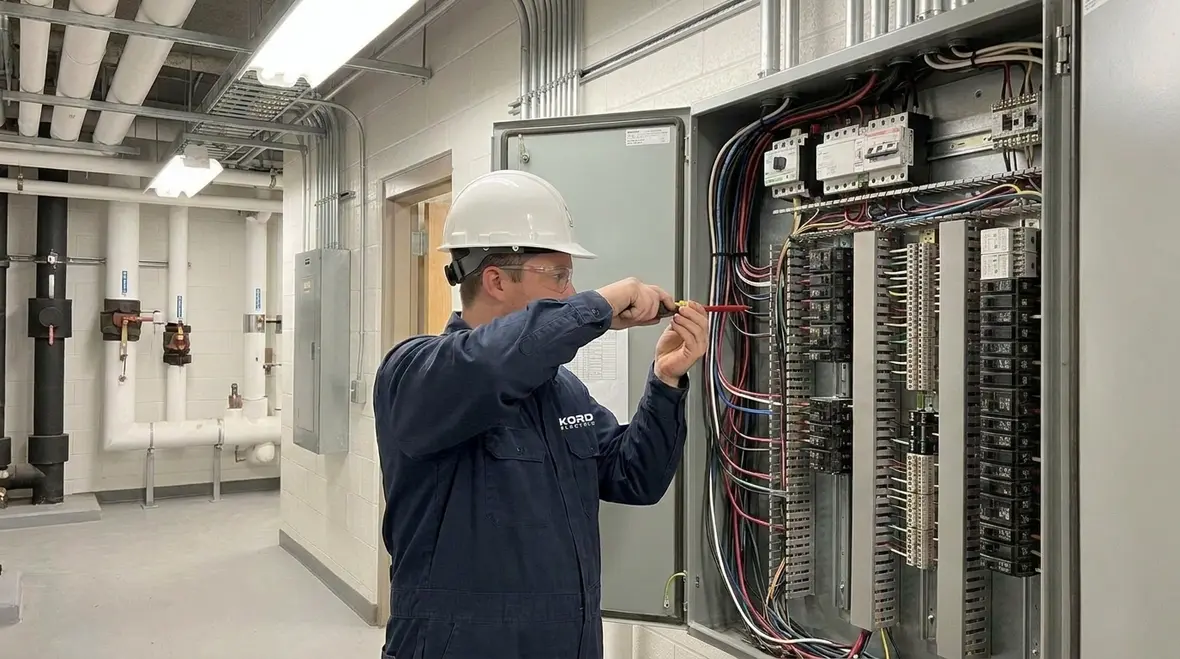
Inspections tell you what is wrong today. Preventive maintenance helps keep it from becoming wrong tomorrow. At Kord Electric, we align our approach with the kind of discipline described in our electrical preventive maintenance guidance at kordelectric.com/electrical-preventive-maintenance. That system thinking matters for commercial and industrial facilities, including major property buildings where uptime and safety affect daily schedules.
When preventive maintenance gets done well, it supports inspections in three ways. First, it reduces the chance that a small defect grows into a bigger failure. Second, it keeps equipment readings and observations consistent, so trends become obvious. Third, it improves documentation quality, which helps when stakeholders ask for proof of diligence.
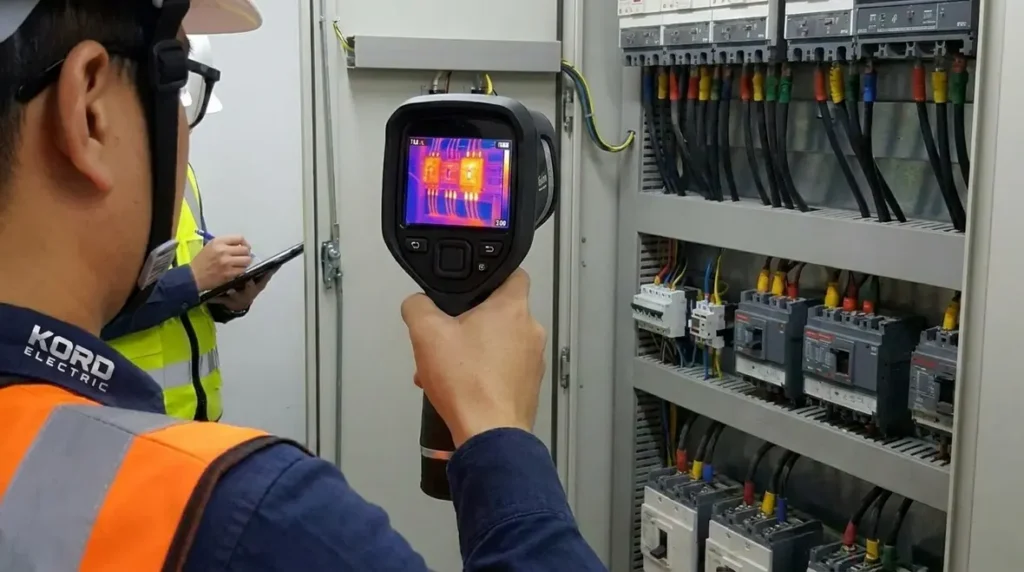
We also know that schools face unique seasons. After summer work, after major events, and after new equipment gets installed, electrical behavior can shift. Therefore, routine checks help confirm that everything stays within safe operating conditions, including thermal performance, insulation integrity, and connections that can loosen with heat cycling over time.
Which electrical systems Kord Electric targets in detailed assessments
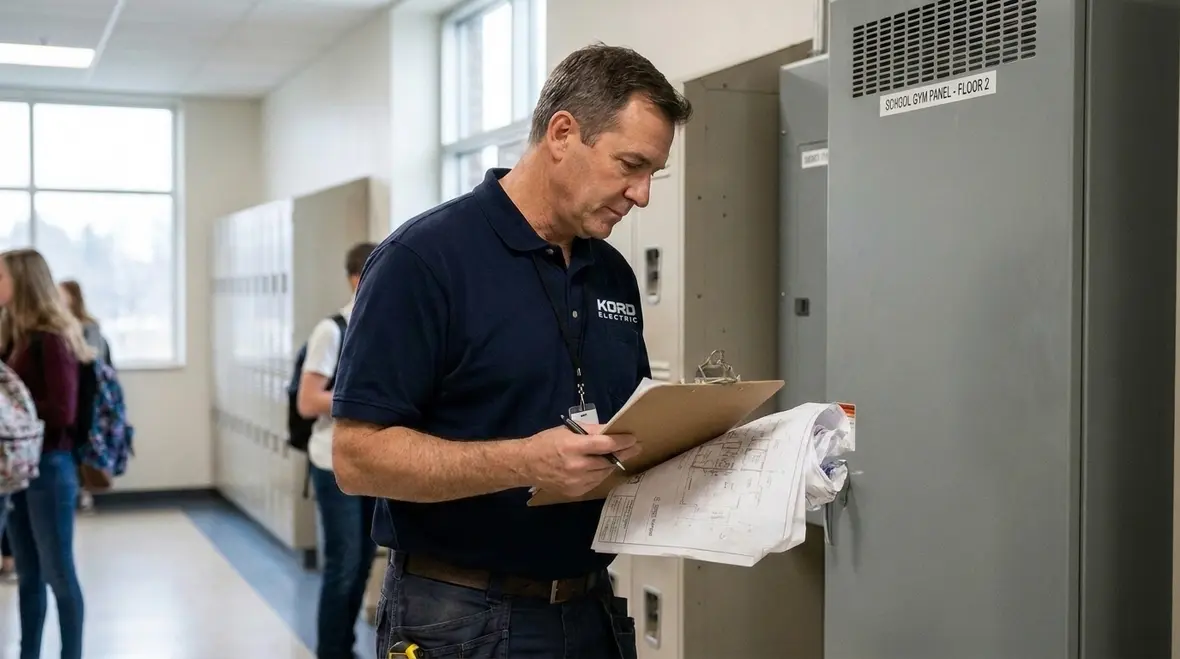
To help stakeholders make accurate decisions, our technicians examine the building like an interconnected system. Rather than focusing on one panel and calling it a day, we consider how power flows through the facility.
Key areas commonly reviewed include:
- Service and distribution equipment, including main switchboards, distribution panels, and protective devices
- Overcurrent protection, focusing on device condition, correct sizing, and dependable operation
- Grounding and bonding, since poor bonding can create shock and equipment damage risk
- Busbars, terminations, and connections, because high resistance connections often show up as heat before they show up as failure
- Wiring condition, including identification, visible damage, and signs of aging
- Emergency-related circuits where appropriate for life safety needs, so essential functions remain reliable
Then we take the extra step that many teams skip: we help people interpret what matters. Our technicians and expert service staff explain the “why” behind each recommendation. For example, if a connection shows signs of overheating, we do not just say “replace it.” We explain how the issue can affect performance, what could happen under increased load, and how to prevent it from returning. That is the difference between fixing a symptom and managing a system.
Documentation and reporting that keeps facilities audit-ready
Even a strong inspection program can fall short if the results are not captured clearly. Consequently, Kord Electric prepares reports that support decision making, internal recordkeeping, and compliance expectations for commercial and industrial facilities. We also know that school administrators and facility managers do not want to decode a novel of technical jargon.
Our reporting approach typically includes what we inspected, what we found, and what we recommend next. Furthermore, we highlight items by priority so teams can plan repairs without disrupting core building operations. When corrective action is needed, we explain it in a way that supports procurement, scheduling, and communication with stakeholders.
Because school electrical inspection requirements California involves consistency and traceability, documentation should show a clean timeline. That means dates, equipment identification, and inspection details should connect to prior preventive maintenance work. When the records connect like that, the facility shows discipline, not randomness.
Common issues we see in school and major property buildings
Schools and major property buildings can look different, but the electrical challenges show recurring patterns. We see these issues often enough that our technicians now treat them like common plot twists.
Some frequent trouble areas include:
- Loose or heat damaged terminations that come from thermal cycling and frequent load changes
- Inconsistent labeling, which can slow troubleshooting and lead to incorrect switching decisions
- Wear on aging components, especially where humidity, vibration, or dust accelerates aging
- Grounding inconsistencies that can create unsafe conditions during fault events
- Changes from past upgrades, where equipment additions were completed but the full system review lagged behind
- Overloaded circuits or misunderstood capacity, especially after equipment updates
Importantly, we do not shame anyone. Buildings evolve, budgets shift, and contractors rotate. Still, electrical systems need a steady hand. Therefore, we focus on correcting what matters now and guiding what to watch next. And when someone says, “We already know it is fine,” our expert service staff respond with a calm smile, like, “Great, then let us verify it.”
How to plan inspections around school schedules and business continuity
Facility work in educational settings requires real scheduling discipline. Kord Electric works to reduce downtime and avoid disruption to daily operations. Because schools run on bell schedules, custodial routines, and event calendars, we plan electrical tasks around occupancy and critical functions.
To keep things smooth, we help clients prepare with a clear sequence:
- We review facility constraints, including active departments, critical equipment, and access limitations
- We coordinate inspection work in phases, so teams can complete high impact checks early
- We align corrective actions to safe windows, including after hours when needed
- We communicate progress in a way that staff can act on without confusion
As a result, the building stays functional, and stakeholders receive updates they can trust. This matters for commercial and industrial environments as much as it does for schools, because continuity affects everything from instruction to operations to safety response.
For larger districts and multi-site operations, it can also help to connect school electrical inspections with broader regional support. Kord Electric’s Los Angeles County electrical services bring the same structured approach we use in commercial and industrial environments into educational facilities, so inspections, upgrades, and preventive maintenance follow one coordinated playbook instead of scattered one-off projects.
FAQ about school electrical inspection requirements California
Final call: get Kord Electric to strengthen your electrical program
If your school or major property building needs steady safety, clean documentation, and fewer surprises, Kord Electric is ready. We send technicians who check the right systems, then our expert service staff explain findings in clear, business friendly terms. Next, we connect inspection results to preventive maintenance so your facility stays audit ready and operational. Contact us today to schedule a site assessment and build a plan that fits your schedule, your equipment, and your team’s priorities.
If you also oversee non-educational facilities or broader portfolios in the region, you can coordinate school inspections with wider support by exploring Kord Electric’s dedicated Los Angeles County electrical services for commercial and industrial properties. That way, the same team that helps a district manage school electrical inspection requirements California can support panels, switchgear, and reliability planning across your other buildings with one consistent, code-conscious strategy.