Troubleshooting Voltage Sags in Commercial Sites
Commercial voltage sags: what Kord Electric helps you catch fast
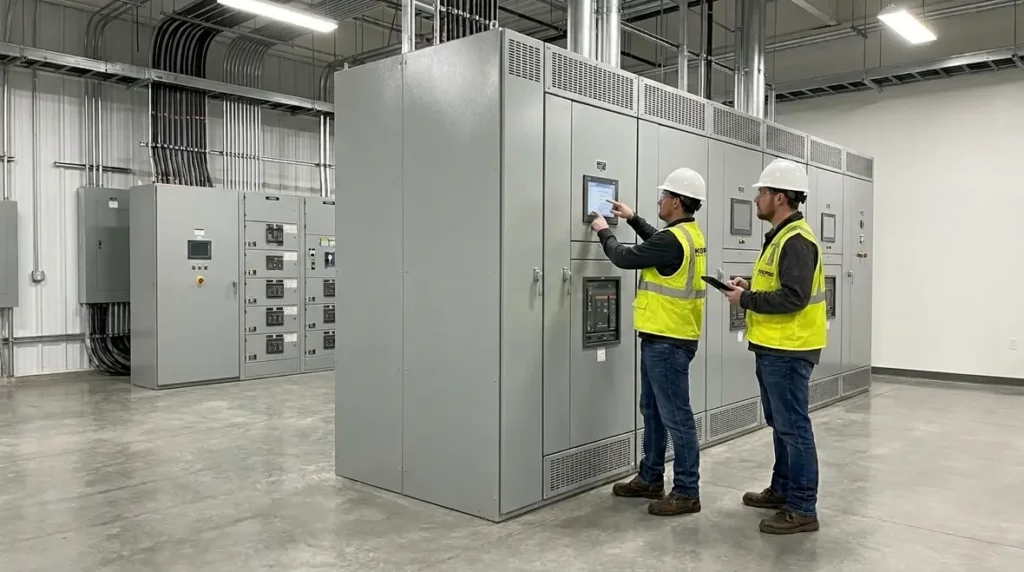
When a facility sees troubleshooting voltage sags commercial, it usually notices the effects first. Lights dim, motors slow, drives complain, and process equipment acts like it just heard a bad rumor about its own future. Then the team starts chasing causes like they are hiding in the walls. At Kord Electric, we focus on commercial and industrial facilities, along with major property buildings, because those loads and systems do not tolerate surprises. In the sections ahead, our expert service staff explains how we identify and correct the most common causes of voltage sags, and how we do it without guesswork. And yes, we check the “obvious stuff” first, because electricity is predictable. People, on the other hand, love to improvise.
How voltage sags show up in real commercial operations

Voltage sag is a short drop in voltage, often caused by a nearby disturbance. Even when the event lasts only a fraction of a second, it can still trip protective devices, cause automation faults, or stress power supplies. Because most sites run on tight schedules, the true cost is rarely the outage itself. Instead, it shows up as lost throughput, restarted systems, downtime alarms, and maintenance time.
To understand what a site is experiencing, our technicians look at the symptoms by system. For example, sensitive controls like PLCs and VFDs may reset or log events. Meanwhile, large motors may draw higher current and worsen the dip if they start at the wrong time. Next, we correlate the timing of complaints with power event logs. Then we compare that timing against typical sources of disturbances at your site, like motor starting, transformer switching, or feeder faults.
Because voltage behavior and hidden issues are tightly linked, many facilities also benefit from understanding the hidden electrical risks in commercial buildings that can quietly make sag events more frequent or more severe.
Hidden risks in commercial buildings that trigger sags

Not every voltage sag starts at the main switchgear. Sometimes it starts earlier, in the “boring” infrastructure people forget to watch. In fact, our team often points facility managers to the kind of risks described in our article about hidden electrical risks in commercial buildings. Those issues can create weak points that make sags more likely, more severe, or more frequent.
Common hidden risks include loose terminations, aging connections, and insulation breakdown. Over time, these conditions raise resistance at specific points. Then during normal loading, the system stays quiet. However, during a disturbance like a starting motor or a feeder fault, the system can no longer hold voltage. As a result, the voltage dip deepens.
Additionally, improper maintenance around electrical distribution contributes. If thermal imaging shows hot spots but no correction follows, the site carries a risk that repeats. And if the facility uses temporary wiring or makes changes without updating load data, the electrical model stays wrong. Therefore, our technicians treat sags as a system story, not a one time mystery.
Common cause one: motor starts and load coordination

Motor starting is the top everyday trigger for voltage sags in many commercial and industrial environments. When a large motor starts, it can pull a current several times higher than its running current. Even if the motor never fails, that inrush current can momentarily pull system voltage down.
However, the sag severity depends on more than the motor size. It also depends on wiring impedance, transformer capacity, and how many loads start at once. Consequently, if multiple motors start simultaneously, the event can become a pattern.
Our troubleshooting voltage sags commercial approach here begins with load review. We verify motor ratings, starting methods, and whether the control logic schedules the starts. Then we check whether existing equipment uses soft starters, VFDs, or across the line methods. If the site uses across the line starts for large motors, we recommend coordination options such as sequencing, ramping, or staggered starts. We also evaluate whether the supply transformer has enough headroom during peak conditions.
Think of it like traffic. A single car can merge, but three cars merging at once becomes a whole scene. Motors act the same way when they start together.
Common cause two: transformer and feeder impedance problems

Even with good control settings, voltage sags can happen when the electrical path has too much impedance. Transformer impedance, feeder length, conductor size, and connection quality all matter. When impedance rises, the system voltage drops more during a disturbance.
One frequent culprit is a transformer that was once adequate but no longer matches the load mix. For instance, a building might add HVAC equipment, a new production line, or additional charging loads. Then the site’s peak demand changes, but the electrical design stays the same. As demand increases, sags become more likely, especially during starting events.
Another cause is voltage drop across feeders due to conductor sizing and poor connections. For example, a slightly loose lug can create extra resistance. During steady operation, that extra resistance may not stand out. Still, during a transient event, the added resistance increases the voltage dip. Therefore, our technicians measure conditions, inspect connections, and verify the impedance model matches the actual system.
If the data suggests, we also consider upgrading equipment. That might mean improving conductor sizing, correcting connection quality, or adjusting transformer configuration. We recommend changes that reduce sag impact rather than just chasing one alarm after another.
Common cause three: protection settings, faults, and nuisance tripping
Some sags do not come from load starts alone. Faults on feeders, shorted conductors, and insulation weaknesses can pull voltage down quickly. Then protective devices operate to clear the fault. If protection coordination is off, equipment may trip faster than needed or linger longer than desired.
Our expert service staff helps teams separate two issues. First, we identify the source of the disturbance. Second, we confirm that protection clears it with the right timing and selectivity. When breakers and relays act too aggressively, they can create more downtime than the fault itself.
We also look at settings that drift over time. Changes to the system, additions of loads, or equipment replacement can make old settings wrong. Additionally, if maintenance intervals skip testing, relay performance can become unpredictable. Therefore, we review event logs and protection records, then compare them with measured system performance.
Here is the business casual joke: protection devices are like bouncers at a club. They should throw out trouble, not kick out paying guests for standing too close to the door. When coordination and settings fit the real load and fault profile, the site runs smoother.
Corrections that actually reduce sag frequency
Once we identify the root causes, we correct them with practical steps that fit commercial and industrial operations. Our technicians usually start with the fastest wins, but we do not stop there. We aim for lasting improvements that reduce event count and sag depth.
Common correction paths include improving connection quality. This includes tightening, cleaning contact surfaces, and verifying proper torque values. Next, we address load coordination by staggering starts, using soft starters or VFD ramping, and updating control sequencing. Additionally, we may recommend capacitor banks where appropriate, but only after we check for harmonics and actual power factor needs. Otherwise, a “fix” can create a new problem, and we prefer fixes that do not come with sequel scripts.
For deeper issues, we evaluate the supply path. That may involve transformer upgrades or feeder improvements. In some cases, we add solutions for ride through, like UPS systems for controls, or dynamic voltage support devices when the process cannot tolerate even brief dips. Again, we choose based on the site’s equipment sensitivity and the pattern of events.
What our technicians do during troubleshooting voltage sags commercial work
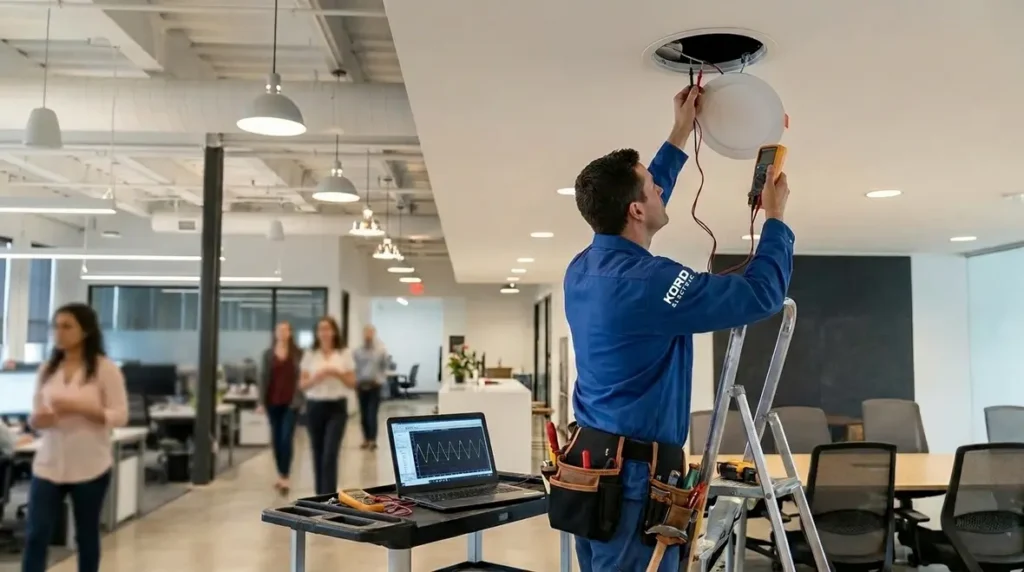
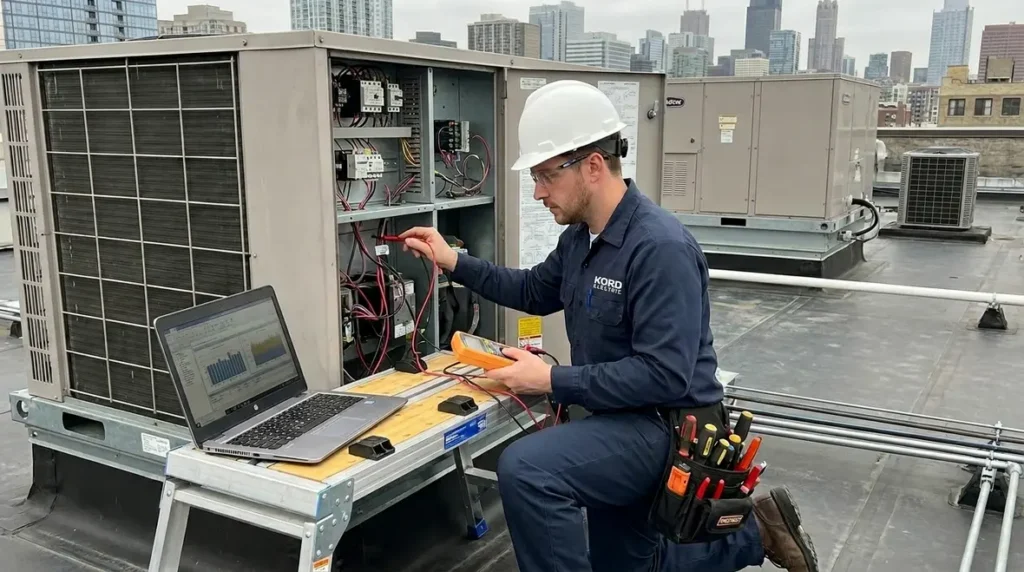
Our process stays structured because guesswork creates delays. First, we gather the right data. We review facility incident reports, equipment logs, and breaker or relay event records. Then we use site measurements to verify the electrical story: voltage profile, current profile, and timing.
Next, we confirm the likely causes. For example, our technicians test whether motor starting aligns with the sag events. We also verify whether transformer switching or feeder conditions match the event time stamps. After that, we inspect for weak points, including terminations, thermal hot spots, and component aging.
Then, we propose corrections, prioritize them, and build a plan. We explain options in plain language so operators and facility managers can make decisions quickly. Finally, we validate after work. That validation matters, because a “successful” change is not success until the events reduce on the next review cycle.
And yes, we document findings. Nobody should have to re live a problem just because the note got lost.
Case planning for major property buildings and industrial facilities
Major property buildings and industrial facilities often have complex load mixes and multiple tenants or processes. Therefore, sag mitigation must handle diversity in loads, varying occupancy schedules, and shared electrical infrastructure. In these environments, one equipment change can shift the problem elsewhere unless coordination follows through.
We help property teams align electrical improvements with building operations. That includes defining load priority, scheduling major work around peak and off peak hours, and managing tenant impact. In addition, we support compliance expectations by keeping system records updated and making sure the site’s electrical configuration stays consistent with its documentation.
Once the plan is in place, the work becomes less disruptive and more predictable. Eventually, teams spend less time reacting and more time operating.
Dual-column checklist: voltage sag investigation essentials
What we verify
- Event timing from logs and alarms
- Motor start schedules and starting methods
- Transformer loading and capacity margin
- Feeder sizing and measured voltage drop
- Connection quality and thermal indicators
What we fix
- Load sequencing and coordination
- Improved terminations and contact integrity
- Protection setting review and coordination
- Supply path upgrades when needed
- Targeted ride through for critical controls
FAQ: voltage sags for commercial and industrial sites
Ready to reduce voltage sag events at your site
If your commercial or industrial facility is seeing equipment resets, nuisance trips, or dimming during normal operations, do not wait for the next “mystery event.” Kord Electric sends technicians who follow a clear investigation path, then we correct the causes that drive voltage sags. Contact us for a site assessment and a practical plan to reduce sag frequency and protect your process. Let us handle the electrical detective work, while you keep production moving and your team calm.
For facilities that see frequent dips or broader instability, pairing voltage sag investigations with targeted support for voltage fluctuations in commercial and industrial facilities and structured electrical preventive maintenance creates a long term path to a calmer, more predictable electrical system.